
Mangosteen, known as the “queen of fruits,” is prized for its sweet, juicy flesh and unique flavor. This tropical delicacy, with its thick purple rind and soft white segments inside, is not only delicious but also delicate. Storing mangosteen properly is essential if you want to enjoy its freshness for as long as possible.
Mishandling this fruit can lead to rapid spoilage, wasted money, and lost flavor. Whether you just bought mangosteen from a local market or ordered it online, understanding the right storage methods makes all the difference.
Many people are unsure how to keep mangosteen fresh, especially if they live outside tropical regions. The fruit doesn’t last long at room temperature and is sensitive to humidity, light, and even the way you stack it. Some believe refrigeration is always best, while others worry about losing taste or texture.
There are also myths about freezing mangosteen and whether it ruins the fruit.
In this detailed guide, you will learn every essential fact about storing mangosteen correctly. You’ll discover how to choose the best fruits, ideal storage temperatures, how to handle cut or peeled mangosteen, tips for maximizing shelf life, and common mistakes to avoid.
By the end, you’ll have the confidence to store your mangosteen like a pro, ensuring none of this precious fruit goes to waste.
Understanding Mangosteen’s Sensitivity
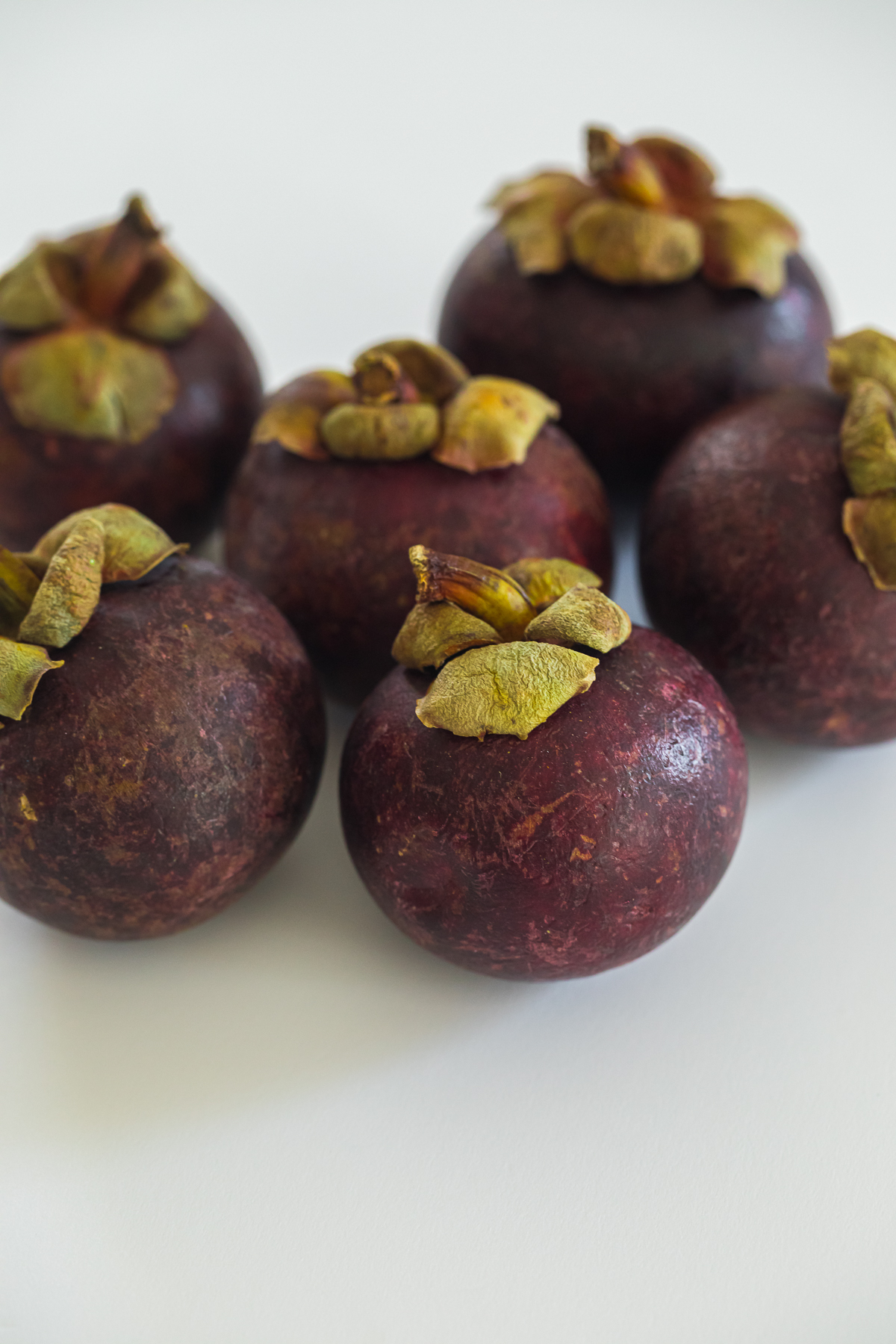
Mangosteen is not like apples or oranges that can sit on your counter for weeks. The fruit has a delicate rind that quickly hardens and a juicy inside that spoils if not stored correctly. High humidity, direct sunlight, and rough handling can all shorten its life.
Why Mangosteen Spoils Quickly
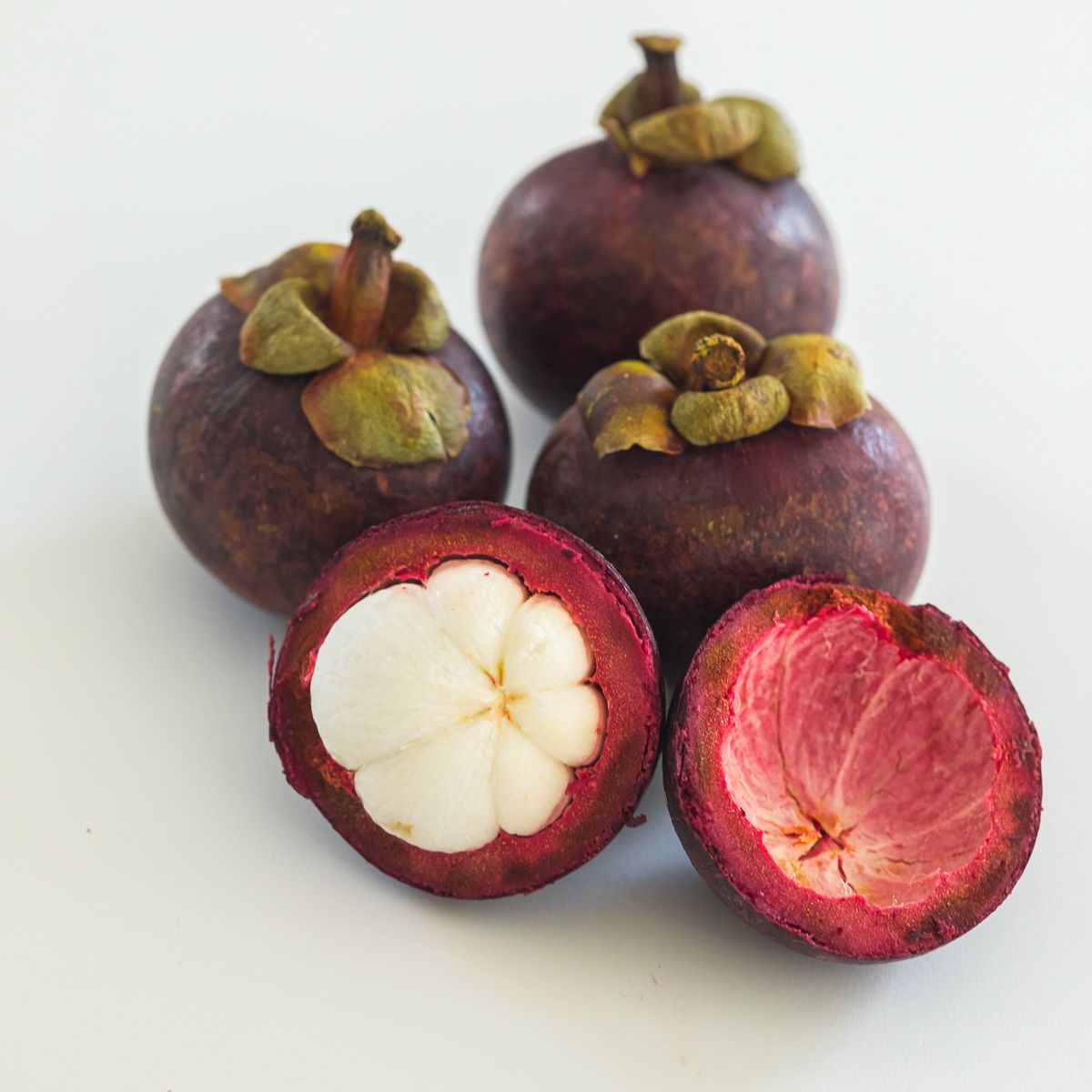
Mangosteen’s thick skin protects the flesh, but once harvested, the fruit stops receiving nutrients. The rind can become tough and brittle, making it hard to open and indicating that the inside may be drying out. The juicy segments inside are sensitive to bacteria and mold, especially if the skin is cracked or damaged.
Common Signs Of Spoilage
- Hard, brittle rind that is difficult to press with your thumb
- Brown or yellow spots on the skin
- Dry or mushy flesh instead of plump, juicy segments
- Sour or fermented smell
If you notice these signs, the fruit is likely past its best and may not be safe to eat.
Selecting The Best Mangosteen For Storage
Proper storage begins with choosing high-quality mangosteen. Poor quality fruit will not last, no matter how carefully you store it.
What To Look For
- Firm but gentle skin: The rind should give slightly when you press it.
- Deep purple color: Avoid fruits with green or yellow patches.
- No cracks or holes: Damaged skin lets in bacteria.
- Bright green stem: A fresh stem means the fruit was recently picked.
What To Avoid
- Overly hard or dry skin
- Fruits that feel unusually light (may be dry inside)
- Mold, bruises, or sticky areas
Take a few minutes to check each fruit before buying. A little extra effort here means less waste later.
How To Store Mangosteen At Room Temperature
Storing mangosteen at room temperature works well for short-term needs, but it’s not ideal for long-term storage. If you plan to eat your mangosteen within a few days, this method is simple and effective.
Best Practices
- Keep in a cool, dry place: Avoid direct sunlight and high humidity.
- Spread fruits in a single layer: Don’t stack them; pressure can damage the rind.
- Allow airflow: Use a basket or tray with holes, not a plastic bag.
- Check daily: Inspect for signs of spoilage.
Expected Shelf Life
At room temperature (20–25°C or 68–77°F), fresh mangosteen usually lasts 2–5 days. The exact time depends on how ripe the fruit was when picked and local climate conditions.
Tips For Room Temperature Storage
- Place a paper towel under the fruits to absorb excess moisture.
- Keep away from bananas or apples; these release ethylene gas that speeds up ripening and spoilage.
- If you live in a humid area, room temperature storage may not be suitable. Move to refrigeration for better results.
How To Store Mangosteen In The Refrigerator
Refrigeration extends mangosteen’s life by slowing down the ripening and preventing mold. This method works well if you want to keep the fruit fresh for up to two weeks.
The Right Way To Refrigerate Mangosteen
- Clean gently: Wipe the fruit with a dry cloth to remove dirt. Do not wash, as moisture encourages mold.
- Wrap in paper towels: This helps absorb moisture.
- Place in a ventilated container or perforated bag: Never use a sealed plastic bag.
- Store in the crisper drawer: This area maintains higher humidity and steady temperature.
Ideal Temperature
The best temperature for storing mangosteen is 10–13°C (50–55°F). Standard refrigerators are colder, so keep the fruit away from the back wall to avoid chilling injury.
How Long Will It Last?
When refrigerated properly, mangosteen can stay fresh for up to 14 days. However, flavor and texture are best if eaten within the first week.
Signs Of Chilling Injury
If mangosteen is kept too cold (below 8°C or 46°F), you may notice:
- Darkened rind
- Water-soaked spots
- Loss of flavor
If you see these signs, the fruit has been damaged by cold.
Simple Storage Comparison
Here is a quick comparison between room temperature and refrigerator storage:
| Storage Method | Temperature | Expected Shelf Life | Key Risks |
|---|---|---|---|
| Room Temperature | 20–25°C (68–77°F) | 2–5 days | Rapid spoilage, mold, drying |
| Refrigerator | 10–13°C (50–55°F) | 7–14 days | Chilling injury if too cold |
Credit: www.knowyourproduce.com
How To Store Cut Or Peeled Mangosteen
Once you cut or peel mangosteen, the fruit becomes much more vulnerable to bacteria and drying out. You need to act quickly to save the freshness.
Steps For Storing Cut Mangosteen
- Remove seeds if you plan to eat soon, but keep segments together if storing.
- Place in an airtight container: This prevents odors from the fridge getting in and stops moisture loss.
- Refrigerate immediately: Do not leave out for more than 30 minutes.
- Eat within 24 hours for best taste.
Can You Freeze Cut Mangosteen?
Freezing is possible, but it changes the texture. The segments become soft and watery after thawing. Use frozen mangosteen for smoothies, desserts, or cooking—not for eating fresh.
Freezing Steps
- Place peeled segments on a tray, freeze until solid, then transfer to a freezer-safe bag.
- Label with the date.
- Use within 2–3 months for best quality.
Avoiding Common Mistakes
- Never freeze whole mangosteen; the rind cracks and the fruit gets mushy.
- Don’t store cut mangosteen at room temperature; it spoils within hours.
Can You Freeze Whole Mangosteen?
Many people ask if they can freeze whole mangosteen to keep it fresh longer. The answer is: it’s not recommended for eating fresh. Here’s why.
What Happens When You Freeze Whole Mangosteen
- The rind cracks due to expansion of the juice inside.
- The flesh turns mushy after thawing.
- Flavor loss is common.
When To Freeze Whole Mangosteen
If you plan to use the fruit for jams, sauces, or smoothies, freezing is an option. For best results:
- Wash and dry mangosteen thoroughly.
- Wrap each fruit in paper towel.
- Place in a freezer bag with air removed.
Shelf Life In The Freezer
Frozen mangosteen can last up to 3 months, but is best used within 6 weeks. After thawing, expect the texture to be soft and the taste slightly weaker.
Storing Mangosteen For Long-term Use
If you want to store mangosteen for several months, consider methods like drying or making preserves.
Drying Mangosteen
Drying mangosteen slices removes moisture and helps prevent spoilage. The dried fruit can be used in teas, snacks, or baking.
How To Dry Mangosteen
- Peel and slice the fruit into thin pieces.
- Place slices on a baking sheet in a single layer.
- Dry in a food dehydrator or oven at low heat (50–60°C or 122–140°F) for 8–12 hours.
- Store dried slices in an airtight jar away from light.
Properly dried mangosteen can last up to 6 months.
Making Mangosteen Preserves
Mangosteen can be cooked with sugar to make jams or preserves. The sugar acts as a natural preservative, allowing you to enjoy the fruit’s flavor long after the season ends. Store in sterilized glass jars in a cool, dark place.
Storing Mangosteen In Different Climates
Your local climate affects how you store mangosteen. What works in a cool, dry city may fail in a tropical or humid environment.
Tropical Or Humid Climates
- Room temperature storage is risky due to high moisture.
- Use the refrigerator as soon as possible.
- Check for mold daily.
Dry Or Cool Climates
- Room temperature storage is more reliable for a few days.
- Rind may harden quickly; eat soon after buying.
Traveling With Mangosteen
If you need to transport mangosteen, protect it from bumps and heat.
- Wrap fruits individually in paper.
- Use a sturdy container with soft padding.
- Keep out of direct sunlight during transport.
Credit: www.knowyourproduce.com
Mangosteen Storage For Commercial Purposes
If you manage a fruit shop, restaurant, or export business, mangosteen storage becomes even more critical. Large batches increase the risk of spoilage.
Key Commercial Storage Points
- Store mangosteen in ventilated crates, not sealed boxes.
- Maintain storage rooms at 10–13°C (50–55°F) with 85–90% humidity.
- Rotate stock to use older fruit first.
- Check daily for damaged or spoiled fruit and remove immediately.
How Commercial Storage Differs From Home Storage
| Factor | Home Storage | Commercial Storage |
|---|---|---|
| Volume | Small batches (1–10 kg) | Large batches (50+ kg) |
| Storage Equipment | Fridge or countertop | Cold rooms, ventilated crates |
| Monitoring | Visual check daily | Temperature/humidity sensors |
| Spoilage Risk | Low to moderate | High if not managed |
Commercial storage requires more precise control and regular monitoring to avoid major losses.
Factors That Affect Mangosteen Shelf Life
Several key factors influence how long your mangosteen stays fresh. Understanding these helps you make better storage choices.
1. Ripeness At Purchase
Ripe mangosteen should be eaten soon. Less ripe fruit can last longer in storage, but may not taste as sweet.
2. Handling
Rough handling causes bruises, cracks, and quick spoilage. Always handle mangosteen gently.
3. Temperature Fluctuations
Constant changes between warm and cold weaken the rind and speed up spoilage. Avoid moving fruit between fridge and room unless necessary.
4. Humidity
Too much humidity causes mold, while too little dries out the rind and flesh. Aim for moderate levels.
5. Airflow
Good airflow prevents moisture buildup and mold, but too much wind can dry the fruit. Use ventilated containers.
6. Ethylene Exposure
Fruits like bananas, apples, and tomatoes release ethylene gas. This speeds up mangosteen ripening and shortens shelf life. Store mangosteen away from these fruits.
Common Mistakes When Storing Mangosteen
Even experienced fruit lovers make mistakes with mangosteen. Avoid these errors to keep your fruit fresh longer.
Storing In Sealed Plastic Bags
Mangosteen needs to breathe. Sealed plastic bags trap moisture and cause mold.
Washing Before Storage
Extra moisture on the rind leads to faster spoilage. Only wash mangosteen right before eating.
Overcrowding
Stacking mangosteen can crush the rind, causing bruises and spoilage. Always spread fruits in a single layer.
Ignoring Daily Checks
Mangosteen can go from perfect to spoiled in just one day. Check your fruit daily, especially if stored at room temperature.
Storing Near Strong Odors
Mangosteen easily absorbs smells from garlic, onions, or strong cheeses. Store away from pungent foods.
Expert Tips For Maximizing Mangosteen Freshness
Over time, fruit sellers and home cooks have learned a few tricks that go beyond basic storage rules.
1. Use Activated Charcoal
Placing a small piece of activated charcoal in the storage container can help absorb excess moisture and odors, keeping mangosteen fresher.
2. Rotate Your Stock
If you buy mangosteen in batches, always eat the oldest fruits first. This simple habit reduces waste.
3. Avoid Direct Touch With Metal
Store mangosteen in glass, ceramic, or food-safe plastic containers. Direct contact with metal can sometimes affect flavor, especially if storing cut segments.
4. Open The Rind Carefully
When opening mangosteen, avoid squeezing too hard. Too much pressure can crush the soft segments inside, making them spoil faster.
5. Keep A Storage Journal
For those serious about fruit storage, keep a small notebook. Note the purchase date, storage method, and how long the fruit lasted. Over time, you’ll learn what works best in your climate and kitchen.

Credit: www.faskitchen.com
Storage Myths And Lesser-known Insights
There is a lot of misinformation about how to store mangosteen. Let’s clear up a few common myths and share insights even some enthusiasts miss.
Myth: Mangosteen Lasts Weeks At Room Temperature
Reality: Even in ideal conditions, mangosteen rarely lasts more than five days at room temperature. Claims of longer shelf life usually involve refrigeration or preservatives.
Myth: Refrigeration Always Preserves Flavor
Reality: If mangosteen is kept too cold, the rind can develop dark spots and the flavor weakens. Always use the crisper drawer or a slightly warmer part of the fridge.
Insight: Stem Color Reveals Freshness
A bright green stem means the fruit was picked recently. If the stem turns brown or black, the fruit is aging and should be eaten soon.
Insight: Use Scent To Judge Ripeness
Fresh mangosteen has a subtle, sweet aroma. If the fruit smells sour or has no scent, it may be overripe or old.
Myth: Freezing Mangosteen Keeps It Fresh Like New
Reality: Freezing changes the texture and flavor. Use frozen mangosteen for recipes, not fresh eating.
Benefits Of Proper Mangosteen Storage
Why go through all this effort? Storing mangosteen correctly is worth it for several reasons:
- Maximizes shelf life: Less fruit wasted, more value for your money.
- Preserves nutrients: Vitamin C and antioxidants degrade with poor storage.
- Maintains taste and texture: Enjoy the unique, juicy flavor as it should be.
- Reduces risk of foodborne illness: Proper storage prevents mold and harmful bacteria.
Proper storage is not just about saving fruit—it’s about enjoying mangosteen at its best.
Frequently Asked Questions
How Can I Tell If Mangosteen Is Still Good To Eat?
Check the rind: It should be slightly soft when pressed. The segments inside should be plump and white, not dry or brown. If there’s a sour smell or mold, the fruit is spoiled.
Is It Safe To Eat Mangosteen With A Hard Rind?
A hard rind means the fruit is old, and the inside may be dry or less flavorful. It’s safe to eat if the segments look fresh and white, but usually, the taste and texture are not as good.
Can I Store Mangosteen With Other Fruits?
Avoid storing mangosteen near fruits that release ethylene gas—like bananas, apples, and avocados. Ethylene speeds up ripening and leads to faster spoilage.
Why Does My Refrigerated Mangosteen Develop Dark Spots?
Dark spots are a sign of chilling injury, which happens if the fruit is kept too cold (below 8°C/46°F). Store mangosteen in the crisper drawer or a warmer part of the fridge for better results.
Where Can I Learn More About Mangosteen Handling And Research?
You can read more about mangosteen and postharvest handling from the Wikipedia entry on mangosteen, which provides detailed background and links to research.
Storing mangosteen may seem complicated at first, but a little knowledge goes a long way. With the right methods, you can enjoy this royal fruit at its peak, whether you live in the tropics or far away from its native home. Remember: freshness starts from choosing good fruit, and careful storage keeps the magic alive. Treat your mangosteen well, and you’ll taste the reward in every bite.