
Storing milk kefir grains the right way is a simple but important skill for anyone who enjoys homemade probiotic drinks. Many people start making kefir and quickly fall in love with its unique taste and health benefits. But life can get busy—maybe you’re going on vacation, taking a break, or just made more kefir than you can use. What do you do with your precious milk kefir grains? If you store them incorrectly, they can die or lose their power to ferment milk. If you store them well, they’ll stay strong and healthy, ready to make kefir again when you need them.
This article guides you step-by-step through the best ways to store milk kefir grains for short and long periods. You’ll learn how to keep your grains active, what mistakes to avoid, and how to bring them back to life after storage.
Even if you’re new to kefir, you’ll find clear instructions, practical tips, and answers to common questions. Let’s make sure your kefir grains stay healthy and productive, no matter how long you need to store them.
Understanding Milk Kefir Grains
Before learning how to store them, it helps to know what milk kefir grains are. These are not grains like wheat or rice. Milk kefir grains are small, jelly-like clusters made from proteins, lipids, and living microorganisms. They contain a mix of lactic acid bacteria and yeasts that turn milk into kefir. When you add them to milk, they feed on the lactose (milk sugar) and multiply.
A healthy batch of grains grows slowly and keeps making kefir for years. But these living cultures need care. They need food, the right temperature, and clean conditions. If you store them without understanding their needs, they can get weak or stop working.
Why Proper Storage Matters
Kefir grains are tough but not indestructible. When stored the wrong way, they can lose their ability to ferment or even die. This means you’ll have to start over with new grains. Proper storage helps you:
- Pause fermentation if you have too much kefir
- Take breaks for travel or busy periods
- Share grains with others or mail them safely
- Save backup grains in case of accidents
People often don’t realize that short-term and long-term storage are different. Short-term methods keep grains active but slow their growth. Long-term methods put them into a kind of “sleep” until you’re ready to use them again.
Preparing Kefir Grains For Storage
Clean, healthy grains last longer in storage. Never store grains that look or smell bad. Here’s what to do before storing:
- Rinse the grains gently with fresh, cold, non-chlorinated water (filtered or bottled water is best). This removes old milk residues and extra yeast or bacteria.
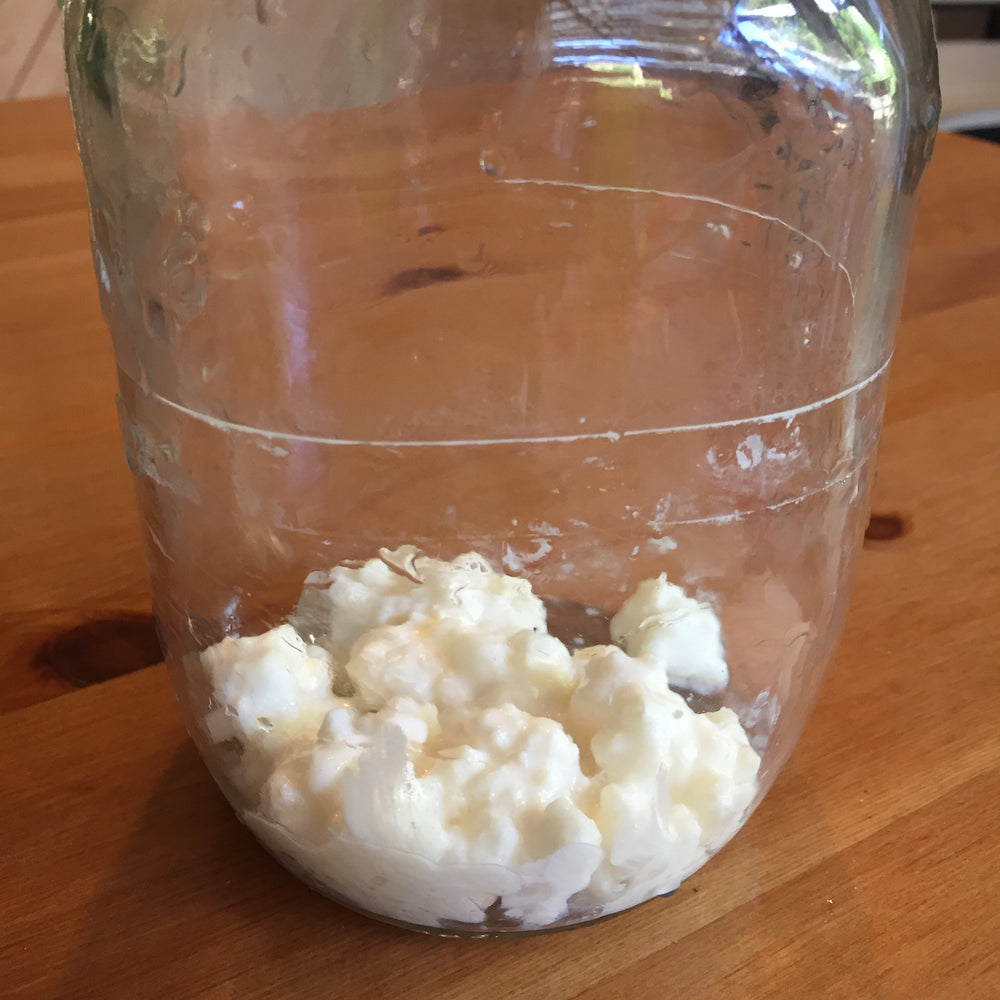
- Check the grains for odd smells, colors, or mushy texture. Healthy grains are creamy-white to yellowish, rubbery, and smell slightly sour but not rotten.
- Dry with a paper towel or let them air-dry for a few minutes after rinsing. Don’t use soap or harsh chemicals.
- Use clean containers. Wash storage jars or bags with hot water and soap, then rinse well.
A common mistake is using tap water with chlorine, which can kill your grains. Another is leaving grains in old milk for many days—this can lead to yeast overgrowth and off flavors.
Storing Milk Kefir Grains Short-term (up To 3 Weeks)
You can store milk kefir grains in the fridge for up to three weeks. This is the best method if you just need a break from fermenting. The cold slows their activity but doesn’t stop it.
Steps For Short-term Storage
- Add grains to fresh milk: Use enough milk to cover the grains well. For 1 tablespoon of grains, use at least 1 cup (250 ml) of milk.
- Place in a jar: Use a glass jar with a loose lid or cover with a clean cloth and rubber band. Kefir grains need to breathe a little.
- Store in the fridge: The temperature should be between 2-8°C (36-46°F). The cold slows fermentation almost to a stop.
- Change milk weekly: For best results, pour off old milk and add fresh milk every 7 days, even if you’re not using the grains. This keeps them fed and avoids spoilage.
Pros And Cons
| Short-Term Storage | Advantages | Disadvantages |
|---|---|---|
| Refrigerator in Milk | – Simple – Grains stay active – Fast recovery | – Milk may spoil after 1-2 weeks – Needs milk changes – Not for long breaks |
Many people forget to change the milk weekly. If you skip this, the grains may starve or get too acidic, making them weaker when you return.
Storing Milk Kefir Grains Long-term (more Than 3 Weeks)
If you need to store grains for a month or longer, short-term methods won’t work. You need to slow or stop all activity so grains “sleep” and don’t run out of food.
Option 1: Storing In The Fridge With Extra Milk
For up to 2-3 months, you can use more milk and less frequent changes.
- Rinse grains and dry as before.
- Add grains to a jar with more milk—use at least 2 cups (500 ml) per tablespoon of grains.
- Seal jar tightly to limit air and contamination.
- Store in the fridge as cold as possible without freezing.
- Change milk every 2-3 weeks if possible.
This method works for moderate breaks but not for very long storage.
Option 2: Freezing Milk Kefir Grains
Freezing is the best way to store grains for several months or up to a year. Freezing puts the grains completely to sleep.
How To Freeze Kefir Grains
- Rinse grains gently and pat dry.
- Spread grains on parchment paper or a clean plate for 1-2 hours to air-dry.
- Place grains in a freezer bag or airtight container. If you like, add a little powdered milk to coat the grains—this protects them from freezer burn.
- Label and date the bag.
- Store in the freezer (below -18°C/0°F).
Thawing And Reviving Frozen Grains
When ready to use:
- Remove from freezer and thaw in the fridge for a few hours.
- Soak grains in a little milk at room temperature for 24 hours. Discard the first batch of milk.
- Repeat with fresh milk. It may take 2-4 cycles before grains are fully active and making normal kefir again.
Key insight: Freezing may slightly reduce grain activity, but most grains recover with proper care.
Option 3: Drying (dehydrating) Kefir Grains
Drying is good for mailing grains or keeping a backup for a year or more. Dehydrated grains are very stable.
How To Dry Kefir Grains
- Rinse grains and pat dry.
- Spread grains on parchment paper in a well-ventilated, cool area—avoid direct sunlight and heat.
- Let grains air-dry for 2-5 days until hard and yellowish.
- Store dried grains in a paper envelope or airtight container with a little powdered milk.
- Keep in the fridge or freezer.
Reviving Dried Grains
- Soak dried grains in milk at room temperature for 24 hours.
- Change milk daily until grains become plump and white again.
- It can take 5-7 days for grains to fully recover.
| Long-Term Storage Method | How Long | Best For | Revival Time |
|---|---|---|---|
| Refrigerator with Extra Milk | 2-3 months | Moderate breaks | 1-2 days |
| Freezing | 6-12 months | Vacations, backup storage | 2-4 days |
| Drying | 12+ months | Mailing, emergencies | 5-7 days |
Advanced tip: Dried grains are more sensitive to moisture and heat. Store them in a dark, cool place, and avoid exposing them to air until you’re ready to use.
Storing Kefir Grains For Mailing Or Sharing
If you want to give kefir grains to a friend or mail them, drying is usually the best method. Dried grains don’t spoil in the mail and are less likely to get crushed. Pack them in a small envelope with instructions for revival.
You can also send fresh grains in a little milk inside a leak-proof bag, but they must arrive within 2-3 days and be kept cold. Always tell the receiver how to revive the grains.
Common Mistakes When Storing Kefir Grains
Even experienced kefir makers sometimes make mistakes. Here are some of the most common, and how to avoid them:
- Storing grains in water instead of milk. Water doesn’t feed the grains, and they quickly lose power.
- Forgetting grains in the fridge for months without changing milk. Grains become slimy, weak, or die.
- Using chlorinated water to rinse grains, which can harm the microbes.
- Freezing grains wet without drying or using powdered milk—this can cause ice damage.
- Drying grains in the oven or direct sun, which kills the cultures.
- Storing in dirty containers, leading to mold or contamination.
- Not labeling storage containers, so you forget storage dates or methods.
A simple checklist:
- Always use milk, never water, for storage.
- Change milk as recommended.
- Keep grains cold but not frozen (unless long-term).
- Use clean tools and containers.
How To Revive Kefir Grains After Storage
After a break, grains may need time to get back to full strength. Here’s how to bring them back:
- Rinse and soak grains in fresh milk at room temperature for 24 hours.
- Discard the first milk batch—it may taste odd.
- Repeat with new milk every 24 hours until kefir starts to set normally (usually 2-7 days, depending on storage method).
- Taste and smell the kefir—it should be tart, creamy, and not yeasty or off.
If grains don’t recover after 7-10 days, they may have died during storage. Sometimes they need more time, especially after freezing or drying.
Pro tip: A pinch of sugar in the first milk batch can help grains wake up faster.

Credit: www.youtube.com
How To Store Kefir Grains For Maximum Backup Security
Some kefir makers keep a “grain bank”—extra grains stored in different ways, just in case. You might:
- Keep one batch in the fridge (with weekly milk changes)
- Freeze a second batch for emergencies
- Dry a third batch to mail or as a long-term backup
This way, you’re protected if you lose your main grains to contamination or other problems.
| Storage Strategy | Risk Level | Backup Method |
|---|---|---|
| Single batch, short-term fridge | High | None |
| Two batches, fridge + freezer | Medium | Freezing |
| Three batches, fridge + freezer + dried | Low | Freezing and drying |
Non-obvious insight: Grains stored in different ways may recover at different speeds. Always revive backup grains a week before you need them.
Practical Tips For Healthy Kefir Grains
- Use whole milk for storage and revival. Skim milk works, but grains prefer more fat and nutrients.
- Avoid metal containers for storage. Stainless steel is usually safe for short-term use, but glass is best.
- Don’t use flavored or ultra-high-temperature (UHT) milk. These can damage the grains.
- Keep storage containers out of direct sunlight.
- Don’t overfill jars—leave some air space for gases to escape.
When storing for long periods, write down the storage date and method. If you share grains, give clear instructions for caring and reviving them.
Credit: www.yemoos.com
Signs Of Healthy And Unhealthy Grains
It’s important to recognize if your grains survived storage.
Healthy grains:
- Creamy white or yellow color
- Bouncy, rubbery texture
- Fresh, sour smell
Unhealthy grains:
- Slimy or mushy
- Bad, rotten, or yeasty smell
- Pink, orange, or black spots (signs of mold)
If you see mold, discard all grains and clean containers well.
Troubleshooting Storage Problems
If your grains are not making kefir as before:
- Too thin kefir: Grains may be weak; repeat revival steps.
- Off smell or taste: Discard the first few batches after storage.
- No fermentation: Try a different milk, increase room temperature, or use a pinch of sugar.
Sometimes, grains just need time. Be patient and keep changing the milk daily until you see bubbles and thickening.
Milk Kefir Grain Storage: The Science
Milk kefir grains are a symbiotic culture—a mix of many bacteria and yeasts living together. These microbes need food (lactose), moisture, and the right temperature to survive. Cold temperatures slow them down, but freezing or drying puts them into deep sleep. If you store grains well, most of the microbes survive and wake up again when given milk.
Scientific studies show that freezing and drying may reduce some bacteria and yeast, but most grains recover if revived gently. For more technical details, visit this Wikipedia kefir page.
Frequently Asked Questions
How Long Can Milk Kefir Grains Survive Without Milk?
Kefir grains should always be stored in milk, not water. Without milk, they quickly lose power. In milk, grains can survive in the fridge for up to three weeks with weekly milk changes. For longer storage, freezing or drying is needed.
Can I Store Kefir Grains In Water?
No, never store milk kefir grains in water. Water does not feed the grains, and they will weaken or die. Always store in fresh milk, or use drying or freezing for very long-term storage.
How Do I Know If My Kefir Grains Are Dead After Storage?
Dead grains usually become mushy, slimy, discolored, or smell rotten. They will not ferment milk even after several revival attempts. Healthy grains recover and make kefir within a week of revival.
Can I Use Plant-based Milk For Storing Or Reviving Grains?
No, real milk kefir grains need lactose, which is only in animal milk (cow, goat, sheep). Plant milks do not give grains the food they need. You can ferment plant milk after revival, but always revive and store grains in real milk.
What Is The Safest Way To Mail Kefir Grains?
The best way is to dry the grains, pack them in a paper envelope with some powdered milk, and mail in a padded envelope. Include instructions for revival. Fresh grains can be mailed in milk if they arrive within 2-3 days and are kept cold, but drying is safer.
Caring for milk kefir grains is easy with the right knowledge. By following these storage methods, you can keep your grains healthy, strong, and always ready for delicious kefir. Whether you take a short break or save grains for months, proper storage means never losing your culture.
If you treat your grains well, they will reward you for years to come.

Credit: www.youtube.com