
Storing mullein leaves the right way can make all the difference in their flavor, aroma, and healing power. Many people use mullein for herbal teas, tinctures, or even as a soothing smoke. But if the leaves are not stored correctly, they can lose their benefits, develop mold, or even become unsafe to use. Whether you just harvested mullein from your garden, collected it in the wild, or bought it from a market, understanding the best methods for storage is key. In this guide, you’ll discover every detail you need to keep your mullein leaves fresh, potent, and safe for months—sometimes even years.
Understanding Mullein Leaves
Mullein (Verbascum thapsus) is a tall, fuzzy-leaved plant found in many parts of the world. Its leaves are prized for their soft texture and are used in herbal medicine for coughs, respiratory problems, and skin issues. The leaves contain mucilage, saponins, and other compounds that give them their soothing properties.
Fresh mullein leaves contain up to 80% water, which makes them vulnerable to mold and decay. Drying and storing them properly is not just about convenience—it’s about safety and preserving their natural benefits.
One thing many beginners don’t realize is that mullein’s fuzzy hairs, which help the plant retain moisture in the wild, can actually make drying a bit slower if leaves are stacked or crowded. Also, the fine hairs can trap small insects or spores, so careful cleaning is important.
When handled correctly, mullein leaves maintain their gentle, earthy aroma and their signature soft, felt-like texture.
Why Proper Storage Matters
Storing mullein leaves the right way is more than just keeping them tidy. If left in a damp or warm place, they can quickly develop mold or lose their medicinal oils. Incorrect storage can also attract insects and rodents. When stored properly, mullein leaves can last up to two years while keeping much of their original color, scent, and effectiveness.
Two insights beginners often miss:
- Airflow is critical: Even after drying, leaves can reabsorb moisture from the air if not stored in a container with the right seal.
- Sunlight degrades mullein: Even dried leaves lose their quality faster if exposed to light.
Another point often overlooked is that improperly stored mullein can lose not just its potency, but also its safety. Moldy mullein, especially when used in teas or smoke, can irritate the lungs and actually do harm. So, proper storage is as much about safety as it is about quality.
Harvesting Mullein Leaves For Storage
How you harvest mullein leaves affects their shelf life and potency. Choose healthy, vibrant leaves from plants growing in clean, pesticide-free areas. The best time to harvest is late morning after the dew has dried but before the midday sun gets too hot.
Use clean scissors or garden shears to avoid damaging the plant or introducing bacteria.
Tips:
- Only pick the amount you can process and store within a few hours.
- Avoid leaves with brown spots, mold, or insect damage.
Foraging mullein in the wild requires extra care. Make sure you’re collecting from areas free of road runoff, animal waste, or pollution. Mullein is a “bioaccumulator,” meaning it can take up toxins from the soil, so clean growing conditions are essential.
For garden-grown mullein, regular checks for pests or disease help ensure you’re harvesting the healthiest leaves. Don’t harvest from young plants—leaves from mature, second-year plants are usually best, both in size and potency.
Preparing Mullein Leaves For Storage
Before you can store mullein leaves, proper preparation ensures they are clean, free of pests, and ready for drying.
- Gently shake off dirt and bugs: Mullein leaves are fuzzy and can trap debris.
- Rinse briefly under cool water: Avoid soaking, as too much water can increase drying time.
- Pat dry with a clean towel: Remove as much surface moisture as possible.
- Inspect for insects or damage: Discard any leaves that look unhealthy.
It’s important not to rush this process. If you find small insects, a soft brush can help remove them without damaging the leaf hairs. Don’t scrub or rub too hard, as this can bruise the leaves or remove the fine hairs that contain many of the plant’s beneficial compounds.
If you’re processing a large batch, lay the leaves out on a towel to let them air dry for 10–15 minutes after patting, which helps prevent any hidden moisture from causing problems during drying.
Drying Mullein Leaves: Essential First Step
Mullein leaves must be dried before long-term storage. Drying removes moisture, which prevents mold and preserves flavor, aroma, and medicinal qualities.
Air Drying
The most traditional method is air drying. Spread the leaves in a single layer on a clean, dry surface like a mesh screen, baking rack, or paper towel in a warm, ventilated area out of direct sunlight. Turn the leaves every day for even drying.
Pros: Preserves aroma and active compounds. Low cost.
Cons: Takes several days, risk of dust if not covered.
If you have a ceiling fan or a window that allows a gentle breeze, this can help speed up the process. Avoid drying in a garage or basement unless you’re sure the air is clean and there’s no risk of fumes or pests.
Some people use a fine mesh bag to hang small batches of leaves, which allows airflow but protects from dust.
Using A Dehydrator
A food dehydrator offers faster, more consistent results. Set the temperature to around 95°F (35°C) for mullein leaves. Drying usually takes 4-8 hours, depending on thickness and humidity.
Pros: Fast, even, reliable.
Cons: Requires equipment, uses electricity.
If your dehydrator doesn’t have a low setting, leave the door slightly open to avoid overheating. Check leaves after a few hours—thinner leaves may dry faster. Dehydrators are especially useful in humid climates where air drying can be slow and risky.
Oven Drying
If you don’t have a dehydrator, an oven can work in a pinch. Set the oven to its lowest temperature (usually around 170°F or 75°C). Place leaves on a baking sheet and prop the oven door open for airflow. Check every 20-30 minutes.
Pros: Quick.
Cons: Easy to over-dry or burn leaves. May lose some aroma.
Watch closely, as mullein’s soft texture can go from perfectly dry to brittle in a short time. If your oven has a convection setting, use it for more even drying, but reduce the temperature further if possible.
Comparing Drying Methods
Here’s a comparison of the three main drying methods:
| Method | Time Required | Preserves Aroma/Quality | Equipment Needed | Risk of Mold |
|---|---|---|---|---|
| Air Drying | 3-7 days | High | Low | Moderate |
| Dehydrator | 4-8 hours | Very High | Medium | Low |
| Oven | 2-4 hours | Medium | Medium | Low |
Don’t forget, drying times can vary with the weather. On rainy days, even indoor drying can take longer unless you use a machine.
How To Tell When Mullein Leaves Are Fully Dry
Dryness is essential before storage. Leaves should feel crisp and break easily when bent. If they are still flexible or cool to the touch, they need more drying.
Quick test: Place a few leaves in a sealed glass jar overnight. If you see condensation in the morning, leaves are not dry enough.
Another tip: If leaves feel “tough” but not brittle, they aren’t ready. Properly dried mullein is delicate and can crumble easily between your fingers. Don’t rush this step—if you store mullein too soon, you risk losing your entire batch to mold.
For large batches, test a few leaves from the middle of your drying pile, not just the top. Sometimes leaves in the center stay damp longer.
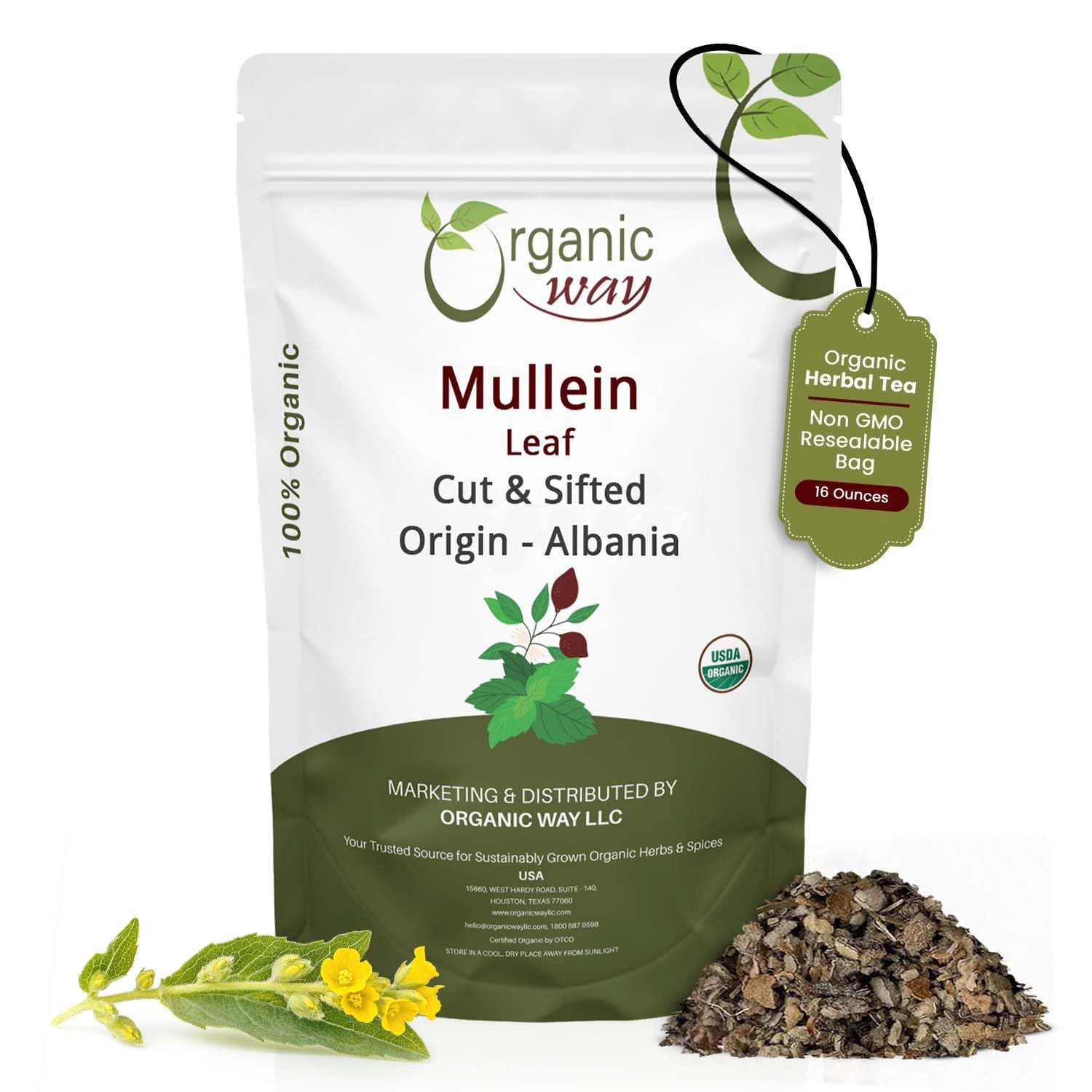
Credit: www.amazon.com
Choosing The Right Storage Container
Your choice of container affects shelf life, flavor, and safety.
Best Container Types
- Glass jars with tight-fitting lids: Mason jars are ideal. They are airtight, don’t react with herbs, and let you see the contents.
- Metal tins: Good if lined with food-safe material. They block light completely.
- Vacuum-sealed bags: Excellent for long-term storage. Remove almost all air.
- Food-grade plastic containers: Only use high-quality, odor-free plastic. Some plastics can leach chemicals or transfer odors.
Airtightness is key. Even a small gap can let in moisture or insects. Some people add a layer of parchment paper on top of the leaves before closing the jar, which helps absorb any stray moisture and keeps the leaves from sticking to the lid.
What To Avoid
- Thin plastic bags: These allow air and moisture to enter.
- Paper bags: Good for short-term, but not airtight.
- Clear containers in sunlight: Light speeds up the breakdown of herbal compounds.
Container Comparison
Here’s a simple comparison of common storage containers:
| Container Type | Airtight | Blocks Light | Best For |
|---|---|---|---|
| Glass Jars | Yes | No* | General storage |
| Metal Tins | Yes | Yes | Light-sensitive herbs |
| Vacuum Bags | Yes | No | Long-term, bulk storage |
| Plastic Containers | Yes | Varies | Short-term use |
*Note: Glass jars block moisture but not light. Store them in a dark place.
Labeling And Dating Your Mullein Leaves
Always label your containers with the type of herb, date of harvest, and date dried. This helps you track freshness and rotate your stock. Use waterproof labels or permanent markers so the writing does not fade.
If you store multiple herbs, color-coded labels or stickers can help you quickly identify different jars. For large batches, adding the source (garden, wild, market) can help you remember which leaves came from where, especially if you notice differences in aroma or strength later on.
Where To Store Mullein Leaves
The best place is a cool, dark, and dry location. A pantry, cupboard, or closet away from heat sources is ideal. Temperatures between 60-70°F (15-21°C) work well. Avoid kitchens or bathrooms, which can be humid.
Why it matters: Light and heat break down mullein’s active compounds. Humidity can cause mold, even in sealed containers.
Try to store jars on a middle shelf, not on the floor where they can get damp, or near the ceiling where heat rises. If you live in a very humid climate, consider adding a small moisture absorber (like a food-safe desiccant) nearby, but not touching the leaves.
How Long Mullein Leaves Last In Storage
If dried and stored correctly, mullein leaves keep their best quality for 1-2 years. After that, they may still be safe but less potent and flavorful.
Tip: Older leaves can still be used for compost or as a gentle mulch for garden plants.
A practical sign to watch for is fading aroma—if your leaves smell weak, they are probably past their prime. For medicinal use, always use the freshest leaves possible. For crafts or non-medicinal uses, older leaves may still work well.
Checking For Spoilage
Stored mullein leaves should be checked every few months. Look for:
- Mold or fuzzy spots: Discard immediately.
- Off smells: Fresh mullein has an earthy, pleasant scent. Sour or musty smells are a bad sign.
- Color changes: Faded or yellow leaves may have lost their potency, though not always unsafe.
If in doubt, throw it out. Mold or spoilage can lead to respiratory irritation or other health issues.
To check a large batch, stir the leaves gently with a clean spoon to expose hidden areas. Spoilage can sometimes hide in the middle of the jar, not just on top.
Mistakes To Avoid When Storing Mullein Leaves
- Not drying leaves fully: Even a little moisture can lead to mold.
- Using non-airtight containers: Air brings in moisture and insects.
- Storing in the kitchen: Frequent temperature and humidity changes.
- Forgetting to check stored leaves: Spoilage can happen quietly.
- Not labeling jars: Old leaves can be mistaken for fresh ones.
Another mistake is handling leaves with damp hands when opening containers. Always make sure your hands are dry to avoid introducing moisture. Also, avoid packing leaves too tightly in jars—air should be able to circulate a bit, which prevents hidden damp spots.

Credit: herbtobody.com
Advanced Storage: Freezing Mullein Leaves
Freezing is rarely used but can be helpful for long-term storage if you want to preserve flavor and active compounds. Place fully dried leaves in a freezer-safe, airtight bag. Squeeze out as much air as possible.
Pros: Preserves aroma and compounds for up to 2 years.
Cons: Freezer burn possible. Texture may change.
For best results, use a vacuum sealer. Label bags with the date, and remove only what you need at a time—repeated thawing and refreezing can cause condensation and loss of quality.
Using Desiccants For Extra Protection
Desiccant packets (like silica gel) absorb leftover moisture and can be added to containers for extra insurance. Make sure they are food-safe and do not touch the leaves directly.
Never use non-food grade desiccants, as they can release harmful chemicals.
Some herbalists prefer using a small pouch of dried rice or salt, wrapped in paper, as a natural moisture absorber. Replace desiccants every few months to keep them effective.
How To Store Fresh Mullein Leaves (short-term)
If you need to store fresh mullein leaves for a few days before drying, wrap them in a dry paper towel and place in a perforated plastic bag in the refrigerator. Use within 3-5 days.
Important: Do not wash before storing, as moisture speeds up decay.
Store the bag in a crisper drawer, away from fruits like apples or bananas that release ethylene gas, which can make herbs spoil faster. If leaves begin to wilt, use them as soon as possible or dry them right away.
Storing Mullein Leaf Powder
If you grind mullein leaves into powder, use the same airtight containers but store in the refrigerator or freezer for maximum freshness. Powdered herbs lose potency faster than whole leaves.
Bonus tip: Use smaller jars to reduce air exposure each time you open the container.
Try to grind leaves only as needed. Powdered mullein is more exposed to air and loses aroma quickly, so keep it in the cold and dark for best results.
Tips For Keeping Mullein Leaves Potent
- Store leaves whole, not crushed. Crushing releases oils and speeds up loss of potency.
- Open the container only when needed. Frequent opening lets in air and moisture.
- Keep away from strong-smelling herbs or spices, as mullein can absorb odors easily.
Another tip: If you have several jars, rotate them so you use the oldest batch first. This helps maintain freshness and avoids waste.
How To Use Stored Mullein Leaves
Properly stored mullein leaves can be used for:
- Herbal teas: For soothing coughs and respiratory issues.
- Tinctures and extracts: For concentrated remedies.
- Topical applications: As a poultice for skin.
- Incense or smoke: For traditional uses.
Always check leaves for spoilage before use.
To make tea, use about 1–2 teaspoons of dried leaves per cup of hot water. For tinctures, follow a trusted herbal recipe and always filter carefully, as mullein’s tiny hairs can irritate the throat if swallowed.
Real-world Example: Storing Mullein For Winter
Suppose you harvest 300 grams of mullein leaves in late summer. After drying, you’re left with about 80 grams. You place them in two mason jars, label them, and store them in your pantry. By following these steps, you’ll have enough for tea and remedies all winter—without worrying about mold or loss of potency.
Let’s say you plan to use your mullein for tea and a homemade cough syrup. Because you dried and stored the leaves properly, you notice the leaves stay greenish-grey and crumble easily when needed. When you open the jar in January, the pleasant, earthy smell is still there—a sign you stored them right.
If you had left the leaves damp or stored them in a plastic bag, you might instead find a musty smell or even spots of mold, and your winter remedies would be ruined.
Mullein Leaf Storage Compared To Other Herbs
Mullein is more delicate than some herbs like rosemary or thyme because of its high water content and fuzzy texture. Here’s a quick look:
| Herb | Drying Time | Ideal Container | Max Storage Time |
|---|---|---|---|
| Mullein | 3-7 days | Glass jar, tin | 2 years |
| Rosemary | 7-10 days | Glass jar | 3 years |
| Mint | 2-4 days | Glass jar | 1 year |
Unlike rosemary, mullein’s fine hairs mean it’s more likely to trap moisture, so extra attention to drying and airtight storage pays off. Mint, by comparison, dries quickly but loses aroma faster than mullein.
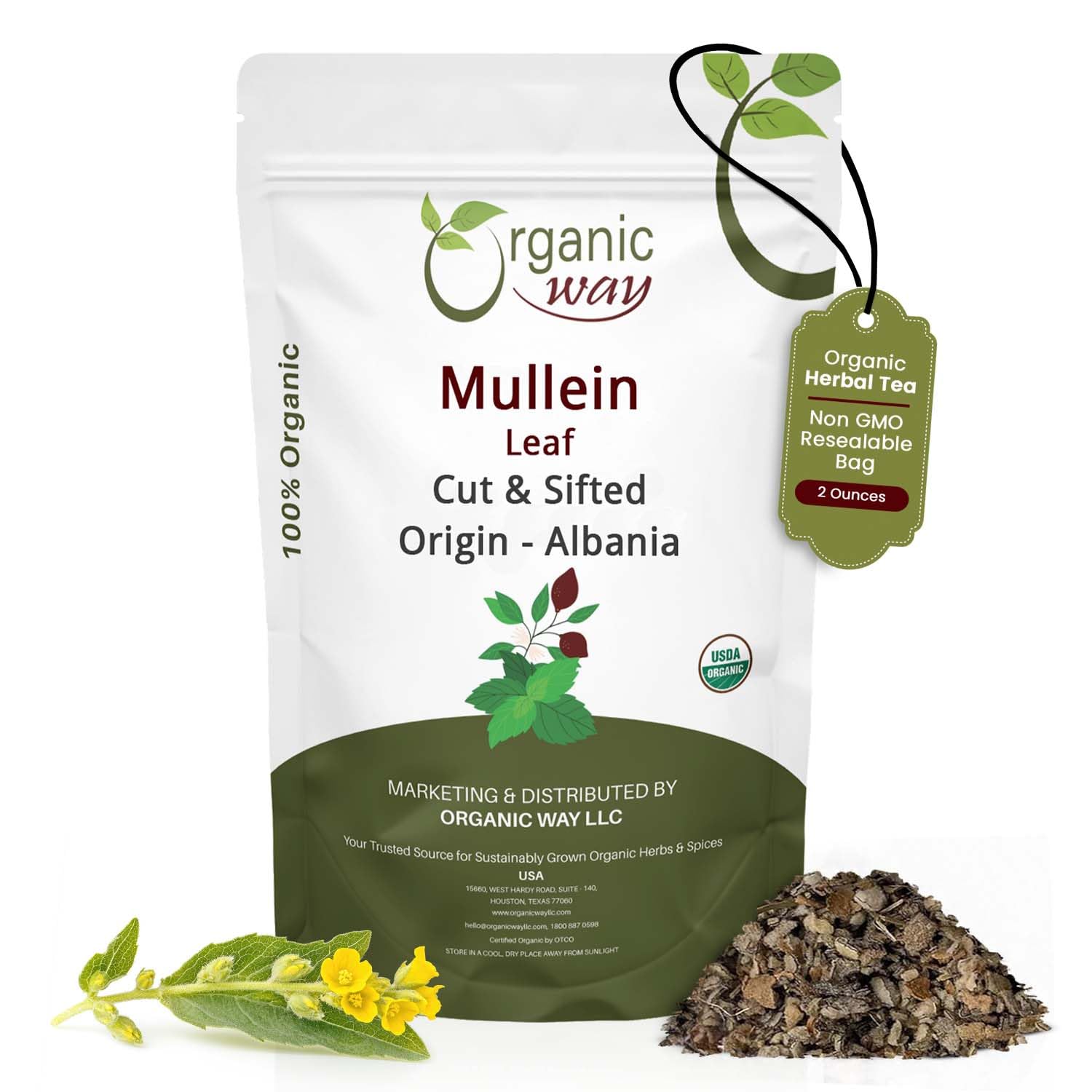
Credit: www.amazon.com
Sustainability And Safety
Harvesting mullein leaves responsibly protects both the plant population and your health. Never take more than 1/3 of leaves from a single plant, and always leave enough for the plant to thrive. Avoid harvesting from roadsides or polluted areas, as mullein can absorb heavy metals and toxins.
For further information, check resources like the Wikipedia page on Mullein.
If you grow mullein in your garden, consider letting a few plants flower and set seed to support pollinators and encourage more plants next year. Always respect wild populations—if in doubt, leave the plant alone.
Frequently Asked Questions
How Do I Know If My Mullein Leaves Are Stored Correctly?
Mullein leaves should remain crisp, with a natural earthy scent and green-grey color. If you see mold, moisture, or smell anything musty, storage conditions need improvement.
Check leaves every few months, especially in changing weather. If you find a problem in one jar, check all your containers.
Can I Store Mullein Leaves With Other Herbs?
It’s best to store mullein separately. Mullein is soft and absorbs odors easily, so keeping it in a dedicated jar prevents cross-contamination of flavors and aromas.
This is especially important if you use strong-smelling herbs like sage, oregano, or lavender, which can quickly overpower mullein.
What Is The Best Way To Store Mullein Leaves For Tea?
For tea, airtight glass jars kept in a dark, dry cupboard are ideal. This keeps the leaves dry and free from outside smells, preserving their taste and effect.
If you blend your tea, store the mix in a separate jar and use it within a few months for best flavor.
Is It Safe To Use Mullein Leaves If They Have Yellow Spots?
Yellow spots may mean the leaves are old or not dried properly. If there’s no mold or bad smell, they are usually safe but may have reduced potency. Always err on the side of caution—when in doubt, discard them.
If yellowing is widespread, review your drying and storage methods for next time.
Can I Use Plastic Bags For Long-term Mullein Storage?
Plastic bags are not recommended for long-term storage. They are not truly airtight and can let in moisture, leading to mold and loss of potency. Use glass jars or metal tins instead for best results.
If you must use plastic for transport, transfer the leaves to a better container as soon as possible.
Proper storage of mullein leaves is not just a step in herbal preparation—it is an essential skill that keeps your remedies powerful and safe. With the right methods, you’ll enjoy the unique benefits of mullein for a long time, knowing you’ve taken care to preserve its natural gifts.