
Freezing squash is a simple way to enjoy this healthy vegetable all year. Whether you have a garden full of squash or buy in bulk from the market, storing squash in the freezer helps prevent waste and saves money. But many people are unsure how to freeze squash correctly.
If you want to keep squash tasting fresh, with good texture and nutrition, you need to follow a few key steps. Let’s explore the best methods for freezing squash, common mistakes, and expert tips to make your frozen squash a success.
Why Freeze Squash?
Squash is a popular vegetable, loved for its mild flavor and versatility. Summer squash, like zucchini and yellow squash, have a high water content, which makes them spoil quickly at room temperature. Winter squash, including butternut and acorn, have harder skins and last longer, but they too will eventually go bad if not stored properly.
Freezing preserves squash at its peak. This means you can enjoy it in soups, casseroles, and stir-fries months later. Freezing also reduces food waste—a major global problem. According to the Food and Agriculture Organization, about one-third of all food produced is lost or wasted.
With freezing, you can do your part to reduce this number.
Types Of Squash: What Freezes Best?
Not all squash types freeze the same way. Understanding the difference helps you choose the right preparation method.
Summer Squash
Common varieties are zucchini, yellow crookneck, and pattypan. These have thin skins and lots of water. Their texture changes after freezing, so they are best for cooked dishes.
Winter Squash
Examples include butternut, acorn, spaghetti squash, and pumpkin. Their thick skins protect the flesh, and they freeze well, especially after cooking and mashing.
Comparison Of Squash Types For Freezing
| Type | Best Form for Freezing | Texture After Freezing |
|---|---|---|
| Zucchini | Sliced, grated, or blanched | Soft, good for soups |
| Yellow Squash | Sliced or blanched | Soft, not crisp |
| Butternut | Cubed, cooked, or mashed | Retains flavor, soft texture |
| Acorn | Cubed, cooked, or mashed | Retains flavor, soft texture |
| Spaghetti Squash | Cooked and shredded | Stringy, but good for baking |

Credit: savvygardening.com
Preparing Squash For The Freezer
Good preparation is the key to quality frozen squash. Here’s a step-by-step guide for both summer and winter varieties.
Step 1: Select Fresh Squash
Choose squash that is firm, unblemished, and ripe. Avoid overripe or damaged squash, as these do not freeze well and may affect flavor.
Step 2: Wash And Trim
Rinse squash under cool running water to remove dirt and bacteria. Cut off both ends and remove any spots or bruises.
Step 3: Cut To Desired Size
- Summer squash: Slice into rounds, cubes, or shred for recipes like bread or muffins.
- Winter squash: Peel, remove seeds, and cut into cubes. For spaghetti squash, cook and pull into strands.
Step 4: Blanching (essential For Summer Squash)
Blanching means briefly boiling the squash, then plunging it into ice water. This step is crucial for summer squash because it:
- Kills bacteria and enzymes that cause spoilage
- Helps preserve color, flavor, and nutrients
- Improves texture after freezing
How To Blanch Summer Squash
- Bring a large pot of water to a boil.
- Fill a bowl with ice water.
- Add squash pieces to boiling water (work in batches).
- Boil for 3 minutes (1-2 minutes for shredded squash).
- Remove quickly and place in ice water for 3 minutes.
- Drain well and pat dry.
Non-obvious insight: Skipping the blanching step often leads to mushy, discolored squash. Some beginners skip this to save time, but the results are disappointing.
Step 5: Dry Thoroughly
Use clean towels to remove as much water as possible. Extra water can cause ice crystals, leading to freezer burn.
Step 6: Pre-freeze (optional, But Helpful)
Lay squash pieces in a single layer on a baking sheet and freeze for 1-2 hours. This prevents them from sticking together in the bag.
Step 7: Package For Freezing
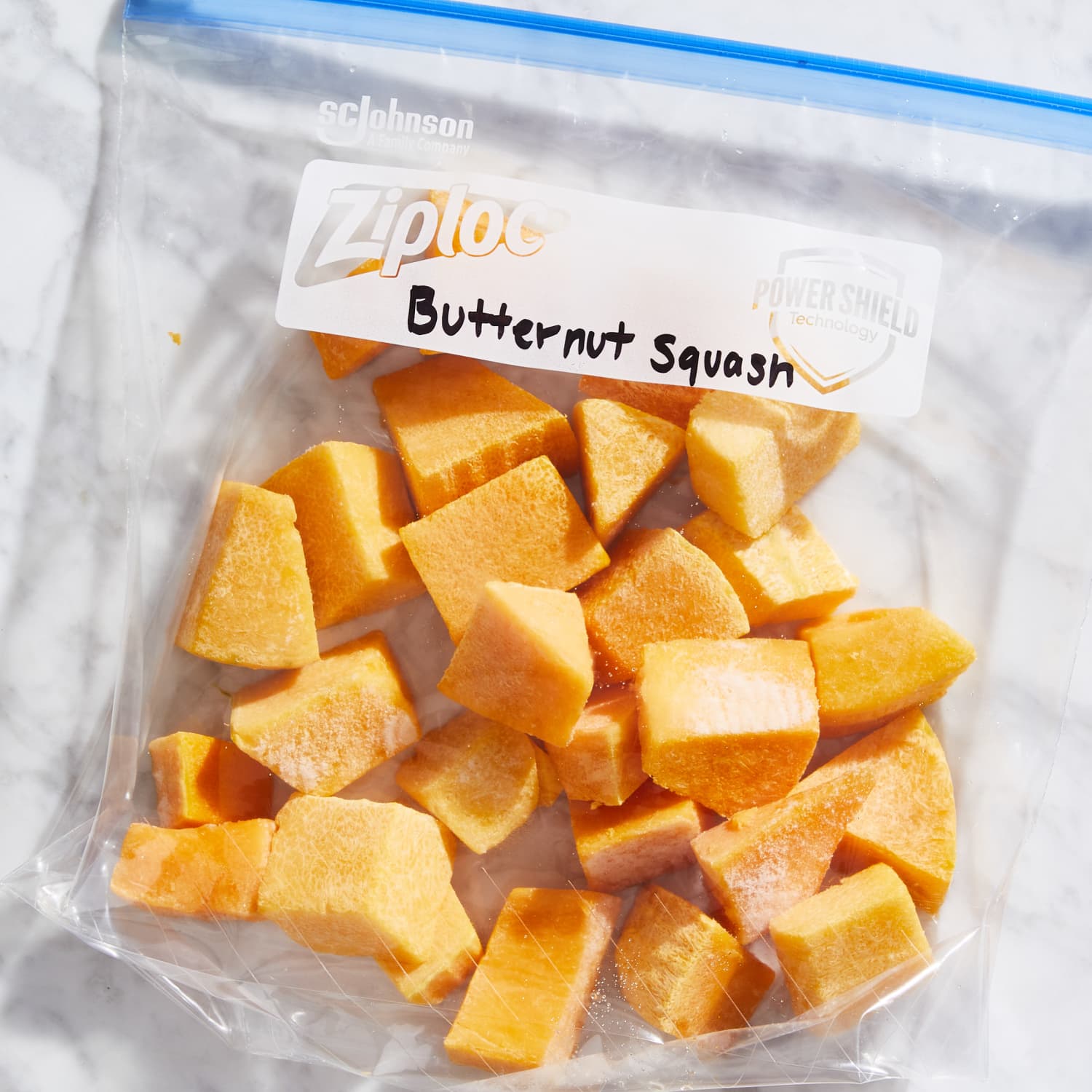
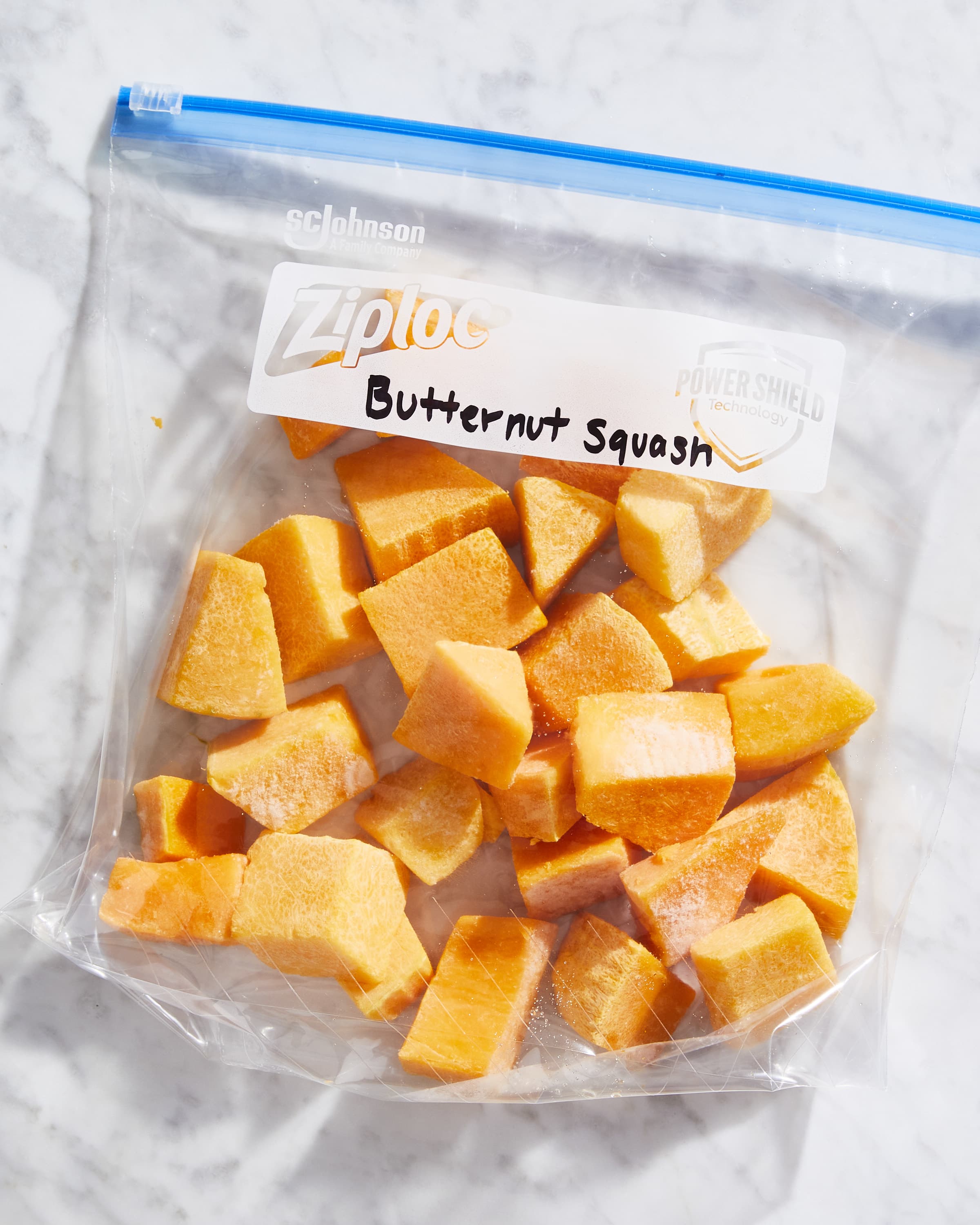
Use freezer-safe bags or containers. Remove as much air as possible to prevent freezer burn. Label with the date and type of squash.
Comparison: Freezer Bags Vs. Containers
| Packaging Type | Pros | Cons |
|---|---|---|
| Freezer Bags | Flexible, space-saving, easy to label | Can puncture, single-use plastic |
| Plastic Containers | Reusable, sturdy, stackable | Take more space, upfront cost |
| Vacuum-Sealed Bags | Best for long storage, prevents air exposure | Requires special equipment |
Step 8: Freeze Promptly
Place packaged squash in the coldest part of the freezer, usually the back. Try to keep the temperature at 0°F (-18°C) or lower.
Freezing Summer Squash: Detailed Methods
Sliced Squash
- Slice washed squash into ¼-inch thick rounds.
- Blanch as described above.
- Dry, pre-freeze if desired, then package and freeze.
Shredded Squash
- Shred using a box grater or food processor.
- Blanch for 1-2 minutes.
- Drain, squeeze out water with a clean towel.
- Portion into 1-cup amounts for baking recipes.
- Package, label, and freeze.
Non-obvious insight: Shredded squash is perfect for quick bread and muffins. Freezing in recipe-sized portions saves time later.
Cubed Squash
- Cut into small cubes (about ½ inch).
- Blanch for 3 minutes.
- Dry, package, and freeze.
Freezing Winter Squash: Step-by-step
Winter squash is best frozen after cooking. Raw winter squash can become grainy or watery in the freezer.
Cooked Cubes
- Peel and cut squash into 1-inch cubes.
- Steam or roast until just tender (not mushy).
- Cool quickly to room temperature.
- Spread on a baking sheet to pre-freeze (optional).
- Package and freeze.
Mashed Squash
- Cut squash in half, scoop out seeds.
- Roast or steam until soft.
- Scoop out flesh and mash until smooth.
- Cool, portion into containers or bags.
- Freeze.
Spaghetti Squash
- Roast or microwave the squash until tender.
- Cool slightly, use a fork to pull into strands.
- Drain excess water.
- Portion and freeze.
How Long Can You Store Squash In The Freezer?
Properly frozen squash can last 8 to 12 months. For best quality, use within 6-8 months. Over time, flavor and texture slowly decline, but squash remains safe to eat if kept frozen at 0°F (-18°C).
Average Shelf Life For Frozen Squash
| Squash Type | Form | Recommended Storage Time |
|---|---|---|
| Summer Squash | Sliced, shredded | 8-10 months |
| Winter Squash | Cubed, mashed | 10-12 months |
| Spaghetti Squash | Cooked strands | 8-10 months |
Thawing And Using Frozen Squash
How you use frozen squash depends on its type and your recipe.
Thawing Tips
- For soups and stews: Add frozen squash directly—no need to thaw.
- For baking (like muffins): Thaw shredded squash in the fridge overnight or under cold water.
- For stir-fries or sauté: Thaw and drain well to remove excess moisture.
Pro tip: Place thawed squash on a towel and press gently. This removes extra water and improves texture in recipes.
Cooking With Frozen Squash
Frozen squash works best in cooked dishes, such as:
- Soups and chowders
- Casseroles
- Sauces
- Stir-fries
- Baked goods (like zucchini bread)
Frozen squash is not ideal for salads or raw dishes, as it loses crispness.
Common Mistakes And How To Avoid Them
Many people make simple errors when freezing squash. Here’s how to avoid them:
- Skipping blanching: Leads to mushy, discolored squash. Always blanch summer squash.
- Not drying squash: Water on the surface causes ice crystals and mushy texture.
- Overcooking before freezing: Results in mushy squash. Steam or roast just until tender.
- Using old squash: Only freeze fresh, high-quality squash for best results.
- Not labeling bags: It’s easy to forget what’s inside. Always label with type and date.
- Packing warm squash: This raises freezer temperature and causes ice build-up. Always cool before freezing.
- Freezing raw winter squash: Texture can become unpleasant. Cook before freezing.
Best Practices For Freezing Squash
Following these tips ensures the best results:
- Use a timer when blanching for accuracy.
- Freeze squash in thin, flat bags for faster freezing and easier storage.
- Keep your freezer organized. Place newer bags behind older ones to use oldest first.
- For mashed squash, freeze in 1-cup portions—easy for recipes.
- Don’t overload your freezer with hot food. Freeze in batches if needed.
Storage Equipment You’ll Need
To store squash in the freezer, gather these items:
- Large pot for blanching
- Bowl with ice water
- Knife and cutting board
- Clean towels
- Freezer bags, containers, or vacuum sealer
- Permanent marker for labeling
Extra tip: Investing in a vacuum sealer helps prevent freezer burn and can extend storage time.
Nutritional Value: Does Freezing Affect Squash?
Freezing can slightly reduce some nutrients, especially vitamin C, but most vitamins, fiber, and minerals stay. Blanching helps keep the color and nutrition. Studies show that frozen vegetables, including squash, are often as healthy—or even healthier—than fresh ones stored for long periods. You can read more about this from the FDA.
Sustainable Freezing: Reduce Food Waste
Freezing squash is one way to fight food waste, but you can do more:
- Use reusable containers to cut down on plastic waste.
- Freeze squash in small portions to avoid thawing more than you need.
- Add squash peels or scraps to a compost bin, not the trash.
Recipes That Use Frozen Squash
When you freeze squash, you always have it ready for quick meals. Here are some ideas:
- Zucchini soup: Add frozen, sliced zucchini to simmering broth with onions and garlic.
- Squash casserole: Mix frozen squash with cheese, breadcrumbs, and herbs, then bake.
- Vegetable stir-fry: Sauté frozen squash with other vegetables and soy sauce.
- Pumpkin bread: Use mashed frozen pumpkin or butternut squash in place of fresh.
Try experimenting with your favorite recipes. Frozen squash adds nutrition and saves prep time.
Troubleshooting: What To Do If Something Goes Wrong
Even with care, problems can happen. Here’s what to do:
- Squash is watery after thawing: Squeeze out extra water before using, especially for baking.
- Off taste or smell: Discard. This means it was not fresh when frozen or freezer burn happened.
- Squash stuck together: Next time, pre-freeze pieces before packing.
- Freezer burn: Cut away affected parts, or use in soups where texture matters less.
Credit: www.thekitchn.com
Safety Considerations
- Always freeze squash within a few days of harvest or purchase.
- Do not refreeze thawed squash—this lowers quality and can be unsafe.
- If your freezer was off for more than 2 hours, check for ice crystals. If thawed, use immediately.
Kids And Freezing Squash: Get The Family Involved
Freezing squash can be a family activity:
- Let children help wash and slice (with supervision).
- Teach them about food storage and reducing waste.
- Use frozen squash to make simple recipes together.
Kids often eat more vegetables when they help prepare them.
Can You Freeze Squash Without Blanching?
Some people ask if you can skip blanching. Technically, yes, but the quality will be lower. Unblanched squash becomes soft, pale, and loses flavor. For the best results, always blanch summer squash before freezing. Winter squash should be cooked before freezing, so blanching is not needed.
How To Tell If Frozen Squash Has Gone Bad
Check for these signs:
- Frost or ice crystals: Some are normal, but thick layers mean freezer burn.
- Gray or brown spots: These show freezer burn or spoilage.
- Bad smell: Discard if it smells sour or musty.
- Slimy texture after thawing: Not safe to eat, throw it away.
Creative Ways To Use Extra Frozen Squash
If you have more frozen squash than you can use, try these ideas:
- Blend into smoothies for a nutrition boost.
- Add to pasta sauces for extra vegetables.
- Mix into omelets or scrambled eggs.
- Puree with broth for a creamy soup base.
- Use in homemade baby food (for older babies).
Storing Squash In The Freezer: Step-by-step Summary
To help you remember the process, here’s a quick summary:
- Choose fresh, ripe squash.
- Wash and trim.
- Cut as needed (slice, cube, or shred).
- Blanch summer squash; cook winter squash.
- Dry well.
- Pre-freeze pieces if possible.
- Pack in freezer-safe bags or containers, removing air.
- Label with type and date.
- Freeze promptly at 0°F (-18°C).
Credit: www.thekitchn.com
Frequently Asked Questions
How Do You Freeze Squash Without It Getting Mushy?
Blanching summer squash for the right amount of time and drying it well before freezing helps maintain its texture. For winter squash, cook just until tender (not soft), cool quickly, and dry before packaging. Pre-freezing squash pieces before bagging also prevents clumping and mushiness.
Can You Freeze Squash Raw?
You can freeze raw squash, but it’s not recommended. Without blanching or cooking, squash loses color, flavor, and texture. Summer squash should always be blanched first. Winter squash is best cooked before freezing.
What Is The Best Way To Thaw Frozen Squash?
For soups, stews, or casseroles, add frozen squash directly to the pot. For baking or sautéing, thaw in the refrigerator overnight or use the defrost setting on your microwave. Drain excess water before adding to recipes for better texture.
Does Freezing Squash Change Its Taste?
Freezing preserves most of the squash’s flavor, but some texture change is normal, especially for summer squash. Blanching and using high-quality squash before freezing helps keep the best taste. Frozen squash is best used in cooked dishes.
How Can You Prevent Freezer Burn On Squash?
Remove as much air as possible from bags or containers, use thick freezer-safe packaging, and keep your freezer at 0°F (-18°C) or lower. Label with the date and use older squash first. Vacuum sealing is the most effective way to prevent freezer burn.
Storing squash in the freezer is a smart way to save money, reduce waste, and keep healthy options ready for any meal. By following these steps, you can enjoy the taste of garden-fresh squash all year long.