
Can You Put Liquid Chlorine In A Hot Tub
Many hot tub owners wonder if they can use liquid chlorine to keep their water clean and safe. The answer is not as simple as yes or no. Using liquid chlorine in a hot tub involves understanding how it works, its effects on water chemistry, and possible risks. If you make the wrong choice, you could damage your hot tub, waste money, or even create unsafe water. This guide explains everything you need to know—from how liquid chlorine works, to safer alternatives, to real-life examples and expert tips. By the end, you’ll know exactly what to do and why.
What Is Liquid Chlorine?
Liquid chlorine, also called sodium hypochlorite, is a chemical used to disinfect water. It is common in swimming pools because it kills bacteria, viruses, and algae quickly. It comes in bottles or jugs, usually with a concentration of 10-12% chlorine. Unlike granular chlorine or chlorine tablets, liquid chlorine dissolves instantly and spreads throughout the water.
Most people use liquid chlorine in pools, but some consider it for hot tubs. The main reason is convenience—liquid chlorine is easy to measure and pour. However, it’s important to know that hot tubs and pools are not the same. Hot tubs have smaller water volume, higher temperatures, and different equipment.
How Chlorine Works In Water
Chlorine is a strong disinfectant. When you add it to water, it reacts and forms hypochlorous acid. This acid kills germs and breaks down organic matter. The effectiveness of chlorine depends on:
- Water temperature
- PH level
- Amount of chlorine added
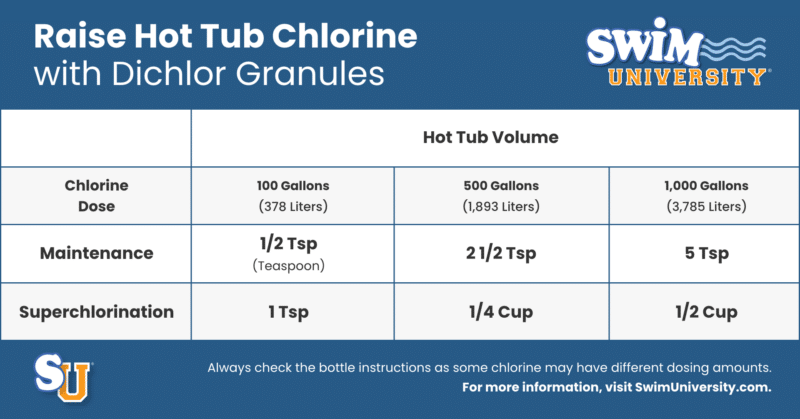
Hot tubs usually run at temperatures between 100°F to 104°F (38°C to 40°C). At these temperatures, chlorine breaks down faster than in cooler pool water. That means you need to add chlorine more often to keep the water safe.
Credit: www.swimuniversity.com
Comparing Liquid Chlorine Vs Other Sanitizers
Hot tub owners often use different sanitizers. Here’s a quick comparison:
| Sanitizer Type | Usage | Pros | Cons |
|---|---|---|---|
| Liquid Chlorine | Pools, rarely hot tubs | Easy to use, fast acting | High pH, breaks down fast in heat |
| Granular Chlorine | Pools and hot tubs | Stable, easy to measure | Can cloud water if not dissolved |
| Chlorine Tablets | Pools, sometimes hot tubs | Slow release, convenient | Can damage equipment if not used right |
| Bromine | Mostly hot tubs | Works better in hot water | More expensive, stronger odor |
As you can see, liquid chlorine is more popular in pools, while bromine is common in hot tubs. Granular chlorine is a middle option, but each has its own benefits and risks.
Can You Use Liquid Chlorine In A Hot Tub?
The short answer: Yes, you can add liquid chlorine to a hot tub, but you need to be careful. It is not the best choice for most hot tubs. Here’s why:
- High pH: Liquid chlorine has a pH of 11-13. Hot tub water should be between 7.2 and 7.8. Using liquid chlorine can raise the pH quickly, making the water uncomfortable and less effective at killing germs.
- Fast Breakdown: Chlorine breaks down much faster in hot water. You need to add more chlorine more often. This can make water chemistry hard to control.
- Damage to Equipment: Liquid chlorine is strong and can damage hot tub parts, such as seals, heaters, and pumps, if used incorrectly.
- Safety Risks: Overdosing can cause skin and eye irritation, strong odors, and even breathing problems.
How To Use Liquid Chlorine In A Hot Tub Safely
If you decide to use liquid chlorine, follow these steps:
Step 1: Test Water Chemistry
Before adding chlorine, test your water’s pH, alkalinity, and chlorine level. Use test strips or a digital tester. Ideal ranges:
- PH: 7.2–7.8
- Alkalinity: 80–120 ppm
- Chlorine: 3–5 ppm
Step 2: Calculate The Right Dose
Hot tubs hold less water than pools. Most hot tubs are 250–500 gallons (950–1900 liters). For a standard 350-gallon tub, start with:
- 1 ounce (30 ml) of 10% liquid chlorine per 350 gallons
Do not pour directly onto jets or metal parts. Slowly add chlorine while the pump is running.
Step 3: Wait And Retest
Let the pump circulate for at least 30 minutes. Retest chlorine levels. Aim for 3–5 ppm. If the level is too low, add more in small amounts.
Step 4: Balance Ph
Liquid chlorine raises pH. If your pH goes above 7.8, use a pH reducer (like sodium bisulfate) to bring it back down.
Step 5: Monitor Regularly
Test water at least 3 times per week. Adjust chlorine and pH as needed.
Risks And Problems With Liquid Chlorine In Hot Tubs
Using liquid chlorine in a hot tub is not without problems. Here are some issues you might face:
Rapid Chlorine Loss
Hot water speeds up chlorine breakdown. You may find that chlorine levels drop within hours. This means you need to add chlorine often, which can become expensive and time-consuming.
Unstable Water Chemistry
Liquid chlorine can make your pH swing up and down. This causes water to feel rough, irritate skin, and damage hot tub parts. If you don’t check and balance your water often, problems will build up fast.
Equipment Damage
High chlorine and pH can corrode metal parts, rubber seals, and even heaters. Over time, this leads to leaks, noisy pumps, or expensive repairs.
Health Concerns
Too much chlorine causes red eyes, dry skin, rashes, and strong odors. If chlorine is too low, bacteria and algae grow quickly, making water unsafe.
Alternatives To Liquid Chlorine
Most experts recommend other sanitizers for hot tubs. Here are the main options:
Bromine
Bromine works well in hot tubs because it is stable in hot water. It is less affected by pH changes and lasts longer. Bromine tablets or granules are easy to use. The downside is higher cost and a stronger smell.
Granular Chlorine
Granular chlorine (dichlor) is designed for hot tubs. It dissolves fast, doesn’t raise pH as much, and is easy to measure. It is safer for equipment and skin.
Saltwater Systems
Some hot tubs use saltwater systems. These turn salt into chlorine automatically. The water feels softer, and chlorine levels are stable. Saltwater systems cost more upfront but save money over time.
Ozone And Uv Systems
Advanced hot tubs use ozone generators or UV systems to kill germs. These reduce the need for chlorine or bromine. They are safer for skin but cost more and need professional installation.
Real-life Examples And Case Studies
Let’s look at what happens when people use liquid chlorine in hot tubs.
Example 1: Short-term Use
John, a hot tub owner, used liquid chlorine for two weeks. He noticed his pH rose above 8. 0 often. He had to add acid every two days. His water felt harsh and caused dry skin. After switching to bromine, his water was easier to control.
Example 2: Equipment Damage
Lisa tried liquid chlorine for a month. The rubber seals in her pump started to crack. Her heater showed signs of corrosion. The repair cost was $400. She learned that using the wrong sanitizer can be expensive.
Example 3: Safe Emergency Use
Mike’s hot tub ran out of bromine. He used liquid chlorine as a temporary fix. He measured carefully and kept the water balanced. After three days, he switched back to bromine. No damage occurred because he followed proper steps.
Common Mistakes When Using Liquid Chlorine
Many beginners make mistakes when using liquid chlorine. Here are the most frequent errors:
- Overdosing: Adding too much chlorine causes harsh water, strong odors, and skin irritation.
- Ignoring pH: Not checking pH leads to rough water, equipment damage, and poor sanitizing.
- Pouring onto jets: Direct contact with metal parts speeds up corrosion.
- Using pool chlorine: Pool chlorine is stronger and less suitable for hot tubs.
- Skipping tests: Without regular testing, water becomes unsafe or damaging.
How Often Should You Add Liquid Chlorine?
If you use liquid chlorine, you need to add it more often than other sanitizers. In most hot tubs:
- Add chlorine daily or every other day
- Test water before and after each addition
- Adjust dose based on usage, weather, and bathers
If your hot tub is used by many people, you may need to add chlorine after each session.
Cost Comparison: Liquid Chlorine Vs Other Sanitizers
Let’s compare the yearly cost of using liquid chlorine versus other options for a 350-gallon hot tub.
| Sanitizer | Average Yearly Cost | Maintenance Effort |
|---|---|---|
| Liquid Chlorine | $140-$180 | High (daily adjustment) |
| Bromine | $220-$260 | Medium (weekly adjustment) |
| Granular Chlorine | $150-$190 | Medium (every other day) |
| Saltwater System | $450-$650 (includes system) | Low (automatic) |
Liquid chlorine is cheaper upfront but requires more effort and can cause expensive repairs. Bromine and granular chlorine cost more but are easier to manage.
Water Chemistry Data: Chlorine Breakdown In Hot Tubs
Chlorine breaks down faster in hot water. Here’s a look at chlorine loss rates:
| Water Temperature | Chlorine Breakdown Rate |
|---|---|
| 80°F (27°C) | 2-3 ppm lost per day |
| 95°F (35°C) | 4-5 ppm lost per day |
| 104°F (40°C) | 6-8 ppm lost per day |
Hot tubs usually run at 100-104°F, so chlorine disappears very quickly. This is why liquid chlorine is less practical in hot tubs.
Expert Tips For Hot Tub Owners
Here are some practical tips to keep your hot tub safe and enjoyable:
- Always test water before adding chemicals
- Use sanitizers made for hot tubs
- Balance pH and alkalinity regularly
- Clean filters weekly
- Drain and refill every 3–4 months
- Avoid mixing different sanitizers unless you know the risks
- Store chemicals safely, away from heat and moisture
- Read manufacturer instructions for your hot tub
Environmental Impact Of Liquid Chlorine
Liquid chlorine can harm the environment if not handled properly. Spills or leaks can contaminate soil and water. Chlorine fumes are dangerous to breathe. Always store chlorine in a safe place and never pour unused liquid chlorine down drains or onto the ground.
What Manufacturers Say
Hot tub manufacturers usually recommend bromine or granular chlorine. They warn against using pool chemicals, including liquid chlorine, because of the risks. Using the wrong sanitizer can void your warranty. Always check your hot tub’s manual before adding any chemical.
How Liquid Chlorine Affects Hot Tub Materials
Liquid chlorine is harsh on materials:
- Plastic and acrylic: Can discolor or weaken over time
- Metal parts: Can corrode if chlorine is too high
- Rubber seals: Can crack or lose elasticity
If you use liquid chlorine, keep levels within safe ranges and clean your tub regularly.
Non-obvious Insights For Beginners
- Liquid chlorine is not the same as pool shock. Pool shock is much stronger and can ruin hot tub water.
- Sunlight speeds up chlorine loss. If your hot tub is outdoors, cover it when not in use to keep chlorine from breaking down even faster.
- High pH makes chlorine less effective. If your water’s pH is above 7.8, most chlorine becomes inactive and germs can survive.
- Using liquid chlorine for emergencies is fine, but as a long-term solution, it’s not recommended.
When To Use Liquid Chlorine In A Hot Tub
There are situations where liquid chlorine might be useful:
- Emergency cleaning: If you run out of regular sanitizer
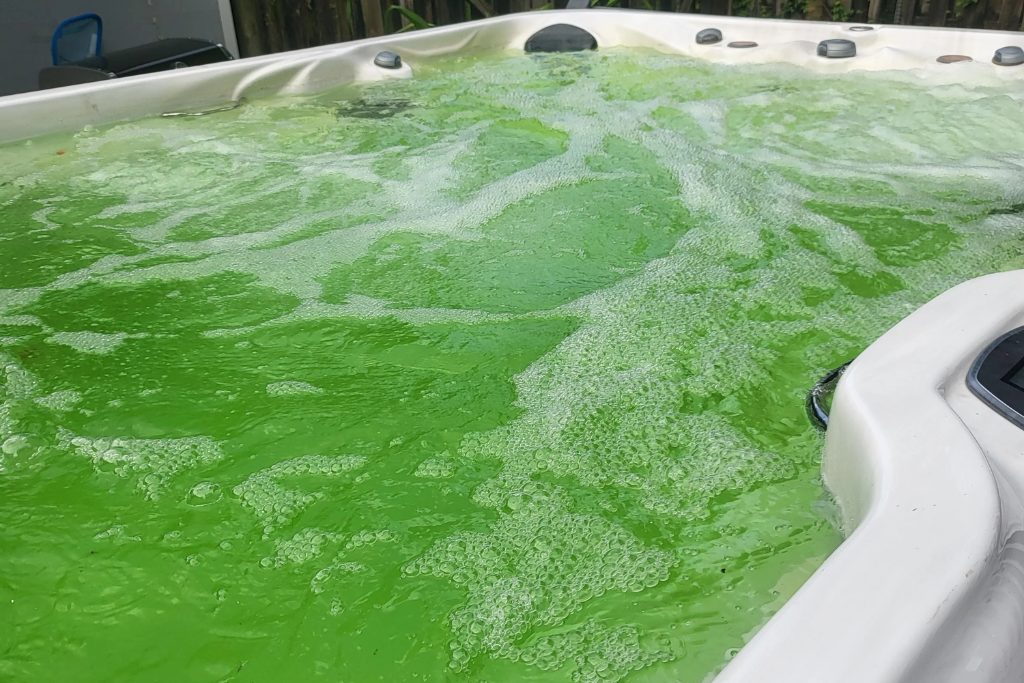
- Shock treatment: If your water is cloudy or smells bad (use only small doses)
- After heavy use: To kill germs after parties or gatherings
Always return to regular sanitizer as soon as possible.
Credit: www.frogproducts.com
How To Switch From Liquid Chlorine To Bromine Or Granular Chlorine
If you want to switch, follow these steps:
- Drain and refill your hot tub
- Clean filters and surfaces
- Add new sanitizer according to instructions
- Balance water chemistry before use
Switching helps protect your equipment and keeps water safe.
Frequently Asked Questions
Can I Use Pool Liquid Chlorine In My Hot Tub?
It is possible, but not recommended. Pool liquid chlorine is strong and can disrupt hot tub water chemistry. It may damage equipment and make water unsafe. Always use chemicals made for hot tubs.
How Much Liquid Chlorine Should I Add To My Hot Tub?
For a 350-gallon hot tub, start with 1 ounce (30 ml) of 10% liquid chlorine. Always test water before and after adding, and adjust as needed.
Is Liquid Chlorine Better Than Bromine For Hot Tubs?
Bromine is better for most hot tubs. It is stable in hot water, easier to manage, and safer for equipment. Liquid chlorine is best used in emergencies or for short-term fixes.
Will Liquid Chlorine Damage My Hot Tub?
If used improperly, liquid chlorine can damage seals, heaters, and pumps. It can also cause water chemistry to become unstable. Always use the correct dose and monitor water closely.
What Should I Do If I Accidentally Overdose Liquid Chlorine?
If you add too much chlorine, wait for levels to drop naturally. You can also dilute the water by adding fresh water or draining some. Avoid using the hot tub until chlorine levels are safe (3–5 ppm).
Hot tub care is important for health and enjoyment. While liquid chlorine can be used, it requires careful attention and frequent testing. For most people, bromine or granular chlorine is safer and easier. Remember to follow expert advice, read your hot tub manual, and never mix chemicals without understanding the risks. If you want more in-depth information, check SwimmingPool.com for trusted guidance. Safe soaking starts with smart choices—your hot tub and your health depend on it.

Credit: www.amazon.com