
If your home has slow drains, gurgling toilets, or even sewage backups, you might be dealing with a hidden problem: tree roots in your sewer lines. Over time, roots grow towards the moisture of underground pipes, sneaking into small cracks and causing blockages. One popular solution is Zep Root Killer—a chemical product designed to kill the roots without harming your trees or damaging pipes. But using root killers safely and effectively isn’t as simple as just pouring them down the drain. Let’s walk through everything you need to know about using Zep Root Killer, from how it works to avoiding common mistakes.
Understanding Zep Root Killer
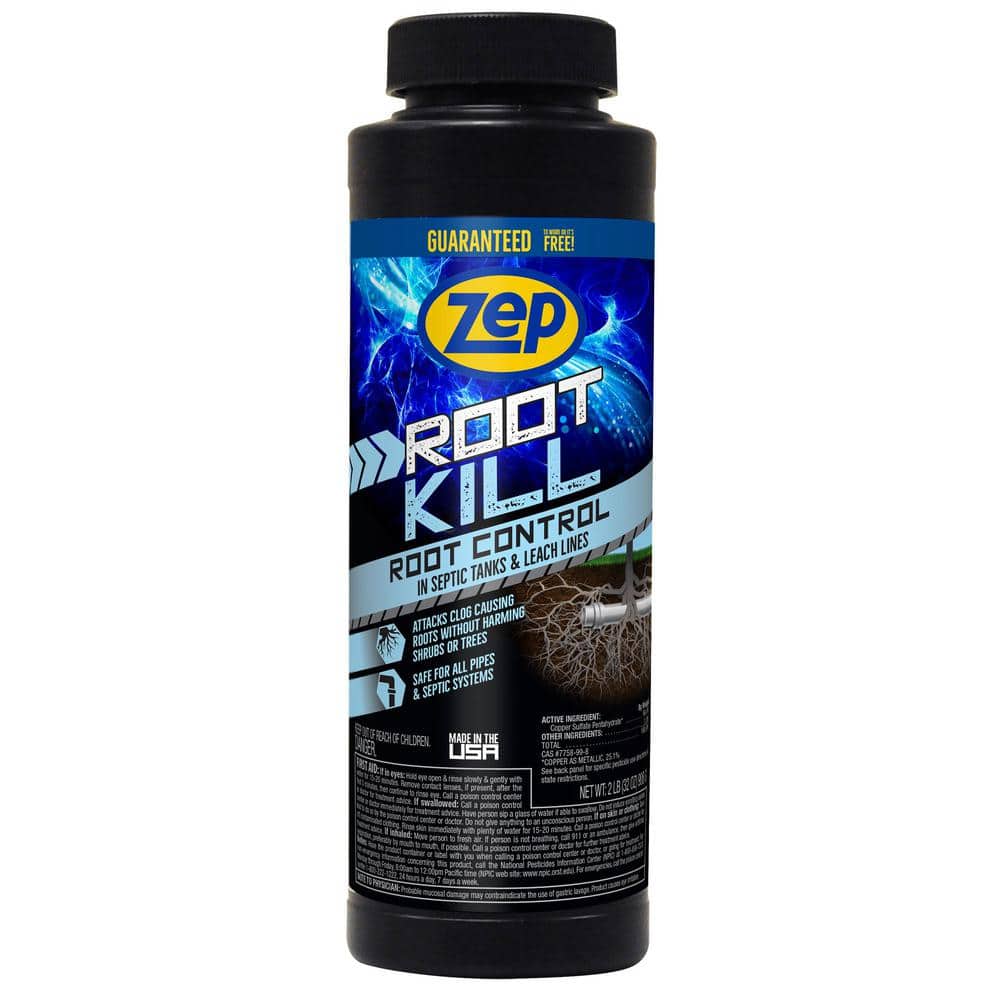
Zep Root Killer is a granular or powdered chemical product made mainly from copper sulfate. It’s designed for use in sewer lines and drain pipes, where tree roots are a common cause of clogs. Unlike caustic or acid-based drain cleaners, Zep Root Killer targets roots specifically, killing them on contact and helping to clear blockages over time.
How Zep Root Killer Works
The active ingredient, copper sulfate pentahydrate, is toxic to roots but generally safe for most types of pipes. When poured into a toilet and flushed, the granules travel through your plumbing and coat the pipes. As the chemical contacts the invasive roots, it kills them, causing the dead roots to decay and eventually wash away with normal water flow.
Where Zep Root Killer Is Most Effective
Zep Root Killer is best for:
- Main sewer lines (not kitchen or shower drains)
- Homes with slow drains and evidence of root intrusion
- Preventing root regrowth after mechanical cleaning
It’s not a solution for every type of clog. For grease, hair, or paper blockages, other cleaners or tools are better.
Important Safety Information
While Zep Root Killer is generally safe when used as directed, it’s toxic to aquatic life and should never be used in storm drains, septic systems, or where it can enter water supplies. Always follow label instructions and local regulations.
Signs You Might Need Zep Root Killer
Before using any chemical root killer, it’s important to confirm that roots are causing your plumbing issues. Here are signs that roots may be the problem:
1. Slow Draining Toilets Or Tubs
Water takes much longer than usual to drain, and plungers or standard drain cleaners don’t help.
2. Gurgling Noises
You hear bubbling or gurgling sounds from your toilet or drains, especially after flushing or when using another fixture.
3. Frequent Backups
Sewage backs up into tubs or lower drains, even after being cleared.
4. Lush Patches In Your Yard
Unusually green or fast-growing areas above your sewer line may mean roots are getting extra water from a leak.
5. Recurring Clogs In Multiple Fixtures
When more than one drain is affected, the problem is likely in the main sewer line.
How To Confirm Root Intrusion
For a definite diagnosis, plumbers use video inspection tools. If you’re unsure, consider a professional inspection before using chemical treatments.
Preparing To Use Zep Root Killer
Preparation is just as important as applying the product. Improper use can lead to wasted money, damaged pipes, or environmental harm.
What You’ll Need
- Zep Root Killer (granular or powdered)
- A toilet on the lowest floor of your house
- Protective gloves and goggles
- Measuring cup or scoop (not for food use)
- Access to a water source
Safety Precautions
- Keep children and pets away during application.
- Avoid breathing dust or getting product in eyes or on skin.
- Store leftover product in a secure, dry place.
Checking Your Plumbing
Zep Root Killer is made for main sewer lines, not for septic systems or gray water lines. Check your home’s plumbing layout if you’re unsure which lines are affected.
Step-by-step Instructions: How To Use Zep Root Killer
Let’s walk through the process. Each step increases your chances of success and keeps your home safe.
1. Choose The Right Application Point
The best place to introduce Zep Root Killer is a toilet on the lowest floor of your home. Why? Because this toilet is usually closest to the main sewer line, and the product will flow directly to where roots are likely to be.
2. Read The Label Carefully
Zep Root Killer has specific instructions for quantity and frequency. Typical directions are:
- Use 1 lb of product per application
- Do not exceed recommended amounts
Never guess at the dosage. Overuse can damage pipes and harm the environment.
3. Measure The Product
Put on gloves and goggles. Use a dedicated scoop or cup to measure the correct amount. Don’t use kitchen utensils.
4. Flush The Toilet First
Before adding the root killer, flush the toilet once to wet the pipes. This helps the granules move smoothly and reduces the chance of sticking.
5. Add Zep Root Killer To The Toilet
Carefully pour the measured granules into the toilet bowl. Pour slowly to avoid splashing.
6. Flush Immediately
Flush the toilet to send the product through the pipes. Some people recommend a second flush to ensure all granules are washed into the sewer line.
7. Leave The Product To Work
Do not use the toilet or run water in the house for 6 to 8 hours after application—overnight works best. This allows the chemical to sit in the pipe, maximizing contact with roots.
8. Resume Normal Use
After the waiting period, you can use your plumbing normally. The dead roots will decay and wash away over the coming weeks.
How Often Should You Use Zep Root Killer?
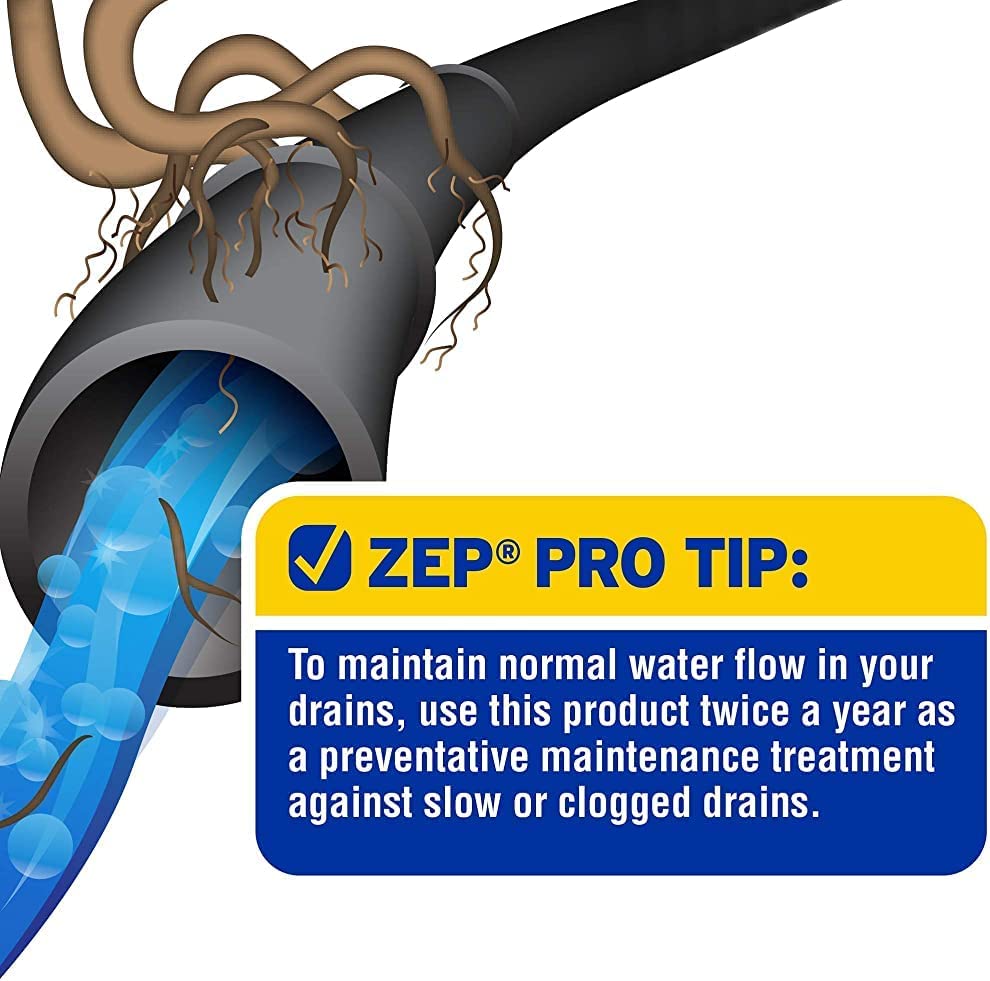
Most manufacturers suggest using root killer twice a year (every 6 months) for maintenance. For active root problems, repeat the process every 3 to 4 months until symptoms improve, but never exceed label directions.
Signs Of Improvement
- Drains clear faster
- Fewer backups or gurgling noises
- Reduced need for plunging
Root removal is slow—expect results in 1 to 2 weeks, not instantly.
Comparing Zep Root Killer To Other Root Removal Methods
How does Zep Root Killer stack up against other options? Here’s a side-by-side comparison for clarity:
| Method | Speed | Cost | Effectiveness | Safety |
|---|---|---|---|---|
| Zep Root Killer | 1–2 weeks | Low | Good for minor roots | Safe for pipes if used properly |
| Mechanical Snaking | Immediate | Medium–High | Best for large blockages | Requires professional skill |
| Hydro Jetting | Immediate | High | Very effective | May damage old pipes |
| Foaming Root Killers | 1–2 weeks | Medium | Good coverage | Safe if label is followed |
When To Choose Zep Root Killer
- For minor or early root problems
- For regular maintenance
- When you want a DIY, lower-cost solution
When To Call A Plumber
- If you have complete blockages or sewage backups
- If Zep Root Killer does not improve symptoms in 2–3 weeks
- If you have old, fragile, or damaged pipes
Dos And Don’ts For Using Zep Root Killer
A few practical guidelines can make the difference between success and frustration.
Dos
- Do read and follow all label instructions.
- Do use only in main sewer lines.
- Do wait 6–8 hours after application before using water.
- Do use gloves and goggles for safety.
- Do keep product away from children and pets.
Don’ts
- Don’t use in kitchen sinks, shower drains, or septic systems.
- Don’t overuse—more is not better.
- Don’t pour into storm drains or water sources.
- Don’t use if you suspect a complete blockage—call a plumber.
What To Expect After Using Zep Root Killer
Results are not instant. Here’s a timeline of what happens next:
First 24 Hours
No visible change, but the chemical starts killing roots on contact. Water flow may be unchanged.
1–2 Weeks
Dead roots begin to decay and break down. You may notice a gradual improvement in drainage and fewer backups.
1 Month
In most cases, normal water flow is restored, and gurgling or slow drains are resolved. If problems persist, a mechanical cleaning may be needed.
Long-term
Repeat use every 6 months can help prevent new roots from invading the line.
Risks, Precautions, And Environmental Impact
Zep Root Killer is powerful, but with power comes responsibility.
Risks To Plumbing
- Copper sulfate can corrode some types of metal pipes if overused, especially older galvanized steel.
- PVC and ABS plastic pipes are generally safe.
Risks To Health
- Toxic if swallowed, inhaled, or in contact with skin.
- Store securely, away from children and pets.
Environmental Considerations
- Copper sulfate is very toxic to fish and aquatic life.
- Never use near lakes, streams, or storm drains.
- Local laws may restrict copper sulfate use—check with your city or water utility.
Septic System Warning
Do not use Zep Root Killer in septic systems. Copper sulfate can kill beneficial bacteria needed for proper septic function.
Common Mistakes And How To Avoid Them
Many homeowners make errors that reduce effectiveness or cause harm. Here are the most common:
1. Using Too Much Product
Thinking “more is better” can damage pipes and the environment. Always measure carefully.
2. Wrong Application Point
Pouring root killer into a sink or shower drain won’t help—use a toilet connected directly to the main line.
3. Not Waiting Long Enough
Running water too soon after application washes the product away before it can work.
4. Ignoring Safety
Failing to use gloves or goggles can cause skin or eye irritation.
5. Skipping Maintenance
Using Zep Root Killer once may solve the problem temporarily, but regular maintenance prevents regrowth.
Credit: www.homedepot.com
Troubleshooting: If Zep Root Killer Doesn’t Work
Sometimes, even correct use doesn’t solve the problem. Here’s what to check next:
1. Confirm The Cause
Are you sure roots are the issue? If not, a plumber’s camera inspection can tell you for certain.
2. Check For Blockages
If water backs up immediately after application, a solid blockage may be present. Chemical treatments won’t help—mechanical removal is needed.
3. Consider Pipe Condition
Old, corroded, or collapsed pipes won’t be fixed by root killer. Repairs or replacement may be necessary.
4. Try Alternative Products
If Zep Root Killer isn’t effective, foaming root killers or professional treatments may offer better results.
The Science Behind Zep Root Killer
Understanding why Zep Root Killer works helps you use it more confidently.
Why Roots Invade Pipes
Tree roots seek out moisture and nutrients. Any tiny crack or joint in a pipe can leak water, attracting roots. Once inside, roots thrive and grow, eventually blocking the line.
How Copper Sulfate Kills Roots
Copper ions disrupt plant cell processes, causing roots to die. Because the chemical is carried by water, it coats the inside of the pipe and targets only the roots inside, not the whole tree.
Does It Hurt Trees?
Used correctly, Zep Root Killer does not kill the whole tree—just the roots inside the pipe. However, repeated or excessive use can stress trees if roots are heavily pruned.
Credit: zep.com
Professional Tips For Best Results
A few expert strategies can boost your success:
- Use at Night: Apply before bed to maximize sitting time.
- Apply Regularly: Don’t wait for a clog—preventive use is better.
- Combine with Mechanical Cleaning: For severe clogs, have a plumber snake or hydro jet first, then use Zep Root Killer to prevent regrowth.
- Inspect Annually: If you have large trees near sewer lines, an annual camera inspection can catch problems early.
Cost, Availability, And Alternatives
Zep Root Killer is widely available at home improvement stores and online. Here’s a quick look at cost and alternative options:
| Product | Active Ingredient | Average Price (per lb) | Best For |
|---|---|---|---|
| Zep Root Killer | Copper sulfate | $10–$15 | Routine maintenance |
| Roebic Foaming Root Killer | Dichlobenil | $18–$22 | Heavy root growth |
| Mechanical Snake | N/A | $50–$300 (service) | Severe blockages |
Where To Buy
- Home Depot, Lowe’s, Walmart
- Online retailers like Amazon
- Plumbing supply stores
Alternatives
- Foaming root killers: Fill the whole pipe for better coverage
- Enzyme-based treatments: Gentler, but less effective for roots
- Professional cleaning: Best for immediate, severe blockages
Zep Root Killer And Local Regulations
Some municipalities restrict copper sulfate use due to environmental concerns. Always check with your local water utility before use. Violating local ordinances can result in fines.
For more details, see the EPA’s guidelines for copper sulfate use: EPA on Copper Sulfate.
When Not To Use Zep Root Killer
Zep Root Killer isn’t right for every situation. Don’t use it if:
- You have a septic tank system
- Your pipes are very old or corroded
- There’s a total blockage (nothing drains at all)
- The drain problem is caused by grease, hair, or debris—not roots
- Local laws prohibit copper sulfate
If in doubt, consult a licensed plumber.
Practical Insights And Tips Most Beginners Miss
Even experienced homeowners sometimes overlook these points:
- Roots Keep Coming Back: Killing roots once does not solve the underlying issue. Roots will regrow as long as they can reach water. Regular maintenance is essential.
- Tree Placement Matters: Planting thirsty trees or shrubs near sewer lines increases the risk of future problems. Consider root barriers or choosing less invasive plants.
Frequently Asked Questions
How Long Does Zep Root Killer Take To Work?
Most people see improvement in 1 to 2 weeks after application. The chemical kills roots on contact, but it takes time for the dead roots to decay and wash away. Severe blockages may need mechanical clearing first.
Is Zep Root Killer Safe For All Pipes?
Zep Root Killer is safe for most modern pipes, including PVC and ABS. Overuse can damage older metal pipes, especially galvanized steel. Always follow label instructions and never exceed the recommended amount.
Can I Use Zep Root Killer In My Septic System?
No, you should not use Zep Root Killer in a septic system. The copper sulfate can kill helpful bacteria and damage the system’s function. Choose a septic-safe product if you have a septic tank.
How Often Should I Use Zep Root Killer For Maintenance?
For routine maintenance, use Zep Root Killer every 6 months. If you have active root problems, you can apply every 3–4 months until symptoms improve. Never use more often than the label recommends.
What Should I Do If Zep Root Killer Doesn’t Solve My Problem?
If you see no improvement after 2–3 weeks, your blockage may be too severe for chemical treatment. Call a licensed plumber for a camera inspection and consider mechanical or hydro jet cleaning.
Using Zep Root Killer is a smart, affordable way to manage minor root problems in sewer lines—if used correctly. By following these detailed steps and safety tips, you can keep your home’s plumbing flowing and avoid expensive repairs. When in doubt, professional help is always a good investment for your peace of mind and long-term property health.

Credit: www.amazon.com