
When you pick up a sharpening stone, you might wonder: is this stone meant for oil or water? Using the wrong lubricant can ruin your stone or give you poor sharpening results. If you just inherited a set of mysterious sharpening stones, found one at a garage sale, or lost the packaging years ago, don’t worry. With a bit of observation and practical testing, you can usually figure it out. This guide will help you confidently identify whether a sharpening stone is oil or water, avoid common mistakes, and get the best performance from your tools.
Many people, even those with experience, make simple but costly errors. They might assume all gray stones are oil stones or believe “water stone” means the stone must literally come from Japan. The truth is, the differences can be subtle, and not every stone fits neatly into one category.
Let’s break down the clues, tests, and expert tips to help you make the right call.
Why It Matters: Oil Vs Water Stones
The type of lubricant used on a sharpening stone isn’t just tradition—it’s essential for performance and stone lifespan. Oil stones use honing oil, while water stones use water. Using oil on a water stone can clog the stone and ruin its cutting ability. Using water on an oil stone can lead to uneven wear and poor results.
You’ll also notice different sharpening experiences. Oil makes the stone feel smoother and can slow down the sharpening. Water stones cut faster but wear down quicker. Choosing the right lubricant also keeps your tools sharper for longer.
Types Of Sharpening Stones
To tell what your stone needs, it helps to know the main types you might encounter:
- Oil stones – Often made of materials like aluminum oxide or silicon carbide, or natural stones such as Arkansas stones.
- Water stones – Traditionally Japanese, but now made in many countries, usually softer and faster-wearing.
- Diamond stones – Use a metal plate with diamond grit, can be used with water or dry, rarely with oil.
- Ceramic stones – Hard, can be used with water or dry, but not oil.
This article focuses on oil and water stones, since those are the most easily confused.
Key Differences Between Oil And Water Stones
Physical Appearance
While both types can look similar, there are some visual clues:
- Oil stones usually have a denser, harder appearance. They often come in gray, white, or brown shades. Natural Arkansas stones can be translucent or opaque white.
- Water stones are often lighter and feel softer. They may have a more “chalky” or sandy look, and sometimes show signs of wear or grooves from previous use.
Surface Texture
- Oil stones feel smooth and hard to the touch. If you tap them, they often sound denser.
- Water stones feel softer, almost powdery. When you rub your fingernail over a water stone, you might even scratch the surface slightly.
Absorption
- Oil stones absorb oil slowly, if at all. They do not soak up water quickly.
- Water stones absorb water fast. Pour a bit of water on a water stone and you’ll see it disappear into the surface.
The Water Test: A Simple Way To Tell
If you’re not sure what type of stone you have, the water absorption test is one of the easiest checks.
- Clean the stone’s surface of any old oil or debris.
- Drop a few drops of water on the stone.
- Watch what happens for one minute.
What to look for:
- If the water soaks in quickly, it’s likely a water stone.
- If the water beads up or just sits there, it’s probably an oil stone.
It’s important to clean the stone first. If there’s any oil residue, even a water stone might repel water. Wipe with a paper towel and a little dish soap if needed, then try again.
The Oil Test: Another Practical Method
If you have some honing oil (mineral oil is a good choice), you can try this:
- Wipe a small area of the stone with oil.
- Wait a few minutes.
Results:
- If the oil sits on top or spreads slowly, the stone is likely a water stone.
- If the oil sinks in evenly or is absorbed, it’s likely an oil stone.
Don’t overdo the oil test—if you use too much on a water stone, it can clog the pores and make it unusable.
Manufacturer Clues And Markings
Check for any labels, stamps, or brand names. Many stones have markings, but these can wear off over time. If you see:
- “Arkansas,” “Norton India,” or “Crystolon”: These are almost always oil stones.
- Japanese kanji, “King,” “Suehiro,” or “Naniwa”: Usually water stones.
You can also research the brand or model online for more info.
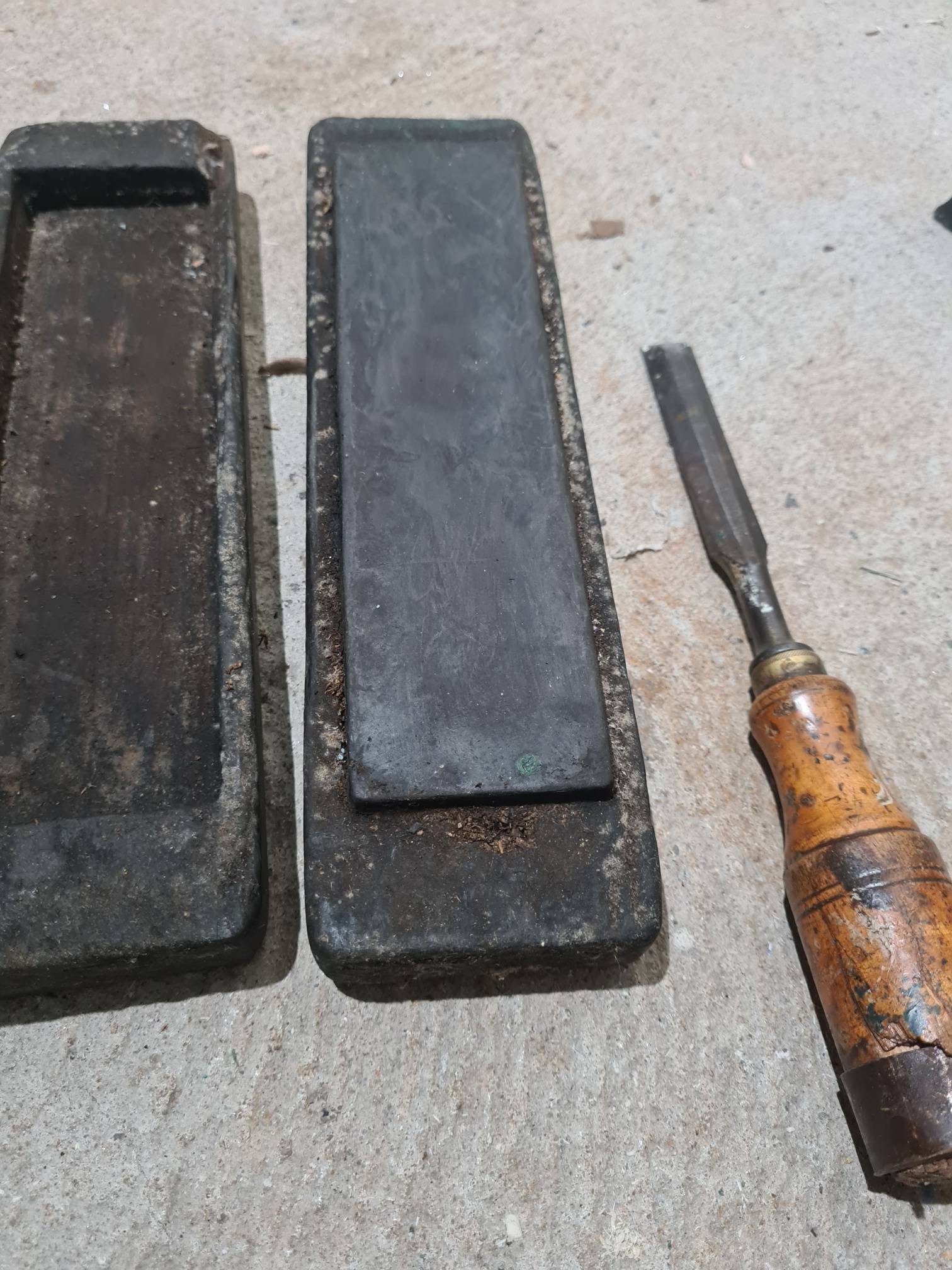
Credit: woodworking.stackexchange.com
Sound And Hardness: The Tap Test
This test is simple but revealing:
- Gently tap the stone with your fingernail or a metal object.
- Listen to the sound and feel the vibration.
- Oil stones often sound solid and crisp.
- Water stones sound duller and vibrate less, due to their softer structure.
Weight And Density
Pick up the stone and notice its weight:
- Oil stones feel heavier for their size.
- Water stones feel lighter and less dense.
This is not a perfect test, as there is overlap, but it can give you another clue.

Credit: www.theenglishwoodworker.com
Example: Comparing Stones Side By Side
Here’s a simple comparison of common stones you might find:
| Stone Name | Typical Lubricant | Appearance | Absorption |
|---|---|---|---|
| Arkansas | Oil | White, translucent, hard | Low |
| Norton India | Oil | Brown, orange, medium-hard | Low |
| King 1000 | Water | Light brown, soft, wears fast | High |
| Suehiro Cerax | Water | White/blue, soft, chalky | High |
How Stones React To Use
When you sharpen a knife or chisel, the way the stone behaves can give you clues.
- Oil stones create a muddy slurry mixed with metal filings and oil. The surface remains mostly unchanged.
- Water stones often produce a fine, gritty slurry, and you may notice grooves or wear developing quickly.
If your stone wears down fast, it’s probably a water stone. If it stays flat and lasts a long time, it’s likely an oil stone.
Cleaning Test: Removing Old Lubricant
If you have an old stone with residue, you might not know if it was oil or water. Here’s a tip:
- Try cleaning with just dish soap and water.
- If it cleans up easily, it’s probably a water stone.
- If the residue doesn’t budge, it may have oil in it.
- Try a degreaser or mineral spirits.
- If this removes the residue, it’s likely an oil stone.
This method is not foolproof, but it can help if you’re stuck.
Risks Of Using The Wrong Lubricant
Many beginners think, “I’ll just use whatever I have.” This can cause problems:
- Using oil on a water stone clogs the pores, turning the stone slick and useless. It’s almost impossible to reverse.
- Using water on an oil stone usually won’t ruin the stone, but it won’t lubricate or clean metal filings, leading to uneven sharpening.
If you’re unsure, try water first. If the stone rejects water, it’s probably safe to try oil.
Special Cases And Hybrid Stones
Some modern stones are marketed as dual-use or “splash-and-go.” These are often synthetic and designed for either oil or water. Always check the manufacturer’s instructions. If you can’t find them, follow the absorption and surface tests above.
There are also combination stones with two sides—one for oil, one for water. These are rare, but if you have one, each side will feel different. Keep each side’s lubricant separate.
Practical Examples: Real-life Scenarios
Let’s look at some real situations you might face:
1. You Inherited A Stone With No Box
You notice the stone feels heavy and smooth. Water sits on top. This is likely an oil stone, such as an Arkansas stone. Use mineral oil or a dedicated honing oil for best results.
2. You Bought A Stone From A Japanese Market
It feels light, the surface scratches easily, and water disappears quickly into the stone. This is a water stone, probably a King or Suehiro. Soak it in water before use.
3. You Found A “carborundum” Stone
Carborundum is a brand name for silicon carbide stones. These are usually oil stones, but some can be used with water. If the stone feels rough and doesn’t absorb water, stick with oil.
Sharpening Stone Identification Table
Here’s a quick reference for common stones:
| Type | Lubricant | Key Features | Common Brands |
|---|---|---|---|
| Arkansas (Natural) | Oil | Hard, smooth, white/translucent | Dan’s, Norton |
| India (Synthetic) | Oil | Medium-hard, brown/orange | Norton India |
| Japanese Water Stone | Water | Soft, wears fast, often dual grit | King, Suehiro, Naniwa |
| Diamond Plate | Water/None | Hard, metallic, doesn’t wear | DMT, Atoma |
| Ceramic | Water/None | Very hard, white, slow wearing | Spyderco, Shapton |
Non-obvious Clues Beginners Miss
Many beginners overlook these less obvious signs:
- Smell: Old oil stones sometimes have a faint mineral oil smell. Water stones rarely have any scent unless contaminated.
- Shape and Edges: Water stones often have rounded edges from fast wear, while oil stones keep sharp corners.
- Grit Numbers: Water stones usually list grit in Japanese style (e.g., #1000, #6000), while oil stones use “fine,” “medium,” or no grit label at all.
How To Care For Each Stone Type
Once you’ve identified your stone, proper care keeps it working well.
Caring For Oil Stones
- Clean with mineral spirits or honing oil after use.
- Store dry and away from dust.
- Don’t use water—it can cause rust if your stone has a steel backing.
Caring For Water Stones
- Soak before use (unless “splash and go”).
- Let dry fully before storing.
- Flatten regularly with a lapping plate or sandpaper.
Never mix lubricants—once you use oil, you can’t switch to water without damaging the stone.
How To Tell If You Ruined A Stone
If you’ve used the wrong lubricant:
- Clogged water stone: Feels slick, won’t form a slurry, hard to sharpen.
- Oil on water stone: Try soaking in hot water with dish soap, but full recovery is rare.
- Water on oil stone: Usually no damage, just dry and re-oil.
If you’re unsure, consult an expert or bring the stone to a specialty shop for advice.
Tools To Help You Identify Stones
A few simple tools can make identification easier:
- Magnifying glass: Look for surface pores (larger in water stones).
- Scale: Weigh the stone and compare to known types.
- UV light: Some synthetic stones glow differently, but this is advanced.
Myths And Misconceptions
You’ll hear advice like “all old stones are oil stones” or “Japanese stones are always water stones. ” This is not always true. Modern synthetic stones and imports blur the lines. Trust the tests and your senses over old rules.
Another myth: “You can convert a stone from oil to water by cleaning it.” While you can sometimes clean oil off the surface, oil penetrates deep into the pores, making true conversion impossible.
What If You’re Still Not Sure?
If you’ve tried all the above and still can’t decide, here’s what to do:
- Try water first. Most stones won’t be harmed by water.
- If the stone doesn’t cut well with water and rejects absorption, try oil.
- If there’s no improvement, it may be a specialty stone or need resurfacing.
You can also contact the manufacturer or a sharpening expert for advice.
Where To Learn More
There are many online resources and forums where you can share photos and get help from experienced sharpeners. For background and history, the Wikipedia entry on sharpening stones is a good starting point.

Credit: www.reddit.com
Frequently Asked Questions
How Do I Clean An Old Sharpening Stone Before Testing?
Start by brushing off any loose debris. Wash the stone with warm water and a bit of dish soap, scrubbing with a stiff brush or scouring pad. If there’s oil residue, use mineral spirits or a degreaser. Make sure the stone is fully dry before testing with water or oil.
Can I Use Both Oil And Water On The Same Stone?
No, you should not mix lubricants. Once you use oil, you can’t switch back to water. Using both can clog or ruin the stone, leading to poor sharpening results and wasted money.
What Happens If I Use The Wrong Lubricant?
Using oil on a water stone can clog the pores and make the stone almost useless. Using water on an oil stone usually doesn’t damage the stone, but it won’t help with sharpening or cleaning. If you’ve used the wrong lubricant, try cleaning the stone as described above, but full recovery isn’t guaranteed.
Are Diamond And Ceramic Stones Oil Or Water Stones?
Diamond stones are usually used with water or even dry. Ceramic stones can also be used with water or dry, but not oil. Always check the manufacturer’s recommendations for best results.
How Can I Tell If A Stone Is Natural Or Synthetic?
Natural stones (like Arkansas or Japanese natural stones) often have varied color patterns and feel heavier. Synthetic stones are usually uniform in color and texture. If you see regular markings or perfectly even color, it’s likely synthetic. Both types can be oil or water stones, so always test as described above.
When you know how to tell if a sharpening stone is oil or water, you avoid costly mistakes and get the sharpest edges possible. Take your time, test carefully, and your tools—and stones—will thank you for years to come.