
If you walk into a bathroom and see a shower with no clear switch, it can be confusing and even a bit stressful—especially if you’re in a hotel, someone else’s home, or facing an unfamiliar system. Showers come in many types, and not all of them use the classic switch or lever you expect.
Some have hidden mechanisms, while others use clever designs that aren’t obvious at first glance. You might also find yourself in a situation where the switch is broken or missing. So what do you do? Understanding how to turn on a shower with no switch is a practical skill that can save you time, embarrassment, and cold mornings.
This guide will help you recognize different shower systems, learn alternative ways to activate them, and handle emergencies with confidence. Whether you’re dealing with a modern push-button design, a vintage pull-cord, or a shower with a missing part, you’ll find clear explanations here.
We’ll also cover what to do if you’re struggling with a faulty or hidden control, and share tips to avoid common mistakes. By the end, you’ll be ready to tackle almost any shower setup you encounter.
Understanding Different Shower Types
Before you try to turn on a shower with no switch, you need to know what type of shower you’re dealing with. Showers can look similar, but the internal controls may be very different.
Mixer Showers
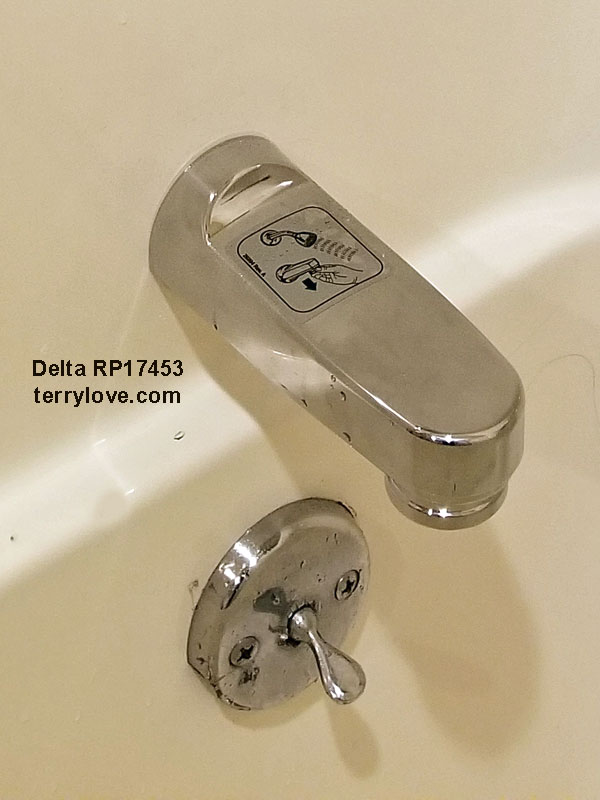
Mixer showers blend hot and cold water from your home supply. They usually have knobs, levers, or dials. Sometimes, the mechanism that diverts water to the showerhead is hidden. Instead of a switch, you might need to pull, push, or rotate a part of the faucet or tap. Older mixer showers often use a pull-up diverter on the bath spout.
Electric Showers
These heat water as it flows through. Most electric showers have a push button or rotary dial as the main control. If there is no visible switch, sometimes the power comes from a wall-mounted pull cord or a hidden button inside the casing.
Thermostatic Showers
Thermostatic showers maintain a set temperature. They usually have a temperature dial and a flow lever. If there’s no clear switch, look for a push-button or a dial with a “start/stop” function.
Digital Showers
Modern digital showers may use touch panels or remote controls. Sometimes, these controls are away from the actual shower area—on the wall outside, or even controlled by a smartphone app.
Concealed Showers
With concealed showers, most parts are hidden behind the wall. You might only see a single flat plate with buttons or dials. It’s common to miss the control if you’re not looking carefully.
Key Insight: Not every shower system uses a “switch” like a light switch. The “on” mechanism can be a pull, push, twist, or even a touch sensor.
Common Reasons You Can’t Find The Switch
If you’re staring at a shower with no switch, there are a few possible reasons:
- The control is hidden or disguised. Designers often hide controls for a cleaner look.
- The switch is broken or missing. Older showers may have lost parts over time.
- You’re looking for the wrong control. Some showers use the bath faucet or wall panel.
- There’s a safety lock. Some showers have child-proof locks or require a special sequence.
- The water supply is turned off. In rare cases, a shut-off valve outside the bathroom controls the flow.
Understanding these reasons helps you know where to start troubleshooting.
How To Turn On A Shower With No Switch
Now, let’s get practical. Here are the main methods to turn on a shower when there’s no obvious switch.
1. Check For A Diverter
A diverter is a device that sends water from the faucet up to the showerhead. If your shower has a bath faucet, look for:
- A small pull-up knob on top of the faucet spout.
- A lever behind or to the side of the faucet.
- A rotating ring at the base of the spout.
To activate, pull or twist the diverter. Water should flow to the showerhead.
2. Look For A Push Or Pull Mechanism
Some showers use a push button or a pull cord. Check:
- Underneath the shower control panel.
- On the wall near the shower (sometimes disguised as part of the tile or decor).
- For a pull cord hanging from the ceiling (common in UK bathrooms).
If you find one, try pressing or pulling gently.
3. Twist Or Rotate The Faucet
In many modern designs, the shower turns on when you rotate or lift the faucet handle in a special way. Try:
- Turning the faucet handle all the way left or right.
- Lifting the handle upwards or pulling it outwards.
- Rotating a hidden ring or cap around the faucet base.
4. Search For A Wall Panel Or Remote Control
Some digital or luxury showers use external panels. Look:
- On the wall outside the shower.
- Near the bathroom door.
- In a nearby cabinet or shelf (for remote controls).
These panels may have touch buttons or a simple “on/off” icon.
5. Inspect For A Cover Plate Or Hidden Button
Concealed showers may have a cover plate with no obvious buttons. Run your hand around the plate and press gently in different spots. You might find:
- A spring-loaded section that clicks.
- A small, flush button hidden in a corner.
6. Check The Power Supply
For electric showers, the “switch” might be:
- A wall-mounted pull cord (often with a red light).
- A fused spur or isolator switch outside the bathroom.
- A circuit breaker in the main fuse box.
If the shower isn’t working, ensure the power supply is on.
7. Examine The Plumbing For Manual Valves
In very old or industrial showers, there may be a manual valve:
- Below the sink or bath.
- In a cupboard or behind a panel.
Turn the valve slowly to open the water flow.
8. Use The Bathtub Faucet As A Control
Some showers are controlled entirely by the bathtub faucet. If there’s no switch, try:
- Turning both hot and cold taps fully on, then partially closing one.
- Lifting the faucet spout (some spouts act as a lever).
- Pulling or pushing the end of the faucet.
This method is common in older homes and hotels.
9. Observe For Touch Or Sensor Controls
High-tech showers may use touch sensors. These can be:
- On the wall near the shower.
- Integrated into the tile (look for a glowing icon).
- Activated by waving your hand close to the panel.
If you see a suspiciously clean or shiny spot, try touching or waving your hand over it.
10. Read The Labels Or Diagrams
If you’re in a hotel or public place, there may be:
- A small instruction label near the shower.
- A diagram on the wall or back of the bathroom door.
These can give you clues about hidden controls.
11. Ask For Help
If all else fails, ask someone nearby. Hotel staff, hosts, or building maintenance often know about tricky showers and can help quickly.
Non-Obvious Insight: Modern showers sometimes have a “reset” or “child lock” sequence you must press and hold for several seconds. If you see an unfamiliar symbol, try holding it down for 5–10 seconds.
What To Do If The Switch Is Broken Or Missing
If the shower is supposed to have a switch, but it’s broken or missing, you have a few options. This situation is common in older apartments or during renovations.
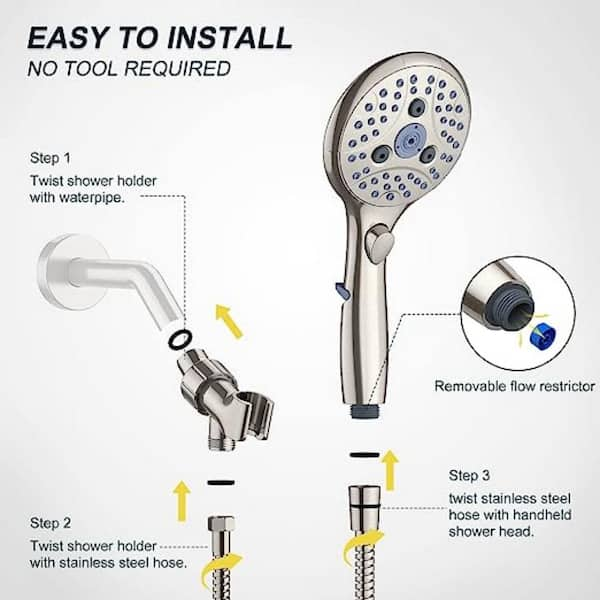
- Try to operate the mechanism manually. If the diverter lever is missing, use pliers or a similar tool to pull up the stem.
- Check for a backup control. Sometimes there is a secondary control hidden under a cap or behind the panel.
- Turn on the water slowly. If the water pressure is strong, opening the tap quickly can cause splashing or leaks.
- Contact maintenance or a plumber. If you’re a renter or guest, report the issue rather than forcing the mechanism.
Warning: Never use excessive force. Forcing a broken switch can cause leaks or damage.
Credit: www.homedepot.com
Real-world Examples Of Showers With No Switch
You might be surprised at how often this problem appears in daily life. Here are a few real-world scenarios:
- Hotels: Many European hotels use wall-mounted panels with a single dial. The “on” function is often a hidden push or pull.
- Apartments: In older buildings, a missing diverter means you must use the bath faucet creatively.
- Fitness Gyms: Some showers use a push-button timer system with no switch—just press and wait for water.
- Modern Homes: Sensor-based showers start with a hand wave, but if the sensor is dirty, it may not respond.
These examples show why knowing multiple methods is useful.
Comparison: Hidden Shower Controls Vs. Traditional Switches
It’s helpful to compare how hidden shower controls differ from traditional switches. Here’s a breakdown:
| Feature | Hidden Controls | Traditional Switches |
|---|---|---|
| Appearance | Sleek, minimal, often blend with decor | Visible lever or button, easy to spot |
| User Experience | Can be confusing for new users | Simple, intuitive operation |
| Maintenance | Harder to repair, parts may be inaccessible | Easy to fix or replace |
| Durability | More electronics, higher risk of failure | Mechanical, long-lasting |
How To Identify Your Shower Type Quickly
If you’re in a hurry, here’s how to identify your shower type in under 60 seconds:
- Look for a control panel. If you see a digital display, it’s a digital or electric shower.
- Check the faucet. If there’s a diverter or extra knob, it’s a mixer or bath/shower combo.
- Search for a pull cord or wall button. Usually found with electric showers.
- Observe the showerhead. Multiple settings or a rain shower often mean a thermostatic or digital system.
Tip: Taking a photo and searching online with the brand/model can also help.
Common Mistakes When Turning On A Shower With No Switch
Many people make the same mistakes when faced with an unfamiliar shower. Avoid these pitfalls:
- Using too much force. Pulling or twisting hard can break the mechanism.
- Ignoring hidden controls. Focusing only on the faucet and missing wall panels or remote controls.
- Overlooking instruction labels. Many places provide small, easy-to-miss guides.
- Forgetting about power supply. Electric showers need a separate power source.
- Not checking under or behind panels. Controls can be hidden out of direct sight.
Non-Obvious Insight: In hard water areas, mineral buildup can make controls stiff or sticky. If a part doesn’t move easily, don’t force it—try gently wiggling or ask for help.

Credit: www.youtube.com
Troubleshooting: When Water Won’t Flow
Sometimes you find the control, but the shower still doesn’t work. Here’s what to check:
- Is the water supply open? The main shut-off valve may be closed.
- Is there electricity? For electric showers, check the power switch or breaker.
- Is there a safety lock? Some showers have a button you must press and hold.
- Is there enough water pressure? Low pressure can prevent activation.
- Is the diverter clogged? Mineral deposits may block the mechanism.
If none of these solve the problem, it’s likely a maintenance issue.
Safety Tips When Operating Unfamiliar Showers
Using an unfamiliar shower can lead to hot water burns, leaks, or even electric shock if you’re not careful. Here are some practical tips:
- Test water temperature first. Let the water run for a few seconds and check with your hand before stepping in.
- Stand aside. Don’t stand directly under the showerhead when turning it on.
- Dry your hands. If you’re operating an electric control, always use dry hands.
- Turn off after use. Some showers don’t automatically shut off—always double-check.
- Don’t use metal tools near wiring. If you’re improvising with pliers, avoid electric showers.
Table: Quick-reference Guide To Shower Controls
Here’s a handy guide to help you match the shower type with the likely control method.
| Shower Type | Typical Control | Where to Look |
|---|---|---|
| Mixer Shower | Diverter knob or lever | On faucet spout |
| Electric Shower | Push button or pull cord | Wall panel or ceiling |
| Thermostatic Shower | Flow lever, temperature dial | Wall plate |
| Digital Shower | Touch panel or remote | Wall or outside bathroom |
| Concealed Shower | Hidden button or touch sensor | Wall plate, tile surface |
When To Call A Professional
If you’ve tried everything and the shower still won’t work, it’s time to call a professional. Here’s when you should stop and ask for help:
- The mechanism feels stuck or broken.
- You see water leaking from the control area.
- There are exposed wires or signs of electrical damage.
- The water temperature is dangerously hot or cold.
Professional plumbers and electricians have the right tools and experience to fix complex or hidden shower systems safely.
Helpful Resource: For more details on different types of showers and their mechanisms, you can visit Wikipedia’s shower page.
Upgrading Your Shower: Considerations For The Future
If you regularly struggle with confusing shower controls, it might be time to upgrade. When choosing a new shower, consider:
- Ease of use: Choose models with clear, labeled controls.
- Accessibility: Lever handles are easier for children and elderly.
- Maintenance: Simpler systems are less likely to break.
- Water efficiency: Modern showers can save water and energy.
- Compatibility: Make sure the new system fits your plumbing.
Consult a plumber to find the best option for your home.
Table: Pros And Cons Of Different Shower Activation Methods
To help you understand the strengths and weaknesses of various activation methods, here’s a comparison:
| Activation Method | Advantages | Disadvantages |
|---|---|---|
| Pull-up Diverter | Simple, mechanical, reliable | Parts can wear out or break off |
| Push Button | Easy to use, often labeled | Can fail if electronic |
| Touch Sensor | Modern, clean look | Confusing for new users, needs power |
| Rotating Lever | Intuitive, blends with faucet | Can be stiff with age or hard water |
| Remote Control | Convenient, flexible placement | Easy to lose, batteries die |
Practical Tips For First-time Users
- Take your time. Don’t rush—explore all visible and hidden options.
- Look for signs. Hotels and gyms often post instructions nearby.
- Ask before forcing. If you’re unsure, ask staff or the host.
- Be gentle. Most controls need only a light touch.
- Clean contacts if needed. If a sensor doesn’t respond, wipe it gently.
How To Turn Off A Shower With No Switch
Just as turning on a shower can be tricky, turning it off might also be confusing. Here’s what to do:
- Reverse the activation process. If you pulled a lever up, push it down.
- For push-button showers, press the button again.
- For sensor controls, touch the sensor or wave again.
- If water keeps running, check for a hidden “off” button or wall switch.
If you can’t stop the water, turn off the main water supply and call for help.
Preparing For Unfamiliar Showers
If you’re traveling or moving into a new home, it’s wise to prepare:
- Carry a small flashlight to spot hidden controls.
- Read reviews or guides for the hotel or apartment.
- Ask in advance if the shower is easy to use.
- Watch online videos for the specific brand/model if possible.
Frequently Asked Questions
What Should I Do If There’s No Visible Way To Turn On The Shower?
First, check for hidden controls like diverters, push buttons, or wall panels. Look around the faucet, under shelves, or on the wall outside the shower area. If you still can’t find anything, ask the property owner or staff for help.
Can I Damage The Shower By Trying Different Methods?
Yes, using too much force or tools can break the mechanism or cause leaks. Always use gentle pressure and avoid twisting or pulling hard. If something feels stuck, stop and ask for help.
Credit: terrylove.com
Why Do Some Showers Have Controls Far From The Shower Area?
Modern showers, especially digital ones, sometimes place controls outside the shower to let you set the temperature before stepping in. This design also keeps electronics away from direct water spray.
What If The Shower Only Runs Cold Or Hot Water?
This usually means there’s a problem with the mixing valve or water supply. Check both hot and cold taps, and make sure the main water valves are open. If the problem continues, contact maintenance or a plumber.
Are Sensor Showers Reliable?
Sensor showers are convenient and modern, but they can be less reliable if the sensor gets dirty or if there are power issues. Always look for a manual override or backup control in case the sensor fails.
—
Mastering unfamiliar showers takes observation and patience. By understanding the different types, looking for hidden controls, and knowing when to ask for help, you’ll never be stuck with a cold shower again. Whether at home, in a hotel, or visiting friends, these strategies will help you turn on almost any shower—even when you can’t find a switch.