
Using a microwave pressure cooker can change how you cook at home. It saves time, keeps more nutrients in your food, and makes meal prep easier. For people who want quick, healthy meals without spending hours in the kitchen, this tool is a smart choice.
But if you’ve never used one before, it can look a bit confusing. This guide will show you exactly how to use a microwave pressure cooker safely, correctly, and confidently.
You’ll learn step-by-step instructions, the science behind how it works, mistakes to avoid, and tips to get the best results. Whether you’re a busy parent, a student, or someone who likes simple cooking, you’ll find clear answers here.
What Is A Microwave Pressure Cooker?
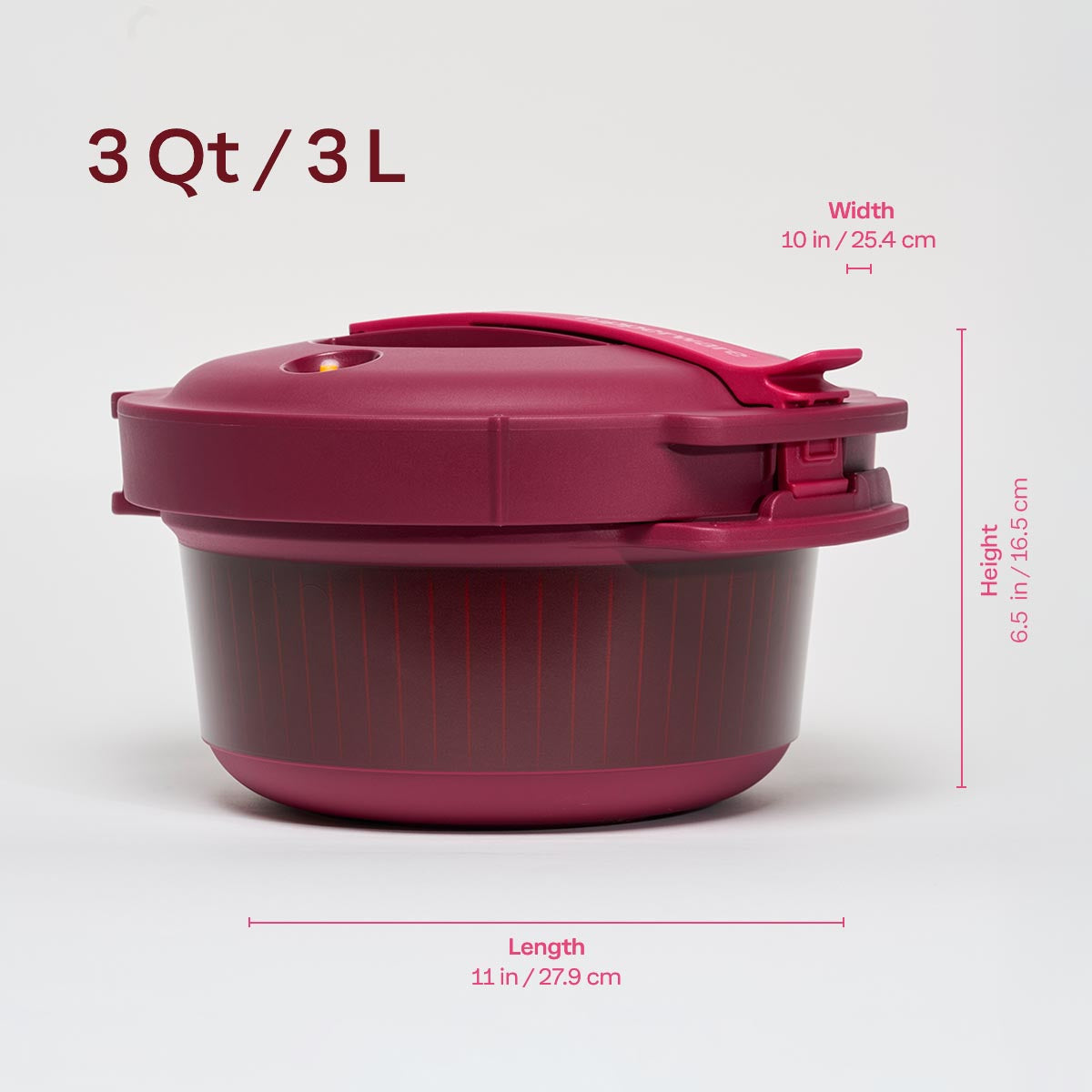
A microwave pressure cooker is a special cooking container that lets you use pressure cooking inside your microwave. Unlike traditional stovetop or electric pressure cookers, this device is made from microwave-safe plastic and is designed to handle steam and pressure safely.
When you cook with it, the cooker traps steam inside as the food heats up. The pressure rises, which cooks your food faster than regular microwave cooking. Most models have a locking lid and a safety valve. This keeps the cooker sealed until the pressure drops, making it much safer than old-fashioned stovetop versions.
Many people are surprised to learn that you can make stews, rice, beans, vegetables, and even desserts in a microwave pressure cooker. It’s not just for simple reheating—it’s for real, home-cooked meals.
Another detail worth noting: microwave pressure cookers are usually lightweight, so they are easy to handle even for people with less strength in their hands. This makes them a good choice for elderly cooks or anyone who finds heavy pots difficult to lift. Also, the plastic material means the outer surface does not get as hot as metal, reducing the risk of accidental burns.
Some brands include special accessories, such as steaming racks or recipe booklets, to help you get started. These add extra value and can inspire you to try new dishes beyond your usual routine.
How Does A Microwave Pressure Cooker Work?
To understand microwave pressure cooking, you need to know a bit about pressure cooking and microwaves. Traditional pressure cookers work by sealing liquid and food inside a pot. As the liquid heats, it turns to steam, raising the pressure and temperature. This cooks food faster and sometimes makes it taste better.
A microwave pressure cooker does the same, but it uses microwave energy. The microwaves heat the water inside the cooker. As steam builds up, it increases the pressure. The sealed lid keeps the steam inside until the cooking is done, then releases it slowly for safety.
The main differences:
- Material: Made from microwave-safe plastic, not metal.
- Heat source: Uses microwaves, not a stovetop or electric coil.
- Cooking times: Usually shorter than stovetop, but longer than regular microwaving.
Here’s an example: If you try to cook beans in a regular microwave-safe bowl, you’ll need 40–50 minutes, and the beans may not cook evenly. In a microwave pressure cooker, the beans cook in 18–22 minutes, and the results are much softer and more uniform.
A non-obvious point: Microwave pressure cookers rely on the right amount of liquid and a good seal to work. If the sealing ring is not fitted properly, the cooker won’t build enough pressure, and food will take much longer to cook. Always check the sealing ring is in place.
Also, because microwaves heat food unevenly, the pressure inside the cooker helps even out the temperature. This means dishes like rice or stews come out more consistent compared to using a regular microwave bowl.

Credit: www.amazon.com
Why Use A Microwave Pressure Cooker?
People choose microwave pressure cookers for many reasons. Here are some top benefits:
- Saves Time: Meals cook up to 50% faster than traditional methods. For example, brown rice can be done in 15 minutes instead of 40.
- More Nutrients: Shorter cooking times mean more vitamins and minerals stay in your food.
- Energy Efficient: You use less electricity because the microwave runs for a shorter time.
- Safe and Easy: Most models have safety valves and cannot be opened under pressure. There’s less risk of burns.
- Simple Clean-Up: Fewer pots and pans to wash. Many cookers are dishwasher safe.
- Versatile: You can cook grains, beans, soups, curries, and even cakes.
- Great for Small Kitchens: No need for a big stove or extra appliances.
One thing beginners miss is that these cookers are perfect for batch cooking. You can prepare several meals at once and store them for later.
Another advantage is less kitchen heat. Traditional stovetop cooking can make your kitchen hot and uncomfortable, especially in summer. With a microwave pressure cooker, most of the heat stays inside the cooker, so your kitchen stays cooler.
Also, if you’re new to cooking, microwave pressure cookers remove a lot of guesswork. The clear instructions and safety features mean you don’t need advanced cooking skills to get good results. Families with children or teens learning to cook will find this tool a gentle introduction to homemade meals.
Choosing The Right Microwave Pressure Cooker
Not all microwave pressure cookers are the same. Here’s what to look for:
- Size: Common sizes are 2 to 3 liters. Pick one that matches your family size.
- Material Quality: Only buy BPA-free, food-grade plastic.
- Lid Lock: The lid should lock securely and have a strong sealing ring.
- Pressure Release Valve: This is a must for safety.
- Ease of Use: Look for clear markings and simple instructions.
- Dishwasher Safe: Makes cleaning much easier.
Let’s compare some popular models:
| Brand/Model | Capacity | Safety Valve | Dishwasher Safe | Price Range (USD) |
|---|---|---|---|---|
| Tupperware Microwave Pressure Cooker | 2.25 L | Yes | Yes | 90–120 |
| SilverStone Microwave Pressure Cooker | 3.2 L | Yes | Yes | 35–55 |
| Prestige Microchef | 2 L | Yes | Yes | 30–50 |
Pro tip: If your microwave is small, measure the inside first. Some cookers are wide and might not fit.
Think about the recipes you’ll use most. If you plan to cook mainly rice or beans, a smaller size might work. For stews or soups for a family, pick a bigger model. Also, some brands offer replacement parts (like sealing rings or valves), which makes the cooker last longer.
A common mistake is buying a cooker just because it’s cheap. Lower-quality models may warp, leak, or have poor seals, which affects both safety and cooking results. Investing in a trusted brand is usually worth it.

Credit: www.amazon.com
Safety Precautions Before You Start
Pressure cooking is safe if you follow the rules. Here are important tips:
- Check the Seals and Valves: Always inspect the sealing ring and pressure valve before use. If they look damaged, do not use the cooker.
- Do Not Overfill: Fill only to the max line (usually 2/3 full). For beans or grains, fill just halfway—they expand.
- Add Enough Liquid: Pressure cookers need water or broth to make steam. Never use less than the minimum in the manual (often 1/4 cup).
- Release Pressure Safely: Use a towel or oven mitt when opening the valve. Keep your face and hands away from steam.
- Follow the Manual: Each model has its own rules. Read them before first use.
A mistake beginners make is forgetting to check the pressure valve for clogs. Always make sure it’s clear.
Another safety detail: After several uses, the sealing ring can stretch or crack. If you notice it doesn’t fit tightly, order a replacement before using the cooker again. Some cooks keep an extra sealing ring handy for this reason.
Also, avoid cooking foods that foam a lot, like oatmeal or split peas, unless your manual says it’s safe. These foods can block the valve and cause problems. When in doubt, choose recipes recommended by the manufacturer.
Step-by-step: How To Use A Microwave Pressure Cooker
Let’s break down the process into clear steps.
1. Gather Ingredients And Tools
You’ll need:
- Microwave pressure cooker
- Your chosen recipe ingredients
- Measuring cups and spoons
- Water, broth, or another liquid
- Microwave-safe utensils
Having all tools ready before you start makes the process smoother and helps you avoid missing a step.
2. Prepare Ingredients
Wash, chop, or measure your ingredients. For even cooking, cut vegetables and meat to similar sizes.
For example, if cooking stew, chop potatoes, carrots, and meat into roughly 2–3 cm pieces. This helps them cook at the same rate and avoids hard or undercooked bits.
3. Add Ingredients To Cooker
Place food inside the cooker. Add seasoning, herbs, and the required amount of liquid. Never fill above the max line.
Tip: For rice and beans, rinse them first. This helps prevent foaming.
Also, layer dense foods (like root vegetables or meat) at the bottom, with lighter or quick-cooking items on top. This ensures everything cooks evenly.
4. Seal The Cooker
Lock the lid in place. Make sure the sealing ring is fitted and the valve is clear.
You’ll often hear a “click” when the lid locks. If you don’t, check if the ring is out of place or if something is blocking the seal.
5. Set The Microwave Power And Time
Most recipes use full power (high). Set the timer as the recipe says. If you’re not sure, start with the shortest time and check for doneness.
Example: For 1 cup of brown rice, cook for 15 minutes on high.
If your microwave is less powerful (700–800W), add 1–2 minutes to the cooking time. For higher wattage, you may need to reduce it slightly.
6. Wait For Pressure Release
After cooking, let the pressure drop. This can be:
- Natural Release: Leave the cooker in the microwave until the valve drops (5–10 minutes).
- Quick Release: Carefully turn the valve with a towel to let out steam.
Never force the lid open.
Some recipes (like stews) taste better with natural release, as the food continues to cook gently and stays tender.
7. Open And Serve
Once pressure is released, unlock the lid. Stir your food, check for doneness, and serve.
If you find the food isn’t cooked enough, you can close the lid and microwave for a few more minutes. Just add a little extra liquid if needed.
8. Clean Up
Wash the lid, base, and sealing ring. Most parts are dishwasher safe, but always check your manual.
If you’ve cooked something sticky (like rice or beans), soak the cooker in warm water for 15 minutes before cleaning. This makes it easier to remove any residue.
Cooking Times For Common Foods
Here’s a quick guide to cooking times. Adjust these based on your microwave’s wattage.
| Food | Amount | Cooking Time (High) | Natural Release Time | Liquid Required |
|---|---|---|---|---|
| White Rice | 1 cup | 10 min | 5 min | 1.5 cups water |
| Brown Rice | 1 cup | 15 min | 10 min | 2 cups water |
| Chicken (cubed) | 500g | 12 min | 5 min | 1 cup broth |
| Pasta | 250g | 8 min | 5 min | 4 cups water |
| Potatoes (diced) | 2 cups | 8 min | 5 min | 1 cup water |
| Carrots (sliced) | 2 cups | 6 min | 5 min | 0.5 cup water |
Note: High-powered microwaves (1000W+) may need less time. Test with your model.
It’s a good idea to write down what works for your microwave and cooker. Over time, you’ll develop your own timing chart for favorite foods.
Sample Recipes For Beginners
Trying your first recipe is the best way to learn. Here are two easy examples.
Simple Vegetable Stew
Ingredients:
- 2 cups chopped mixed vegetables (carrot, potato, celery)
- 1 small onion, diced
- 2 cloves garlic, minced
- 2 cups vegetable broth
- 1 tsp dried thyme
- 1/2 tsp salt
- 1/4 tsp black pepper
Steps:
- Add all ingredients to the cooker.
- Lock the lid and ensure the valve is clear.
- Microwave on high for 12 minutes.
- Let pressure release naturally (about 8 minutes).
- Open, stir, and serve hot.
To add protein, toss in a handful of cooked beans or diced tofu before sealing.
Fast Mexican Rice
Ingredients:
- 1 cup long-grain white rice, rinsed
- 1.5 cups chicken broth
- 1/2 cup tomato sauce
- 1/2 cup frozen peas
- 1 tsp cumin
- 1/2 tsp salt
Steps:
- Place rice, broth, tomato sauce, peas, and spices into the cooker.
- Lock the lid.
- Microwave on high for 10 minutes.
- Let pressure release naturally for 5 minutes.
- Fluff rice with fork and serve.
Insider tip: Don’t add dairy (like milk or cheese) until after pressure cooking. Dairy can foam and block the valve.
For a twist, stir in chopped cilantro or lime juice after cooking.
Credit: www.tupperware.com
Cleaning And Maintenance
Taking care of your microwave pressure cooker helps it last longer and keeps food tasting fresh.
- Disassemble Parts: Remove the sealing ring and valve for cleaning.
- Wash Right Away: Rinse after each use to avoid stains and smells.
- No Harsh Scrubbers: Use a soft sponge. Rough pads can scratch the plastic.
- Check for Residue: Make sure the pressure valve is clear. Small food particles can block it.
- Dry Completely: Let all parts air dry before storing.
A non-obvious insight: Some odors (like curry or garlic) can stay in the plastic. To remove them, soak the cooker in a baking soda solution overnight.
If your cooker becomes stained (for example, after cooking tomato-based dishes), leaving it in sunlight for a few hours can help fade the stains. Also, once a month, check the sealing ring for cracks or signs of wear, and replace as needed.
Common Mistakes And How To Avoid Them
Even experienced cooks can make errors with microwave pressure cookers. Here’s how to avoid common pitfalls:
- Overfilling: Too much food or liquid can block the valve or cause leaks. Stick to the max fill line.
- Not Enough Liquid: Without enough water or broth, steam can’t build. Food may burn or not cook fully.
- Forgetting to Check the Valve: A blocked valve is a safety risk. Always check before each use.
- Opening Too Soon: If you force the lid, steam can burn you. Wait until pressure drops fully.
- Using the Wrong Power Setting: Most recipes use high. Low power won’t build enough pressure.
- Not Cutting Food Evenly: Uneven pieces cook at different rates. Try to keep sizes similar.
- Adding Dairy or Thick Sauces Early: These can foam and block the valve. Add after cooking.
One beginner mistake is not adjusting cooking times for their own microwave. If your food is undercooked, add 1–2 minutes next time.
Another detail: Don’t use metal utensils to stir or serve from the plastic pot, as this can scratch the surface and shorten its life.
Advanced Tips For Best Results
To get more from your microwave pressure cooker, try these advanced tips:
- Layer Flavors: Sauté onions or spices in a bit of oil (using the microwave) before pressure cooking. This brings out more flavor.
- Batch Cooking: Make extra rice, beans, or stew. Freeze in small portions for quick future meals.
- Use for Desserts: You can make bread pudding, steamed cakes, or puddings. Just grease the cooker well and follow the recipe.
- Steam Vegetables Separately: Place a small rack or basket above your main dish. Cook vegetables and protein at the same time.
- Try New Grains: Millet, quinoa, and farro all work in these cookers.
- Adjust for Altitude: If you live at high altitude, add a few extra minutes to cooking time.
As you get comfortable, experiment with world cuisines. Indian dals, Asian-style steamed fish, or Mediterranean stews all adapt well to pressure cooking. And remember, you can use the same basic cooker for both savory and sweet dishes—just wash thoroughly between uses.
Microwave Pressure Cooker Vs. Other Cooking Methods
Let’s see how microwave pressure cookers compare to other options:
| Method | Average Cook Time | Energy Use | Cleanup | Safety |
|---|---|---|---|---|
| Microwave Pressure Cooker | 10–20 min | Low | Easy | High (with correct use) |
| Stovetop Pressure Cooker | 15–30 min | Medium | Medium | Medium |
| Electric Pressure Cooker | 15–35 min | Medium | Medium | High |
| Regular Microwave | 5–30 min | Low | Easy | High |
| Boiling/Stovetop | 20–50 min | High | Hard | High |
Microwave pressure cookers are fastest for grains, beans, and stews. For large cuts of meat, a traditional pressure cooker may work better.
One non-obvious benefit: Unlike electric pressure cookers (such as Instant Pots), microwave models are easy to store in a small kitchen drawer. Their simple design also means fewer parts can break or malfunction.
Frequently Asked Questions
Can I Cook Meat In A Microwave Pressure Cooker?
Yes, you can cook chicken, beef, pork, and fish. Cut meat into even pieces for best results. Use enough liquid, and check doneness before serving. Very large cuts may not cook evenly.
A helpful tip: For tougher meats, add spices and let the meat marinate in the cooker (off heat) for 10–15 minutes before cooking. This improves flavor and tenderness.
Is It Safe To Cook Beans And Lentils?
Beans and lentils are safe, but only fill the cooker halfway. They expand and can foam during cooking. Always soak dried beans first and use enough water. Never cook split peas or barley, as they can clog the valve.
If you want softer beans, let them sit in the hot liquid for 5 extra minutes after cooking before opening the lid.
How Do I Know When The Pressure Is Released?
Most cookers have a pressure indicator or a steam release valve. Wait until all steam is gone and the valve drops or stops hissing. Never try to open the lid before this happens.
If you’re in a hurry, use a towel to gently turn the valve and release steam, but do this with care.
Can I Reheat Leftovers In A Microwave Pressure Cooker?
Yes, but don’t lock the lid or seal the valve. Use the cooker as a regular microwave container. Pressure is not needed for reheating.
If reheating, stir halfway to avoid cold spots, especially with thick foods like chili or stew.
Where Can I Find Recipes For My Microwave Pressure Cooker?
Many cookers come with a recipe booklet. You can also find recipes on manufacturer websites or cooking blogs. For more details, check the Wikipedia pressure cooking entry for science-backed information.
Cooking with a microwave pressure cooker saves time and energy, and once you know the basics, it’s easy to create healthy meals every day. Start with simple recipes, follow safety rules, and you’ll soon enjoy fast, tasty food with less hassle.
As you practice, you’ll discover your favorite recipes and cooking times. With the right approach, your microwave pressure cooker will become one of your most-used kitchen tools.