
Pentair Drain Plug Wrench Size: A Complete Guide for Pool Owners
Maintaining a swimming pool is rewarding, but sometimes small details create big questions. One common issue is figuring out the Pentair drain plug wrench size. If you have a Pentair pool pump, filter, or heater, knowing the correct wrench size is essential. The wrong tool can damage the plug, cause leaks, or delay your pool maintenance. This guide will help you understand everything about Pentair drain plug wrenches, including exact sizes, how to use them, and tips for making pool care easier.
Many pool owners struggle with stuck drain plugs or stripped heads. Often, the problem is simple: using the wrong wrench size. This article will answer all your questions, from which wrench to buy to how to avoid mistakes. Whether you are a new pool owner or an experienced technician, you’ll find practical advice and clear explanations here. Even if you do your own pool maintenance only once or twice a year, knowing these small details can save you time, money, and a lot of frustration.
What Is A Pentair Drain Plug?
A Pentair drain plug is a small but vital part of your pool equipment. It is usually found at the bottom of Pentair pumps, filters, and heaters. The plug lets you drain water from the system for cleaning, winterizing, or repairs. Without the right plug, water stays inside, leading to freezing, algae, or equipment damage.
The drain plug has a hex head or slot, so you need a wrench or screwdriver to remove it. Over time, these plugs can become tight or corroded, making the right tool even more important. Some plugs also have O-rings to prevent leaks, which can be damaged if you use the wrong wrench.
Not all drain plugs look the same. Some are made from durable plastic, which helps prevent corrosion, while others are brass or stainless steel for heavy-duty applications. The material can affect both the tool needed and how much force you should use.
For example, metal plugs are less likely to strip, but they can seize from rust. Plastic plugs are easier to turn, but crack if overtightened or if the wrong tool is used.
In some cases, Pentair plugs include a small drain hole or “weep hole” to allow slow draining or pressure equalization. If your plug has this feature, it’s especially important not to overtighten or damage it, as it could compromise the function of the plug and the safety of your equipment.
Why The Correct Wrench Size Matters
Using the correct wrench size is not just about convenience. It protects your equipment and saves you time. Here’s why:
- The right wrench fits snugly, preventing slipping and rounding of the plug.
- A stripped drain plug is hard to remove and may require expensive repairs.
- Using the wrong tool can break the plug or the housing, causing leaks.
- Proper tools help you finish the job faster and safer.
Some pool owners use pliers or adjustable wrenches. These can work in emergencies, but they often damage the plug. It’s best to use the exact size for your Pentair plug.
An overlooked detail is that using a wrench that’s even slightly too large can “round off” the corners of the hex head. This means the next time you try to remove the plug, your tool won’t grip, and you might need a special extractor.
If you always use the correct size, your plug will last longer, and you avoid the risk of needing costly repairs or replacements.
Another benefit is safety. When you use the wrong tool, you often need to apply much more force. If the wrench slips, you can injure your hand or hit nearby equipment. Using the right tool means less chance of sudden slips and accidents.
Common Pentair Drain Plug Types And Sizes
Pentair makes several types of pumps and filters, each with its own drain plug size. Here are the most common:
1. Pentair Superflo And Whisperflo Pumps
These pumps use a hex-head plastic drain plug. The most common size is 9/16 inch.
2. Pentair Challenger And Pinnacle Pumps
These also use a hex-head plug, usually 9/16 inch.
3. Pentair Clean & Clear Cartridge Filters
The drain plug is often smaller, typically 7/16 inch.
4. Pentair Sand Filters (triton Ii, Tagelus)
The drain plug may use a slotted head (for a flathead screwdriver) or a hex head, often 9/16 inch.
5. Pentair Mastertemp Heaters
These usually use a 7/16 inch hex plug.
6. Older Pentair Models Or Brass Plugs
Some older or commercial models use 3/4 inch or 1/2 inch plugs.
Below is a quick reference for common Pentair drain plug sizes:
| Equipment | Plug Type | Wrench Size |
|---|---|---|
| SuperFlo / WhisperFlo Pump | Hex Head | 9/16 inch |
| Challenger / Pinnacle Pump | Hex Head | 9/16 inch |
| Clean & Clear Filter | Hex Head | 7/16 inch |
| Triton II / Tagelus Sand Filter | Hex or Slot | 9/16 inch |
| MasterTemp Heater | Hex Head | 7/16 inch |
| Older Models | Brass Hex Head | 1/2 or 3/4 inch |
It’s helpful to know that even within the same product family, there may be exceptions. For instance, some replacement pumps or filters may come with slightly different plug sizes, especially if they are manufactured for international markets. Always double-check the plug on your actual equipment before buying a wrench, especially if you bought your system used or inherited it from a previous homeowner.
How To Identify Your Pentair Drain Plug Size
If you are unsure about your plug size, here are easy ways to check:
1. Check The Owner’s Manual
Most Pentair manuals include the drain plug size in the maintenance section.
2. Look At The Plug
Remove debris around the plug. If it has a hex head, measure across the flats with a ruler.
3. Try Standard Wrenches
Start with a 7/16 inch and a 9/16 inch box-end wrench. Do not force if it doesn’t fit.
4. Contact Pentair Support
If you have a rare model, contact customer service with your serial number.
5. Ask Your Pool Service
Experienced technicians can identify the size quickly.
Many pool owners do not realize that plug sizes are not universal, even within Pentair equipment. Always check before buying a new wrench.
For best accuracy, use a caliper to measure the plug head. Even a simple plastic caliper from a hardware store gives a better reading than a tape measure. If you have several pieces of equipment, label each wrench with a marker so you don’t mix them up.
Some owners keep a small toolkit near their pool equipment for this reason.
If your equipment manual is missing, you can usually find a digital copy on Pentair’s website. Search for your model number, often found on a sticker or plate on the pump or filter. If you still cannot find the size, take a clear photo of the plug and bring it to a pool supply store—staff can often identify it by sight.
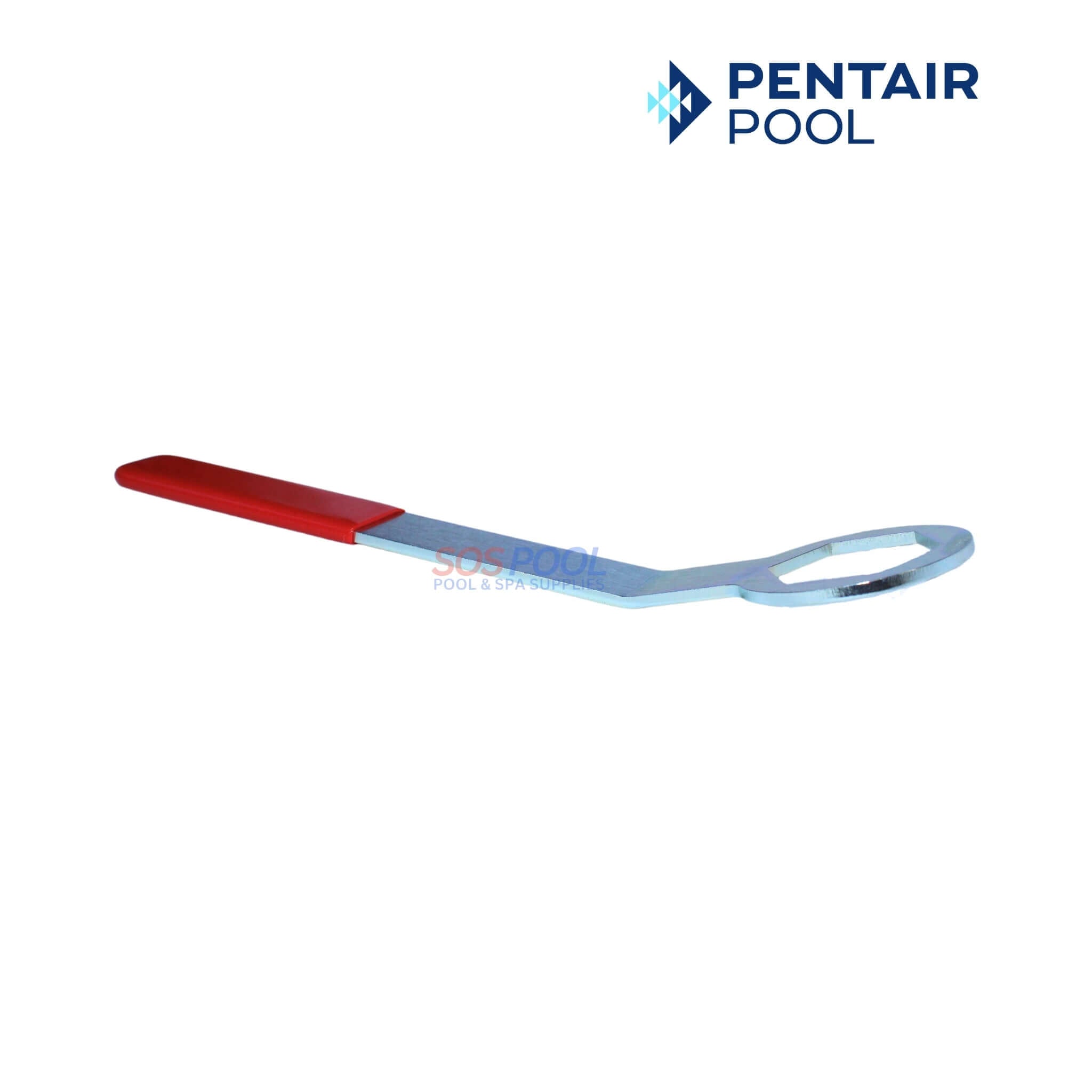
Credit: www.sospool.com
How To Use A Drain Plug Wrench Properly
Removing and installing a drain plug is simple, but mistakes are common. Here’s how to do it right:
1. Turn Off All Power
Always shut off the pool pump and heater before starting.
2. Relieve Pressure
Open the air relief valve on the filter to let out trapped air.
3. Choose The Right Wrench
Use a snug-fitting box-end or socket wrench. Avoid adjustable wrenches if possible.
4. Turn Counterclockwise To Remove
Apply steady, even pressure. If stuck, tap the wrench gently with a rubber mallet.
5. Check The O-ring
When the plug is out, inspect the O-ring for cracks or flattening.
6. Reinstall Carefully
Tighten the plug by hand first, then snug with the wrench. Do not overtighten.
If the plug is corroded or stuck, do not force it. Use penetrating oil and wait. For plastic plugs, avoid metal tools to prevent cracking.
A small tip that helps: When reinstalling, always make sure the threads start easily by hand. If you feel resistance right away, the plug may be cross-threaded. Back it out and start again. Cross-threading can ruin the plug or the housing.
Another overlooked detail is to avoid working on drain plugs when the equipment is hot from running. Let it cool first—heat can soften plastic plugs or expand metal, making removal tricky.
Finally, after reinstalling the plug, run the system and check for leaks immediately. If you see a slow drip, stop and reseat the plug or replace the O-ring.
Best Wrenches For Pentair Drain Plugs
Choosing a high-quality wrench makes the job easier and safer. Here are some good options:
- 6-point box-end wrenches: These grip the plug evenly and prevent rounding.
- Socket wrenches: Excellent for tight spaces and stubborn plugs.
- Combination wrenches: Useful if you need both open and closed ends.
Avoid pliers, channel locks, or adjustable wrenches unless necessary. These can slip and damage the plug.
Here’s a simple comparison of popular wrench types for pool work:
| Wrench Type | Pros | Cons |
|---|---|---|
| 6-point Box-End | Secure fit, no slip | Can be bulky in tight spots |
| Socket Wrench | Easy in small areas, less effort | Needs ratchet and socket set |
| Adjustable Wrench | Works for many sizes | Can slip, may round plug |
| Pliers | Useful in emergencies | Damages plastic plugs |
A practical tip: Buy a short “stubby” wrench if your equipment is installed close to a wall or in a tight equipment pad. Sometimes, regular-length wrenches are too long to fit. Also, consider a socket with a swivel head for hard-to-reach plugs.
Another thing most people miss is that a worn-out wrench can damage a plug just like a wrong-size one. If your wrench jaws are spread, or the corners rounded, it’s time to replace it.
Mistakes To Avoid When Removing Pentair Drain Plugs
Many pool owners damage plugs by making the same errors. Here are common mistakes and how to avoid them:
1. Using The Wrong Size Wrench
This strips the plug quickly, especially if it’s plastic.
2. Overtightening
Tightening too much can crack the plug or the pump housing.
3. Forgetting To Check The O-ring
A dry or cracked O-ring causes leaks after reassembly.
4. Using Metal Tools On Plastic Plugs
Metal tools can chew up the soft plastic, making future removal difficult.
5. Not Relieving System Pressure
High pressure can make the plug shoot out or cause injury.
6. Ignoring Corrosion
For metal plugs, corrosion can weld the plug in place. Use oil or replace if needed.
Another mistake is not cleaning the plug or the housing threads before reinstallation. Grit or debris can prevent a proper seal and make the plug difficult to remove next time. Take a moment to wipe both with a clean rag.
One more: Never bang on a stuck plug with a hammer. The jolt can crack plastic housings or break the plug off completely, making repair much harder.
How To Replace A Damaged Drain Plug
If your plug is stripped or cracked, here’s what to do:
1. Remove The Old Plug
Use a socket extractor if necessary. For rounded plugs, grip with locking pliers.
2. Clean The Threads
Remove debris or old Teflon tape with a brush.
3. Check The O-ring And Replace If Needed
A new O-ring ensures a watertight seal.
4. Install The New Plug
Hand-tighten first, then snug with the correct wrench.
5. Test For Leaks
Fill the pump or filter and check for drips.
Replacement plugs are easy to find at pool supply stores or online. Always buy the correct size for your Pentair model.
If you have trouble removing a damaged plug, try spraying penetrating oil and letting it soak for an hour. If that fails, some pool pros use a small hacksaw blade to carefully cut a slot in the plug head, then turn it out with a flat screwdriver.
This is delicate work—if you’re not sure, call a technician.
It’s also a good idea to buy two replacement plugs and keep one as a spare. During busy pool season, stores sometimes run out, and you don’t want to be waiting for a mail order with your pool out of service.
Tips For Long-lasting Drain Plugs
Making your drain plug last longer saves money and time. Here are some helpful tips:
- Lubricate the O-Ring: Use silicone lubricant before installing.
- Do Not Overtighten: Just snug is enough.
- Remove Debris: Clean the area around the plug before removal.
- Replace Old Plugs: Change plastic plugs every 2-3 years or if cracked.
- Store Properly in Winter: Remove plugs during winterizing to avoid freeze damage.
Another pro tip is to mark the plug with the date you last replaced it using a permanent marker. This way, you won’t forget how old it is. If you use your pool year-round, check the plug every spring for signs of wear.
Some owners like to keep a small tube of silicone grease in their pool kit. It’s cheap and makes a big difference in plug and O-ring life.
Finally, for those in areas with harsh winters, store the plug in a labeled bag attached to your pool equipment. This prevents losing it and makes reassembly in spring easier.
How To Find The Right Replacement Plug Or Wrench
If you need a new plug or wrench, here’s a step-by-step method:
- Identify Your Equipment Model: Check the nameplate or manual.
- Measure the Old Plug: Use calipers or a ruler across the hex flats.
- Match Wrench Size: Buy a quality 6-point wrench or socket set.
- Buy from Trusted Brands: Pentair original parts are best, but some generic plugs fit as well.
- Keep a Spare Plug: Having a backup saves trouble during emergencies.
Many beginners miss the importance of using original Pentair parts. Generic parts can fit, but sometimes the threads or O-rings are slightly different, leading to leaks or damage.
If you shop online, check product reviews and the part number to be sure. There are many third-party sellers, and sometimes the wrong part is listed as “compatible. ” When in doubt, call a pool supply store or Pentair’s support line.
If you’re in a pinch and need to use a generic plug, always compare the threads and O-ring size before installing. If they don’t match exactly, wait for the correct part to avoid damage.
Practical Example: Changing The Drain Plug On A Pentair Superflo Pump
Let’s walk through a real-life example:
- Turn Off Power: Shut off all breakers to the pool equipment.
- Release Air: Open the air relief valve on your filter.
- Locate the Drain Plug: It’s at the bottom of the pump strainer housing.
- Select the Right Wrench: Use a 9/16 inch 6-point box-end wrench.
- Remove the Plug: Turn counterclockwise. If tight, tap gently with a mallet.
- Inspect the O-Ring and Plug: Replace if cracked or worn.
- Clean the Threads: Use a brush to remove dirt.
- Reinstall: Hand-tighten, then snug with the wrench.
- Restore Power and Test: Look for leaks when the pump starts.
This simple process prevents most leaks and plug problems.
As an added tip, keep a towel or small bucket under the plug when removing it. This catches any water and keeps your equipment pad dry. If you have trouble seeing the plug, use a small mirror or your phone’s camera to check the alignment as you reinstall.
Why Some Plugs Stick Or Leak
Two things make drain plugs hard to remove: corrosion and overtightening. Metal plugs in older systems can rust and seize. Plastic plugs can deform if overtightened. Leaks usually come from a damaged O-ring or cross-threaded plug.
Pro tip: Apply a little pool lube to the O-ring and plug threads every season. This helps prevent sticking and makes removal easier next time.
Another reason for leaks is dirt or sand in the threads. A quick wipe before installation can save you from a slow drip later. If you live in an area with hard water, scale can also build up on plug threads—use a soft brush and vinegar to clean them once a year.
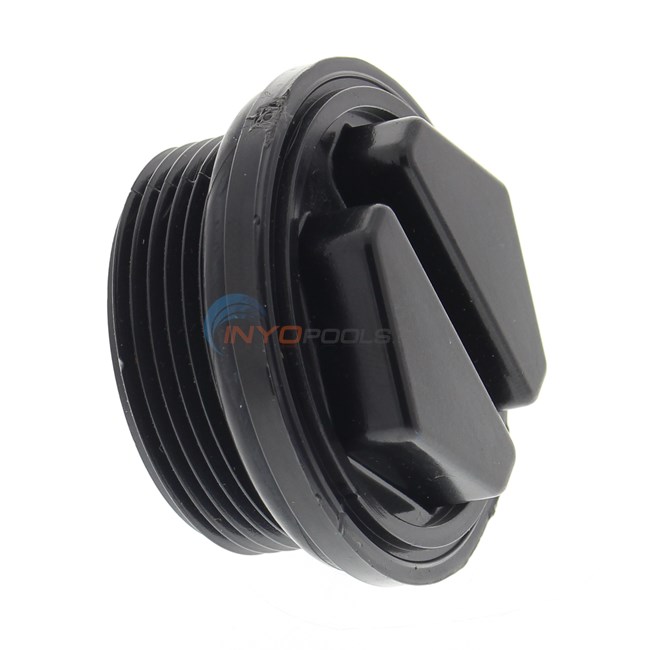
Credit: www.inyopools.com
When To Call A Professional
If your plug is stuck, rounded, or leaking and you can’t fix it, call a pool technician. Forcing a stuck plug can crack the pump or filter, costing hundreds to replace. Professionals have extractors and tools to remove damaged plugs without breaking the housing.
If you have tried all the steps above and the plug still won’t move, don’t keep increasing force. Pool techs often see housings cracked from DIY attempts. The cost of a service call is much less than replacing an entire pump or filter.
Data: Most Common Pentair Plug Sizes Used In The U.s.
Based on pool technician surveys and parts sales:
| Plug Size | Estimated Usage (%) |
|---|---|
| 9/16 inch | 67% |
| 7/16 inch | 22% |
| 1/2 inch | 6% |
| 3/4 inch | 5% |
The 9/16 inch size fits most Pentair pumps and sand filters.
If you aren’t sure, start with 9/16 inch and 7/16 inch wrenches, as these two sizes cover almost 90% of Pentair pool equipment. This small investment can save you lots of headaches.
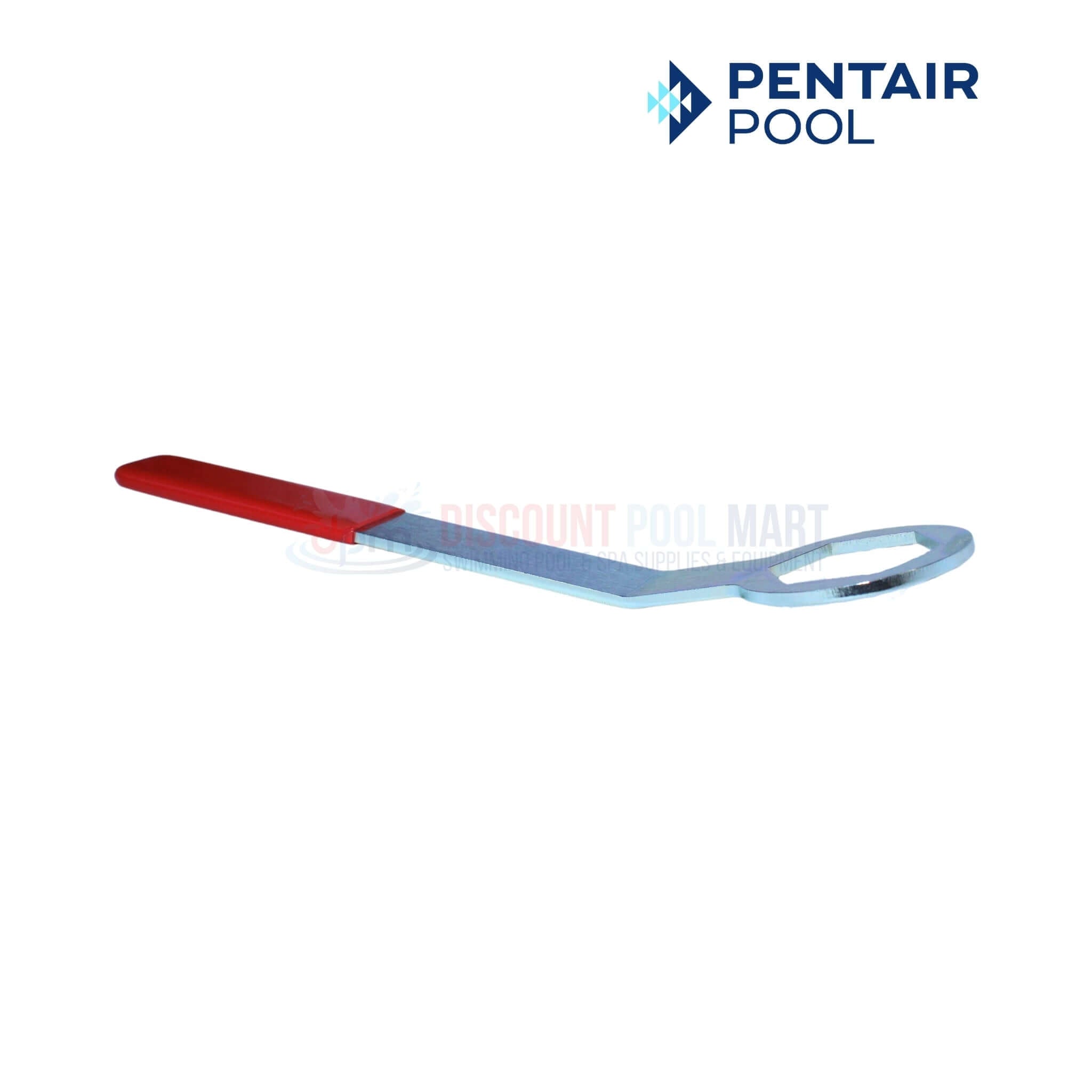
Credit: discountpoolmart.com
Non-obvious Insights Most Pool Owners Miss
1. Seasonal Changes Can Affect Plug Fit
Cold weather can shrink plastic slightly, making plugs harder to remove in spring. Warm the plug area with a hair dryer (not a heat gun) before removal.
2. Thread Sealants Matter
Some Pentair plugs use a factory-applied sealant. When replacing, use Teflon tape or a silicone thread sealant sparingly. Too much can block threads and make removal harder next time.
3. Plugs Are Not Always Interchangeable
Even if two plugs look the same, O-ring grooves or thread depth may differ. Always match the part number if possible.
4. Stuck Plug? Avoid Power Tools
Using an impact wrench or drill can crack the housing. Always use hand tools.
5. Keep A Log Of Parts
Write down your plug size and part numbers for faster future repairs.
6. Check For Hidden Leaks After Installation
Sometimes a plug will seal at first, but a slow leak develops after a few hours. Check again after the system has run for a day.
7. Store A Spare O-ring With Your Plug
O-rings are cheap and easy to lose. Keeping a spare with your plug saves a trip to the store.
8. Label Your Wrenches
If you maintain more than one piece of equipment, label each wrench by size and use (for example, “pump plug” or “filter plug”) to prevent confusion during maintenance.
Where To Get More Information
If you want to confirm your drain plug size or get official instructions, visit the Pentair website or your equipment manual. For a comprehensive parts database, check [Pentair’s official parts catalog](https://www.pentair.com/en-us/products/pool-spa-equipment.html).
You can also ask questions in pool owner forums or call a certified pool professional if you need advice on less common models.
Frequently Asked Questions
What Size Wrench Fits Most Pentair Pump Drain Plugs?
Most Pentair pool pumps, including SuperFlo and WhisperFlo, use a 9/16 inch wrench for the drain plug. However, always check your specific model before buying a tool.
Can I Use Pliers Instead Of A Wrench On A Pentair Plug?
It’s possible, but not recommended. Pliers can slip, round off the hex head, or break plastic plugs. Always use a properly fitting box-end or socket wrench for best results.
How Tight Should I Make The Drain Plug?
Only snug the plug—do not overtighten. Hand-tighten first, then use the wrench to give it a gentle snug turn. Overtightening can crack plastic plugs or the pump housing.
What Should I Do If My Drain Plug Is Stuck?
Try applying a silicone lubricant or penetrating oil and wait 10-15 minutes. Tap gently with a rubber mallet. If it still won’t move, call a pool professional to avoid cracking the equipment.
Where Can I Find The Part Number For My Pentair Drain Plug?
The part number is usually listed in your equipment’s owner’s manual or on the Pentair website. If you can’t find it, contact Pentair support with your equipment model and serial number.
Knowing the correct Pentair drain plug wrench size is a small detail that makes a big difference in pool care. With the right tools and knowledge, you’ll save time, avoid damage, and keep your pool running smoothly year after year. Even if you only do this job once a season, getting it right means less stress and more time enjoying your pool.