
Is Pool Shock The Same As Bleach
When you care for a swimming pool, you want the water to be clean, clear, and safe. You may have heard people say that pool shock and bleach do the same thing—they disinfect water. But are they really the same? This question confuses many pool owners, and using the wrong product can lead to cloudy water, damaged pool equipment, or even health risks. In this guide, you’ll learn exactly what separates pool shock from bleach, how each works, and when (or if) you can substitute one for the other. Let’s clear up the confusion and help you make smart, safe choices for your pool.
What Is Pool Shock?
Pool shock is a chemical treatment used to quickly raise the level of chlorine in pool water. The main goal is to kill bacteria, algae, and other harmful organisms fast. Shocking is different from regular chlorination—it’s a powerful burst of sanitizer, not slow daily maintenance.
Pool shock is not a single chemical. Most products sold as pool shock contain:
- Calcium Hypochlorite (Cal Hypo): A white, granular solid. Very common in pool stores.
- Sodium Dichloro-s-Triazinetrione (Dichlor): A stabilized chlorine, often in powder or granular form.
- Sodium Hypochlorite: Sometimes sold as liquid pool shock, but at higher concentration than regular bleach.
The active ingredient in most pool shock is a strong oxidizer, which means it attacks and destroys contaminants quickly.
How Pool Shock Works
When you add pool shock, the high dose of chlorine breaks up contaminants by oxidation. It destroys:
- Chloramines: These are combined chlorine molecules that cause eye irritation and a strong chlorine smell.
- Algae: Green, black, or yellow algae that can make pool water look dirty.
- Bacteria and Viruses: Harmful microorganisms that can cause illness.
Pool shock is designed for occasional, powerful treatment—not for daily use. Most pool owners shock their pools after a big pool party, a heavy rainstorm, or if the water turns cloudy or smells strongly of chlorine. The shock treatment helps restore clean, balanced water quickly.
An important detail: shock treatments often require you to keep swimmers out of the water until chlorine levels drop back to a safe range. This is because the chlorine concentration right after shocking is much higher than normal maintenance levels.
Types Of Pool Shock
Not all pool shocks are equal. Here’s a quick summary of the main types:
| Type | Main Ingredient | Available Chlorine (%) | Typical Use |
|---|---|---|---|
| Calcium Hypochlorite | Calcium Hypochlorite | 65-75% | General pool shocking |
| Dichlor | Sodium Dichloro-s-Triazinetrione | 55-62% | Shocking vinyl or salt pools |
| Liquid Chlorine | Sodium Hypochlorite | 10-12.5% | Quick, large volume shocking |
| Non-Chlorine Shock | Potassium Monopersulfate | 0% | Oxidizing without chlorine |
A subtle but useful tip: Non-chlorine shock can let you swim sooner after treatment, as it doesn’t raise chlorine levels. This is helpful if you need to oxidize contaminants without raising chlorine.
What Is Bleach?
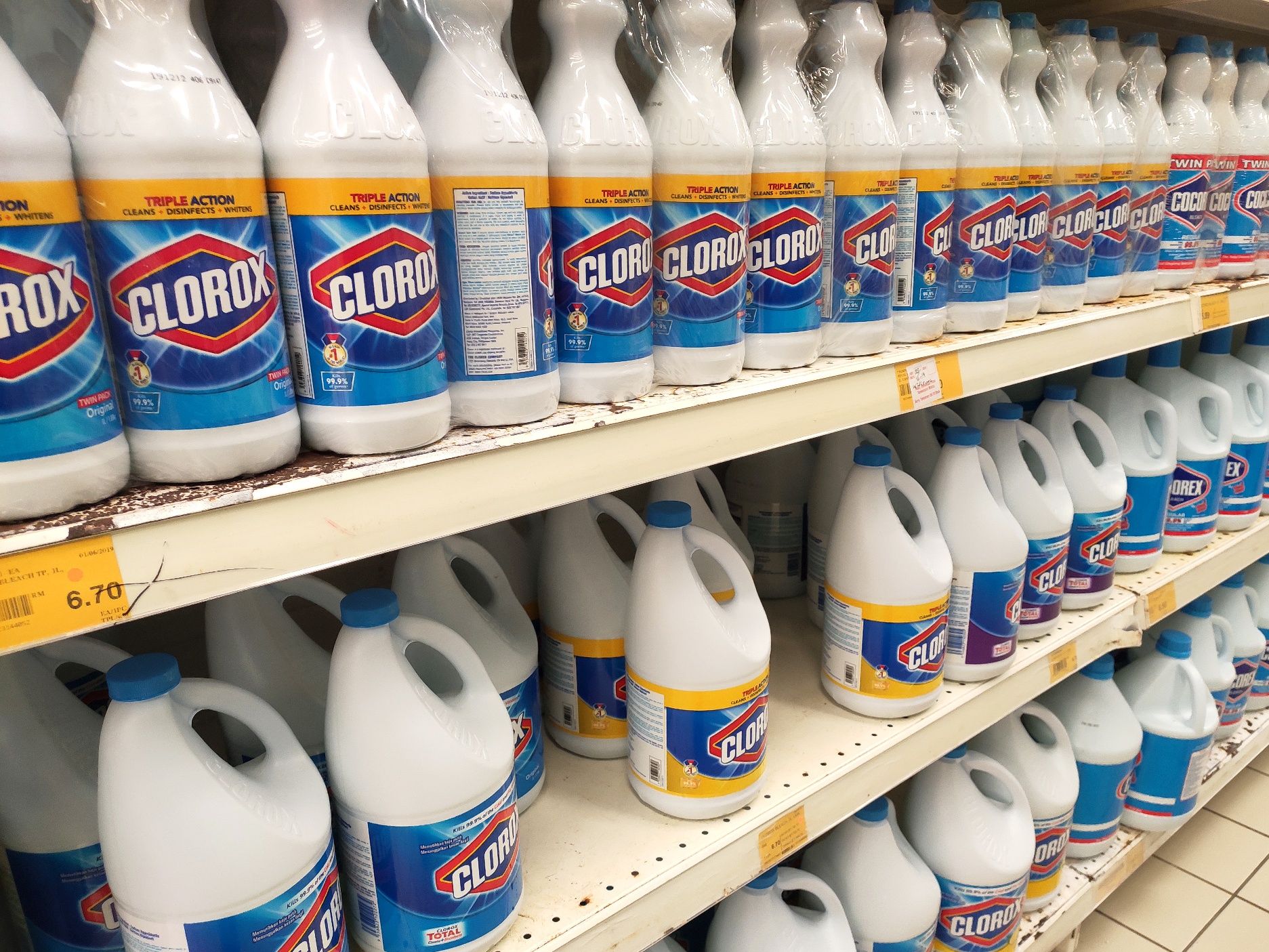
Bleach is a common household chemical use
Credit: www.riverpoolsandspas.com