
Many people love living with cats. They bring joy, comfort, and companionship. But sometimes, living with cats means your house might develop a cat smell that you do not notice. Over time, your nose gets used to the odors in your home, a process called “nose blindness.” Guests, however, will notice right away. Cat smell can be a mix of litter box odors, dander, hair, and even territory marking. If you want a truly fresh home, it’s important to know how to tell if your house smells like cat—and what you can do about it.
This guide explains how to detect cat smells in your home, why you might not notice them, and the best ways to find and fix the sources. You’ll learn practical steps, signs to watch for, and even what makes cat odors different from other pets.
By the end, you’ll have a clear understanding of how to keep your home fresh for you and your guests.
Why Cat Smell Is Hard To Notice
Living with a cat every day means your senses get used to their scent. This adaptation is helpful for daily life but works against you when you want a neutral-smelling home. Nose blindness is the main reason you may not smell your own cat. Your nose stops reacting to the same odors after a while. This is why many cat owners are surprised when someone points out an odor they can no longer detect.
Cat smells are often a mix of ammonia from urine, musty odors from dander, and sometimes the unique, sour smell of cat spray. Each of these has its own chemical compounds, which can stick to soft surfaces and linger for months. Even if you keep your cat and their litter box clean, the smell can build up in carpets, curtains, and furniture.
If you have multiple cats, the smell can be stronger. Cats use scent to mark their territory, which can mean more odors if you have several animals sharing the same space.
Main Causes Of Cat Smell In The House
Understanding what causes cat odors is the first step in knowing how to detect and remove them. Here are the most common reasons your house might smell like cat:
- Litter box: The biggest cause of cat odor is the litter box. Cat urine contains urea, which bacteria break down into ammonia—a strong, sharp smell. Feces also release sulfur compounds.
- Spraying/Marking: Some cats spray urine on furniture or walls to mark territory. Cat spray smells much stronger than regular urine and is harder to remove.
- Cat dander: Cats shed dead skin cells (dander), which collect on surfaces and add a musty odor.
- Cat hair: Cat hair holds oils and scents from the cat’s body. When it collects in corners or on fabric, it can add to the overall smell.
- Accidents outside the box: Sick, stressed, or elderly cats may urinate or defecate outside the litter box, especially in hidden corners.
- Dirty bedding and toys: Cat beds, blankets, and soft toys absorb body oils and urine over time.
- Food and water bowls: Leftover wet food or spilled water can grow bacteria, creating bad smells.
- Poor ventilation: Closed windows and little air movement keep odors trapped inside.
- Furniture and carpet: Soft furnishings absorb and hold on to odors longer than hard surfaces.
Not all smells are strong or obvious. Sometimes, it’s a faint scent that only appears after being away from home for several hours.

Credit: outerlayer.com
Signs Your House Might Smell Like Cat
How do you know if your house has a cat odor problem? There are clear signs—even if you don’t notice them directly.
1. Guests Mention A Smell
If a friend or family member asks, “Do you have a cat? ” or comments on a smell when they enter your house, that’s a big clue. Most people are polite, but even a simple question about your pets can mean your home has a strong odor.
2. Returning Home After Time Away
When you leave home for a vacation or even a weekend, your nose resets. If you notice a smell as soon as you walk in, that’s a sign. This “fresh nose” test is often the most reliable way to spot odors you’ve gotten used to.
3. Musty, Ammonia, Or Sour Odors
Cat smells are usually described as musty, ammonia-like, or sour. If you notice any of these, especially near soft furniture or the litter box, there’s likely a problem.
4. Persistent Odors After Cleaning
If you clean regularly but the smell returns quickly, it means the odor has penetrated deeper into carpets, floors, or walls. Cat urine, especially, can soak into wood and be hard to remove.
5. Litter Box Area Always Smells
A clean litter box should not smell much. If the area always has a strong odor, there may be hidden accidents nearby or the box may need a deeper clean.
6. Visitors With Allergies React Strongly
If guests with allergies sneeze or itch more in your home, it may be due to high levels of cat dander. Dander often carries a mild, musky smell.
7. Unusual Behavior From Your Cat
Cats sniff and investigate areas where other cats have marked. If your cat is sniffing walls, floors, or furniture intensely, it may be detecting odors you cannot.
8. Yellow Stains Or Wet Spots
Urine stains often appear yellow or off-white. If you see these on carpets or walls, they are a source of odor even if you cannot smell them.
9. Odor In Clothes Or Bags
If you notice your clothes, bags, or shoes smell like cat after spending time at home, this means the odor is strong enough to transfer to fabric.
10. Neighbors Or Delivery People Mention A Smell
Sometimes, odors can travel into shared hallways or outside. If someone knocks and says they smell cat, it’s a sign the odor is noticeable beyond your front door.
Ways To Check If Your House Smells Like Cat
If you want to be sure, you can use some simple tricks and tools to test for cat odors.
1. Ask An Honest Friend
Invite a close friend who does not own pets to visit. Ask them to tell you honestly if they smell anything unusual. People who do not live with pets are more sensitive to animal odors.
2. Perform The “fresh Nose” Test
Leave your home for at least a few hours. When you return, pay close attention to the first scent you notice as you open the door. This is often the best way to detect hidden smells.
3. Use A Uv Blacklight
Cat urine glows under UV light. Turn off your lights, use a handheld blacklight, and check carpets, floors, and walls for stains. This helps you find old accidents you may have missed.
4. Use Odor Detection Sprays
There are sprays designed to react with pet urine or enzymes. If you spray them and see a color change, you’ve found a source of odor.
5. Compare To Other Homes
Visit a friend’s house without pets. When you return to your own home, see if you notice a difference in the air. Sometimes, this side-by-side comparison helps reveal hidden odors.
6. Use A Professional Home Odor Meter
Some cleaning companies use portable odor meters. These measure the level of volatile organic compounds (VOCs) in the air. High readings can indicate strong pet odors.
7. Inspect Soft Surfaces
Get close and smell sofas, carpets, curtains, and beds. Cat odors often hide in these materials. Don’t forget to check under furniture and in corners.
8. Test The Litter Box Room
Close the door to the room with the litter box for a few hours. Open it and smell the air. A strong odor means you need to clean more deeply or ventilate better.
9. Check Hvac Filters
Remove the air filter from your heating or cooling system. If it smells like cat, your system may be spreading the odor throughout the house.
10. Try A Scent-tracking App
Some smart home devices and apps can track air quality and alert you to spikes in certain odors. These are still new but can be helpful if you want a more technical approach.
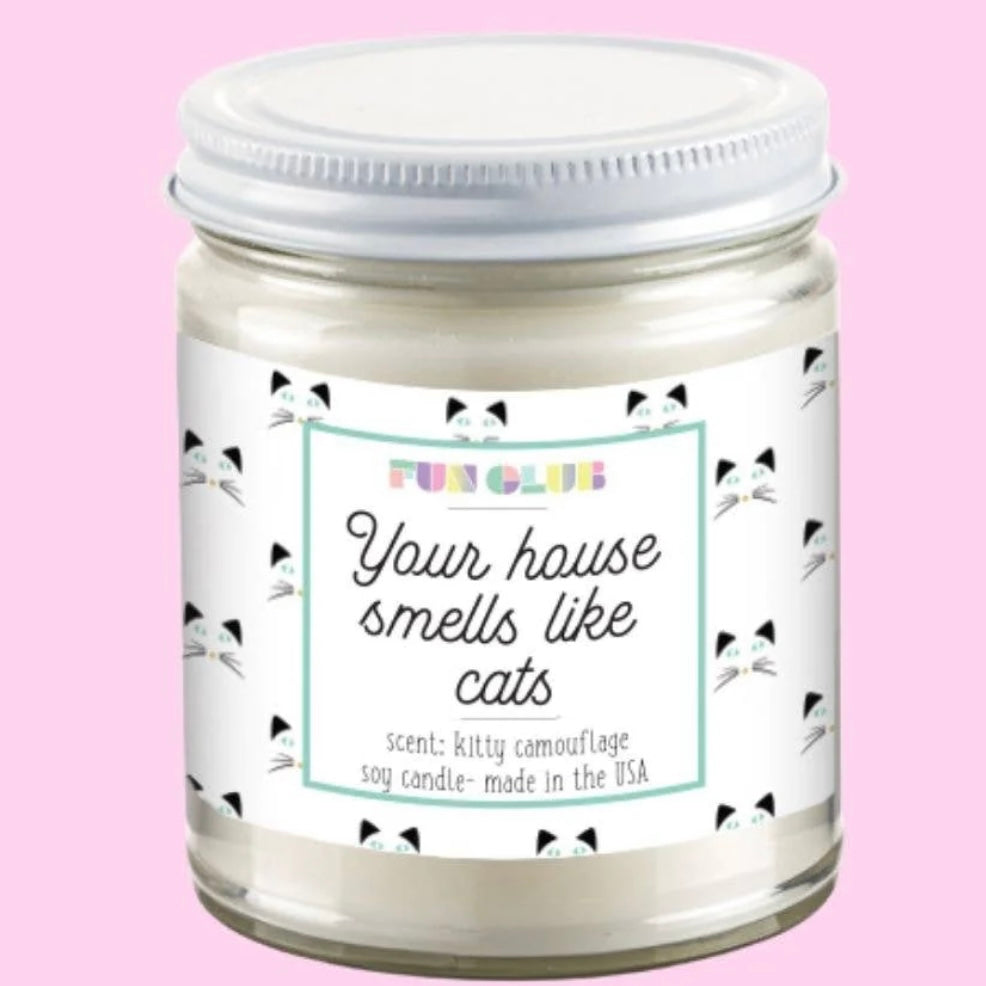
Credit: www.thestorebeforetime.com
Common Mistakes When Checking For Cat Smell
Many cat owners make errors that prevent them from finding and fixing odors:
- Relying only on air fresheners: These mask smells but do not remove the source.
- Cleaning only the surface: Cat urine and dander often soak deep into materials.
- Ignoring hidden areas: Odors often come from under furniture or behind curtains.
- Overlooking air vents: If your HVAC system smells, cleaning only the room won’t help.
- Thinking one deep clean is enough: Odors can return unless you change habits and routines.
- Assuming all smells are from the litter box: Cats can mark or have accidents anywhere.
- Not washing cat bedding and toys: These hold odors just like litter boxes.
- Using the wrong cleaners: Some products don’t break down the chemicals in cat urine.
How Cat Smell Compares To Other Pet Odors
People often wonder if cat smells are worse than other pets. Here’s a quick look at how cat odor compares to dogs and small animals:
| Pet Type | Main Odor Source | Odor Strength (1–5) | Lingering Effect |
|---|---|---|---|
| Cat | Urine, dander, hair | 5 | Very persistent |
| Dog | Wet fur, saliva | 3 | Moderate |
| Small animals (hamsters, rabbits) | Bedding, urine | 2 | Short-term |
Cat urine contains a special chemical called felinine, which is not found in dogs or small animals. This makes cat urine particularly strong and hard to remove.
How To Remove And Prevent Cat Odors
Once you know your home smells like cat, the next step is to fix the problem and prevent it from coming back. Here’s what works best:
1. Clean The Litter Box Daily
Scoop out waste every day and change the litter completely at least once a week. Wash the box with soap and water—never with ammonia, which can make the smell worse.
2. Use The Right Litter
Some cat litters absorb odors better than others. Look for clumping clay, silica gel, or natural plant-based litters with added odor control. Avoid scented litter if your cat dislikes it, as this can cause them to avoid the box.
3. Ventilate Your Home
Open windows when possible, use fans, and run air purifiers. Good airflow removes odors faster than any spray or chemical.
4. Wash Cat Bedding Weekly
Use hot water and a gentle detergent. Dry thoroughly. Odors can build up in fabric even if it looks clean.
5. Remove And Clean Accidents Quickly
Blot up urine right away. Use an enzyme cleaner designed for pet urine, which breaks down the chemicals that cause odors. Regular cleaners often fail to remove the smell completely.
6. Deep Clean Carpets And Upholstery
Rent or buy a carpet cleaner that uses hot water extraction. Focus on areas where your cat spends the most time. If odors persist, you may need to replace padding or even flooring.
7. Wash Curtains And Soft Furniture Covers
Wash or dry-clean these items at least every few months. Cat hair and dander collect on all soft surfaces.
8. Keep Food And Water Areas Clean
Wash bowls daily and clean up spilled food right away. Bacteria from old food can smell as bad as cat waste.
9. Groom Your Cat
Brush your cat regularly to reduce loose hair and dander. Some cats need baths, but most clean themselves well. Long-haired cats may need extra help.
10. Use Air Purifiers With Hepa Filters
HEPA filters remove cat dander and hair from the air. Some purifiers also use carbon filters, which trap odors.
11. Clean Air Ducts And Change Filters
If your home uses central heating or cooling, clean the ducts and change filters every few months. This stops odors from spreading.
12. Block Off Problem Areas
If your cat marks a certain spot, block it off with furniture or a pet gate until you solve the problem.
13. Train Your Cat To Use The Box
If your cat avoids the litter box, it may be too dirty, in a noisy place, or not private enough. Move it to a quiet, easy-to-reach spot.
14. Fix Health Problems
If your cat suddenly starts having accidents, visit the vet. Urinary tract infections and other illnesses can cause changes in behavior.
15. Replace Old Litter Boxes
Plastic litter boxes can absorb odors over time. Replace them every year or two, especially if they are scratched or discolored.
16. Use Enzyme-based Sprays
These sprays break down urine and dander molecules. Spray on carpets, sofas, or any spot with a lingering smell.
17. Steam Clean Floors
Steam cleaning kills bacteria and removes odors from hard surfaces. It’s especially useful for tile or wood floors where urine may have soaked in.
18. Use Baking Soda
Sprinkle baking soda on carpets and let it sit for a few hours before vacuuming. It absorbs odors naturally.
19. Regularly Replace Air Fresheners
If you use air fresheners, change them often. They can lose effectiveness after a few days.
20. Avoid Overusing Scents
Too much perfume or air spray can mix with cat odors and make the smell worse. Focus on removing, not covering, the source.
How To Find Hidden Cat Urine Stains
Urine stains are a common source of cat odor. They can be hard to find, especially if they are old or on dark surfaces. Here’s a simple process:
- Turn off the lights and use a UV blacklight to scan carpets, walls, and furniture.
- Look for glowing spots—cat urine often glows blue or yellow under UV.
- Mark the spots with tape or chalk.
- Clean immediately using an enzyme cleaner. Let it soak in for at least 10 minutes.
- Repeat the process until you no longer see glowing spots.
Some stains may need multiple treatments. If the odor remains after several cleanings, consider replacing the affected carpet or furniture.
How To Prevent Cat Smells Long-term
Prevention is the best cure. Make these habits part of your routine:
- Scoop and clean the litter box daily.
- Vacuum at least twice a week, using a vacuum with a HEPA filter.
- Wash all cat bedding, toys, and blankets regularly.
- Keep your cat healthy with annual vet visits.
- Use air purifiers in main living areas.
- Keep windows open whenever possible for fresh air.
- Check for accidents weekly, even if you do not smell anything.
Data: Cat Owners And Home Odor
A recent survey found that about 35% of people without cats can notice a cat smell in homes with cats, but only 12% of cat owners noticed it themselves. In rental homes, 60% of landlords say cat odors are a top concern.
This shows how important regular cleaning and odor control are, both for comfort and for protecting your property value.

Credit: ohmydogblog.com
Comparison: Cat Smell Vs. Common Household Odors
Let’s compare how cat odors stack up against other common smells at home:
| Odor Source | Odor Description | Difficulty to Remove |
|---|---|---|
| Cat urine | Sharp, ammonia, long-lasting | High |
| Cigarette smoke | Stale, musty, sticks to walls | High |
| Cooking (spices, oil) | Spicy, fatty, fades with time | Medium |
| Garbage | Sour, rotten, strong | Low |
| Dog odor | Earthy, wet, fades quickly | Medium |
Cat urine is one of the hardest home odors to remove, which is why prevention and deep cleaning are so important.
Non-obvious Insights And Tips
Many people think all litter is the same, but the wrong type of litter can make odors worse. Experiment with different brands and types until you find one that works for you and your cat.
Another common mistake is forgetting about vertical surfaces. Cats can spray on walls, doors, and even curtains. Always check these areas, not just the floor. Odors on vertical surfaces are often missed and can make your whole house smell.
Finally, remember that older homes hold odors longer. Porous materials like wood and plaster can absorb cat urine and dander for years. If you move into a home where cats lived before, a deep clean and sometimes even new paint or flooring is needed.
Frequently Asked Questions
How Can I Make Sure My House Doesn’t Smell Like Cat To Guests?
The best way is to clean regularly, scoop litter boxes daily, and ask honest friends for feedback. Use enzyme cleaners for accidents and keep windows open as much as possible.
What Is The Best Way To Remove Old Cat Urine Smell?
Use an enzyme-based cleaner to break down the urine at a chemical level. You may need to treat the spot several times. For severe cases, you may have to replace carpet or padding.
Does Air Freshener Really Work For Cat Smells?
Air fresheners only mask odors. They don’t remove the source. Use them as a last step after cleaning, not as your main solution.
Why Does My Cat’s Litter Box Still Smell After Cleaning?
If the box smells after cleaning, try switching to a different type of litter, clean the box with soap and water, and make sure it is completely dry before adding fresh litter. Replace old litter boxes every year.
Is There A Health Risk From Cat Odors In The House?
Strong cat odors, especially ammonia from urine, can irritate your nose and throat. High levels of dander can also trigger allergies. Keep your home clean and well-ventilated to reduce risks. For more detailed information, see the CDC guide on cats and your health.
Living with cats should be a joy, not a battle against odors. With attention, the right tools, and honest feedback, you can enjoy your pet and a fresh-smelling home. Take action before the smell becomes a problem, and you’ll be confident welcoming anyone into your home—cat lover or not.