
Is Quartz Plaster Worth It?
Pool and home design trends change fast, but some choices last. If you’re thinking about resurfacing your swimming pool or planning a new one, you’ve probably heard about quartz plaster. It’s often recommended as an upgrade from basic white plaster, but it costs more. So, is quartz plaster really worth it? Let’s dig deep into what quartz plaster is, its benefits, drawbacks, costs, and how it compares with other pool finishes. By the end, you’ll have a clear, practical answer based on facts—not just marketing hype.
What Is Quartz Plaster?
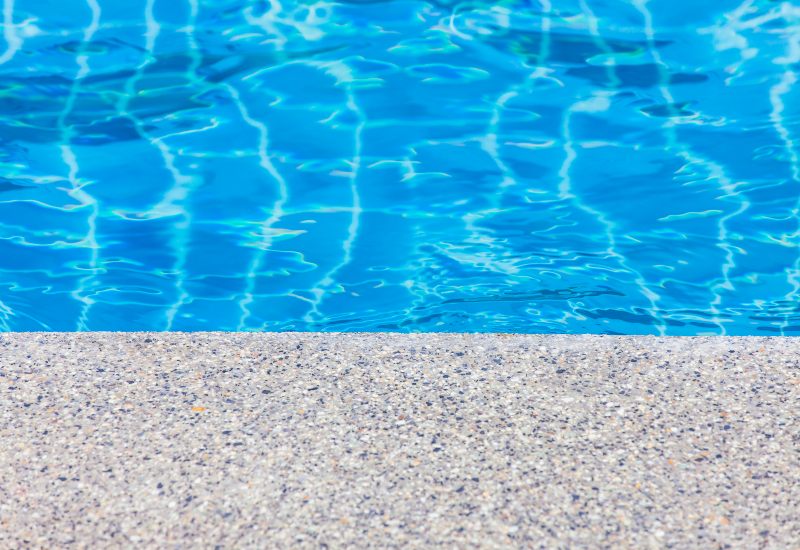
Quartz plaster is a special type of pool finish made by mixing crushed quartz, white cement, and color tints. The quartz gives the surface color, sparkle, and extra strength. Unlike standard plaster, which uses only cement and sand, quartz plaster has tiny, hard quartz crystals that make the surface tougher and more attractive.
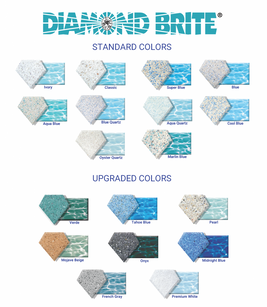
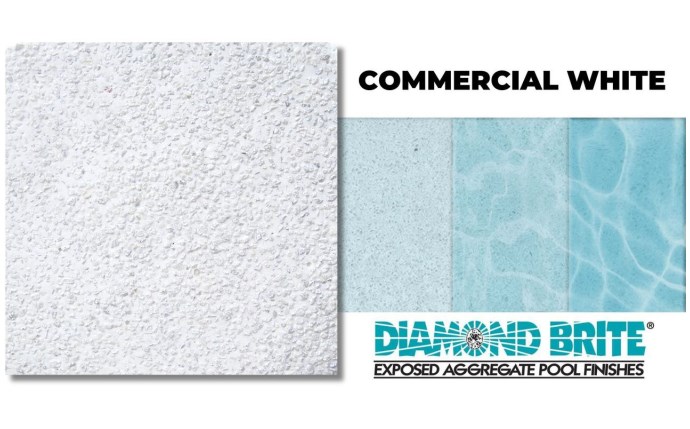
Pools with quartz plaster can look white, blue, gray, or even have a shimmering effect, depending on the color blends. Popular brand names include Diamond Brite, QuartzScapes, and Krystalkrete, but many local pool builders use their own blends too.
How Quartz Plaster Is Applied
The process starts with draining the pool and preparing the old surface. Then, workers spray or trowel the quartz plaster onto the pool walls and floor. The finish is then hand-smoothed for a uniform look. After curing for a few days, the pool is refilled and balanced chemically to set the new surface.
Why Homeowners Consider Quartz Plaster
The main reason people choose quartz plaster is its reputation for long life and beauty. If you’ve owned a pool with regular plaster before, you might have noticed stains, rough patches, or cracks after a few years. Quartz plaster promises to fix many of these problems.
Let’s look at the main reasons people upgrade:
- Better durability – Resists cracks, etching, and roughness.
- More color choices – Not just white, but blues, grays, and custom tints.
- Stain resistance – Less likely to show leaf stains, algae, or chemical marks.
- Smoother feel – Gentle on feet and swimwear.
- Sparkling look – Quartz crystals reflect light for a bright, clean appearance.
But are these reasons enough to justify the higher price? To decide, you’ll need to know the full story.
Credit: www.millenniumpool.com
The Real Cost Of Quartz Plaster
One of the first questions people ask: “How much more does quartz plaster cost compared to standard plaster?”
Typical Cost Breakdown
Here’s a simple comparison of average pool finish costs in the US:
| Finish Type | Cost per Square Foot | Average Lifespan |
|---|---|---|
| Standard White Plaster | $4 – $6 | 5 – 8 years |
| Quartz Plaster | $6 – $10 | 10 – 15 years |
| Exposed Aggregate (Pebble) | $9 – $14 | 15 – 20+ years |
| Tile | $20 – $50 | 20+ years |
For a medium-size pool (say, 500 square feet), the total cost for quartz plaster could range from $3,000 to $5,000. This is about 30–70% more than white plaster, but much less than pebble or tile finishes.
What Affects The Final Price?
- Pool size and shape – Large or complex pools need more materials and time.
- Location – Labor rates and material costs vary by region.
- Surface prep – Removing old plaster or fixing cracks adds to the price.
- Color/tint – Custom colors can cost more.
- Brand – Some brands charge a premium.
It’s smart to get at least three quotes before choosing a contractor.
Quartz Plaster Vs. Other Pool Finishes
It’s not enough to know what quartz plaster is—you need to see how it stacks up against other options. Here’s a side-by-side look at the most popular pool finishes.
Durability And Maintenance
| Finish | Resists Stains | Resists Roughness | Maintenance Needs |
|---|---|---|---|
| White Plaster | Poor | Fair | High |
| Quartz Plaster | Good | Good | Medium |
| Pebble Finish | Excellent | Excellent | Low |
| Tile | Excellent | Excellent | Very Low |
Quartz plaster offers a big improvement over standard plaster. It’s less likely to stain or become rough. But pebble and tile finishes are even more durable—though they cost much more.
Appearance And Feel
- White plaster gives a classic, bright blue water look but can discolor over time.
- Quartz plaster can be custom-tinted. It adds sparkle and stays colorfast for years.
- Pebble finishes offer a natural look with many color and texture choices but can feel rougher on feet.
- Tile is the most luxurious, with endless design options, but also the most expensive and slippery when wet.
Longevity
Quartz plaster often lasts twice as long as standard plaster if cared for. Pebble and tile can last even longer but need a higher budget.
Credit: www.expresspoolplastering.com
Key Benefits Of Quartz Plaster
Let’s dig deeper into what sets quartz plaster apart from other choices.
1. Stronger Surface
Quartz is one of the hardest natural minerals. By mixing it into the plaster, the surface becomes stronger and more resistant to wear. This means fewer chips, cracks, or rough patches over time. Regular plaster can become pitted or etched by pool chemicals, but quartz holds up better.
2. More Stain-resistant
The quartz crystals are non-porous. That makes the surface less likely to absorb stains from leaves, algae, or metals in the water. This is a big plus if your pool sits under trees or you have hard water.
3. Color That Lasts
Standard plaster often turns yellow, gray, or streaky after a few years. Quartz plaster keeps its color and shine longer because the pigment is locked inside the quartz, not just mixed into the cement. Even after 10 years, pools with quartz plaster can still look bright and clean.
4. Smoother, More Comfortable Feel
Quartz plaster feels soft and silky underfoot. Some pebble finishes can feel rough or scratchy, especially for kids or people with sensitive skin. Quartz is a good balance—tough but gentle.
5. More Design Choices
With quartz plaster, you can choose from many colors, from sky blue to deep gray. Some blends even include colored quartz or bits of glass for extra sparkle. This lets you match your pool’s look to your backyard style.
Drawbacks And Risks Of Quartz Plaster
No material is perfect. Here are some downsides to consider before you choose quartz plaster.
1. Higher Upfront Cost
You’ll pay more for quartz plaster than for standard plaster. If you’re on a tight budget, this can be a dealbreaker. Some people choose white plaster and save the difference for future repairs.
2. Needs Good Water Chemistry
Quartz plaster is tougher than regular plaster, but it still needs balanced water. If your pool water is too acidic or basic, you can get stains or etching. This means you’ll need to test and adjust your pool chemistry often.
3. Not As Durable As Pebble Or Tile
While quartz plaster is an upgrade, it doesn’t last as long as pebble or all-tile finishes. If you want the absolute longest-lasting finish, and can afford it, pebble or tile may be better.
4. Visible Trowel Marks
Some installers rush the job or don’t finish the plaster carefully. This can leave marks or uneven color. Make sure you hire a skilled, experienced contractor.
5. Can Fade With Poor Maintenance
If you let your pool water get out of balance or use harsh chemicals, even quartz plaster can fade or get rough. It’s not “maintenance-free. ”
Credit: www.pool360.com
Common Myths About Quartz Plaster
Many pool owners hear claims that quartz plaster is “maintenance-free” or “will never stain.” This isn’t true. Here are two common myths:
- “Quartz plaster never stains.” False. It’s more stain-resistant, but metals, algae, or neglect can cause marks if you don’t care for your pool.
- “Quartz plaster lasts forever.” False. With good care, it may last 12–15 years, but eventually, all plaster needs replacement.
Understanding these limits will help you make a smarter choice.
Is Quartz Plaster Worth The Extra Cost?
Let’s answer the big question: Is quartz plaster worth it for most pool owners?
When It’s Worth It
- You want a longer-lasting, more beautiful finish than white plaster.
- You care about smoothness, color variety, and fewer stains.
- You’re willing to pay more upfront to save on repairs later.
- You plan to live in your home for at least 7–10 more years.
When It’s Not Worth It
- You have a tight budget and just need a basic finish.
- You plan to move or sell your home soon.
- You want the absolute lowest maintenance and longest life (in which case, pebble or tile is better, though pricier).
Real-world Examples And Homeowner Experiences
Let’s look at some real stories.
Case 1: Upgrading A 15-year-old Pool
A family in Texas resurfaced their old white plaster pool with a medium-blue quartz plaster. Before, they had constant stains from leaves and rough patches that hurt their feet. After the upgrade, their pool looked newer, stayed cleaner, and felt better—plus, they had fewer repairs for the next 10 years.
Case 2: Budget Vs. Value
A couple in Florida chose standard plaster to save $1,500 on their build. After 5 years, they noticed discoloration and roughness. The cost to repair was almost as much as the quartz upgrade would have been. They later regretted not choosing quartz, especially since they planned to stay long-term.
Case 3: Not The Best For Everyone
A landlord in California resurfaced his rental property pool with quartz plaster, hoping for less maintenance. But tenants didn’t care for the pool, so it stained anyway. He realized that good water care matters more than finish type for rentals.
Maintenance Tips For Quartz Plaster
Even though quartz plaster is tough, it still needs care. Here’s how to keep it looking great:
- Test water weekly – Keep pH, alkalinity, and calcium balanced.
- Brush the surface – Especially for the first month. This prevents dust buildup and mottling.
- Shock carefully – Use pool shock as directed; don’t dump large amounts in one spot.
- Clean up stains fast – Remove leaves, algae, or metals before they set.
- Avoid harsh tools – Don’t use metal brushes or pumice stones on quartz plaster.
Most pool owners find quartz plaster easier to keep clean than plain plaster, but it’s not zero work.
Environmental Impact
Quartz is a natural mineral, but mining and making plaster use energy. The good news: since quartz plaster lasts longer and needs fewer repairs, it creates less waste over the pool’s life compared to cheaper finishes.
If you want to be eco-friendly, ask your contractor if they use recycled quartz or low-carbon cement. Also, keeping your pool finish in good shape means fewer chemicals are needed, which helps the environment.
What To Look For In A Quartz Plaster Contractor
Choosing the right installer is just as important as picking the right finish. Here’s how to avoid problems:
- Check experience – Look for contractors who do lots of quartz jobs, not just basic plaster.
- Ask for references – See at least three pools they finished in the last year.
- Request a written warranty – Most brands offer 10-year warranties on materials. Make sure labor is covered too.
- See color samples in real pools – Photos can be misleading; look at completed pools.
- Get details in writing – Make sure the contract says exactly what will be done, including prep work, curing time, and cleanup.
Choosing the lowest price can be risky. Poor installation is a top reason for early problems with any pool finish.
Common Mistakes To Avoid
Many people make the same errors when choosing or caring for quartz plaster. Here are five to avoid:
- Skipping water tests – Letting water chemistry go bad damages even the best finish.
- Hiring unlicensed contractors – Cheap labor can lead to expensive repairs.
- Not brushing the surface – During curing, this can lead to uneven color or roughness.
- Choosing the wrong color – Dark colors show more fading and streaks; light colors hide flaws better.
- Expecting zero maintenance – All pool finishes need care, even quartz.
How To Decide: Is Quartz Plaster Right For You?
Still unsure? Ask yourself these questions:
- Do I want a pool that looks good for at least 10 years?
- Am I willing to pay more now to save on repairs and get better looks?
- Will I keep up with water testing and basic care?
- Do I want more color choices than basic white?
If you answered “yes” to most, quartz plaster is likely a smart investment.
If you’re still on the fence, visit local pools with quartz plaster finishes. Talk to owners about their experiences. Seeing and touching real examples can help you decide.
Latest Trends: Quartz Plaster In Modern Pools
Quartz plaster is not just for traditional pools. Designers now use it for:
- Infinity-edge pools for a sparkling blue look.
- Shallow “baja shelves” that stay cool and smooth.
- Colored finishes that match outdoor tiles, stones, or home exteriors.
- Pools with LED lights—quartz sparkles dramatically at night.
Some new blends mix quartz with glass beads or colored stones for an even richer look. As outdoor living grows in popularity, more homeowners are choosing quartz for both beauty and low hassle.
Quartz Plaster And Resale Value
Many realtors say that a pool with a newer, attractive finish can help your home sell faster. While you may not get back every dollar spent, a pool that looks clean and modern (with quartz or better) is a plus for most buyers—especially in warm climates.
If you plan to sell soon, a fresh quartz finish can help your pool stand out. Just don’t expect a dollar-for-dollar return.
How Quartz Plaster Compares To Other Upgrades
Sometimes, people wonder if they should spend on quartz plaster or put money into other pool upgrades (like heaters, lights, or automation).
Consider this: Quartz plaster is a foundation upgrade. It affects every swim and every view. Heaters and lights are nice, but they don’t solve problems like roughness, stains, or ugly water color. If your pool finish is worn out, fix it first.
Industry Opinions: What Pool Pros Say
Most experienced pool builders and service companies recommend quartz plaster for homeowners who want a step up from basic plaster, but who don’t need the cost or look of pebble or tile.
They note that many customer complaints about “bad plaster” are really due to poor water care or bad installation, not the material itself. With a good installer and regular care, quartz plaster has a strong record of customer satisfaction.
For deeper technical reading, see the National Plasterers Council or this detailed resource from the Swimming Pool Sanitation Wikipedia page.
Frequently Asked Questions
Does Quartz Plaster Really Last Longer Than Regular Plaster?
Yes. With proper care, quartz plaster can last 10–15 years, while standard plaster often lasts only 5–8 years before showing stains, roughness, or cracks.
Is Quartz Plaster Rough On Feet?
No. Quartz plaster is generally smooth and comfortable. It feels softer than most exposed aggregate (pebble) finishes, but still offers good traction.
Can I Choose Any Color For Quartz Plaster?
There are many colors available, from bright white to deep blue, gray, or even green. Not all colors are available from every brand, and darker shades may show fading or streaks more over time.
How Do I Clean Stains From Quartz Plaster?
Use a soft brush and keep your water balanced. For stubborn stains, ask a pool professional about stain removers made for quartz finishes. Avoid using abrasive tools.
Is Quartz Plaster Worth It If I Plan To Sell My House Soon?
If your pool looks old or stained, a fresh quartz finish can help your home sell faster and for a better price. But if your pool is already in good shape, you may not recover all your investment in a quick sale.
Final Thoughts
Quartz plaster is a smart middle ground for most pool owners. It’s more durable, beautiful, and stain-resistant than regular plaster, without the high cost of pebble or tile. For those planning to enjoy their pool for at least a decade—and who want a smoother, more attractive surface—it’s usually worth the extra cost.
However, it’s not magic. Regular water care and a skilled installer matter as much as the material itself. If you value long-term looks and comfort, and you’re willing to invest a little more upfront, quartz plaster is a finish you’re likely to appreciate every time you swim.
For more details about pool care and finish options, check with local pros or visit the Swimming Pool Sanitation page for technical guidelines.
With the right choice and care, your pool can be a sparkling highlight of your home for many years.