
Anyone who owns a swimming pool knows how lighting can transform a backyard into a magical place. The right pool lights make night swimming safe and beautiful. Among all pool lights, Jandy LED pool lights are famous for their bright colors, energy savings, and long life. But, like any technology, they can sometimes stop working or show strange behaviors. If your Jandy LED pool light is acting up, it can be confusing and even stressful, especially if you want to enjoy your pool at night.
This guide is here to help you. Whether your light is not turning on, flickering, stuck on one color, or showing error codes, you’ll find clear answers. You will learn how to check your pool light safely, fix common problems, and know when it’s time to call a professional.
Many pool owners miss small details that can save time and money. This article will reveal those details, so you feel confident handling your pool lighting troubles.
How Jandy Led Pool Lights Work
Understanding how Jandy LED pool lights work will make troubleshooting much easier. These lights use light-emitting diodes (LEDs) instead of old-style bulbs. LEDs are more energy efficient, last longer, and offer brighter colors. Jandy lights are designed to work with Jandy control systems, such as Aqualink, so you can change colors, set light shows, or turn them on and off with a remote or smartphone app.
Each Jandy LED light needs proper power supply, wiring, and waterproof housing to work safely. The light sits in a special niche inside the pool wall, connected to power through a sealed cable. A transformer lowers the high household voltage to a safe, low voltage for the light. The control system sends signals to change colors or switch the light off and on.
A small problem in any of these parts can cause the whole system to fail. For example, a loose wire, a blown fuse in the transformer, or water inside the lens can stop your light from working. Knowing this basic setup will help you find problems faster.
Safety First: Precautions Before Troubleshooting
Before you start, safety must come first. Pool lights mix water and electricity, so mistakes can be dangerous.
- Turn off all power to the pool light at the breaker box.
- Double-check with a voltage tester that no electricity is reaching the light.
- Never touch bare wires or remove the light from the pool without turning off power.
- If you see water inside the light or signs of electric shock (tingling in the water), stop and call a professional.
Even when the problem seems simple, always respect electricity. If you feel unsure, it’s better to get expert help.
Common Jandy Led Pool Light Problems
Jandy LED pool lights are reliable, but some common issues appear over time. Here are the top problems pool owners face:
- Light won’t turn on
- Light flickers or blinks
- Stuck on one color
- Random color changes
- Light turns off after a few minutes
- Light is dim or uneven
- Error codes on the controller
- Water inside the light
- Remote not working
- Physical damage (cracks, broken lens)
Each of these problems has its own causes and solutions. In the next sections, you’ll learn how to diagnose and fix each one.
Troubleshooting Steps For Jandy Led Pool Lights
1. Light Won’t Turn On
This is the most basic problem, but it can have several causes.
- Check the power source. Go to your pool’s breaker box. Is the breaker for the pool lights ON? Sometimes a breaker trips and needs to be reset.
- Check the GFCI outlet. Many pool lights are on a GFCI (Ground Fault Circuit Interrupter) for safety. Press the “reset” button.
- Look for blown fuses. The low-voltage transformer may have an internal fuse. If it’s blown, replace it.
- Check connections. Sometimes, a wire comes loose in the junction box or at the transformer.
- Test the bulb. Even LEDs can fail. If everything else works, the light itself may need replacing.
A non-obvious tip: If the light is new, double-check that the transformer matches the voltage required by your Jandy LED light. Using a 12V light with a 120V transformer will damage the light instantly.
2. Light Flickers Or Blinks
Flickering can be annoying and usually points to a power issue.
- Loose connections are the most common cause. Check all wire nuts and connection points.
- Voltage drop can happen if the wire run is too long or the transformer is not strong enough.
- Water inside the light can cause short circuits, leading to flickering.
- Controller errors. If the light is set to a show mode, it may appear to flicker when switching colors quickly.
Advanced tip: Use a multimeter to measure voltage at the light. It should match the light’s rating (usually 12V or 24V). Lower voltage means a wiring or transformer problem.
3. Stuck On One Color
If your Jandy light won’t change colors, try these steps:
- Cycle the power. Sometimes, turning the light off and on quickly resets the color wheel.
- Check the controller. Make sure it’s on the correct color mode and not paused.
- Software update needed. Some control panels need firmware updates for full color function.
- Light memory failure. If the light always comes on the same color, the internal memory may be faulty.
Insight: Some Jandy lights use a “power cycle to change color” feature. If you have a basic switch (not a smart controller), turning the light off and on within a few seconds will cycle to the next color.
4. Random Color Changes
This problem is often linked to signal interference or a faulty controller.
- Check for overlapping wireless signals if you use a remote or WiFi control.
- Inspect the control cable for damage or water intrusion.
- Controller reset. Unplug the controller for 60 seconds, then restart.
A hidden cause: Lightning strikes or power surges can corrupt the control unit’s memory, causing strange behavior. A power reset can sometimes fix this.
5. Light Turns Off After A Few Minutes
If your light works at first but shuts down, possible causes include:
- Overheating. LED lights have thermal protection. If the light is not fully underwater (for cooling), it will shut itself off.
- Faulty transformer. A transformer that’s too small or failing will overheat and cut power.
- Loose connections that open as wires heat up.
- Water in the fixture causing a safety shutoff.
Non-obvious tip: If you recently lowered the water level for cleaning, the light may not be fully submerged and could overheat.
6. Light Is Dim Or Uneven
Dim or uneven lighting usually comes from:
- Aging LEDs. Over many years, LEDs lose brightness.
- Dirty lens. Algae or calcium build-up on the lens blocks light.
- Low voltage. Check the transformer and wiring for losses.
- Partially failed LED array. In multi-LED fixtures, a few bad LEDs make the whole light dim.
Try cleaning the lens with a soft brush before replacing the light.
7. Error Codes On The Controller
Jandy control panels may display error codes like “ERR 1” or “ERR 2”. Each code has a meaning found in your manual. Common codes include:
- ERR 1: Communication error between controller and light
- ERR 2: Low voltage detected
- ERR 3: Overheating detected
Check the manual for your model. Often, a reset will clear the code, but if it returns, diagnose the root cause.
8. Water Inside The Light
Water in the fixture is a serious problem. It can cause electrical shorts or even a shock hazard.
- Check the gasket or O-ring for cracks or dryness.
- Inspect the lens for chips or cracks.
- Check cable seal. Where the power wire enters the fixture is a common leak spot.
- Replace all seals before reinstalling.
Tip: Even a small amount of water means the light must be removed, dried, and resealed. Never ignore moisture.
9. Remote Not Working
Many Jandy systems use a remote or app for color changes. If the remote fails:
- Check remote batteries.
- Re-sync the remote with the controller (follow the manual steps).
- Check for interference from WiFi routers or other electronics.
- Controller firmware update. Sometimes, a software update fixes remote communication.
If all else fails, try the manual buttons on the controller to see if the problem is with the remote or the system.
10. Physical Damage (cracks, Broken Lens)
Pool lights can be damaged by pool cleaning equipment, shifting pool walls, or freeze-thaw cycles.
- Inspect the light during each pool cleaning.
- Replace cracked or broken parts right away.
- Don’t use a light with a cracked lens—water can get inside and cause a dangerous short.
If the niche (the part in the pool wall) is damaged, call a pool technician.

Credit: www.youtube.com
Step-by-step Guide: Diagnosing Jandy Led Pool Light Issues
To make troubleshooting easier, here is a step-by-step process you can follow. Use this guide when your light stops working, instead of guessing.
- Turn off all power to the pool light at the breaker.
- Visually inspect the light and wiring for obvious damage or water.
- Check the controller for error codes or warning lights.
- Test the GFCI outlet and reset if needed.
- Open the junction box and check for loose, corroded, or burnt wires.
- Check the transformer for proper output voltage (use a multimeter).
- Remove the light fixture from the pool niche (with power OFF), check for water, and inspect the gasket.
- Clean the lens and check for algae or mineral build-up.
- Replace parts as needed—gasket, transformer, or the light unit itself.
- Restore power and test light function through the controller.
If you follow these steps in order, you will find most problems without guesswork.
Jandy Led Pool Light Troubleshooting Table
Sometimes, a quick reference can save you time. Here’s a comparison table of common Jandy LED pool light problems, likely causes, and solutions.
| Problem | Likely Cause | Solution |
|---|---|---|
| Light won’t turn on | Tripped breaker, blown fuse, bad bulb | Reset breaker, replace fuse, check/replace bulb |
| Flickering | Loose wires, voltage drop | Tighten connections, check transformer |
| Stuck on one color | Controller setting, firmware issue | Reset, update firmware, replace light if needed |
| Water inside light | Bad gasket, cracked lens | Replace gasket, dry out, reseal |
| Remote not working | Dead battery, interference | Replace battery, re-sync remote, reduce interference |
Credit: www.thepoolsupplywarehouse.com
How To Replace A Jandy Led Pool Light
If your troubleshooting shows the light itself has failed, here’s how to safely replace it.
- Turn off all power at the breaker.
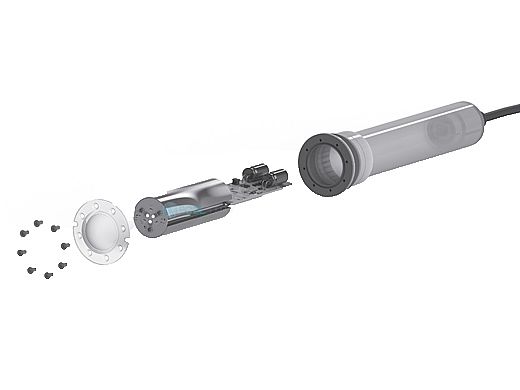
- Remove the light fixture from the pool niche. Most are held by one screw at the top.
- Gently pull the fixture to the pool deck. There should be enough cable to reach.
- Open the fixture and disconnect the old light.
- Install the new light using a new gasket and all waterproof seals.
- Carefully coil the cable and return the light to the niche.
- Secure with the screw and check that the lens is clean and undamaged.
- Restore power and test the new light.
Pro tip: Always use a new gasket, even if the old one looks fine. Reusing old seals is a common cause of leaks.
When To Call A Professional
Some pool light problems need expert help. Call a licensed pool electrician if:
- You see water inside the pool light and do not feel comfortable resealing it.
- There are signs of burning, melting, or strong smells from wiring.
- You find corrosion in the junction box or transformer.
- The light does not work after all basic troubleshooting.
- You experience electric shock sensations in or around the pool.
A pro has the right tools to test and repair complicated problems safely.
Credit: www.poolsupplyunlimited.com
Upgrading Your Jandy Led Pool Light System
If your pool lights are older, you may want to upgrade to the newest Jandy LED models. Newer lights are brighter, more energy efficient, and offer more color options. Some can be controlled by a smartphone app, making pool parties more fun and easier to manage.
Here’s a comparison of old vs. new Jandy LED features:
| Feature | Older Jandy LED | Newer Jandy LED |
|---|---|---|
| Energy Use | Higher | Lower (up to 80% less) |
| Color Options | Basic colors | Multiple shows, millions of shades |
| Control Method | Wall switch | Smartphone, remote, automation |
| Lifespan | 5-7 years | 10+ years |
If your system is over 10 years old, upgrading can solve many recurring issues.
Preventive Maintenance For Jandy Led Pool Lights
You can avoid many problems by keeping your pool lights in good shape:
- Check the lens and gasket for cracks every pool season.
- Clean the lens with a soft brush to remove algae and mineral build-up.
- Inspect wiring in the junction box for corrosion.
- Test the GFCI and breakers regularly to ensure they trip properly.
- Update controller firmware if Jandy releases new software.
Bonus tip: If you close your pool for winter, turn the power off to the lights and cover the pool well to avoid freeze damage.
Special Cases And Advanced Troubleshooting
Some Jandy LED pool light issues are rare but tricky to solve. Here are two advanced problems pool owners sometimes face:
Ghost Power Or “phantom” Lighting
Sometimes, a pool light glows dimly even when OFF. This is called “ghost power” and happens when a small voltage leaks through the wiring.
- Cause: Old, corroded wiring or a faulty switch can allow a trickle of voltage.
- Solution: Replace the switch or wiring. Sometimes adding a resistor across the circuit fixes the problem.
Multiple Lights Not Syncing Colors
If you have several Jandy LED lights, they should all change colors together. Sometimes, one or more get out of sync.
- Cycle all lights OFF and ON together using the main breaker.
- Reset the controller to sync all lights.
- Check wiring for shared signal lines.
- Update firmware if available.
If sync issues persist, contact Jandy technical support.
Useful Resources For Jandy Led Pool Light Owners
Jandy provides official manuals and troubleshooting guides on their website. Reading the correct manual for your model makes troubleshooting easier and safer. For deep technical help, the Jandy technical support line is very helpful.
You can also find many helpful pool owner forums and YouTube channels with real-life examples. Always make sure advice comes from a trusted source. For safety information and pool codes, check the National Fire Protection Association.
Frequently Asked Questions
Why Does My Jandy Led Pool Light Keep Tripping The Breaker?
A breaker trips when there’s a short circuit, ground fault, or overload. Common causes are water inside the light, a damaged cable, or a failing transformer. Always turn off power and check for moisture or damaged wires before resetting. If the breaker keeps tripping, call a professional to avoid electrical shock risk.
Can I Change The Color Of My Jandy Led Pool Light Without A Controller?
Yes. Many Jandy LED lights let you change colors by cycling the power switch OFF and ON quickly. Each flip cycles to the next color or light show. Check your model’s manual for the correct timing—usually, flipping the switch within 3 seconds changes the color.
How Long Do Jandy Led Pool Lights Usually Last?
Jandy LED pool lights are built to last about 10,000 to 30,000 hours, depending on usage and water quality. That means 7–10 years for most pool owners. Keeping the lens clean and fixing leaks right away helps the lights last longer.
Are Jandy Led Pool Lights Safe To Use In Saltwater Pools?
Yes. Jandy LED lights are sealed and designed for both chlorine and saltwater pools. However, saltwater is more corrosive, so it’s important to check the gasket and seals each year. Promptly fix any cracks to keep water out.
What Is The Cost To Replace A Jandy Led Pool Light?
Replacement costs vary. The light unit itself usually costs $300–$700, depending on the model. Professional installation adds $200–$400. If you do it yourself, you only need to buy the light and a new gasket, but always follow safety rules to avoid accidents.
Enjoying a beautifully lit pool is one of the best parts of pool ownership. With the right troubleshooting skills, you can keep your Jandy LED pool lights shining bright for years. If you ever feel unsure, don’t hesitate to call a professional.
With safety and a little patience, even tricky problems can be solved.