
A strong, reliable pool cleaning system is important for any pool owner. The Polaris pressure relief valve is a small but essential part of many Polaris pool cleaners. When working well, it helps maintain the right water pressure for effective cleaning. But what happens if your Polaris pressure relief valve starts shooting water? This is a problem that can confuse many pool owners. It may seem like a minor leak, but it can point to bigger issues in your pool’s system. Understanding what causes this, why it happens, and how to fix it can save you time, money, and frustration.
Let’s look at what the Polaris pressure relief valve does, why it might start shooting water, and what you can do about it. This guide covers every angle: possible causes, step-by-step troubleshooting, repair tips, important maintenance advice, and safety information. If you’re struggling with a pressure relief valve spraying water, you’ll find clear answers and confident guidance here.
Understanding The Polaris Pressure Relief Valve
The Polaris pressure relief valve is found on the return line of many pressure-side pool cleaners, such as the popular Polaris 280 and 3900 models. Its main job is to control water pressure going to your cleaner. If the pressure gets too high, the valve opens and lets out extra water, protecting the cleaner and the pool plumbing from damage.
How It Works
- The valve sits on the cleaner’s feed hose or wall fitting.
- It stays closed during normal operation.
- If water pressure rises above a safe level (usually above 30 psi), the spring-loaded valve opens.
- It releases extra water back into the pool, preventing damage to hoses and internal parts.
This simple device makes sure your cleaner works at the right pressure. Too much pressure can wear out the gears or tear the hoses. Too little pressure, and the cleaner won’t move or clean properly.
Signs Of A Problem
- Water spraying or shooting out of the relief valve (not just a drip).
- Cleaner moves slowly or not at all.
- Unusual noise from the pool cleaner.
- Hoses pop off or leak at the fittings.
If you see your Polaris pressure relief valve shooting water, it’s a sign something is wrong. Let’s explore why this might happen.
Common Causes For Water Shooting From The Pressure Relief Valve
Several problems can cause your Polaris pressure relief valve to shoot water. Understanding these helps you quickly find the real issue.
1. Excessive Water Pressure
The most common reason is high water pressure. The pool’s booster pump may be too powerful, or the return line may have a blockage. When pressure is too high, the valve opens to relieve it, causing water to shoot out.
2. Clogged Or Blocked Cleaner
If the pool cleaner’s jets, wheels, or internal screens are blocked by debris, water can’t flow through the cleaner as designed. This causes pressure to build up in the hose, forcing the valve to open.
3. Worn Or Damaged Valve Spring
The pressure relief valve uses a spring to stay closed. Over time, the spring can weaken or break, making the valve open too easily—even at normal pressure. This results in water constantly shooting out.
4. Faulty Valve Seal Or O-ring
Inside the valve is a rubber O-ring or seal. If it dries out, cracks, or wears away, the valve cannot close tightly. You may see a steady stream or spray, even if the pressure is normal.
5. Incorrect Valve Installation
Sometimes, the valve is not screwed in tightly or is cross-threaded during installation. This creates gaps and leaks, letting water escape under pressure.
6. Damaged Or Old Hoses
If the feed hose is cracked, kinked, or has pinholes, it can affect the pressure balance. The relief valve may open to compensate, shooting water out to prevent further hose damage.
7. Malfunctioning Booster Pump
A malfunctioning booster pump can send too much water to the cleaner. If the pump’s internal bypass fails, pressure spikes, and the relief valve responds by releasing water forcefully.
8. Wrong Cleaner Model For Pool Size
Using a pool cleaner meant for a smaller pool in a large pool (or vice versa) can create pressure problems. The valve may open more often, and you’ll notice water shooting out.
9. Debris In The Valve Mechanism
Small pebbles, sand, or dirt can get trapped inside the valve, preventing it from closing properly. This causes a leak or spray, even if the spring and seal are in good shape.
10. Wear And Tear Over Time
Like all pool equipment, the pressure relief valve gets old. Years of sun, chlorine, and water pressure can cause it to fail. Older valves often shoot water, and replacement is the best fix.
Not every case will have the same cause. Sometimes, more than one issue is present. That’s why careful troubleshooting is important.
Troubleshooting: Step-by-step Guide
When you see your Polaris pressure relief valve shooting water, you need to act fast. Here is a practical troubleshooting plan you can follow at home.
Step 1: Turn Off The Booster Pump
Before you do anything, turn off the pool’s booster pump. This stops the water flow and lets you inspect the valve safely.
Step 2: Check The Cleaner And Hose For Blockages
Detach the pool cleaner from the hose. Look inside the jets, wheels, and screens for leaves, dirt, or other debris. Run water through the hose to check for blockages. Remove anything you find.
Step 3: Inspect The Pressure Relief Valve
Unscrew the relief valve from its fitting. Check for:
- Cracked or broken plastic parts
- A weak or missing spring
- Dirt, sand, or pebbles inside the valve
- Worn or cracked O-ring
If you see obvious damage or wear, plan to replace the valve or its parts.
Step 4: Examine The Hose And Connections
Look for:
- Cracks, kinks, or splits in the hose
- Loose or leaking connections at both ends
- Build-up of calcium or scale that might cause blockage
Replace or repair any damaged hose sections.
Step 5: Test The Booster Pump Pressure
Turn the pump back on, but do not connect the cleaner or valve yet. Use a pressure gauge to check water pressure at the wall fitting. It should match the recommended range (usually 25-30 psi for most Polaris models). If it’s too high, you might need to adjust the pump or call a technician.
Step 6: Reinstall And Test
Put everything back together and turn the pump on. Watch the relief valve closely. If water still shoots out, try swapping the valve with a new one. If the problem remains, deeper plumbing or pump issues may be present.
Step 7: Call A Professional (if Needed)
If you’ve followed these steps and the problem isn’t fixed, call a licensed pool technician. Hidden leaks, faulty pumps, or internal blockages may need special tools and experience.
Repairing Or Replacing The Polaris Pressure Relief Valve
If troubleshooting shows the pressure relief valve is the problem, you have two main options: repair or replace.
When To Repair
Repair is possible if the valve’s body is fine, but the spring or O-ring is worn. Most pool supply stores sell replacement springs and O-ring kits for Polaris valves. Replacing these parts can restore function.
Repair Steps:
- Remove the old valve from the hose or wall fitting.
- Pry out the old O-ring and spring.
- Clean any dirt or calcium from the inside.
- Lubricate the new O-ring with pool-safe silicone grease.
- Insert the new spring and O-ring.
- Reinstall the valve and test for leaks.
When To Replace
If the valve’s plastic body is cracked, warped, or broken, replacement is best. Polaris pressure relief valves are affordable and easy to find at pool stores or online.
Replacement Steps:
- Remove the old valve.
- Clean the threads on the hose or wall fitting.
- Screw in the new valve firmly, but do not over-tighten.
- Test under pressure for leaks.
Cost Comparison
Here’s a quick look at repair vs. replacement costs:
| Option | Parts Cost (USD) | Average Time Required | Skill Level |
|---|---|---|---|
| O-Ring & Spring Repair | $8 – $15 | 10-20 min | Beginner |
| Valve Replacement | $15 – $35 | 5-10 min | Beginner |
| Professional Service | $75 – $150 | Varies | Expert |
Most pool owners can do repairs or replacements themselves with basic tools.

Credit: www.poolzoom.com
Preventing Pressure Relief Valve Problems
Prevention is always better than dealing with leaks and water waste. Here are steps you can take to keep your Polaris pressure relief valve and pool cleaner in top condition.
1. Clean The Cleaner Regularly
Remove the Polaris cleaner from the pool every two weeks. Check for debris in the jets, wheels, and screens. Rinse with fresh water to remove dirt and sand.
2. Inspect Hoses And Fittings
Check hoses for cracks, stiffness, or kinks at least once a month. Replace any worn sections. Tighten loose fittings to prevent leaks.
3. Lubricate O-rings
Apply a small amount of pool-safe silicone grease to the relief valve O-ring every few months. This keeps it flexible and helps prevent leaks.
4. Check Pump Pressure
Use a pressure gauge to check the booster pump pressure twice a season. Make sure it matches the cleaner’s recommended range.
5. Replace Old Valves
Even with good care, pressure relief valves wear out. Replace them every 2-3 years, or sooner if you see leaks or water spraying.
6. Avoid Running Cleaner With Excess Debris
If your pool has a lot of leaves or sand, clean it with a net or vacuum before using the Polaris cleaner. This prevents clogs that can create pressure problems.
7. Winterize Properly
If you close your pool for winter, remove the cleaner and hoses. Store the pressure relief valve indoors to avoid freeze damage.
8. Upgrade When Needed
If you upgrade your booster pump or pool plumbing, check that your cleaner and relief valve are still the right match. Old valves may not handle higher pressures from new pumps.
9. Professional Inspection
Have a pool professional inspect your cleaner and plumbing once a year. They can spot worn parts and suggest upgrades before problems start.
10. Keep Extra Parts On Hand
Having a spare relief valve or O-ring kit can save you days of downtime if a problem appears.
Why Ignoring The Problem Can Be Costly
Some pool owners ignore a Polaris pressure relief valve shooting water, thinking it’s just a minor leak. But this mistake can lead to bigger problems:
- High water bills: A spraying valve can waste hundreds of gallons per day.
- Cleaner damage: High pressure can break gears, wheels, or the internal drive.
- Hose failure: Excess pressure can burst hoses, causing sudden leaks.
- Pool pump strain: The booster pump works harder, shortening its life.
- Algae growth: If the cleaner doesn’t move well, your pool stays dirty, leading to algae.
Fixing the problem early is almost always cheaper and easier than dealing with the damage later.
Real-world Example: A Troubleshooting Story
Let’s look at a real-world example. Maria owns a medium-size pool with a Polaris 280 cleaner. One day, she notices a steady spray of water coming from the relief valve. The cleaner moves slowly and misses debris.
Maria checks the hose—no cracks or kinks. She unscrews the relief valve and sees the O-ring is dry and cracked. She replaces the O-ring with a new one and lubricates it. After reinstalling, the leak stops, and the cleaner moves normally again.
But a week later, the problem returns. This time, Maria checks the booster pump pressure with a gauge. It’s reading 38 psi—much higher than the 30 psi maximum for her model. She calls a pool technician, who finds a blockage in the return line causing the high pressure.
The technician clears the line, and the problem is fixed for good.
This story shows the importance of checking both the relief valve and the whole system. Sometimes, the real problem is deeper in the plumbing.
Comparing Polaris Relief Valves To Other Brands
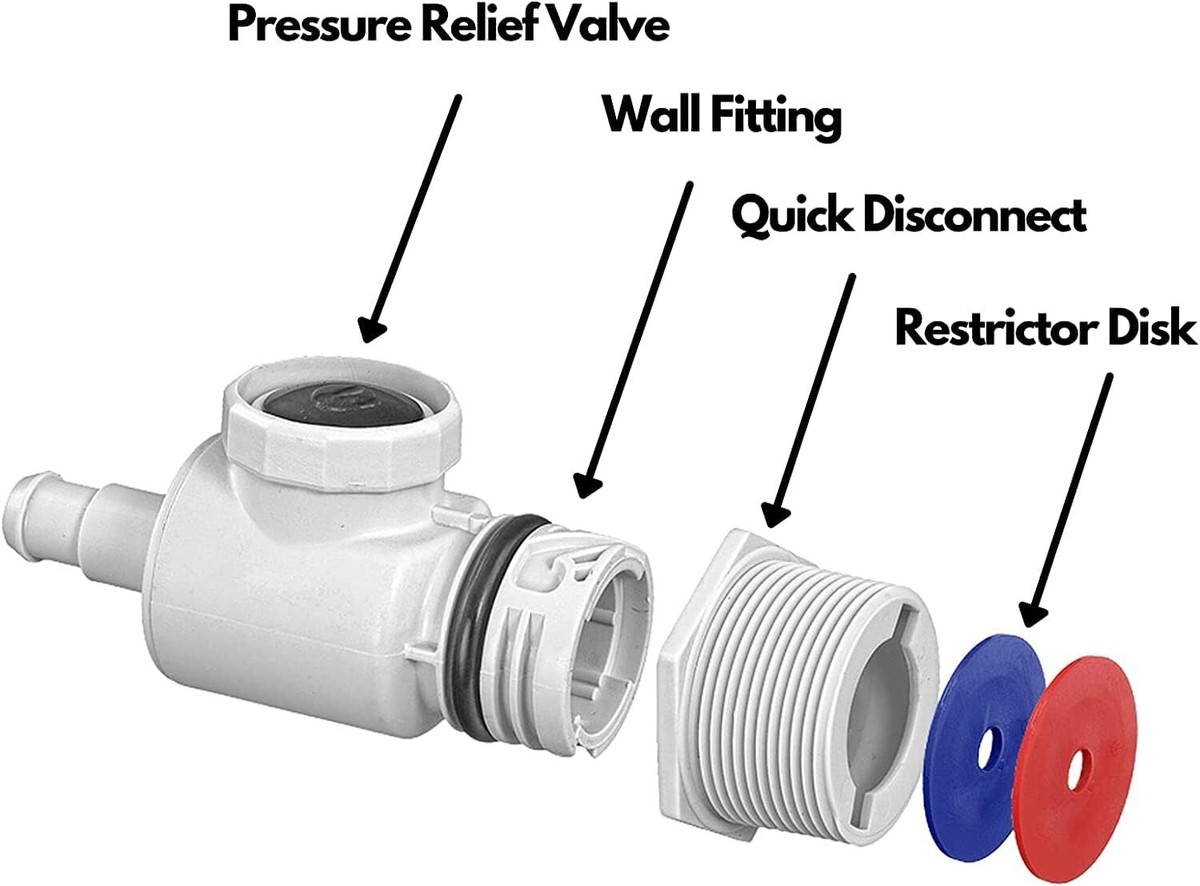
Is the Polaris pressure relief valve unique? Not really—many pool cleaners use similar valves. But Polaris valves are known for their specific pressure range and easy replacement. Here’s a comparison with other common brands:
| Brand | Pressure Range (psi) | Valve Material | Replacement Cost (USD) | Typical Lifespan |
|---|---|---|---|---|
| Polaris | 25-30 | Plastic/Brass | $15 – $35 | 2-3 years |
| Zodiac | 22-28 | Plastic | $12 – $28 | 2-3 years |
| Hayward | 24-32 | Plastic | $17 – $33 | 2-4 years |
Polaris valves tend to be durable and easy to find. It’s important to use the right valve for your cleaner’s pressure range.
Credit: www.ebay.com
Safety Tips When Working With Pool Plumbing
Dealing with pool plumbing, pumps, and pressure valves can be risky if you’re not careful. Here are some important safety tips:
- Always turn off the pump before removing any part.
- Depressurize the system by opening a valve or disconnecting the cleaner.
- Wear gloves to protect your hands from sharp edges or debris.
- Use the correct tools to avoid damaging plastic parts.
- Never use petroleum jelly on O-rings—use only pool-safe silicone grease.
- Check for leaks after repair by running the system and watching closely.
These simple steps can prevent injury or costly damage.
Non-obvious Insights Most Beginners Miss
Pool owners often focus on the visible leak but miss the deeper issues. Here are two insights:
- Valve leaks often point to system-wide pressure problems. Replacing the valve alone may not fix the root cause. Always check the booster pump pressure and look for blockages.
- Small leaks can hide larger water waste. Even a thin spray from the relief valve adds up to hundreds of gallons lost each week. This not only increases your water bill but can also unbalance your pool chemicals.
Credit: inspectapedia.com
When To Call A Professional
Most pressure relief valve problems are simple. But call a pool professional if:
- You see very high pressure readings (over 40 psi).
- There are multiple leaks in the plumbing.
- The pool cleaner does not move at all after repairs.
- You’re unsure about handling pool plumbing safely.
A qualified technician can check for hidden blockages, pump problems, or plumbing leaks that are hard to spot.
Frequently Asked Questions
Why Does My Polaris Pressure Relief Valve Shoot Water Even After I Replaced It?
If water still shoots out after installing a new valve, the real problem may be high pressure, a blockage, or a faulty pump. Check the booster pump pressure and clean the entire cleaner and hose. If the problem remains, call a professional to inspect your system.
Can I Use A Generic Pressure Relief Valve, Or Does It Have To Be Polaris Brand?
It’s best to use a Polaris-brand valve or one designed for your specific model. Generic valves may not fit well or may open at the wrong pressure, causing leaks or poor cleaner performance.
How Often Should I Replace The Pressure Relief Valve On My Polaris Cleaner?
Most valves last 2-3 years with normal use. Replace sooner if you see leaks, cracks, or poor spring action. Regular inspection extends the valve’s life.
Is It Safe To Keep Using My Pool If The Relief Valve Is Leaking Or Spraying Water?
It’s not recommended. A spraying relief valve means high pressure or a system problem. This can damage the cleaner, hoses, or pump over time. Fix the leak before regular pool use.
Where Can I Find More Information About Pool Cleaner Maintenance?
For more details, visit the SwimmingPool.com maintenance guide for expert advice and up-to-date tips.
A Polaris pressure relief valve shooting water can be a sign of minor wear or a bigger system issue. With the right steps, you can fix the leak, protect your pool investment, and enjoy a clean, clear pool all season long.
Regular inspection, cleaning, and timely replacement are your best tools for hassle-free pool ownership.