
A foul odor coming from your kitchen sink is more than just an annoyance. When that smell is as strong and unpleasant as poop, it can make daily kitchen tasks unbearable and even raise concerns about your home’s hygiene. If you’re dealing with this problem, you’re not alone. Many homeowners and renters face smelly sinks at some point, and the causes are often hidden out of sight. Understanding why your kitchen sink smells so bad—and how to fix it—can help you breathe easy again and keep your kitchen a welcoming place.
This article will give you a complete, step-by-step guide to identifying, fixing, and preventing kitchen sink odors that smell like poop. You’ll learn why these smells happen, what you can do about them, and how to stop them from coming back. Whether you’re a DIY beginner or someone who has tried everything, you’ll find clear advice and practical solutions here.
Why Does My Kitchen Sink Smell Like Poop?
When a kitchen sink smells like sewage or poop, it means something is seriously wrong in your plumbing or cleaning routine. The odor can be caused by several issues, each with its own signs and solutions.
Common Causes Of Foul Kitchen Sink Odors
1. Clogged Or Dirty Pipes
Food scraps, grease, and soap can build up in your pipes. Over time, bacteria break down this gunk and release gases that smell like sewage.
2. Dry P-trap
The curved pipe under your sink (called a P-trap) holds water to block sewer gases. If it dries out, gases come up into your kitchen.
3. Blocked Or Dirty Vent Pipe
Every drain has a vent pipe that lets air in and out. If it’s blocked, water can’t flow right, and gases get trapped.
4. Garbage Disposal Problems
Bits of food can stick under the blades or in hidden spots. Bacteria grow and create strong smells.
5. Leaky Or Cracked Pipes
Leaks in the drain or sewage pipes let bad smells escape before they reach the main sewer.
6. Biofilm Buildup
A slimy layer called biofilm can grow inside pipes, especially if you don’t clean them often. This layer holds bacteria and smells.
7. Sewer Line Issues
Sometimes, the problem is deeper—a break or blockage in your home’s main sewer line can push gases back into your sink.
8. Dishwasher Connection
If your dishwasher drains into the same pipe as your sink, food bits and dirty water can add to the smell.
How Sewer Gas Travels
Sewer gas is a mix of methane, ammonia, and other compounds. It’s not just stinky—it can be dangerous in high amounts. Normally, plumbing keeps these gases sealed away. If there’s a problem, you may smell a rotten egg or poop odor coming up through your kitchen sink.
How To Identify The Source Of The Smell
It’s important to find out where the smell is coming from before you try to fix it. Here’s a simple process:
Step 1: Sniff And Inspect
- Smell around the sink, drain, and under the cabinet.
- Is the smell strongest at the drain, under the sink, or near other pipes?
Step 2: Check For Clogs
- Fill the sink with water, then let it drain. Does it drain slowly?
- Look for water backing up or gurgling noises.
Step 3: Test The P-trap
- Shine a flashlight under the sink. Does the P-trap look dry or have leaks?
- If you haven’t used the sink for a while, pour water down to refill the trap.
Step 4: Look For Leaks
- Check for wet spots, mold, or musty smells under the sink.
- Inspect the garbage disposal if you have one.
Step 5: Check The Dishwasher
- Run the dishwasher. Does the smell get worse?
- Inspect the hose that connects the dishwasher to the sink.
Step 6: Listen And Observe
- Do you hear bubbling, hissing, or gurgling when water drains?
- Is the smell worse after heavy rain? This may point to a vent or main sewer issue.
Non-obvious insight: In some homes, sink odors can actually travel from other rooms. For example, a blocked bathroom vent may push smells into the kitchen through shared pipes.
Immediate Steps To Reduce The Smell
While you’re looking for the main cause, you’ll want to make your kitchen livable again. Here are a few things you can do right away:
1. Flush The Drain With Hot Water
Boil a kettle and carefully pour hot water down the drain. This can melt grease and wash away some bacteria.
2. Use Baking Soda And Vinegar
Pour 1/2 cup baking soda down the drain, followed by 1 cup of white vinegar. Let it foam for 10-15 minutes, then rinse with hot water.
3. Run The Garbage Disposal
If you have a disposal, run it with cold water and a few ice cubes, then add lemon or orange peels for freshness.
4. Seal Off The Drain
If you need to mask the smell for a short time, plug the drain with a stopper or a wet cloth.
5. Ventilate The Kitchen
Open windows and use a fan to move the odor outside.
Detailed Solutions For Each Cause
Now, let’s look at how to fix each main cause of kitchen sink smells like poop.
Clogged Or Dirty Pipes
Grease, food, and soap can stick to the inside of your pipes and start to rot. This is one of the most common causes.
How to fix:
- Use a plunger to try to clear the clog.
- Use a plastic drain snake or a flexible cleaning brush to pull out hair and gunk.
- Pour a mix of baking soda and vinegar, let it sit, then flush with hot water.
Tip: Avoid harsh chemicals like drain cleaners unless nothing else works, as they can damage pipes and harm the environment.
Dry P-trap
If you haven’t used your sink for days or weeks, the water in the P-trap can evaporate. Without this water, nothing blocks the sewer gas.
How to fix:
- Pour at least 2 cups of water down the drain to refill the trap.
- Add a teaspoon of cooking oil. This slows down evaporation.
Non-obvious insight: Some sinks have a second, hidden trap (like in the dishwasher line). Make sure all connected traps have water.
Blocked Or Dirty Vent Pipe
Every plumbing system has a vent pipe (usually on the roof) that lets air in and out. If it gets blocked by leaves, nests, or ice, drains won’t work right.
How to fix:
- If you’re comfortable, check the vent pipe on the roof. Clear away any leaves or debris.
- Call a plumber if you suspect a deeper blockage.
Example: If you hear gurgling or bubbling every time you drain the sink, it’s often a vent problem.
Garbage Disposal Problems
Food can get stuck under the blades or in corners of your disposal. Over time, it rots and smells terrible.
How to fix:
- Unplug the disposal.
- Use a long brush and dish soap to scrub under the splash guard and inside the unit.
- Grind ice cubes and citrus peels to clean the blades.
Caution: Never put your hand inside a garbage disposal.
Leaky Or Cracked Pipes
Tiny leaks can let odors escape before water even reaches the main sewer.
How to fix:
- Dry the area under the sink completely.
- Run water and look for drips or wet spots.
- Replace any cracked or leaking pipes with new ones.
Tip: Use plumber’s tape or putty for small leaks, but replace pipes for bigger problems.
Biofilm Buildup
A sticky layer of bacteria, soap, and food (biofilm) grows in pipes that stay damp. This layer is hard to remove with just hot water.
How to fix:
- Use a bottle brush or flexible pipe cleaner to physically scrub the inside of the drain.
- Pour a cup of hydrogen peroxide down the drain to kill bacteria.
Non-obvious insight: Biofilm can regrow quickly. Cleaning once a month prevents odors.
Sewer Line Issues
If all sinks in your home smell, or if you notice slow drains in every room, the problem may be in your main sewer line.
How to fix:
- Contact a licensed plumber. Main line repairs are not DIY jobs.
- They may use a camera to inspect for blockages, roots, or cracks.
Example: If you notice sewage backing up into your tub or toilet, call for help immediately.
Dishwasher Connection
If your dishwasher drains through the same pipe as your sink, food and dirty water can make the odor worse.
How to fix:
- Make sure the dishwasher drain hose forms a high loop under the counter. This stops dirty water from flowing back.
- Clean the dishwasher filter and run a cleaning cycle with vinegar.
Tip: Check for clogs or kinks in the drain hose.
Comparing Solutions: Diy Vs. Professional Help
Some problems are easy to fix yourself. Others need professional tools and experience. Here’s a quick comparison:
| Problem | DIY Solution | When to Call a Pro |
|---|---|---|
| Clogged pipes | Plunger, drain snake, baking soda & vinegar | Clogs that return or don’t clear after 2-3 tries |
| Dry P-trap | Pour water down the drain | Odor returns quickly, even after refilling trap |
| Vent pipe blockage | Remove leaves/debris from roof vent | Persistent gurgling or all drains affected |
| Main sewer line | None | All sinks/toilets smell or backup |
How To Clean Your Kitchen Sink Drain Effectively
Regular cleaning is your best defense against stinky drains. Here’s a step-by-step routine:
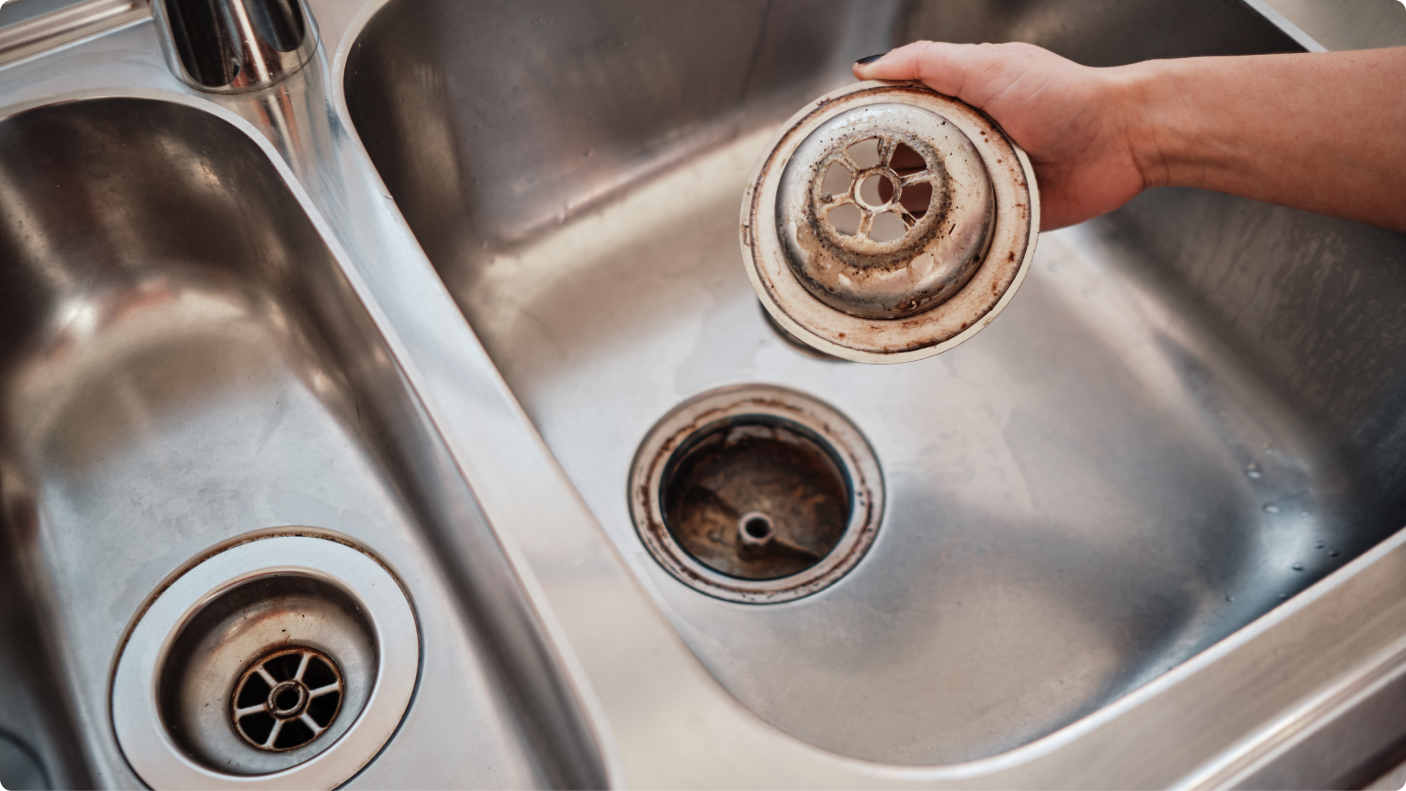
- Remove any visible debris
- Pick out food scraps or anything caught in the drain cover.
- Flush with hot water
- Pour a kettle of boiling water down the drain.
- Scrub the drain
- Use a small brush and dish soap to clean the sides.
- Use a homemade cleaner
- Pour 1/2 cup baking soda, followed by 1 cup vinegar. Let sit 15 minutes.
- Rinse well
- Follow with hot water to wash everything away.
- Clean the garbage disposal (if you have one)
- Run cold water, grind ice cubes, then add a few lemon peels.
- Wipe the sink area
- Clean around the faucet and drain with a disinfectant.
Practical tip: Cleaning your sink drain once a week helps prevent smells.
Preventing Kitchen Sink Odors
Once you’ve fixed the problem, you’ll want to make sure the smell never comes back. Prevention is always easier than a big repair.
Simple Habits To Keep Your Sink Fresh
- Scrape plates before rinsing
- Fewer food scraps mean less for bacteria to eat.
- Never pour grease down the drain
- Grease hardens in pipes and traps food.
- Run hot water after each use
- Hot water washes away soap and small food bits.
- Clean the garbage disposal weekly
- Use ice and citrus peels to keep it clean.
- Check for leaks monthly
- Look under the sink for drips or water stains.
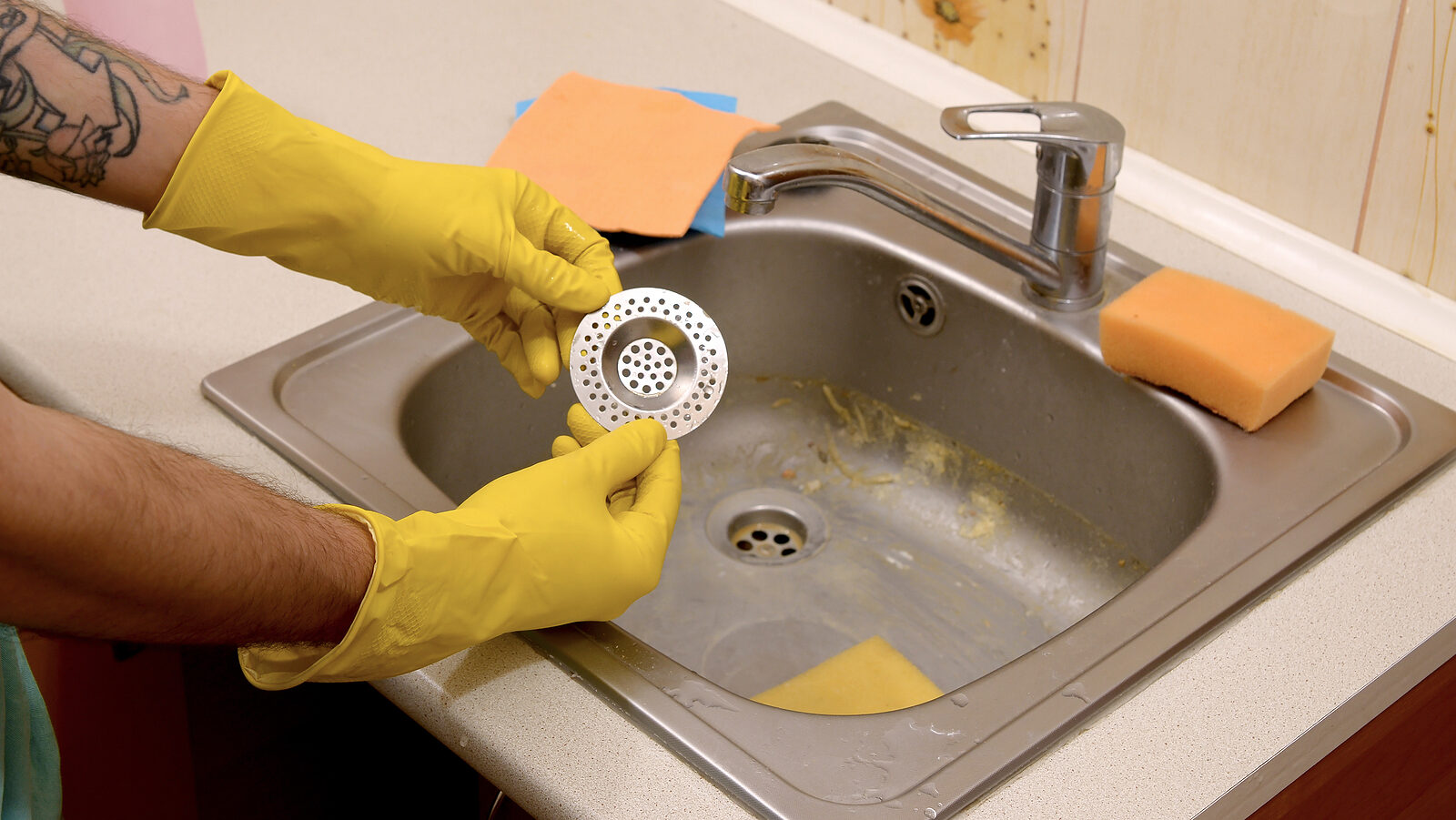
- Use a drain cover
- This catches hair and food before it enters the pipes.
Non-obvious insight: Even “safe” foods like rice and pasta swell in water and can block pipes—throw them in the trash, not the sink.
Yearly Maintenance Checklist
Here’s a quick yearly maintenance plan:
| Task | When | Why |
|---|---|---|
| Flush drains with vinegar & baking soda | Every 3 months | Removes odor-causing buildup |
| Check P-trap for leaks | Twice a year | Stops smells from escaping |
| Clean garbage disposal | Monthly | Removes trapped food |
| Inspect vent pipes | Yearly | Prevents sewer gas backup |
When Is It Time To Call A Plumber?
Not every kitchen sink odor is a simple fix. Here are signs you should get professional help:
- Multiple drains smell bad in your home
- Water backs up into the sink, tub, or toilet
- Persistent gurgling or bubbling noises from drains
- Sewage or water leaks under the sink
- DIY fixes only work for a few days
- You suspect a broken or blocked main sewer line
A plumber has special tools like drain cameras and power augers to find and fix deep problems. Trying to fix these on your own can sometimes make things worse or cause expensive damage.
Credit: blockbusters.co.uk
Health Risks Of Sewer Gas And Drain Odors
A kitchen that smells like poop is more than just unpleasant. It can also be a health risk:
- Sewer gas contains methane and hydrogen sulfide. In high amounts, these gases can cause headaches, dizziness, or nausea.
- Bacteria and mold thrive in damp, smelly places. These can trigger allergies or even infections.
- Food contamination is possible if drain water splashes onto dishes or counters.
While short-term exposure is not usually dangerous, strong or lasting odors should be fixed quickly.
Fact: The U.S. National Institute for Occupational Safety and Health warns that hydrogen sulfide (the “rotten egg” smell in sewer gas) can be harmful in enclosed spaces.
Myths About Kitchen Sink Odors
Many people try old “tricks” that don’t really solve the problem. Here are a few myths:
- “Pouring bleach kills all smells.”
Bleach can mask odors, but it won’t remove clogs or biofilm. It can also damage pipes if used too often.
- “It will go away on its own.”
Most smells get worse over time as bacteria and buildup increase.
- “Only old houses have this problem.”
New homes can have sink smells too—especially if pipes are installed wrong or not vented well.
Non-obvious insight: Sometimes, using too much soap or antibacterial cleaner can make biofilm grow faster, because it wipes out good bacteria that keep bad ones in check.
:max_bytes(150000):strip_icc()/why-does-my-kitchen-sink-smell-like-sewage-4707719_06_Citrus-Peels-Ice-and-Salt-9013424033674901bb333de977aae138.jpg)
Credit: www.thespruce.com
Natural Ways To Keep Your Drain Fresh
Many people want to avoid harsh chemicals. Here are some natural ways to keep your kitchen drain smelling clean:
- Lemon or orange peels:
Grind them in the garbage disposal for a fresh scent.
- Baking soda:
Sprinkle a little down the drain after washing dishes.
- Vinegar:
Pour 1 cup of vinegar down the drain each week to kill odor-causing bacteria.
- Boiling water:
Safe for most pipes (except PVC), this melts grease and washes away debris.
Tip: If you have a septic system, avoid pouring lots of vinegar or lemon juice down the drain—use with care.
How Weather And Home Design Affect Sink Smells
Most people don’t realize that weather and your home’s layout can affect kitchen sink odors.
- Heavy rain can flood vent pipes or sewer lines, sending smells back into your home.
- Cold weather can freeze vent pipes, trapping gases.
- Older homes may have shared vent pipes for several rooms, so a problem in one room can cause smells in another.
Real-life example: In some apartment buildings, kitchen and bathroom drains may share the same main line. If one person pours grease down, others may smell it.
Costs Of Fixing A Smelly Kitchen Sink
Wondering how much repairs might cost? Here’s a comparison of average prices in the U.S.:
| Repair Needed | DIY Cost | Professional Cost |
|---|---|---|
| Clean P-trap | $0 (just water) | $75-$150 |
| Clear clog with snake | $10-$25 | $100-$200 |
| Replace leaky pipe | $10-$40 | $150-$300 |
| Main sewer line repair | Not DIY | $500-$2000+ |
Note: Prices vary by city and plumbing company. DIY is cheaper, but professional work comes with a guarantee.
Products That Help Prevent Sink Odors
There are a few store-bought products that can help keep your drain fresh:
- Enzyme drain cleaners (like Bio-Clean) use natural bacteria to eat away gunk.
- Garbage disposal cleaners are small packets you grind to clean and deodorize.
- Drain screens catch food and hair before they enter the pipes.
Always read labels to make sure products are safe for your plumbing type.
Credit: www.liquidplumr.com
Real-world Example: Fixing A Smelly Kitchen Sink
Let’s look at a real-life scenario:
Maria noticed a poop smell from her kitchen sink. She tried pouring bleach down the drain, but the smell came back. She checked the P-trap, which was full of water. Next, she cleaned her garbage disposal with ice and lemon peels, but the odor stayed.
Maria then removed the drain cover and used a flexible brush to clean inside the pipe. She found a thick, slimy buildup (biofilm). After scrubbing and rinsing with hot water and vinegar, the smell finally disappeared.
Lesson: Sometimes the cause is hidden. Physical cleaning works better than just pouring chemicals.
Mistakes To Avoid When Dealing With Sink Odors
1. Ignoring The Problem
The smell will not go away by itself and can signal a bigger plumbing issue.
2. Using Harsh Chemicals Too Often
These can damage pipes and harm the environment.
3. Forgetting About The Vent Pipe
Many people clean the drain but never check the vent.
4. Not Checking For Leaks
Odors can escape from tiny, hidden leaks.
5. Assuming It’s Always Food Waste
Sometimes, the problem is with your home’s main sewer line or venting.
Pro tip: If you’ve tried all the DIY fixes and the smell keeps coming back, get a professional inspection. It can save you money and trouble in the long run.
Frequently Asked Questions
Why Does My Kitchen Sink Smell Even After Cleaning It?
If odors return right after cleaning, you may have a hidden clog, a blocked vent pipe, or a problem in the main sewer line. Sometimes, the smell comes from places you can’t reach, like deep in the pipes or from a leak under the floor.
Can Kitchen Sink Smells Be Harmful To My Health?
Most kitchen sink odors are annoying, but strong or long-lasting smells can be a health risk. Sewer gas contains methane and hydrogen sulfide, which can make you sick if you breathe them in for a long time.
What Is The Best Cleaner For A Smelly Kitchen Sink Drain?
Enzyme-based cleaners are safe and effective for most pipes. Natural options like baking soda and vinegar also work well for routine cleaning. Avoid using bleach or chemical drain cleaners too often.
How Can I Prevent Kitchen Sink Odors In The Future?
Clean your drain weekly, avoid pouring grease or food scraps down the sink, and run hot water after each use. Check for leaks and clean the garbage disposal (if you have one). Install a drain cover to catch debris.
When Should I Call A Plumber For A Kitchen Sink Odor?
Call a plumber if the smell comes from multiple drains, if you see sewage backing up, or if DIY fixes don’t work. A professional can check for problems like a blocked vent pipe or a broken main sewer line.
For more on plumbing and home maintenance, check trusted resources like Family Handyman.
A kitchen sink that smells like poop can make your whole home feel dirty, but the cause is often simple to find and fix. Take action as soon as you notice the smell, follow the steps above, and make cleaning and maintenance a regular habit.
With a little effort and the right knowledge, you can keep your kitchen fresh, your pipes clear, and your home healthy.