
Many people do not think about how important it is to measure the flow of water until something goes wrong. In many industries, buildings, and even in our homes, knowing if water is flowing—or if it stops—is a big deal. This is where a no water flow flow sensor comes in. These devices are designed to detect when there is no water moving through a pipe or system. They help prevent damage, save money, and keep everything running safely. But how do these sensors work? What types exist? Why are they so important in modern systems? This article will guide you through everything you need to know about no water flow flow sensors, including their uses, types, how they work, installation advice, common problems, and much more.
What Is A No Water Flow Flow Sensor?
A no water flow flow sensor is a device that detects when water stops flowing in a pipe or channel. Its main job is to alert a system or person if water flow drops below a certain level or stops completely. These sensors can be simple or advanced, but their purpose is always the same: to keep systems safe by warning about a lack of water movement.
For example, in a cooling system, if water stops flowing, the equipment can overheat and break. In a building’s fire sprinkler system, no water flow means the sprinklers will not work during a fire. By using these sensors, problems can be fixed before they cause real damage.
How Does A No Water Flow Flow Sensor Work?
These sensors work by measuring the presence or absence of water flow in a pipe. There are different technologies used for this:
- Mechanical sensors have a moving part, like a paddle or turbine, that turns or moves when water flows. If the part stops moving, the sensor sends a signal.
- Electromagnetic sensors detect the movement of water using electrical signals. If water stops, the signal changes.
- Ultrasonic sensors use sound waves to measure flow. If the sound waves do not bounce back as expected, the sensor knows water is not moving.
- Thermal sensors measure changes in temperature caused by moving water. If the temperature stays the same, it means no flow.
Many modern sensors also include electronics to send alerts, trigger alarms, or even shut down equipment automatically when no flow is detected.

Credit: www.hayward.com
Why Is Detecting No Water Flow Important?
Detecting no water flow is critical in many systems for several reasons:
- Protecting equipment: Many machines, like pumps or cooling systems, need water to avoid overheating or breaking.
- Safety: In fire protection systems, no water flow means fire sprinklers or hydrants will not work.
- Preventing water damage: If water stops flowing in a heating system, it can freeze and burst pipes.
- Process control: In factories, steady water flow is needed for making products.
- Saving energy: Pumps and motors should not run if there is no water to move. Sensors help turn off equipment to save power.
A single undetected water stoppage can lead to huge repair costs, lost production, or even danger to people. That’s why these sensors are a smart investment.
Key Applications Of No Water Flow Flow Sensors
No water flow flow sensors are used in many places. Here are some of the most common and important applications:
Industrial Systems
Factories and processing plants use water for cooling, cleaning, and making products. If water stops flowing, it can cause:
- Machinery to overheat
- Poor product quality
- Safety risks for workers
Sensors help monitor flow and send alerts if something is wrong.
Hvac (heating, Ventilation, Air Conditioning)
Large buildings use water to heat and cool air. No flow can freeze pipes in winter or overheat machines in summer. Flow sensors are used to:
- Protect chillers and boilers
- Prevent pipe damage
- Ensure comfort for building occupants
Fire Protection
Fire sprinkler systems rely on water to put out fires. If water is not available when needed, the results can be disastrous. Flow sensors are a key part of:
- Fire sprinkler networks
- Fire hydrant lines
- Alarm systems for building safety
Water Treatment Plants
These plants clean and distribute water to homes and businesses. Sensors:
- Ensure pumps keep moving water
- Alert staff to blockages or leaks
- Help maintain safe, clean water
Home And Building Automation
Modern homes use sensors to detect leaks or stoppages in water lines. This helps:
- Prevent water damage
- Control irrigation systems
- Send alerts to homeowners
Agricultural Irrigation
Crops need a steady flow of water. No flow sensors can:
- Detect pipe breaks or blockages
- Save water by stopping pumps automatically
- Improve crop yields by ensuring consistent irrigation
Medical Equipment
Some hospital machines, like cooling systems for medical imaging, rely on water flow. Sensors ensure:
- Machines stay cool and safe
- Patient safety is never at risk
These examples show just how wide the use of no water flow flow sensors has become.
Types Of No Water Flow Flow Sensors
There is no single best sensor for every job. The right sensor depends on the application, the size of the pipe, the type of water, and the system’s needs. Here are the main types:
Mechanical Flow Sensors
These are simple and reliable. They often use a paddle, vane, or turbine that spins or moves when water flows. If the part stops moving, the sensor detects no flow.
Pros:
- Low cost
- Easy to install
- Good for basic applications
Cons:
- Moving parts can wear out
- Not suitable for dirty water (can clog)
Electromagnetic Flow Sensors
These sensors use a magnetic field and electrodes to measure water movement. If water flow stops, the voltage drops to zero.
Pros:
- No moving parts (less wear)
- Good for dirty or corrosive water
Cons:
- More expensive
- Needs power supply
Ultrasonic Flow Sensors
Ultrasonic sensors use sound waves. They send waves through the pipe and measure how long it takes for the sound to travel. No flow changes the travel time.
Pros:
- No contact with water (can be mounted outside pipe)
- No moving parts
- Works with many water types
Cons:
- Sensitive to pipe material and thickness
- Higher cost
Thermal Flow Sensors
These sensors measure heat loss from a heated element. Moving water cools the element. If water stops, the temperature stays the same.
Pros:
- No moving parts
- Good for small pipes and low flows
Cons:
- Not ideal for dirty water (can coat sensor)
- Needs power
Optical Flow Sensors
Optical sensors use light beams. When water flows, the light is scattered or blocked. If water stops, the signal changes.
Pros:
- Fast response
- No moving parts
Cons:
- Sensitive to dirty water
- More complex electronics
Comparison Of Sensor Types
To help you choose, here is a comparison of the main types:
| Type | Moving Parts | Suitable for Dirty Water | Cost | Installation Ease |
|---|---|---|---|---|
| Mechanical | Yes | No | Low | Easy |
| Electromagnetic | No | Yes | Medium-High | Medium |
| Ultrasonic | No | Yes | High | Medium-Hard |
| Thermal | No | No | Medium | Easy |
| Optical | No | No | High | Medium |
How To Choose The Right No Water Flow Flow Sensor
Selecting the best sensor is more than just picking the cheapest one. Here are some important factors to consider:
1. Type Of Water
Is the water clean, dirty, or corrosive? For dirty water, avoid sensors with moving parts. Electromagnetic or ultrasonic are better choices.
2. Pipe Size
Some sensors are made for small pipes (like in homes), while others are for big industrial pipes. Make sure the sensor fits your pipe size.
3. Flow Rate Range
Each sensor has a range where it works best. Check the minimum and maximum flow rates in your system.
4. Installation Environment
Is the sensor going outside, in a wet area, or in a hot room? Look for waterproof, temperature-resistant models if needed.
5. Maintenance Needs
Mechanical sensors need more cleaning and checks. If you want low maintenance, choose a sensor with no moving parts.
6. Output Signal Type
Sensors can send different signals: switches (on/off), analog signals (like 4-20mA), or digital signals. Match the sensor output to your control system.
7. Budget
Balance cost with reliability. Sometimes a higher-priced sensor saves money in the long run by avoiding repairs or downtime.
Example: Choosing For A Fire Sprinkler System
For a fire sprinkler line, reliability is key. Many experts recommend electromagnetic or paddle-type sensors. Paddle types are simple but need regular checks. Electromagnetic sensors are more expensive but less likely to fail.
Common Problems Detected By No Water Flow Flow Sensors
These sensors do more than just spot a stopped pump. Here are issues they can catch early:
- Blocked pipes: Dirt, rust, or objects block water.
- Pump failure: Pump stops working or loses power.
- Valve closed: Someone accidentally shuts a valve.
- Air lock: Air trapped in pipes stops water flow.
- Leakage: Water escapes, so less or no water reaches the sensor.
- Frozen pipes: In cold weather, water can freeze and stop moving.
By catching these problems early, you avoid bigger troubles later.
How To Install A No Water Flow Flow Sensor
Proper installation is important for accurate detection. Here are general steps and tips:
1. Pick The Right Location
- Place the sensor where water must always flow (not in a bypass line).
- Avoid areas with air bubbles, as they can affect readings.
- For vertical pipes, follow the manufacturer’s guidance—some sensors only work in certain directions.
2. Prepare The Pipe
- Turn off water supply before cutting or drilling.
- Clean the pipe to remove dirt or rust.
3. Mount The Sensor
- Follow the manufacturer’s instructions for orientation and depth.
- For inline sensors, use proper fittings or adapters.
4. Connect Wiring
- Use waterproof connectors if needed.
- Label wires for easy troubleshooting.
5. Test The System
- Slowly turn on water and check the sensor’s response.
- Simulate a no-flow condition (close a valve) to make sure the alarm works.
6. Maintenance
- Regularly inspect and clean mechanical sensors.
- Check electronic connections for corrosion.
Here is a summary of installation tips:
| Step | Key Point | Tip |
|---|---|---|
| Location | Must detect main flow | Avoid bends and air pockets |
| Mounting | Correct orientation | Follow arrows/labels |
| Wiring | Waterproof connections | Use quality cable glands |
| Testing | Simulate no flow | Check alarm triggers |
| Maintenance | Regular checks | Clean and inspect sensors |

Credit: www.youtube.com
Real-world Examples Of No Water Flow Flow Sensor Usage
Cooling System Failure Prevention
A large data center uses water-cooled equipment. In one incident, a pump failed at night. The no water flow sensor detected zero flow and triggered an alarm. Staff responded in minutes, preventing overheating and avoiding thousands of dollars in equipment damage.
Fire Sprinkler Monitoring In High-rise Buildings
A high-rise office building has an advanced fire sprinkler system. Sensors check for water flow in every zone. When a valve was left closed after maintenance, the sensor sent an alert. The problem was fixed before a fire occurred.
Agricultural Irrigation Control
A farm uses automated irrigation. No water flow sensors detect pipe breaks or blockages. When a sensor detected no flow in a field, the system shut off the pump and sent a text message to the farmer. This saved water and prevented crop loss.
Manufacturing Process Control
In a food factory, water is needed for cleaning and cooling. No flow sensors catch blocked filters or failed pumps quickly, keeping production safe and smooth.
Common Mistakes When Using No Water Flow Flow Sensors
Even with good sensors, mistakes happen. Here are errors to avoid:
- Wrong sensor type for water quality: Using a mechanical sensor in dirty water leads to clogging and false alarms.
- Poor placement: Installing the sensor near bends or pumps causes air bubbles and wrong readings.
- Ignoring maintenance: Even “no maintenance” sensors need checks for wiring or buildup.
- No system testing: Not testing alarms after installation can leave systems unprotected.
- Incompatible signals: Choosing a sensor with an output your control system cannot read.
To get the best results, plan installation carefully and follow the manufacturer’s recommendations.
Cost And Value Of No Water Flow Flow Sensors
Prices vary widely based on type, size, and features:
- Mechanical paddle sensors: $20–$150
- Electromagnetic sensors: $200–$1,000+
- Ultrasonic sensors: $300–$2,000
- Thermal/optical sensors: $150–$800
Although some sensors cost more, the value they provide is huge. Preventing one serious equipment failure or water leak can save thousands of dollars.
Example Of Cost Savings
A mid-sized factory spent $500 on flow sensors. The following year, they avoided a $10,000 repair bill when a blocked pipe was detected early. The sensors paid for themselves many times over.
Two Non-obvious Insights Beginners Miss
- Sensor placement is more important than sensor type: Many people buy the best sensor but install it in a bad spot (like near a pump or bend). This causes false alarms or missed events. Always install where water flow is steady and free of air bubbles.
- Temperature swings affect electronic sensors: In systems with big temperature changes (like outdoor irrigation in winter and summer), thermal and some electronic sensors can give wrong signals. Choose models rated for your climate or add insulation.
Future Trends In No Water Flow Flow Sensors
Smart technology is changing these sensors. Here are some trends:
- Wireless connectivity: Sensors now send alerts to phones or computers without wires.
- Self-diagnostics: Advanced sensors can check their own health and warn when cleaning is needed.
- Integration with smart systems: Sensors can work with building management or factory automation for faster, automatic responses.
- Smaller and more energy-efficient: New models use less power and fit in tighter spaces.
These changes make sensors more reliable and easier to use.
Recommended Brands And Where To Buy
Some well-known brands for no water flow flow sensors include:
- Siemens (industrial and building systems)
- Honeywell (HVAC and general use)
- Dwyer Instruments (wide range of flow sensors)
- IFM Electronic (industrial sensors)
- Omega Engineering (scientific and industrial sensors)
For more details on specifications and availability, you can visit Omega Engineering, a trusted source for flow sensor technology.
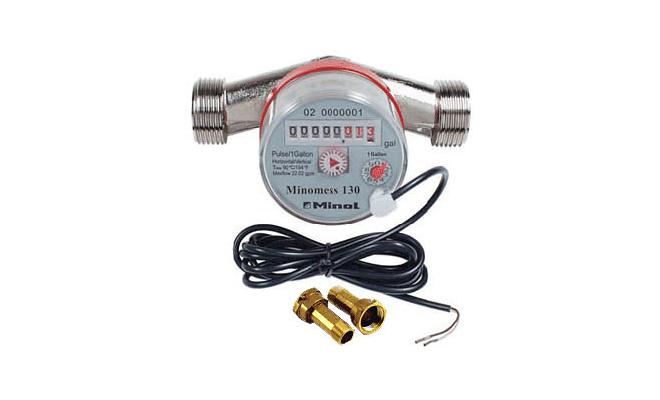
Credit: www.onsetcomp.com
Frequently Asked Questions
What Is The Main Difference Between A Flow Sensor And A No Water Flow Flow Sensor?
A flow sensor measures how much water is moving, while a no water flow flow sensor focuses on detecting when water stops moving completely or falls below a set minimum. Some devices do both, but a no water flow sensor’s main job is to send an alert if flow is lost.
Can I Install A No Water Flow Flow Sensor Myself?
For small systems (like home irrigation), many people can install these sensors with basic plumbing and wiring skills. For large or critical systems (factories, fire sprinklers), it is better to use a professional. Mistakes can lead to false alarms or missed problems.
How Often Should I Check Or Maintain My Flow Sensor?
Mechanical sensors should be checked and cleaned every few months, especially in dirty water. Electronic sensors need less cleaning but should be checked once or twice a year for wiring or buildup.
Will A No Water Flow Flow Sensor Work With Any Type Of Liquid?
Most are designed for water. Some can handle other liquids, but always check the manufacturer’s guide. Using the wrong sensor in a chemical or oil line can cause failure or damage.
Can I Connect A No Water Flow Flow Sensor To My Smart Home System?
Many new sensors offer digital outputs or wireless connections. If your smart home hub accepts standard signals (like 4-20mA or digital contacts), you can connect the sensor for real-time alerts.
No water flow flow sensors are a small investment with big benefits. They help prevent damage, save money, and provide peace of mind. Whether you manage a factory, a building, or your own home, understanding these sensors is a smart step toward safer water systems.