
A pool is a place for relaxation and enjoyment. But when you see water leaking from your Pentair pool heater, it can be worrying. Water leaks are more than just a small problem—they can damage your equipment, increase your bills, and even lead to unsafe situations. Understanding why your Pentair pool heater is leaking water, and knowing what to do about it, can save you time, money, and stress.
Many pool owners face this issue, yet few know where to start. Some leaks are easy to fix, while others need expert help. This article will guide you through everything you need to know about a leaking Pentair pool heater.
You’ll learn about common causes, how to find the leak, what steps you can take, and when to call a professional. Along the way, you’ll also discover tips that most beginners miss, such as the importance of water chemistry and the hidden signs of internal damage.
Understanding Your Pentair Pool Heater
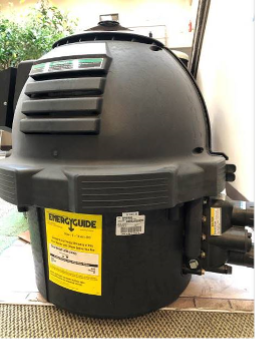
Before you troubleshoot a leak, it helps to understand how a Pentair pool heater works. These heaters are designed to warm your pool water using gas or electricity. Water from your pool passes through the heater, where it is warmed and then returned to the pool. The main parts include the heat exchanger, pipes, valves, pressure switch, and sometimes a condensation drain.
There are two main types of Pentair heaters:
- Gas pool heaters: Use natural gas or propane to heat water quickly.
- Electric heat pumps: Use electricity to transfer heat from the air to the water.
Leaks can happen in both types, but the causes may be different. Knowing your heater’s model and type helps when you look for the source of the leak or contact support.
Why Is Your Pentair Pool Heater Leaking Water?
There are several possible reasons for a leaking pool heater. Some are simple, like loose fittings, while others are more serious, like a cracked heat exchanger. Here are the most common causes:
1. Loose Or Damaged Fittings
Over time, connections and fittings on your heater can become loose or worn. Water under pressure will escape through even a small gap. Check all visible pipes and joints for drips or wet spots.
2. Faulty Heat Exchanger
The heat exchanger is a key part of the heater. It heats the water as it passes through. If the exchanger cracks—often due to freezing, poor water chemistry, or age—water will leak from inside the heater. This is a serious problem and can sometimes mean the heater needs replacement.
3. Condensation
Sometimes, what looks like a leak is actually condensation. When cold water enters a hot heater, moisture forms and may drip outside. High-efficiency heaters, especially, produce more condensation. If the dripping water is clear and only appears when the heater runs, it may just be condensation.
4. Internal Gasket Or Seal Failure
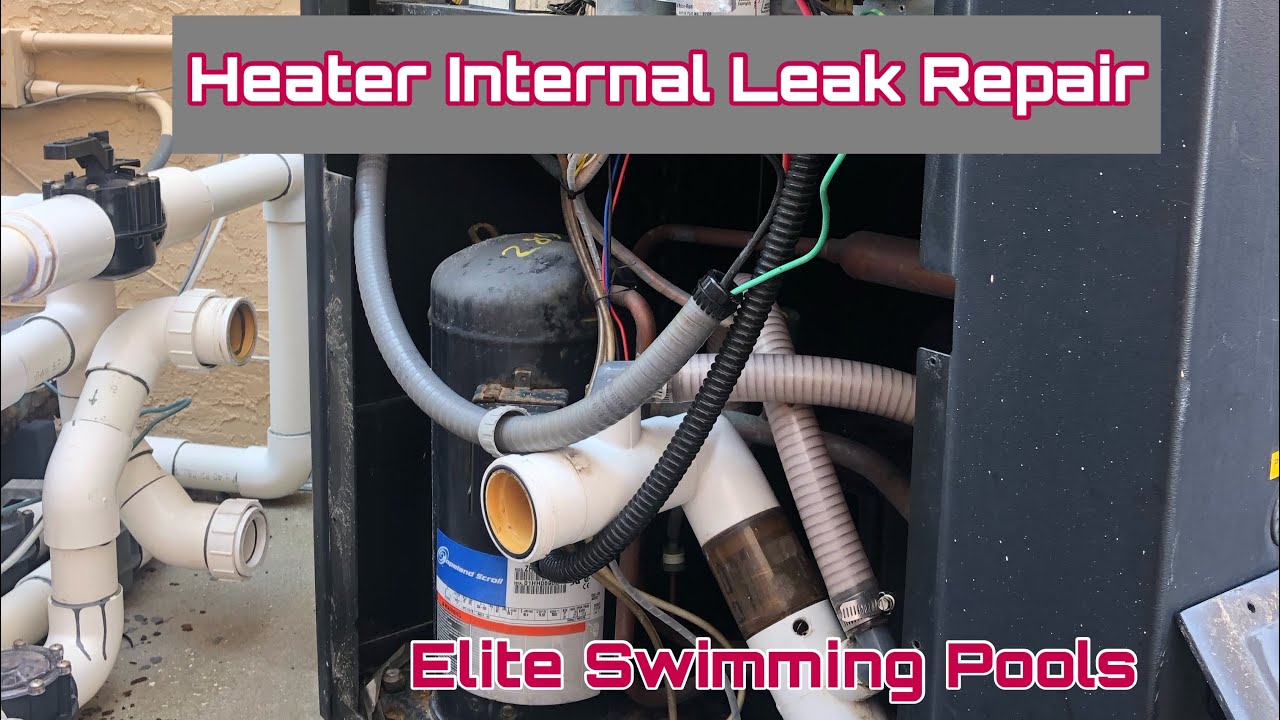
Inside the heater, rubber gaskets or seals keep water from leaking between parts. If these seals dry out, crack, or shift, water may escape. This often leads to leaks inside the heater cabinet.
5. Pressure Relief Valve Leak
Most Pentair heaters have a pressure relief valve for safety. If water pressure gets too high, this valve opens to release water. If it’s faulty, stuck, or the system pressure is constantly too high, you may see water dripping near the valve.
6. Plumbing Issues Upstream Or Downstream
Sometimes the leak is not in the heater itself. Cracked pipes or faulty connections before or after the heater may drip water onto or near the unit, making it seem like the heater is leaking.
7. Freeze Damage
If your pool is in a cold climate, water left inside the heater during a freeze can expand and crack parts, especially the heat exchanger or manifolds. After winter, leaks often appear due to this hidden damage.
8. Clogged Condensate Drain
Heaters with condensation drains can develop clogs. Water builds up and finds another way out, causing leaks inside or outside the cabinet.
9. Corrosion And Rust
Over time, minerals in water can cause corrosion or rust inside metal parts. This weakens the heater and may allow water to escape.
10. Installation Errors
Incorrect installation—like over-tightened fittings, poor pipe support, or bad alignment—can stress connections and lead to leaks months or years later.
How To Identify The Source Of The Leak
Finding exactly where the water comes from is the first step to solving the problem. Here’s how to locate the leak:
- Turn off the heater and pump. This keeps you safe and stops water flow.
- Open the heater cabinet. Look for wet spots, rust, or corrosion inside.
- Check all visible pipes, valves, and fittings. Run your fingers along joints to feel for moisture.
- Inspect the heat exchanger. If you see water pooling under it or dripping from the bottom, it may be cracked.
- Look for condensation. If water only appears when the heater is running and is clear, it might be condensation.
- Check for white mineral stains. These often show where water has been leaking slowly for a long time.
If you can’t find the leak, try running the pump and heater briefly and watch closely for new drips or streams.
Comparing Common Leak Locations
Below is a comparison of typical leak locations and what they might mean for your Pentair pool heater:
| Leak Location | Possible Cause | Repair Difficulty |
|---|---|---|
| At pipe fittings | Loose or worn connections | Easy |
| Under the heater cabinet | Heat exchanger crack or internal gasket failure | Hard |
| Near pressure relief valve | High pressure or faulty valve | Medium |
| At condensation drain | Clog or normal condensation | Easy |
| All over the cabinet | Corrosion or freeze damage | Hard |
This table helps you match where you see water with the likely problem and how difficult it might be to fix.
Credit: www.cpsc.gov
Step-by-step Guide: What To Do When You Discover A Leak
If you see your Pentair pool heater leaking water, follow these steps:
Step 1: Turn Off The Heater And Pump
Always start by turning off all equipment. This prevents further damage and keeps you safe while you inspect the heater.
Step 2: Find The Source
Use the methods above to identify where the leak comes from. Is it a fitting, the heat exchanger, a valve, or somewhere else?
Step 3: Check For Simple Fixes
- Tighten loose fittings gently with a wrench (do not overtighten).
- Clean the condensate drain if it’s blocked.
- Replace simple gaskets if you find obvious damage.
Step 4: Look For Warning Signs
- Rust or corrosion means internal parts may be failing.
- White or green stains show slow leaks.
- Cracks in metal parts often mean the heat exchanger is damaged.
Step 5: Test The Water
If the leak is from the pressure relief valve, check your pool’s water pressure. High pressure can damage the heater and other equipment.
Step 6: Call For Help If Needed
If you find a cracked heat exchanger, severe corrosion, or can’t locate the leak, contact a certified pool technician or Pentair support.
Diy Repairs Vs. Professional Help
Not every leak needs a professional. Here’s how to decide:
When You Can Fix It Yourself
- Loose or leaky fittings: Tighten or replace them.
- Clogged condensate drain: Clear the line with a small brush or pipe cleaner.
- Worn gaskets: Replace if you have the right part and basic tools.
When To Call A Professional
- Cracked heat exchanger: Needs expert diagnosis; often not repairable.
- Internal corrosion: May require full heater rebuild or replacement.
- Unexplained leaks inside the cabinet: Could be multiple problems.
Trying to fix serious leaks without experience can cause more damage. Also, opening the gas or electric parts may void your warranty or create safety risks.
The Role Of Water Chemistry
Many pool owners overlook how important water chemistry is for heater health. If your water is too acidic or has high calcium, it eats away at metal parts and gaskets, causing leaks over time. Test your pool water regularly and keep these levels balanced:
- PH: 7.4–7.6
- Total alkalinity: 80–120 ppm
- Calcium hardness: 200–400 ppm
Unbalanced water doesn’t just cause leaks; it can also shorten the life of your heater and other equipment. Adjust your chemicals as needed, and don’t ignore small problems.
How To Prevent Pool Heater Leaks
Prevention is always better than repair. Here are steps to keep your Pentair pool heater in good shape:
- Check fittings and valves monthly. Look for drips or moisture.
- Backwash your filter regularly. Dirty filters can increase pressure.
- Test pool water weekly. Balanced water prevents corrosion.
- Winterize your heater. If you live in a cold area, drain all water from the heater before freezing weather.
- Inspect heater cabinet. Open and check inside for rust or moisture every few months.
- Clean the condensate drain. Make sure it’s clear, especially in spring and fall.
Non-obvious insight: Many leaks start small and get worse when the heater is off for a long time (like over winter). Always check your heater before the swimming season starts.
Comparing Repair Costs
Here’s a simple comparison of what you might pay for different repairs:
| Repair Needed | DIY Cost | Professional Cost |
|---|---|---|
| Tightening/replacing fittings | $10–$50 | $100–$200 |
| Replacing gaskets/seals | $20–$100 | $150–$300 |
| Heat exchanger replacement | N/A | $700–$1,500 |
| Clearing condensate drain | $0–$10 | $100–$150 |
Note: Prices depend on your location and heater model. Heat exchanger repairs are often so costly that some owners choose to buy a new heater instead.
The Hidden Dangers Of Ignoring Leaks
It’s tempting to ignore a small drip, especially if your heater still works. But even a little leak can lead to:
- Electrical shorts (if water enters wiring)
- Gas leaks (if corrosion weakens the cabinet)
- Complete heater failure
- Higher energy bills (if the heater has to work harder)
- Damage to nearby equipment
Acting early protects your investment and keeps your pool safe.
Practical Tips Most People Miss
Here are two advanced tips that many beginners don’t know:
- Check for leaks after pressure surges. Events like backwashing the filter or opening/closing valves can stress your heater and start new leaks. Always inspect the unit after big changes to your pool system.
- Use a moisture detector. A simple, battery-powered moisture sensor placed inside the heater cabinet can alert you to leaks before they become visible. This small investment can prevent thousands in damage.
Warranty And Pentair Support
Most new Pentair heaters come with a warranty—usually 1 to 3 years. But, if you try to repair major parts yourself, you may void this warranty. Always check your manual and call Pentair support if you’re unsure. Keep your purchase documents and take photos of any leaks or damage to help with claims.
If your heater is still under warranty, Pentair may send a technician or approve a replacement part. For more details, visit the Pentair Official Site.

Credit: diy.stackexchange.com
When Is It Time To Replace Your Heater?
Sometimes, repair is not the best option. You might consider replacement if:
- The heat exchanger is cracked and out of warranty.
- There is severe corrosion inside the cabinet.
- The cost of repairs is more than half the price of a new heater.
- Your heater is over 10 years old and has frequent problems.
Newer models are more energy-efficient and can save you money in the long run.
Real-world Example
Consider this situation: John, a pool owner in Arizona, noticed water pooling under his Pentair MasterTemp heater. He checked all the fittings and found nothing loose. After opening the cabinet, he saw rust near the heat exchanger. A professional found a small crack, likely caused by poor pH balance over several years. The repair cost was nearly $1,200, so John decided to replace the entire unit. He now checks his water chemistry every week and inspects the heater monthly.
Credit: www.thekindbean.com
Frequently Asked Questions
Why Does My Pentair Pool Heater Leak Only When It’s Running?
This usually means the leak is related to pressure or temperature changes inside the heater. Water expands and flows faster when the pump is on, which can force water through weak spots, cracks, or loose fittings.
Is It Safe To Run My Pool Heater If It’s Leaking A Little?
No. Even small leaks can become bigger and damage other parts of your heater or equipment. Leaks can also lead to electrical or gas hazards. Turn off the heater and fix the leak before using it again.
How Can I Tell If The Leak Is Just Condensation?
Condensation is common in high-efficiency heaters, especially in cool weather. If you see a small amount of clear water dripping only when the heater runs and it stops soon after, it’s probably condensation. If the water is constant, dirty, or leaves stains, it’s likely a leak.
Will A Pool Heater Leak Affect My Pool Water Quality?
A leak usually won’t change your pool water quality directly, but if the leak is caused by corrosion or chemicals, it might mean your water chemistry is off. Always test your pool water if you find a leak, especially if you see rust or green stains.
What Is The Lifespan Of A Pentair Pool Heater?
With proper care, a Pentair pool heater can last 8–12 years. Regular maintenance, good water chemistry, and winterizing in cold climates will help your heater last longer.
A leaking Pentair pool heater is a problem you shouldn’t ignore. By understanding the causes, identifying the leak, and knowing when to call for help, you can protect your pool investment and avoid costly repairs. Regular maintenance, attention to water chemistry, and quick action at the first sign of trouble keep your heater working well for years.
And if you’re ever in doubt, professional support is just a call away. Enjoy your pool with peace of mind, knowing you’re prepared for any leak that may come your way.