
A swimming pool is a wonderful luxury, but to truly enjoy it all year, you need the right equipment. One key piece is the pool heater, which keeps water at a comfortable temperature, even when the air is cool. However, pool heaters are not simple devices—they rely on several safety features and mechanical parts to work properly. If you have ever seen the message “Pool Heater Rollout Sw Open” on your heater’s display, you might be confused or worried. This article will explain exactly what this message means, why it matters, how to fix it, and how to prevent it from happening again.
What Does “pool Heater Rollout Sw Open” Mean?
When your pool heater shows the “Rollout SW Open” message, it is warning you about a safety issue. The “rollout switch” (SW) is a special sensor inside your heater. Its job is to detect dangerous heat or flames in the wrong area—usually outside the combustion chamber, where burning should stay contained. If the rollout switch opens, it breaks the electrical circuit and shuts down the heater to prevent a fire or damage.
This message means the switch has “tripped”, detecting unsafe conditions. The heater stops working until the problem is fixed and the switch is reset or replaced. Unlike simple error codes, this alert signals a serious problem that needs attention.
Why Is The Rollout Switch So Important?
Heaters burn gas to heat water. If flames or hot gases escape from their proper path, they can burn wiring, melt parts, or even cause a fire. The rollout switch is a first defense against these dangers. It is designed to cut power before real harm occurs.
Some beginners think this is just a minor fault or a “resettable” issue. In fact, repeatedly resetting a tripped rollout switch without fixing the root problem can be extremely dangerous.
Main Causes Of A Pool Heater Rollout Switch Open
Understanding why the rollout switch might trip helps you solve the problem faster and avoid bigger issues. Several common reasons can trigger this alert:
1. Blocked Or Restricted Flue/exhaust
When exhaust gases can’t escape, they back up inside the heater. This raises temperatures and can force flames out of the combustion chamber.
2. Dirty Or Clogged Burner
Soot, spiders, or debris can block burner openings. This causes abnormal flame patterns and pushes heat where it shouldn’t go.
3. Poor Ventilation Around The Heater
Heaters need fresh air to burn fuel properly. If the area is too tight or covered, combustion is incomplete, creating extra heat and even dangerous carbon monoxide.
4. Backdraft Or Wind Effects
Strong winds or negative pressure can push exhaust gases back into the heater. This is common in outdoor installations or poorly designed venting systems.
5. Heat Exchanger Problems
A cracked or dirty heat exchanger can force flames to roll out of the chamber, tripping the switch.
6. Faulty Rollout Switch
Sometimes, the switch itself goes bad—old age, corrosion, or a loose connection can cause false tripping.
7. Improper Installation
Incorrect vent pipe sizes, poor location, or installation errors can all create unsafe operating conditions.
Real-world Example
A pool owner in Texas found their heater kept shutting off with a “Rollout SW Open” error every windy day. The cause? The vent cap was missing, so strong winds were blowing directly into the exhaust, pushing hot gases back inside.
After installing the correct vent cap, the problem disappeared.
How To Diagnose And Fix A Pool Heater Rollout Switch Open
Safety always comes first. If you see this message, don’t simply reset the heater and hope for the best. Here’s how to approach the problem step by step:
1. Turn Off Power And Gas
Before inspecting anything, turn off the heater at the main power switch or circuit breaker. Also, shut off the gas supply. This prevents accidents while you work.
2. Locate The Rollout Switch
The rollout switch is usually a small, round device with two wires, mounted near the burner or heat exchanger. Check your heater’s manual for the exact location.
3. Inspect For Obvious Problems
Look for soot, melted wires, discoloration, or signs of burning around the combustion chamber. These are clear signs that flames or hot gases are escaping.
4. Check The Exhaust And Venting
Make sure the flue or vent pipe is clear. Birds’ nests, leaves, or debris often block the exhaust. Remove any obstructions carefully.
5. Examine The Burner
Remove the burner cover and inspect the burner for dirt, rust, or spider webs. Clean carefully with a soft brush or compressed air.
6. Test The Switch
Use a multimeter to check if the switch is open (no continuity) or closed. If it’s still open after cooling down, the switch may need to be replaced.
7. Replace Or Reset The Switch
Some rollout switches are manual reset—they have a small button you can press once the heater is safe. Others are one-time-use and must be replaced after tripping.
8. Call A Professional
If you find any sign of fire damage, or if the problem returns after resetting, call a licensed pool heater technician. Do not risk your safety.
Example Diagnostic Table
Here’s a quick guide to possible causes and what you might see:
| Symptom | Possible Cause | What To Check |
|---|---|---|
| Soot around burner area | Dirty burner or blocked exhaust | Clean burner, check for debris in vent |
| Heater shuts off in wind | Backdraft, missing vent cap | Inspect vent cap, check wind direction |
| No visible damage, switch tripped | Old/faulty switch | Test switch with multimeter, replace if faulty |
How Pool Heater Rollout Switches Work
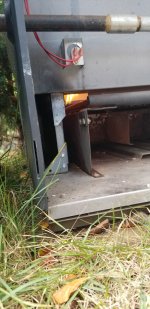
Many pool owners are surprised by how simple yet important the rollout switch is. It is typically a bi-metal device—two pieces of metal bonded together. When exposed to high heat, the metals expand at different rates, causing the switch to “open” and break the circuit. This is a fail-safe: if the temperature at the switch location ever gets hotter than it should, the system is immediately disabled.
Most rollout switches are set to trip at temperatures between 300°F and 350°F (150°C–175°C). Under normal operation, this area should never get close to these temperatures. If it does, something is wrong with the heater’s airflow, exhaust, or combustion.
Some pool heaters use more advanced electronic sensors, but the principle is the same: detect abnormal heat and shut down to prevent bigger problems.
Credit: www.troublefreepool.com
Preventing Rollout Switch Problems
A well-maintained pool heater should rarely, if ever, trip the rollout switch. Here are the best ways to prevent this issue:
Annual Maintenance
Have a professional inspect your heater at least once a year. They will clean burners, check exhaust vents, and test safety switches.
Keep The Area Clear
Don’t store chemicals, pool toys, or cleaning tools near the heater. Good airflow is essential for safe operation.
Watch For Unusual Noises Or Smells
If your heater makes popping sounds, roars, or smells like burning, shut it off and investigate. These are often early signs of combustion problems.
Protect The Vent
Install and maintain the correct vent cap. This prevents debris, animals, and wind from affecting the exhaust.
Replace Old Parts
Rollout switches and other safety devices can wear out over time. Replace them every few years, or when you notice corrosion or loose wires.
Example Maintenance Checklist
Here’s a simple routine to follow:
- Check and clean the burner every 6 months
- Inspect vent pipes for blockages monthly during the season
- Test safety switches annually
- Keep 3 feet (1 meter) of clear space around the heater
- Schedule professional service every spring
The Risks Of Ignoring A Rollout Switch Warning
Some pool owners try to bypass or “jump” the rollout switch to keep their heater running. This is extremely dangerous and should never be done.
Ignoring a tripped rollout switch can lead to:
- Fire hazards
- Permanent heater damage
- Gas leaks
- Carbon monoxide poisoning
- Voided warranty or insurance claims
A single incident of flame rollout can destroy a heater or even threaten your home.
Comparing Pool Heater Safety Features
How does the rollout switch compare to other safety devices in your pool heater? Here’s a quick comparison:
| Safety Device | What It Detects | Action Taken |
|---|---|---|
| Rollout Switch | Flame/heat outside combustion chamber | Shuts down heater instantly |
| High Limit Switch | Water temperature too high | Cuts off burner to prevent overheating |
| Pressure Switch | Low water flow | Stops heater to prevent dry firing |
| Flame Sensor | No ignition/flame failure | Shuts gas valve, retries ignition |
Each of these devices plays a different role, but the rollout switch is especially critical because it protects against rare but catastrophic failures.
When To Replace A Pool Heater Rollout Switch
Most rollout switches are durable and last many years, but there are times when replacement is necessary:
- The switch has tripped and will not reset, even after cooling
- There is visible corrosion or damage to the terminals
- The switch tests “open” with a multimeter in normal conditions
Always use the exact replacement part specified by your heater’s manufacturer. Using the wrong switch can cause more safety risks.
How To Replace A Rollout Switch
- Turn off power and gas to the heater.
- Remove the heater’s access panel to reach the switch.
- Disconnect the wires from the old switch.
- Unscrew and remove the faulty switch.
- Install the new switch, secure it tightly.
- Reconnect wires and check for solid connections.
- Restore power and gas, then test the heater.
If you are not comfortable working with electrical or gas appliances, hire a professional.
Choosing The Right Pool Heater For Safety
If you are buying a new pool heater, look for models with modern safety features. Here are key points to consider:
- Certified by recognized safety agencies (UL, CSA, etc.)
- Clear diagnostics and error messages on the control panel
- Easy access to safety switches for maintenance
- Quality venting system included or recommended
- Good warranty support from the manufacturer
Many newer heaters also offer remote monitoring or smartphone alerts when a safety device trips. This helps you act quickly if something goes wrong.
Data: Pool Heater Rollout Switch Failures By Model
Manufacturers rarely publish exact failure rates, but some independent studies and forums have tracked common heater models and their safety switch issues. Here’s a summary from one such survey:
| Heater Brand | Rollout Switch Issues Reported (per 1,000 units) | Average Lifespan Before Issue (years) |
|---|---|---|
| Hayward | 15 | 7 |
| Pentair | 12 | 8 |
| Raypak | 8 | 9 |
| Sta-Rite | 11 | 8 |
This data shows that, while not extremely common, rollout switch problems do occur with all major brands, usually after several years of use or if maintenance is skipped.
Common Mistakes Pool Owners Make
Even experienced pool owners sometimes make errors that lead to rollout switch problems. Here are some avoidable mistakes:
1. Skipping Annual Maintenance
Dirt and debris build up over time, causing unsafe conditions.
2. Blocking Heater Airflow
Storing items too close to the heater restricts ventilation.
3. Ignoring Early Warning Signs
Strange smells, sounds, or short cycling should never be ignored.
4. Using Non-oem Replacement Parts
Aftermarket switches may not match the original’s trip temperature.
5. Resetting The Switch Without Fixing The Cause
This can cause repeated shutdowns and greater damage.
The Cost Of Repairing A Pool Heater Rollout Switch
Repair costs can vary widely depending on the issue:
- Simple switch replacement: $25–$75 for the part, $100–$200 labor
- Burner cleaning/service: $150–$250
- Major repairs (heat exchanger, venting fixes): $500–$1,500+
Getting regular professional service is almost always cheaper than waiting until a major failure.
Advanced Tips For Pool Heater Owners
If you want to go beyond basic care, consider these pro-level strategies:
- Install a carbon monoxide alarm near the heater, especially if it’s indoors or in a pool house.
- Upgrade venting if your area is prone to wind or backdrafts.
- Log error codes and maintenance history. This helps technicians diagnose issues faster.
- Use a smart pool controller to monitor heater performance remotely.
These steps add an extra layer of protection and peace of mind.
Pool Heater Rollout Switch: Myths And Facts
Many pool owners have heard incorrect advice about heater safety. Let’s clear up some myths:
- Myth: The rollout switch is just a nuisance, not important.
- Fact: It is a critical safety device that can prevent fires.
- Myth: You can bypass the switch safely for a short time.
- Fact: Bypassing is never safe and can void your warranty.
- Myth: Only old heaters have rollout problems.
- Fact: Even new heaters can have rollout issues due to poor installation or debris.
- Myth: Any temperature switch will work as a replacement.
- Fact: Only use the exact part specified by your manufacturer.
Understanding the truth can help you avoid costly and dangerous mistakes.
Learning From Other Pool Owners
In online forums, many pool owners share stories of rollout switch issues. Some report repeated trips every season, often finding that a simple cleaning or vent repair solves the problem. Others discover that a hidden bird’s nest or rodent inside the vent caused dangerous overheating.
A surprising insight: Some technicians find that pool covers can cause rollout issues if they block exhaust vents or push heated air back into the heater. Always make sure your pool cover is clear of the heater’s exhaust path.
Additional Resources
For more technical details and safety standards, the National Fire Protection Association (NFPA) offers guidelines for pool heater installation and maintenance. You can also consult your local building codes or visit the manufacturer’s website for model-specific troubleshooting.
If you want a deeper dive, check the Wikipedia article on swimming pool heaters for more background on heater types and technologies.
Frequently Asked Questions
What Should I Do If My Pool Heater Says “rollout Sw Open”?
First, turn off the power and gas supply to your heater. Then inspect for visible problems—such as blockages, soot, or debris. If you do not find a clear cause, or if the switch will not reset, contact a licensed pool heater technician for safe repairs.
Can I Reset A Pool Heater Rollout Switch Myself?
Some rollout switches have a manual reset button, but only reset it after you have found and fixed the root cause. Never reset the switch more than once without inspection. If the switch is a one-time-use type, it must be replaced.
How Often Should I Check My Pool Heater Rollout Switch?
It’s best to test all safety switches, including the rollout switch, during your annual maintenance. If your heater is used year-round, consider checking it every six months for extra safety.
Credit: avarydrone.com
Is It Dangerous To Bypass The Rollout Switch?
Yes, bypassing the rollout switch is extremely dangerous. It removes a key safety feature and can result in fire, explosion, or carbon monoxide poisoning. Never operate a heater with any safety device disabled.
What Causes A Rollout Switch To Trip Repeatedly?
Repeated trips often mean a deeper issue—such as a blocked vent, dirty burner, or poor ventilation. Sometimes, improper installation or a faulty switch can also cause this. Do not ignore repeated tripping; get a professional inspection.
A pool heater is a valuable investment, but only if it’s safe. Understanding the “Rollout SW Open” message can help you protect your equipment, your family, and your peace of mind. With proper care, your heater will run reliably, keeping your pool warm and enjoyable year-round.

Credit: www.youtube.com