
A pool can be the heart of your backyard, a place to relax and have fun. But nothing can ruin the mood faster than seeing the pool heater service light on. For many pool owners, this small warning light causes big worries. Is it a simple fix, or is there a serious problem? Do you need a technician, or can you solve it yourself? If you’re unsure, you’re not alone—many people feel lost when this light comes on.
Let’s dive deep into what the pool heater service light really means, why it turns on, and what steps you can take. You’ll get clear guidance, practical troubleshooting, and advice on when to call a professional. Whether you’re a new pool owner or have had one for years, this guide will help you keep your pool warm and enjoyable all season long.
What Does The Pool Heater Service Light Mean?
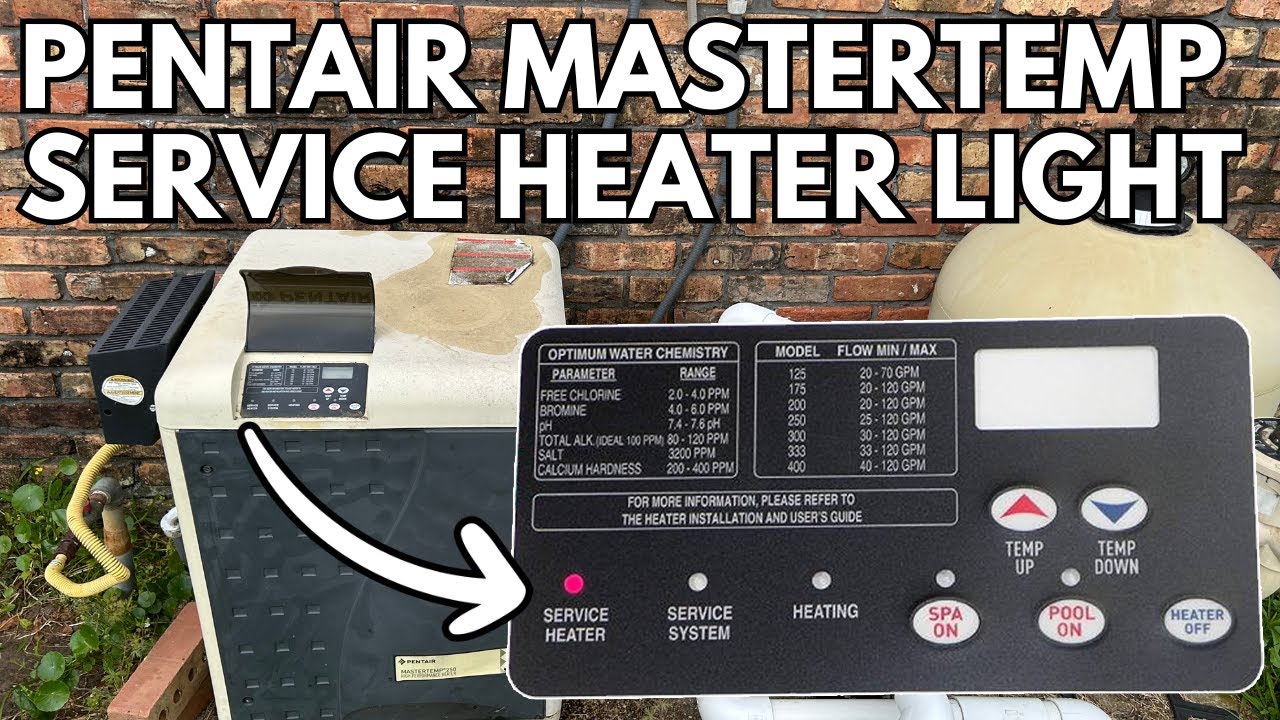
When the service light on your pool heater turns on, it’s your heater’s way of saying, “Something’s wrong.” This light is not the same as a normal “power on” or “heating” indicator. Instead, it’s a warning that a part of the system isn’t working as it should. It could be a small issue or a sign of a bigger problem.
Pool heaters are complex machines with sensors, wires, switches, and control boards. The service light is triggered by the heater’s internal control system. Most modern heaters have built-in diagnostics that check for common faults, such as:
- Low water flow
- Gas supply issues
- Ignition failure
- Thermostat or sensor errors
- Overheating
The exact reason for the service light depends on your heater’s brand and model. But one thing is always true: don’t ignore the light. Even if the heater seems to be working, running it with an active service warning can cause more damage over time.
Common Causes Of The Pool Heater Service Light
To fix the problem, you need to understand why the service light is on. Here are the most frequent causes:
1. Low Water Flow
Heaters need a certain amount of water moving through them to work safely. If the water flow drops below a safe level, the heater may shut down and trigger the service light. This can happen if:
- The pool pump is off or not working
- The filter is dirty or clogged
- Valves are closed or partly closed
- Skimmer or pump baskets are full of debris
Non-obvious insight: Sometimes, even a slightly dirty filter can reduce flow enough to trigger the warning, especially on older heaters.
2. Dirty Or Blocked Filter
A clogged filter is a leading cause of heater service lights. The filter removes dirt and debris from the water, but if it’s full, it restricts flow. Most experts recommend cleaning or backwashing your filter at least once a month during the swimming season.
Tip: For cartridge filters, rinse with a hose. For sand or DE filters, follow the manufacturer’s backwash process.
3. Pump Issues
If your pool pump isn’t running or is losing prime (sucking air), the heater may not get enough water. Pumps can fail due to worn-out seals, blocked impellers, or electrical problems.
Beginner mistake: Many pool owners forget that the pump and heater work together. If the pump timer is set incorrectly, the heater may try to run with no water, causing the service light.
4. Gas Supply Problems
Gas heaters need a steady supply of natural gas or propane. If there’s a gas supply issue, the heater will detect it. Reasons include:
- Gas valve is closed
- Propane tank is empty
- Low gas pressure (especially if other appliances are running)
- Leaks or blockages in gas lines
Example: If you just filled your propane tank but the service light is still on, check the gas valve—sometimes it’s left closed after refilling.
5. Ignition Failure
The heater must ignite the burner to make heat. If the ignition system fails, the service light comes on. Common causes:
- Faulty igniter or spark electrode
- Dirty or blocked burner
- Faulty flame sensor
You may hear clicking or see the heater try to start several times before shutting down.
6. Thermostat Or Sensor Problems
Heaters have sensors to measure water temperature and other conditions. If a sensor fails or gives bad readings, the control board may turn on the service light. Examples include:
- Water temperature sensor failure
- High-limit switch tripping (overheat protection)
- Pressure switch not working
Data: According to manufacturers, sensor and switch faults account for about 20% of service light activations.
7. Electrical And Control Issues
Pool heaters use control boards, relays, and wiring to operate. Problems here can trigger the service light:
- Loose or corroded wiring
- Blown fuses
- Faulty control board
Sometimes, a power surge after a storm can damage electronic parts, leading to a persistent service warning.
8. Air Flow And Ventilation Problems
Gas heaters need proper ventilation to run safely. Blocked vents or exhausts can cause overheating and trigger the service light. Look for:
- Nesting animals in the vent
- Leaves or debris blocking airflow
- Damaged vent pipes
Insight: Newer heaters often have sensors to detect poor airflow, but older models may only show a general service warning.
9. Heater Age And Wear
Like all machines, old heaters are more likely to have service light issues. Seals, sensors, and wires wear out over time. If your heater is over 10 years old, expect more frequent warnings.
How To Diagnose The Service Light
When your pool heater service light comes on, don’t panic. With a step-by-step approach, you can often identify the problem before calling for help.
Step 1: Check The Display Panel
Most modern heaters have a small screen or indicator lights. Look for:
- Error codes (letters/numbers)
- Blinking lights
- Messages like “LO,” “IF,” or “HS”
Check your heater’s manual to match the code with the problem. If you don’t have the manual, search for the brand and model online.
Step 2: Listen And Observe
When you turn the heater on, pay attention to:
- Does the pump turn on?
- Do you hear clicking, humming, or nothing?
- Does the heater try to ignite (whooshing sound)?
Example: If you hear the heater clicking three times, then shutting down, it’s often an ignition problem.
Step 3: Check Water Flow
- Is the pool pump running?
- Are all valves open?
- Is water moving strongly from the return jets?
- Is the filter clean?
If you answer “no” to any of these, fix the water flow first.
Step 4: Check For Obvious Problems
- Is the gas supply on?
- Is the power switch on?
- Are there any error messages?
- Is the area around the heater clear?
Non-obvious tip: Sometimes, a tripped circuit breaker or GFCI outlet can cut power to the heater, causing the service light.
Step 5: Restart The System
Turn off the heater and pump for 1-2 minutes. Turn them back on. Sometimes, this simple reset clears a minor glitch.
Step 6: Read The Manual Or Look Up Error Codes
Many service lights are linked to specific error codes. Here’s a quick reference for common brands:
| Heater Brand | Common Service Codes | Meaning |
|---|---|---|
| Hayward | IF, LO, HS | Ignition failure, low flow, high limit |
| Pentair | E01, E05, E06 | No water flow, ignition fault, sensor fault |
| Raypak | ROLL, SNSR | Vent/rollout, sensor |
Always use the manual for your exact model for the most accurate information.
Troubleshooting: Fixes You Can Try Yourself
Many pool heater service light problems can be fixed without calling a technician. Here’s what you can try:
1. Improve Water Flow
- Clean the pool filter thoroughly
- Empty skimmer and pump baskets
- Open all pool valves
- Make sure the pump is running at full speed
Tip: After cleaning, run the heater for a few minutes to see if the light turns off.
2. Check And Restore Gas Supply
- Ensure the main gas valve is open
- For propane, check the tank level
- If you smell gas, do NOT try to light the heater—call a professional immediately
Safety note: Never try to repair gas lines yourself.
3. Reset Electrical Power
- Turn off power at the breaker for 1 minute, then restore
- Check for tripped GFCI outlets near the pool
If the service light disappears after power reset, it was likely a temporary fault.
4. Clear Air Vents
- Remove any leaves, nests, or debris from around the heater
- Check vent pipes for blockages
Beginner mistake: Never run the heater with blocked vents—it can cause dangerous carbon monoxide buildup.
5. Inspect And Clean Ignition System (advanced)
If you’re comfortable, carefully remove the heater’s access panel and:
- Brush dust from the igniter and burner area
- Check for spider webs (common in unused heaters)
Warning: If you’re unsure, it’s safer to call a technician for ignition problems.
6. Double-check Settings
- Set the thermostat higher than the current water temperature
- Make sure the heater is set to “pool” (not “spa” if you don’t have a spa)
7. Try A Manual Reset
Some heaters have a small reset button inside. Press it once with the power off, then turn the heater back on.
Non-obvious insight: If the reset works, but the problem returns, you may have a failing sensor or switch.
When To Call A Professional
Some service light causes are best handled by an expert. Call a licensed pool technician if:
- You smell gas near the heater
- The service light stays on after all basic checks
- The heater shows repeated error codes
- There are signs of water leaks inside the heater
- The control board or wiring looks burnt or damaged
Example: If you’ve cleaned the filter, checked water flow, and reset the heater, but the service light remains, a technician can test sensors and electrical parts with special tools.
How Much Does Pool Heater Repair Cost?
Costs depend on the problem and your heater’s age. Here’s a quick comparison of common repairs:
| Repair Type | Typical Cost (USD) | Time Needed |
|---|---|---|
| Filter cleaning (DIY) | $0 – $20 | 30 minutes |
| Igniter replacement | $100 – $250 | 1-2 hours |
| Sensor or switch | $80 – $200 | 1 hour |
| Control board | $300 – $700 | 2-3 hours |
| Professional diagnostic visit | $100 – $150 | 1 hour |
Tip: Older heaters may not be worth expensive repairs. If your heater is over 15 years old, consider replacement if repair costs are high.
Preventing The Service Light: Maintenance Tips
Regular maintenance is the key to avoiding the pool heater service light. Here’s what you should do:
- Clean the filter every 2-4 weeks during the season.
- Check and empty baskets weekly.
- Run the pump for at least 8 hours a day when the heater is in use.
- Inspect vent areas for debris every month.
- Have a professional inspection once a year, especially before swimming season.
Non-obvious tip: Always check your heater after major storms or power outages—surges can quietly damage electronics.
Advanced Troubleshooting: What Technicians Check
If the basic fixes don’t work, professionals use advanced tools to diagnose the issue. Here’s what they might do:
1. Test Sensors And Switches
Using a multimeter, technicians measure resistance and voltage at sensors and switches to find faulty parts.
2. Check Gas Pressure
They use a manometer to measure actual gas pressure at the heater. Low pressure can mean a problem in the gas line, not the heater itself.
3. Inspect The Control Board
Technicians look for burnt spots, loose wires, or damaged components on the board.
4. Run Diagnostic Software
Some heaters have a port for plugging in a special tool or laptop. This can read detailed error logs and sensor data.
Example: A Raypak technician may use a “service analyzer” to quickly spot a failing temperature sensor.
Credit: www.youtube.com
Pool Heater Types And Service Light Differences
Not all pool heaters work the same way. There are three main types, and their service lights mean slightly different things.
| Heater Type | Common Service Light Causes | Special Notes |
|---|---|---|
| Gas (Natural/Propane) | Ignition, gas supply, flow, sensors | Most common for service lights |
| Heat Pump | Low flow, low outside temp, refrigerant issues | Service light may blink for cold air |
| Electric Resistance | High limit, sensor, wiring | Simpler design, fewer service codes |
Non-obvious tip: Heat pumps often show a service light if the outside air is below 50°F (10°C)—they can’t run efficiently in cold weather.
Pool Heater Service Light: Myths And Misconceptions
Many pool owners believe myths about the service light. Let’s set the record straight.
- Myth: The service light means the heater is broken and needs replacement.
Fact: Most service light problems are minor and fixable.
- Myth: You must call a technician immediately.
Fact: Many issues (like dirty filters) can be fixed by the owner.
- Myth: The heater is dangerous if the service light is on.
Fact: The service light is a safety feature. But if you smell gas or see water leaks, turn off the heater and call for help.
- Myth: You can just ignore the service light.
Fact: Ignoring it can cause bigger, more expensive problems.
When To Replace Your Pool Heater
Sometimes, repairs don’t make sense. Consider replacement if:
- The heater is more than 12-15 years old
- The heat exchanger is leaking (a costly repair)
- The control board or multiple sensors fail repeatedly
- Repair costs are more than half the cost of a new heater
Example: If your technician quotes $800 for a new control board on a 14-year-old heater, replacing it may be smarter.
Pool Heater Brands And Service Light Support
Some brands have better support and diagnostics than others. Popular brands include:
- Hayward: Good error codes and manuals; wide technician support
- Pentair: Reliable diagnostics; replacement parts easy to find
- Raypak: Simple controls; strong reputation for durability
- Jandy: Modern heaters have clear digital displays
If you’re looking for manuals or troubleshooting guides, start with the manufacturer’s website or check reputable resources such as SwimmingPool.com.

Credit: www.reddit.com
Safety Tips: What Not To Do
- Never open gas lines or adjust gas pressure yourself.
- Do not bypass safety switches or sensors—they are there to protect you.
- Never run the heater if you see water leaking from inside.
- If you smell gas, shut off the heater, leave the area, and call your gas company.
Non-obvious safety tip: Even a small water leak near the heater can corrode wires and cause electrical shorts over time.
Maximizing Heater Life After A Service Warning
Once you’ve solved the issue, take steps to extend your heater’s life:
- Keep the area around the heater dry and clear of plants
- Use a pool cover to reduce heater run time
- Schedule annual professional service checks
- Write down error codes and repairs for future reference
Example: After fixing a service light due to low flow, mark your calendar for regular filter cleanings.

Credit: www.reddit.com
Frequently Asked Questions
Why Did My Pool Heater Service Light Come On After A Storm?
Storms can cause power surges or debris to block vents and filters. After a storm, check your filter, reset the heater, and make sure the area is clear. If the service light stays on, a surge may have damaged electronics.
Can I Reset The Pool Heater To Turn Off The Service Light?
Yes, you can try turning off power at the breaker for 1-2 minutes. Some heaters also have a manual reset button. If the service light returns, there’s likely an underlying problem that needs fixing.
Is It Safe To Swim If The Pool Heater Service Light Is On?
Usually yes, as the service light only affects heating—not water quality. However, if you smell gas or see leaks, turn off the heater and avoid the area until a technician checks it.
How Often Do Pool Heaters Need Professional Service?
At least once a year, ideally before swimming season. Annual service includes checking sensors, cleaning burners, and testing safety switches. This reduces surprise service warnings.
Will A Dirty Pool Cause The Heater Service Light To Come On?
Yes, a dirty pool leads to clogged filters and baskets, which restrict water flow. Low flow is a top reason for service lights. Keep your pool clean to keep the heater running smoothly.
A pool heater is a big investment, and the service light is your early warning system. Understanding what triggers it, how to troubleshoot, and when to call for help can save you time, money, and frustration. With regular maintenance and a little know-how, you’ll keep your pool comfortable and your heater running for years to come.