
A pool can be the highlight of any backyard, offering hours of relaxation and fun. But when you notice your pool pump basket losing water, it’s more than just a minor inconvenience—it can lead to bigger problems if not addressed. Many pool owners panic when the pump basket isn’t full or see air bubbles in the system, but understanding the causes and solutions can save you time, money, and stress. This guide explores every angle of this common issue, from what causes water loss in the pump basket, to how to fix it, and even how to prevent it in the future. If you want your pool running smoothly all season, you’re in the right place.
Understanding The Pool Pump Basket
The pool pump basket sits at the heart of your pool’s circulation system. Its main job is to catch debris—like leaves, bugs, and dirt—before they reach the pump impeller. This prevents clogs and damage, making the pump basket a critical part of keeping the water clean and the pump working efficiently.
Most pool pumps have a clear lid on the basket, so you can see if it’s filling with water or collecting air. Normally, the basket should stay full of water when the pump is running. If you see water levels dropping, or notice bubbles, there’s a problem with the suction or flow.
Why Is The Pool Pump Basket Losing Water?
Seeing your pump basket lose water can be alarming. There are several reasons this happens, and it’s important to narrow down the root cause.
- Air Leaks on Suction Side: If air is getting into the system before the pump, it can cause the basket to lose water.
- Low Water Level in Pool: When the pool water is too low, the skimmer can suck in air.
- Clogged Skimmer or Pump Basket: Debris blocks flow, causing the pump to lose prime.
- Bad Pump Lid O-ring or Seal: A worn or dry O-ring lets air in.
- Loose or Cracked Fittings: Pipe joints and valves can develop leaks over time.
- Leaking Unions or Valves: Old or faulty unions/valves on the suction line can draw air.
- Suction Side Plumbing Cracks: Underground pipes can crack, letting air enter.
- Pump Above Water Level: If the pump is too high above the pool, priming becomes harder.
- Pump Impeller Clogs: Partial clogs reduce water flow and pressure.
- Blocked Skimmer Weir: If the skimmer flap sticks, it disrupts flow.
Knowing these possible causes gives you a starting point for troubleshooting. But to fix the problem, you need to dig deeper.
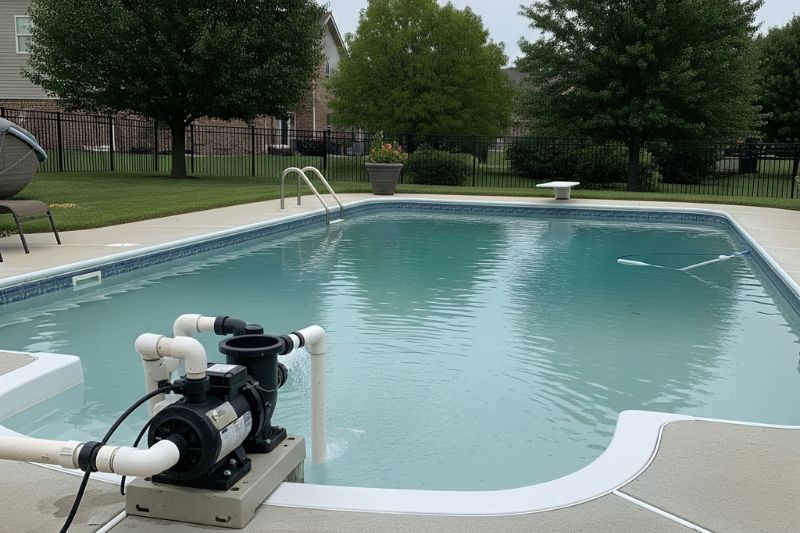
Credit: www.mavaquadoc.com
How The Pool Pump System Works
Understanding the basics of your pool pump system helps you diagnose issues faster.
Water moves from the pool through the skimmer and main drain, then travels through pipes to the pump. The pump pulls water into the basket, then pushes it through the filter and back to the pool. If any part of this suction side (before the pump) isn’t sealed, air can get in and the pump basket may not stay full.
When air enters, it can cause:
- Loss of prime (pump can’t move water)
- Loud noises or vibrations
- Hot pump motor (due to lack of water cooling)
A small air bubble in the pump basket isn’t always a disaster. But if the basket is half full, or empties completely, the pump can burn out quickly.
Signs Of A Pool Pump Basket Losing Water
Not sure if you have a problem? Watch for these signs:
- Visible air bubbles under the pump basket lid
- The basket is not completely full when the pump is running
- Gurgling, sucking, or slurping noises from the pump or skimmer
- Pool jets are weak or blowing air bubbles
- The pump loses prime and stops moving water
- Water pressure on the filter gauge drops suddenly
Catching these early can prevent bigger issues, like pump damage or algae growth from poor circulation.
Common Causes And How To Diagnose Them
Let’s go step-by-step through the most common causes and how you can confirm them.
1. Air Leaks On The Suction Side
Most pump basket water loss is due to air leaks before the pump. These leaks are often small and hard to see.
- How to Check: With the pump running, spray soapy water around all pipe joints, valves, and the pump lid. If you see bubbles form or get sucked in, you’ve found a leak.
- Tip: Check the pump lid O-ring first. If it’s dry or cracked, replace or lubricate it with pool-safe silicone grease.
2. Pool Water Level
A very common beginner mistake is not keeping the pool water high enough. If the water falls below the skimmer opening, the pump will suck air.
- How to Check: The water should be at least halfway up the skimmer opening.
- Solution: Add water to the pool and see if the problem resolves.
3. Clogged Skimmer Or Pump Basket
Debris in the skimmer basket or pump basket restricts water flow, leading to water loss in the pump basket.
- How to Check: Turn off the pump and open both baskets. Remove leaves, sticks, or other debris.
- Insight: Even small bits of debris can cause big problems if allowed to build up.
4. Bad Pump Lid O-ring Or Seal
The O-ring under the pump lid is a frequent source of leaks.
- How to Check: Remove the lid and inspect the O-ring. If it’s dry, cracked, or flattened, it won’t seal.
- Tip: Always lubricate the O-ring with pool lube after cleaning or replacement.
5. Loose Or Cracked Fittings
Over time, fittings and joints can loosen or crack, especially with vibration or freeze/thaw cycles.
- How to Check: Wiggle each fitting gently. Any movement means it’s not sealed.
- Solution: Tighten hand-tight only—don’t overtighten, or you may crack the fitting.
6. Leaking Unions Or Valves
If your pool has unions (removable connectors) or valves on the suction line, these can develop leaks.
- How to Check: Look for drips or wet spots when the pump is off. Air will leak in, but water usually leaks out when the pump stops.
- Insight: Sometimes leaks only appear under pressure or when the system is off.
7. Suction Side Plumbing Cracks
Cracks in underground pipes are harder to spot but can be a major source of air leaks.
- How to Check: If you suspect a buried pipe leak, call a pool professional for pressure testing.
8. Pump Above Water Level
If the pump is installed above the waterline, priming (filling the pump and basket with water) is harder. This is common for above-ground pools or raised equipment pads.
- Solution: Always fill the pump basket with water before starting. Consider lowering the pump if problems persist.
9. Pump Impeller Clogs
Even if the basket looks clean, debris can get past and clog the impeller (the spinning part that moves water).
- How to Check: Turn off the pump, remove the basket, and reach inside with a finger or bent wire. Feel for sticks or other blockages.
- Tip: Always turn off power before reaching into the pump!
10. Blocked Skimmer Weir
The skimmer weir (the small flap in the skimmer opening) should move freely. If it sticks closed, water won’t flow.
- How to Check: Move the weir by hand to see if it’s stuck. Remove any debris.
Step-by-step Troubleshooting Guide
Fixing a pool pump basket that’s losing water doesn’t have to be hard. Here’s a practical, clear method to follow:
- Turn off the pump before opening or touching any part.
- Check the pool water level. Add water if it’s low.
- Clean the skimmer and pump baskets. Remove all debris.
- Inspect the pump lid O-ring. Lubricate or replace if needed.
- Tighten all fittings and unions. Use hands only.
- Check for visible leaks or drips around pipes and valves.
- Test with soapy water for small air leaks.
- Prime the pump by filling the basket with water, then restart.
- Watch the basket through the lid. If it fills with water and stays full, you’ve solved the problem.
- If not, call a pool professional for deeper issues (like underground leaks or impeller clogs).
Two Insights Beginners Miss
- A small O-ring crack can cause a big air leak. Don’t ignore minor damage—replace O-rings yearly.
- Even a little debris in the impeller can lower pressure and cause air bubbles. Clean out the impeller every season.
Preventing Future Pump Basket Water Loss
Prevention is always better than repair. Follow these tips to avoid pump basket issues:
- Check and clean baskets weekly. Don’t let debris build up.
- Keep pool water at the right level—halfway up the skimmer.
- Lubricate O-rings regularly with pool-safe grease.
- Inspect plumbing connections at least once a month.
- Avoid overtightening fittings. Hand-tight is enough.
- Replace O-rings and seals yearly before they fail.
- Have a pro inspect the system once a year, especially for older pools.
Pool Pump Basket Water Loss: Effects And Risks
Ignoring a pump basket that’s losing water can lead to serious consequences:
- Pump overheating: The pump relies on water for cooling. Air can cause the motor to overheat and burn out.
- Filter problems: Without proper flow, the filter can’t clean the water.
- Algae growth: Poor circulation means stagnant water, which is a perfect environment for algae.
- Higher energy bills: A struggling pump uses more electricity.
- Expensive repairs: Replacing a pump or motor costs far more than fixing a leak early.
How To Prime Your Pool Pump
If the basket loses water, you’ll often need to prime the pump to get it running again.
- Turn off the pump and remove the pump basket lid.
- Fill the basket with clean water until it’s nearly overflowing.
- Replace the lid securely and make sure the O-ring is in place.
- Turn the pump back on. Watch through the lid to see if water fills and stays.
- If the pump doesn’t prime after 2–3 minutes, turn it off and repeat. Check for leaks if it still won’t prime.
Pro Tip: For stubborn pumps, try closing the skimmer and main drain valves, prime, then open valves slowly as the pump starts.
Comparing Suction Side Vs. Pressure Side Leaks
Understanding where leaks happen helps you fix them faster. Here’s a quick comparison.
| Type of Leak | Location | Symptoms | Common Fix |
|---|---|---|---|
| Suction Side | Before pump (skimmer, pipes, pump lid) | Air in basket, bubbles, loss of prime | Seal leaks, replace O-rings |
| Pressure Side | After pump (filter, return lines) | Visible water leaks, wet spots | Repair cracked pipes, replace seals |
Pool Pump Basket Materials And Durability
Not all pump baskets are the same. Some last longer and resist cracks better.
| Material | Durability | Cost | Common Problems |
|---|---|---|---|
| Plastic | Moderate (2–4 years) | Low | Cracks, UV damage |
| Fiberglass Reinforced | High (5–8 years) | Medium | Rare cracks |
| Metal Mesh | Very High (10+ years) | High | Rust (if not stainless) |
Insight: Upgrading to a higher-quality basket can reduce maintenance and leaks.
When To Call A Pool Professional
Some problems are best left to the experts. Call for help if:
- You suspect underground pipe leaks (constant loss of prime, wet spots in yard)
- The pump won’t prime after several tries
- You see cracks in the pump housing or major plumbing
- Electrical issues (breaker trips, pump won’t run)
- You feel unsure about any repair
A good pool tech has the tools to pressure test lines and safely repair electrical or plumbing issues.
Real-world Example: Diagnosing A Tricky Air Leak
Imagine you’ve checked everything—the water level, baskets, O-ring—and the basket still loses water. In one case, a homeowner had a tiny hairline crack in the PVC pipe just before the pump. It was nearly invisible but enough to let air in.
After spraying soapy water on the area, bubbles were sucked in when the pump ran. Replacing a short section of pipe solved the problem. This shows that even small cracks can cause big headaches.
Pool Pump Basket Maintenance Checklist
Keep your system running strong with a simple routine:
- Check and clean baskets (skimmer, pump) weekly
- Inspect pump lid O-ring and lubricate monthly
- Tighten fittings and unions every month
- Watch for air bubbles or noisy operation every time you swim
- Schedule professional inspection yearly
Following this routine can add years to your pump’s life.
Credit: diy.inyopools.com
Cost To Repair Pool Pump Basket Water Loss
Repair costs vary depending on the problem:
| Problem | DIY Cost | Professional Cost |
|---|---|---|
| Replace O-ring | $5–$20 | $50–$100 |
| Tighten fittings | $0 | $50–$75 |
| Replace basket | $15–$50 | $75–$150 |
| Repair plumbing leak | $20–$100 | $150–$500 |
| Impeller cleaning | $0 (DIY) | $75–$200 |
Tip: Most minor leaks can be fixed for under $50 if caught early.
Environmental Factors Affecting Pump Basket Water Levels
Weather and environment can play a role:
- High heat and sunlight can dry and crack O-rings faster.
- Freezing temperatures cause pipes to expand and contract, increasing the risk of cracks.
- Heavy debris in fall or after storms can clog baskets quickly.
Pro Insight: In climates with big temperature swings, check your pump basket and seals more often.

Credit: www.rodepools.com.au
The Importance Of Correct Installation
Proper installation prevents many issues:
- Pumps should be as close to the water level as possible.
- All joints must be sealed with Teflon tape or pool-safe sealant.
- Use correct pipe sizes for your pump’s flow rate.
Poor installation is a leading cause of air leaks, so always hire a licensed professional for major work.
Pool Chemistry And Pump Basket Health
It’s easy to overlook, but poor pool chemistry can damage pump parts:
- High chlorine levels can dry out O-rings and seals.
- Unbalanced pH can corrode metal baskets.
- Algae growth increases debris load, clogging baskets faster.
Test water weekly and keep chemicals balanced for a healthier pool and pump.
Upgrading Your Pump Basket: Is It Worth It?
If you’re replacing your basket, consider an upgrade:
- Fiberglass or stainless steel baskets last longer and resist damage.
- Some baskets have finer mesh, catching more debris but requiring more frequent cleaning.
- A clear lid makes it easier to spot problems early.
A higher-quality basket is a small investment that pays off with less maintenance and fewer leaks.
Pool Pump Basket Losing Water: Key Takeaways
- The most common cause is an air leak on the suction side—check all O-rings, seals, and fittings first.
- Keeping the pool water at the right level and baskets clean solves most problems.
- Small leaks get worse over time—fix them early.
- Regular maintenance saves money and avoids pump burnout.
- Don’t hesitate to call a professional for tough leaks or underground problems.
For more details about pool pumps and maintenance, you can visit the Wikipedia page on swimming pool sanitation.
Frequently Asked Questions
Why Does My Pool Pump Basket Keep Losing Water Even After Replacing The O-ring?
If the basket still loses water after a new O-ring, check other sources of air leaks—like loose fittings, cracked pipes, or a low pool water level. Sometimes, multiple small leaks add up to a bigger problem.
Can A Clogged Filter Cause The Pump Basket To Lose Water?
A clogged filter usually raises pressure on the return side, not the suction side. However, severe clogs can sometimes reduce overall flow and make existing air leaks more noticeable.
How Often Should I Lubricate The Pump Lid O-ring?
Lubricate the O-ring every month during the swimming season, or anytime you remove the lid. Use only pool-safe silicone grease—never petroleum jelly, which can damage the rubber.
Is It Safe To Run The Pump If The Basket Isn’t Full Of Water?
No. Running the pump dry can overheat and damage the motor and seals. Always ensure the basket is full of water before starting the pump.
What’s The Difference Between Priming And Fixing A Leak?
Priming means filling the pump with water to start it. Fixing a leak means stopping air from getting into the system. If you have to prime the pump often, you likely have a leak that needs repair.
Keeping your pool pump basket full of water is key to a clean and healthy pool. With the right checks, quick repairs, and regular maintenance, you can enjoy your pool all season without worry.