
A sparkling, healthy pool is every owner’s dream. But when the pool pump basket isn’t filling with water, that dream quickly turns into frustration. The pump basket is a small but vital part of your pool’s circulation system. If it’s not filling, your pool can’t filter properly, and the water can become cloudy or even unsafe. Many pool owners notice bubbles or an empty basket, but aren’t sure what this means or how to fix it. The good news: most causes are simple to diagnose, and with the right guidance, you can solve them yourself.
This article will walk you through everything you need to know about a pool pump basket not filling. You’ll learn how your system works, what common (and uncommon) problems cause this issue, how to troubleshoot step by step, and how to maintain your equipment to prevent future trouble. Whether you’re a new pool owner or have been caring for your pool for years, you’ll find practical solutions, insider tips, and clear explanations for every situation.
Understanding The Pool Pump Basket
The pool pump basket is a mesh container located inside the pump housing. Its main job is to catch large debris—like leaves, hair, and bugs—before they reach the pump impeller. This helps protect the pump from clogs and damage. For the pump to work correctly, the basket must stay full of water. If it’s not, air gets into the system, the pump loses its prime, and water stops circulating.
Most pool pumps use a centrifugal design. They create suction that pulls water from the pool, through the pipes, and into the pump basket. From there, water passes through the pump, then out to the filter and back to the pool.
If any part of this process is interrupted, the basket may not fill.
Why The Pump Basket Must Stay Full
A pump that runs dry or with too much air can overheat, suffer early wear, and even burn out. When the basket isn’t full:
- Filtration drops: Dirt and contaminants stay in the pool.
- Pump damage: The mechanical seal and motor can fail.
- Algae risk: Stagnant water encourages algae growth.
- Noise and bubbles: Air in the lines causes loud noises and visible bubbles in the pool.
Understanding why your pump basket is empty helps protect your pool and your investment.
How The Pool Circulation System Works
Let’s look briefly at how water moves through your pool system:
- Skimmer(s) draw in water from the pool’s surface.
- Main drain pulls water from the pool’s bottom (if present).
- Water flows through plumbing pipes toward the pump.
- Water enters the pump basket, then the pump.
- Pump pushes water through the filter.
- Clean water returns to the pool via return jets.
If water can’t reach the pump basket or air is pulled in, the system loses suction. Any block or leak along this path can cause the basket to stay empty.
Common Causes Of A Pool Pump Basket Not Filling
Several issues can lead to an empty or partially filled pump basket. Here are the most common, with practical details on each:
1. Low Water Level In The Pool
If your pool’s water level drops below the skimmer opening, air enters the lines. The pump can’t draw enough water, and the basket won’t fill.
Symptoms: Gurgling noises, visible air bubbles in the pump lid, weak or no water flow at the returns.
Fix: Add water to bring the level halfway up the skimmer opening. Monitor for leaks or rapid loss.
2. Clogged Skimmer Or Main Drain
Leaves, toys, or even pool floats can block water from entering the skimmer or main drain. This reduces flow to the pump.
Symptoms: Weak suction at the skimmer, empty pump basket, pool cleaner not moving.
Fix: Turn off the pump, remove the skimmer basket, and clear debris. For main drains, use a pool vacuum or a special drain cover to prevent clogs.
3. Dirty Or Clogged Pump Basket
Ironically, the basket itself can be the problem. If it’s full of debris, water can’t pass through.
Symptoms: Water in the pump basket is low or slow to fill, but the pool water level is fine.
Fix: Turn off the pump, open the lid, and clean the basket thoroughly. Check for broken or missing pieces.
4. Air Leaks On The Suction Side
Tiny air leaks in the plumbing before the pump (from the skimmer to the pump inlet) can let air into the system, breaking the prime.
Symptoms: Bubbles under the pump lid, hissing sounds, difficult to prime the pump.
Fix: Inspect all fittings, unions, and connections. Tighten fittings, use silicone-based lubricant on O-rings, and replace cracked parts.
5. Faulty Or Worn Pump Lid O-ring
The O-ring under the clear pump lid keeps air out. If it’s cracked, flattened, or missing, air can leak in.
Symptoms: Hard to keep the pump primed, air bubbles in the basket, water spurting from the lid.
Fix: Remove the O-ring, clean it, lubricate with pool-safe lubricant, or replace if damaged.
6. Blocked Or Collapsed Suction Line
A collapsed flex hose, clogged pipe, or stuck pool toy can stop water from reaching the pump.
Symptoms: Sudden loss of flow, empty basket, normal water level.
Fix: Check for kinks or blockages in all visible pipes and hoses. Use a plumber’s snake or water jet to clear stubborn clogs.
7. Leaking Valves Or Fittings
Old or loose valves (especially at the pump inlet) can suck air instead of water.
Symptoms: Air bubbles in the pump, hard-to-prime pump, visible water drips.
Fix: Inspect and tighten all valves. Replace any cracked or worn parts. Don’t forget to check under the pump and around the multiport valve.
8. Clogged Or Broken Impeller
If debris gets past the basket or the basket is missing, the impeller can clog. This slows or stops water flow.
Symptoms: Pump runs but no water moves, humming noise, empty basket.
Fix: Turn off the power, open the pump, and carefully clear the impeller. Reassemble and prime the system.
9. Pool Pump Not Fully Primed
Sometimes, after cleaning or repairs, the pump isn’t primed with enough water. It needs to be fully flooded before starting.
Symptoms: Pump runs but doesn’t pull water, empty basket, air in the lines.
Fix: Fill the pump basket with water, replace the lid tightly, and restart. You may need to repeat this several times.
10. Cracked Or Damaged Pump Housing
A cracked pump body or lid lets air in and water out, breaking the system’s vacuum.
Symptoms: Water leaking from the pump, loss of prime, visible cracks.
Fix: Replace the pump housing or lid. Some cracks can be patched temporarily, but replacement is the only permanent solution.
11. Suction Side Plumbing Leak
Leaks between the skimmer/main drain and the pump allow air into the system.
Symptoms: Air bubbles, hard-to-prime pump, wet spots near underground pipes.
Fix: Pressure test the lines to locate leaks. Repair or replace faulty sections.
12. Blocked Or Closed Skimmer Or Main Drain Valves
If you have multiple suction lines, a closed or partially closed valve will cut off water flow.
Symptoms: No water in the pump basket, but water level is normal.
Fix: Check all valves on the suction side and ensure they’re open. Adjust as needed.
13. Pump Motor Issues
A weak or failing motor may not be able to create enough suction, especially if it’s old or damaged.
Symptoms: Slow or no water movement, motor runs hot, electrical smells.
Fix: Have a professional check the motor. Sometimes, cleaning or replacing the capacitor or bearings can restore function.
14. Air Leak At Unions Or Fittings
Pump unions are common leak spots, especially after maintenance.
Symptoms: Air bubbles in the pump, visible drips at unions.
Fix: Tighten unions by hand (not with tools, which can crack them). Use new O-rings or gaskets as needed.
15. Suction Side Clogs From Small Debris
Pine needles, sand, or small gravel can collect in the suction lines, restricting water flow.
Symptoms: Pump basket slow to fill, weak suction, normal water level.
Fix: Use a wet/dry vac to suck debris from the skimmer line. For tough clogs, a professional can use a pressure bladder.
16. Pool Skimmer Weir Stuck
The floating door (weir) at the skimmer mouth can get stuck, blocking flow.
Symptoms: Skimmer not drawing water, empty pump basket, water level OK.
Fix: Free the weir door, clean debris, and check that it moves smoothly.
17. Incorrect Valve Settings
Multiport or diverter valves in the wrong position can interrupt water flow.
Symptoms: Sudden loss of flow after changing valve settings.
Fix: Check the manual for your valve. Set to “filter” for normal operation, and ensure all suction valves are open.
18. Air In The Pool Lines From Vacuuming
Vacuuming with an air leak or without proper priming can pull air into the system.
Symptoms: Pump basket empties during or after vacuuming.
Fix: Always prime the vacuum hose before connecting, and check for leaks at the vacuum plate and hose connections.
19. Poorly Fitted Or Missing Pump Basket
A basket that doesn’t fit snugly or is missing lets debris through and allows air to circulate.
Symptoms: Debris in the impeller, hard-to-prime pump, empty basket.
Fix: Use the correct basket for your pump model. Check that it seats tightly with no gaps.
20. Pool Equipment Sits Too Far Above Water Level
If the pump is installed much higher than the pool water, it may struggle to prime, especially if there are air leaks.
Symptoms: Basket won’t fill, pump noisy, need to re-prime often.
Fix: Install a check valve to help maintain prime, or move equipment closer to pool level if possible.
Diagnosing The Problem: A Step-by-step Guide
Troubleshooting a pool pump basket not filling is easier if you follow a logical process:
- Check pool water level. Top up if low.
- Inspect skimmer and main drain for blockages. Remove debris.
- Open pump lid and check basket. Clean and re-seat it.
- Prime the pump. Fill basket with water, close lid, and restart.
- Watch for air bubbles or leaks. Inspect all visible joints and fittings.
- Test valve positions. Make sure all suction valves are open.
- Check for collapsed hoses or blocked pipes.
- Listen to the pump motor. Unusual sounds mean possible internal trouble.
- Repeat priming if needed. Sometimes several tries are required.
- Call a pro if you suspect underground leaks or motor failure.
This methodical approach saves time and prevents guessing.
How To Prime A Pool Pump Properly
Many pump basket issues are simply due to improper priming. Here’s how to do it right:
- Turn off the pump.
- Remove the pump lid.
- Fill the pump basket with a garden hose until completely full.
- Check the basket and O-ring for debris or damage.
- Lubricate the O-ring lightly.
- Replace the lid securely.
- Open all suction and return valves.
- Turn on the pump and watch for water movement.
- If the basket doesn’t fill in 1-2 minutes, turn off and repeat.
Priming may take several tries, especially after repairs or long shutdowns.
Common Mistakes Beginners Make
Many pool owners unknowingly make errors that keep the pump basket from filling. Here are the top mistakes and how to avoid them:
- Leaving the pump lid loose or cross-threaded: Always hand-tighten evenly, and never use tools.
- Ignoring the O-ring: A dry or dirty O-ring will leak air.
- Not filling the pump basket fully: Partial priming isn’t enough.
- Forgetting to open all valves: Closed valves block water.
- Vacuuming with a leaky hose: Air sneaks in, breaking the system’s suction.
- Allowing water level to drop: Even an inch too low causes problems.
- Delaying basket cleaning: A full basket quickly stops flow.
Preventive Maintenance For A Healthy Pool Pump Basket
You can avoid most pump basket problems with regular care:
- Check and clean the pump basket weekly.
- Inspect the pump lid and O-ring every month. Replace as needed.
- Keep the pool water level consistent.
- Remove leaves and debris from the pool daily during heavy use.
- Lubricate all O-rings with pool lube (not petroleum jelly).
- Watch for cracks or leaks at every connection.
- Prime the pump after every cleaning or repair.
A little attention saves big on repairs and keeps your pool running smoothly.
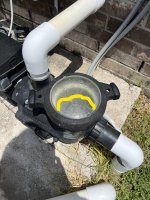
Credit: www.troublefreepool.com
Practical Tips For Faster Troubleshooting
Here are some pro tips that save time and money:
- Use a clear pump lid to spot bubbles and water flow easily.
- Mark valve positions with a waterproof pen so you always return to the right setting.
- Keep a spare O-ring and pump basket on hand.
- If you notice lots of air bubbles returning to the pool, check for leaks immediately.
- Listen for new noises—squealing, humming, or grinding are warning signs.
- Take photos of your system before disassembly to help with reassembly.
When To Call A Professional
While many pump basket problems are DIY-friendly, some situations require expert help:
- You suspect an underground pipe leak (wet spots, unexplained water loss).
- The pump motor is hot, smells burnt, or won’t run.
- Cracks in the pump housing or lid are large or spreading.
- Repeated priming fails, and you’ve checked all obvious causes.
- You’re unsure or uncomfortable with electrical work.
A pro can quickly diagnose and fix issues you might miss, saving time and preventing bigger repairs.
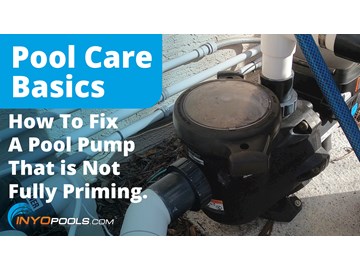
Credit: www.inyopools.com
Real-world Example: Diagnosing A Persistent Empty Pump Basket
Let’s walk through a real scenario:
Maria noticed her pool pump was noisy, and the basket stayed empty even after she filled it and restarted the pump. She checked the water level—fine. The skimmer was clear. But she saw small bubbles under the pump lid.
She inspected the lid’s O-ring and found it was flattened and dry. After replacing it and lubricating the new O-ring, the pump primed instantly, and the basket filled. The noise and bubbles disappeared.
Insight: Small, overlooked parts like O-rings are often the root cause of stubborn problems. Always check these before assuming a major repair is needed.
Comparing Common Causes And Their Symptoms
To help you quickly match symptoms to causes, here’s a handy reference:
| Problem | Symptom | Quick Solution |
|---|---|---|
| Low water level | Air in basket, gurgling | Add water to pool |
| Clogged skimmer | Weak suction, empty basket | Clean skimmer basket |
| Loose pump lid | Air bubbles, hard to prime | Tighten and check O-ring |
| Collapsed hose | Sudden loss of flow | Replace hose |
| Closed valve | No water in basket | Open all suction valves |

Credit: www.reddit.com
Comparing Diy Fixes Vs. Professional Help
Some tasks are safe for homeowners, while others should be left to the pros. Here’s a comparison:
| Task | DIY | Professional |
|---|---|---|
| Cleaning baskets, priming pump | Yes | Not needed |
| Replacing O-rings | Yes | Optional |
| Fixing underground leaks | No | Yes |
| Pump motor repair | No | Yes |
| Valve replacement | Yes/No (depends on skill) | Yes |
Preventing Future Pump Basket Problems
Once you’ve fixed your pool pump basket, it’s smart to take steps to prevent future issues:
- Install a skimmer sock to catch fine debris before it reaches the pump.
- Trim nearby trees to reduce falling leaves.
- Schedule annual professional system checks.
- Replace old hoses and O-rings every season.
- Keep a maintenance log to track problems and repairs.
- Test water chemistry weekly; poor water balance can damage seals and parts.
Preventive care not only keeps your pool clear but saves money on repairs.
Pool Pump Basket Not Filling: What Most Guides Don’t Tell You
Many guides miss these key points:
- Small air leaks can take weeks to show up as major problems. Regular inspection is your best defense.
- Flexible hoses are more likely to collapse or leak than rigid PVC pipe—upgrade if possible.
- Pump size matters: An undersized pump will struggle, especially with long plumbing runs or water features.
- Variable speed pumps may need special priming procedures. Always check your manual.
- Winterizing: In cold climates, drain and store your pump basket to prevent cracking.
Trusted External Resource
For more on pool equipment maintenance, the SwimmingPool.com Pool Pump Guide offers detailed explanations and diagrams.
Frequently Asked Questions
Why Is My Pool Pump Basket Not Filling Even After Priming?
A pump basket that stays empty after priming usually means there’s an air leak or a blockage in the suction lines. Check all connections, O-rings, and valves. Make sure the water level is high enough, and clear any debris from the skimmer and pump basket.
Can A Clogged Filter Cause The Pump Basket Not To Fill?
A clogged filter usually affects water returning to the pool, not water entering the pump basket. However, high pressure can sometimes back up flow, so always check and clean the filter regularly.
How Often Should I Clean My Pool Pump Basket?
During heavy pool use, clean the pump basket at least once a week. In fall or after storms, check it more often. A full basket can restrict flow and quickly cause problems.
What Happens If I Run My Pump With An Empty Basket?
Running a pump with an empty basket can damage the pump, overheat the motor, and reduce water quality. Always stop the pump and fix the cause before restarting.
Why Do I Still See Bubbles In My Pump Basket After Fixing Leaks?
Some small bubbles can remain for a short time after repairs. If bubbles persist, double-check for tiny leaks, loose fittings, or low water levels. Sometimes, residual air will work itself out after a few cycles.
Caring for your pool pump basket may seem complex at first, but understanding how your system works and following these steps makes the process straightforward. Regular checks, prompt cleaning, and attention to detail keep your pool clear, your pump running smoothly, and your summer stress-free.