
If you own a swimming pool, you know how important it is to keep the water at a comfortable and safe temperature. A pool that’s too cold is unpleasant; one that’s too warm can become a breeding ground for bacteria and algae. That’s why pool temperature sensors are so valuable. They help you monitor and maintain the water temperature. But what if your pool temperature sensor reading is too high? Many pool owners face this frustrating situation. Sometimes the sensor shows a temperature much higher than what you feel or expect. This can cause confusion, wasted energy, and even damage to your pool system.
Let’s dive deep into why your pool temperature sensor might show a reading that’s too high, what this means, and how you can solve the issue. Whether you’re a new pool owner or have had pools for years, this guide will give you clear solutions and help you avoid common mistakes.
Understanding Pool Temperature Sensors
A pool temperature sensor is a small device that measures the temperature of your pool water. Most modern pools have digital systems where the sensor sends data to a control panel or an app. This information is used to turn heaters or chillers on and off, keeping the water just right.
These sensors come in various types:
- Thermistor sensors: Use a material that changes resistance with temperature. Very common and affordable.
- Thermocouple sensors: Generate a small voltage when the temperature changes. Often used in more advanced systems.
- Digital sensors: Provide quick, accurate readings and are common in smart pool systems.
Sensors are usually placed in the pool plumbing, often near the pump or heater. Some are installed directly in the pool water.
Why Accurate Readings Matter
If the sensor is accurate, your heater or chiller works correctly. If it’s not, you might waste energy or create unsafe swimming conditions. For example, if your pool heater thinks the water is 92°F (33°C) but it’s actually 78°F (26°C), you’ll never reach a comfortable temperature.
Worse, if the reading is too high, your heater may stay off, leaving you with cold water.
What Causes High Pool Temperature Sensor Readings?
Seeing a temperature reading that’s too high can have several causes. Let’s break down the most common reasons:
1. Sensor Placement Problems
The location of your sensor is critical. If it’s too close to the heater outlet, it may measure heated water before it mixes with the rest of the pool. This causes the sensor to report a higher temperature than the actual pool water.
Sensors should be installed in the return line after the water has mixed, not right after the heater. Poor placement is one of the most overlooked reasons for high readings.
2. Direct Sunlight Exposure
If your sensor is exposed to direct sunlight, especially in above-ground pools or in systems with external sensors, it can get much hotter than the pool water. Sunlight can quickly raise the sensor’s temperature, causing false high readings.
3. Sensor Calibration Issues
Some sensors need calibration, especially after installation or maintenance. If calibration is skipped or done incorrectly, the sensor may consistently show a temperature that’s too high (or too low).
Check your pool system manual for calibration instructions. Many smart systems have a simple calibration process in the settings.
4. Faulty Or Old Sensors
Like all electronics, sensors age and can fail. A faulty sensor may send random or consistently high readings. Chemicals, scale buildup, or simple wear and tear can damage the sensor’s sensitive parts.
If your sensor is old or has never been replaced, it might be time for a new one.
5. Electrical Interference
Pool systems have pumps, heaters, lights, and other devices running on electricity. Sometimes, electrical interference can cause false sensor readings. Loose wires, bad connections, or nearby high-power devices can send incorrect data to your control panel.
6. Heater Malfunction
Some pool heaters have an internal bypass that can fail. If the bypass is stuck, hot water may flow directly past the sensor, causing it to read a much higher temperature than the rest of the pool.
7. Plumbing Issues
If your pool plumbing is not set up for proper water flow, the water near the sensor may not be representative of the whole pool. Partial blockages, closed valves, or low flow can cause “hot spots” or “cold spots” in the system.
8. Dirty Or Coated Sensors
Calcium, algae, or debris can build up on the sensor, acting as insulation. This can cause the sensor to heat up more than the surrounding water, especially if near the heater.
9. Software Or Display Glitches
Sometimes, the problem is not with the sensor itself, but with the control panel or app that displays the temperature. Software bugs or display errors can misrepresent the actual sensor reading.
10. Using The Wrong Sensor Type
Not all sensors are compatible with all pool systems. Using a sensor that doesn’t match your controller or heater can cause unpredictable readings, including temperatures that are too high.
Diagnosing The Problem
Finding out why your pool temperature sensor reading is too high takes careful troubleshooting. Here’s how you can approach the problem step by step.
Step 1: Compare Readings
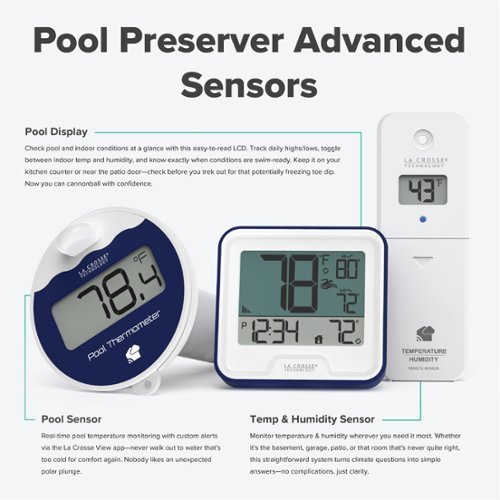
Use a separate thermometer (a floating pool thermometer or a handheld digital one) to measure the pool temperature. Compare this to the sensor reading. If there’s a big difference (more than 2-3°F or 1°C), you have a sensor problem.
Step 2: Check Sensor Placement
Find out where your sensor is installed. Is it right after the heater or near a return jet? If so, it might be picking up artificially high temperatures. Ideally, the sensor should be in a spot where water is well-mixed.
Step 3: Inspect For Sunlight And Environmental Factors
Is your sensor exposed to direct sunlight or near any heat sources (like metal, rocks, or heaters)? If yes, try shading it and see if the reading drops.
Step 4: Examine Sensor Condition
Take a close look at the sensor. Is there visible buildup, algae, or corrosion? Clean the sensor gently and check if this solves the problem.
Step 5: Check Calibration And Settings
Look at your pool system’s menu or manual. Is there a way to calibrate or reset the sensor reading? Try resetting to factory settings if possible.
Step 6: Inspect Wiring And Connections
Open the control box and check all wiring. Are there loose or corroded wires? Tighten any loose connections and replace damaged wires.
Step 7: Test For Heater And Plumbing Issues
Run your pool pump and heater. Watch the temperature reading as the system cycles. Does the reading spike when the heater runs? This could mean a heater bypass issue or bad sensor placement.
Step 8: Swap Sensors (if Possible)
If you have a spare sensor or can borrow one, swap it in. If the new sensor reads correctly, the old one is likely faulty.
Common Mistakes Pool Owners Make
Many pool owners waste time and money because they overlook simple causes. Here are two non-obvious mistakes beginners often make:
- Ignoring Sensor Location: They trust the system reading without checking where the sensor is installed. Even a few inches’ difference can cause big errors if the sensor is in a bad spot.
- Not Comparing with a Manual Thermometer: Relying only on the digital reading means you might never know if there’s a problem. A cheap floating thermometer can save a lot of trouble.
Another common error: replacing the sensor without checking for wiring or calibration issues. Sometimes, the sensor is fine, but the system needs a reset.
Credit: www.aquacal.com
Effects Of High Sensor Readings
If your pool temperature sensor is always too high, this can lead to several problems:
- Heater Won’t Turn On: The system thinks the pool is already warm enough. Swimmers find the water cold.
- Wasted Energy: You might run the heater longer, trying to reach the desired temperature, costing more in electricity or gas.
- Algae and Bacteria Growth: If the actual temperature is high but the sensor reads even higher, the heater may not run enough, encouraging algae and bacteria.
- Shortened Equipment Life: Running equipment based on wrong readings can stress pumps, heaters, and the sensor itself.
- Frustration and Unnecessary Repairs: Owners may replace heaters, pumps, or even drain the pool, thinking the problem is more serious than it is.
How To Fix High Pool Temperature Sensor Readings
Fixing a sensor that reads too high depends on the cause. Here’s a practical guide to solving the problem.
1. Move The Sensor
If the sensor is too close to the heater or in a “hot spot,” relocate it to a better position. The best place is usually downstream of the heater, where water is well-mixed, but not right at the heater outlet.
2. Shade The Sensor
If sunlight is the problem, use a simple shade or cover. Even a small piece of plastic or foam can block direct sun. Make sure the sensor is still in water and not insulated from the pool.
3. Clean The Sensor
Remove debris, algae, or calcium buildup gently. Use a soft brush and a diluted vinegar solution for scale. Never use sharp tools that could scratch or damage the sensor.
4. Calibrate Or Reset The System
Most digital controllers allow you to calibrate the temperature. Follow the instructions in your system’s manual. If calibration is not possible, reset the system to factory settings.
5. Replace Faulty Sensors
If the sensor is old, corroded, or doesn’t respond to cleaning, it’s time to replace it. Check that the new sensor is compatible with your system.
6. Fix Wiring Or Electrical Issues
Tighten all connections and replace damaged wires. If there’s interference from nearby devices, try moving them further away or using shielded cables.
7. Check Heater Bypass And Plumbing
If you suspect a heater bypass issue, call a professional to inspect the system. Blockages, stuck valves, or poor water flow can all cause high readings.
8. Update Or Reinstall Software
If you’re using a smart pool system, check for software updates. Sometimes a simple update can fix display glitches or bugs.
Preventing Future Sensor Problems
Once you fix the high reading, you’ll want to prevent it from happening again. Here are some practical steps:
- Inspect your sensor monthly for buildup or damage.
- Test your pool temperature manually at least once per season.
- Check sensor placement whenever you do pool maintenance.
- Keep the area around the sensor clean and shaded.
- Update your pool system’s software when prompted.
Comparing Pool Temperature Sensors
Not all sensors are created equal. If you’re replacing or upgrading, it helps to compare the main types:
| Type | Accuracy | Cost | Best For |
|---|---|---|---|
| Thermistor | Good (±1°C) | Low | Standard home pools |
| Thermocouple | Very Good (±0.5°C) | Medium | Advanced or commercial pools |
| Digital Smart Sensor | Excellent (±0.2°C) | High | Smart homes, remote monitoring |
Choosing the right sensor can help avoid problems in the future. Always match the sensor type to your controller and pool system.
How Pool Temperature Sensors Work In Your System
Understanding how the sensor fits into your pool system can help diagnose problems. Here’s a simple overview:
- Water is drawn from the pool by the pump.
- Water passes the sensor (usually after the heater).
- Sensor measures temperature and sends data to the controller.
- Controller decides whether to turn the heater or chiller on or off.
- Heated or cooled water returns to the pool.
If the sensor is not reading correctly at any step, the entire process is affected. This is why proper placement, wiring, and calibration are critical.
When To Call A Professional
Some sensor problems are easy to fix on your own. But there are times when you need help:
- You’ve tried all troubleshooting steps and still get high readings.
- Electrical issues: Sparks, burning smells, or tripped breakers.
- Heater or plumbing repairs: These often need special tools or knowledge.
- System software errors: If updates or resets don’t work.
A professional pool technician can diagnose and fix complex problems, saving you time and preventing more serious issues.
Real-world Example
Sarah, a pool owner in California, noticed her pool always felt cold, but her digital display said 90°F (32°C). After some checking, she found her sensor was right after the heater and sometimes in direct sunlight. She moved the sensor to a shaded area downstream, cleaned it, and recalibrated her system.
Her readings matched the manual thermometer, and her heater worked correctly again.
This simple fix saved Sarah hundreds of dollars in energy bills and prevented unnecessary repairs.
Data: Normal Pool Temperature Ranges
To help you understand what your sensor should show, here’s a look at typical pool temperature ranges:
| Activity | Recommended Temp (°F) | Recommended Temp (°C) |
|---|---|---|
| Recreational swimming | 78–82 | 25.5–27.5 |
| Therapy pools | 86–94 | 30–34.5 |
| Competitive swimming | 77–79 | 25–26 |
| Kids’ pools | 84–86 | 29–30 |
If your sensor shows temperatures much higher than these, you likely have a sensor issue.
Credit: www.bestbuy.com
Sensor Placement Comparison
Let’s compare two common placements and their effect on readings:
| Placement | Typical Reading | Problem |
|---|---|---|
| Right after heater | 5–15°F higher than pool | Heater may turn off early |
| After mixing, before return | Matches pool temp | Accurate heating/cooling |
Always aim for the most accurate spot for your sensor.
Non-obvious Insights
- Sensor response time matters: Some sensors react slowly to temperature changes, especially if coated with debris. This lag can cause misleading high readings after the heater runs.
- Pool covers affect readings: If you use a solar pool cover, the water layer near the surface can get much hotter than the rest of the pool. If your sensor is near the surface or a return jet, it may read high. Compare at different depths for accuracy.
These details are easy to miss but can make a big difference in solving sensor problems.

Credit: www.lowes.com
Frequently Asked Questions
Why Is My Pool Temperature Sensor Reading Too High Compared To A Manual Thermometer?
Usually, this means the sensor is in a “hot spot,” has buildup, or is affected by sunlight. Compare readings at different locations and clean the sensor. If differences remain, recalibrate or replace the sensor.
How Do I Know If My Pool Temperature Sensor Is Broken?
If you clean the sensor, reset the system, and compare with another thermometer but still see high readings, the sensor may be faulty. Try a new sensor to confirm.
Can A High Sensor Reading Damage My Pool Equipment?
Yes. If the heater thinks the pool is warmer than it is, it may not turn on, leading to cold water and possible algae growth. It can also cause the system to run inefficiently, wearing out parts.
How Often Should I Check Or Replace My Pool Temperature Sensor?
Check your sensor every month for buildup and damage. Most sensors last 3–5 years, but heavy chemical use or poor placement can shorten their life.
Where Can I Learn More About Pool Sensors And Water Chemistry?
A good place to start is the Wikipedia page on swimming pool sanitation, which covers pool systems, sensors, and water quality in detail.
A high pool temperature sensor reading can be confusing, but with a systematic approach, you can find and fix the cause. Always compare digital readings with a manual thermometer and check sensor placement. Regular cleaning and calibration will keep your pool system running smoothly. With these tips, you’ll enjoy perfect pool water every time.