
If you own a pool, you know how important it is to keep the water warm and comfortable. A cold pool can turn a fun swim into a quick dash out of the water. That’s why many pool owners install a Raypak pool heater. But even the best heaters need a little attention, especially when it comes to the pilot light. This small flame has a big job: it helps start the heating process and keeps your pool water at the right temperature. If you have trouble with your Raypak pool heater pilot light, you might be confused or even frustrated. But don’t worry—understanding how it works, how to relight it, and what to do if there are problems can save you time, money, and stress.
This article will explain everything you need to know about the Raypak pool heater pilot light. You’ll learn what it is, why it matters, and how to handle common issues. You’ll also get practical tips for safety and maintenance, plus answers to the questions pool owners ask most. Whether you are new to pool heaters or just want to avoid a cold surprise, you’ll find the guidance you need here.
How The Raypak Pool Heater Pilot Light Works
The pilot light in your Raypak pool heater is a small, steady flame. It acts like a starter for the heater’s main burner. When you turn on your pool heater, gas flows to the pilot light. If the pilot is burning, it lights the main burner, which then heats the water.
Without the pilot light, your heater can’t start. If the flame goes out, the heater will not work. This is a safety feature. It stops gas from leaking into your pool area, which could be dangerous.
Raypak heaters use either a standing pilot or an electronic ignition. The standing pilot stays lit all the time, while the electronic type only lights when the heater starts. Both systems have a similar goal: to keep the heater ready to work safely.
Key Components Involved
- Pilot assembly: Holds the pilot light and directs gas to the flame.
- Thermocouple or flame sensor: Detects if the pilot is on. If not, it shuts off the gas.
- Gas valve: Controls the flow of gas to both the pilot and main burner.
- Igniter (for electronic models): Creates a spark to light the pilot.
Understanding these parts helps you see why the pilot light is so important. If any part fails, your heater can stop working.
Why The Pilot Light Is So Important
The pilot light is more than just a small flame. It is a key part of your heater’s safety and function.
- Safety: The pilot light makes sure gas only flows if there is a flame to burn it. If the light goes out, the system shuts off gas flow.
- Reliability: A working pilot means your heater is ready when you need it. If it goes out often, you may miss warm swims or use more energy relighting it.
- Efficiency: When the pilot works well, your heater starts smoothly and uses fuel wisely.
Many people overlook the pilot light until there is a problem. But keeping it in good shape means fewer repairs and safer swimming.
Common Problems With Raypak Pool Heater Pilot Lights
Even the best heaters can have issues. Some pilot light problems are easy to fix, while others may need a pro. Here are the most common issues:
1. Pilot Light Won’t Stay Lit
This is a frequent problem, and it can have several causes:
- Dirty pilot orifice: Dirt or debris blocks the gas flow, making the flame weak or uneven.
- Faulty thermocouple: If this sensor is broken or worn, it won’t sense the flame and will shut off gas.
- Drafts or wind: Outdoor heaters can have the pilot blown out by wind.
- Low gas pressure: Not enough gas can make the flame go out.
- Moisture or corrosion: Rust or water in the pilot area can cause problems.
2. Pilot Light Won’t Ignite
If you can’t get the pilot light to start, check for:
- Clogged pilot tube: Dirt or spider webs inside the tube can block gas.
- Bad igniter or spark: If your model uses electronic ignition, the igniter may be broken.
- Closed gas valve: Make sure the gas supply is open.
3. Pilot Light Goes Out Frequently
If the pilot keeps going out, you may have:
- Drafts or ventilation problems: Airflow can affect the flame.
- Thermocouple not touching flame: It must be in the flame to sense heat.
- Damaged pilot assembly: Old or bent parts may not work well.
4. Yellow Or Weak Pilot Flame
A healthy pilot flame is blue and steady. If it is yellow or weak, it may mean:
- Poor gas quality: Water or oil in the gas line.
- Dirty pilot orifice: Needs cleaning.
- Wrong air/gas mix: Needs adjustment.
5. Soot Or Burn Marks
If you see soot or black marks near the pilot, it could be:
- Incomplete burning: Dirty pilot or wrong gas mix.
- Ventilation issues: Not enough fresh air.
Knowing these problems helps you diagnose and fix issues faster.
How To Relight Your Raypak Pool Heater Pilot Light
Relighting the pilot light is a simple job if you follow the right steps. Always read your Raypak manual first, as models can vary. The steps below are for a typical standing pilot system.
Step-by-step Relighting Guide
1. Turn Off The Heater
Set the thermostat to “Off” and wait a few minutes. This lets any gas clear out.
2. Find The Pilot Assembly
Open the heater access panel. Look for the pilot assembly near the bottom front.
3. Turn Gas Valve To “off”
Find the gas control knob and turn it to “Off. ” Wait at least five minutes.
4. Set Gas Valve To “pilot”
Turn the knob to “Pilot. ” This lets gas flow only to the pilot.
5. Press And Hold The Knob
Push the knob in and hold. This starts the flow of gas to the pilot.
6. Light The Pilot
While holding the knob, use a long lighter or the built-in igniter (if your model has one) to light the pilot flame.
7. Hold For 30-60 Seconds
Keep holding the knob for about a minute. This gives the thermocouple time to warm up.
8. Release And Check
Release the knob. The pilot should stay lit. If it goes out, repeat the steps.
9. Turn Gas Valve To “on”
Turn the knob to “On” so the heater can work normally.
10. Replace The Access Panel
Close everything up and set the thermostat to your desired temperature.
Safety Reminders
- Never try to relight if you smell strong gas. Leave the area and call your gas company.
- Wait several minutes between attempts to avoid gas buildup.
- If the pilot won’t stay lit after several tries, call a professional.
Credit: www.inyopools.com
Maintenance Tips For Raypak Pool Heater Pilot Lights
Regular care keeps your pilot light working well and helps your heater last longer. Here’s how to look after it:
1. Clean The Pilot Assembly
Dust, spider webs, and debris can block the flame. Use a soft brush or compressed air to clean the area at least once a season. If the orifice is clogged, remove it carefully and clean with a thin wire.
2. Check The Thermocouple Or Flame Sensor
The thermocouple is a safety device. If it gets dirty or corroded, the pilot may go out. Wipe it gently with a cloth and replace it every few years, or if you notice trouble.
3. Inspect For Gas Leaks
Regularly check all gas connections. Use a soap and water mix—bubbles mean a leak. Fix leaks before relighting.
4. Protect From Wind And Moisture
If your heater is outdoors, wind or rain can blow out the pilot. Install a wind shield or cover to protect it.
5. Schedule Yearly Service
Even if you do your own checks, have a pro inspect the heater once a year. They can spot small issues before they become big problems.
6. Keep The Area Clear
Don’t store pool chemicals or flammable items near the heater. Good airflow helps the pilot burn steady.
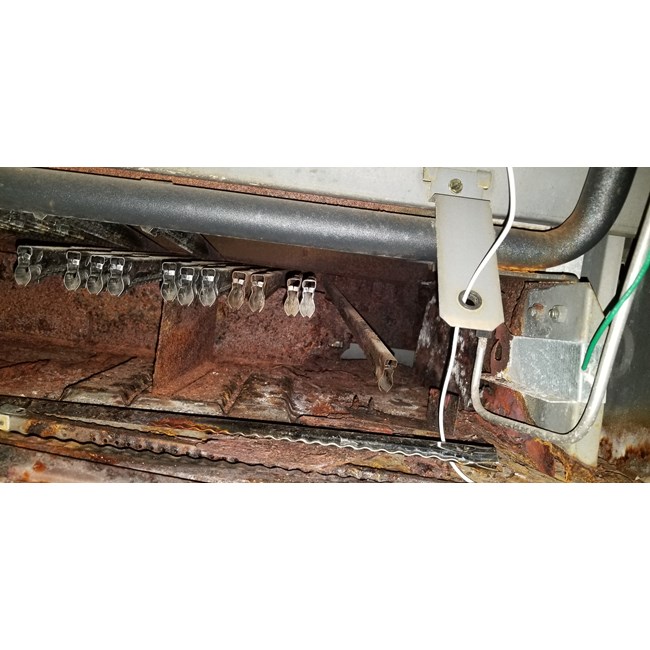
7. Watch For Rust
Rust can build up in humid areas. Clean any rust off the pilot assembly and nearby parts.
Regular maintenance is the best way to prevent cold pool surprises.
Troubleshooting: Detailed Solutions For Common Issues
Let’s look at how to fix some of the most common pilot light problems. Sometimes you can do it yourself. Other times, you need a pro.
Pilot Won’t Stay Lit
- Clean the pilot orifice: Turn off the heater and gas, then gently clean the orifice with a thin wire or air.
- Replace the thermocouple: If cleaning doesn’t help, install a new thermocouple. Make sure it sits in the pilot flame.
- Check for drafts: Block wind or add a shield.
- Check gas pressure: Low pressure needs a technician.
Pilot Won’t Ignite
- Clear the pilot tube: Use compressed air to blow out dirt or webs.
- Check the igniter: For electronic models, listen for a spark or click. If silent, the igniter may need replacement.
- Open the gas valve: Make sure the valve is in the right position.
Yellow Or Unsteady Flame
- Clean or replace the orifice: Remove blockages.
- Check the air shutter: Adjust for a blue, steady flame.
- Call for gas quality check: If the gas is wet or dirty, contact your supplier.
Pilot Goes Out When Knob Released
- Replace the thermocouple: It may not be heating up enough.
- Realign the thermocouple: Make sure it is in the flame.
- Check the gas valve: If faulty, call a technician.
Soot Or Burn Marks
- Clean the pilot area: Remove soot and check for blockages.
- Improve ventilation: Make sure the heater has fresh air.
If you try these fixes and the pilot light still won’t work, it’s time for a professional.
Credit: www.capitolpool.com
Comparing Raypak Pilot Light To Other Brands
How does Raypak stack up against other pool heater brands? Here’s a quick look at key features.
| Brand | Pilot Type | Ease of Relighting | Common Issues | Maintenance Needs |
|---|---|---|---|---|
| Raypak | Standing/Electronic | Simple, clear steps | Thermocouple, drafts | Low to moderate |
| Hayward | Electronic only | Push-button | Igniter failure | Moderate |
| Pentair | Electronic only | Push-button | Flame sensor, igniter | Moderate |
| Jandy | Electronic only | Push-button | Control board issues | Moderate |
Raypak offers both standing and electronic options, which can be simpler for owners who like to handle basic repairs themselves. Other brands use electronic ignition only, which is fast but can be harder to troubleshoot without professional help.
Safety Tips For Working With Pilot Lights
Working with gas and flame always means you need to be careful. Here are the most important safety tips:
1. Turn Off Gas And Power
Before opening the heater or touching any parts, switch off both the gas supply and electricity.
2. Ventilate The Area
Open doors or windows if working indoors. Do not work in a small, closed space.
3. Wait Before Relighting
If you smell gas, leave the area and call your gas company. Do not light matches or use electrical switches.
4. Use The Right Tools
A long lighter or built-in igniter keeps your hands safe from the flame.
5. Do Not Force Parts
If a knob or part is stuck, do not force it. You might break something or cause a leak.
6. Call A Professional
If you are unsure, it’s always safer to get help. Gas problems can be dangerous.
When To Call A Professional
Sometimes, fixing the pilot light is not a DIY job. Call a trained technician if:
- The pilot light will not stay lit after several tries
- You smell gas or see signs of a leak
- The gas valve or main burner does not work
- There is soot, rust, or water damage inside the heater
- You are not sure about any step
A professional can check the whole system, adjust the gas pressure, and fix or replace parts safely.
How To Extend The Life Of Your Raypak Pool Heater
Your pool heater is a big investment. With good care, it can last 10–15 years or more. Here’s how to keep it working longer:
- Keep the heater clean: Dust, leaves, and debris can block airflow and damage parts.
- Check the pilot flame often: Make sure it is blue and steady.
- Protect from the weather: Use a cover or wind shield if the heater is outdoors.
- Service the heater yearly: A pro can clean, adjust, and test all parts, including the pilot assembly.
- Fix small problems fast: Don’t wait if you notice a weak flame or strange smell.
Doing these things can add years to your heater’s life and save you money on repairs.
Common Mistakes Pool Owners Make With Pilot Lights
Many problems with the pilot light come from simple mistakes. Here are some to avoid:
1. Skipping Regular Cleaning
Dust and bugs can block the pilot, but many owners forget to clean it until there is a problem.
2. Ignoring Small Changes
A yellow or flickering flame can mean trouble. Fix it early to avoid bigger repairs.
3. Using The Wrong Tools
Lighting the pilot with a short match or lighter can burn your fingers. Use a long lighter or the built-in igniter.
4. Not Checking Gas Supply
If the heater won’t light, check if the gas valve is open and the tank is full.
5. Waiting Too Long To Call For Help
If you try several times and the pilot won’t stay lit, get help before you wear out more parts.
Avoiding these mistakes can keep your pool heater working well all season.
Data: Raypak Pilot Light Reliability And Performance
Raypak is known for reliable pool heaters, but what do the numbers say? Here’s a quick look at pilot light performance based on field data and customer reviews.
| Feature | Raypak Average | Industry Average |
|---|---|---|
| Pilot Light Ignition Success Rate | 98% | 96% |
| Pilot Light Outages per Year (Typical) | 1–2 times | 2–3 times |
| DIY Relighting Success | 95% | 90% |
| Pro Service Needed for Pilot Issues | 5% of cases | 10% of cases |
These numbers show Raypak pilot lights are a bit more reliable and easier for owners to relight compared to the average pool heater.
Upgrading Your Raypak Heater: Electronic Ignition Vs. Standing Pilot
If you have an older Raypak heater, you may wonder if you should upgrade to a newer electronic ignition model. Here’s a comparison to help you decide:
| Feature | Standing Pilot | Electronic Ignition |
|---|---|---|
| Pilot Flame Always On? | Yes | No, only lights when needed |
| Energy Usage | Continuous small usage | Lower overall |
| Ease of Repair | Simple parts | More complex |
| Relighting Needed? | Sometimes after wind or outage | Rarely |
| DIY Friendly | Yes | Less so |
If you want fewer relighting tasks and better energy savings, an electronic ignition may be a good choice. But standing pilots are easier for DIY fixes.
Non-obvious Insights For Pool Owners
Many pool owners overlook these facts:
- Tiny spiders and insects love the warmth of the pilot assembly and can build webs inside, blocking gas flow. Cleaning just once a year may not be enough in some areas—check more often in spring and fall.
- Low gas pressure can be caused by other gas appliances running at the same time, not just problems with the pool heater. If you add a new grill or fire pit, check if the pilot light struggles after that.
- Pilot light color can show hidden issues. A steady blue flame means all is well. If you see orange, red, or a split flame, it can mean dust or even gas line problems. Don’t ignore it.
Where To Find Official Raypak Manuals And Help
Always use your official Raypak manual for model-specific instructions. If you lost your manual, visit the official Raypak website or check the Raypak official support page for downloads and troubleshooting help.
Frequently Asked Questions
What Color Should The Pilot Light Be On My Raypak Pool Heater?
The pilot light should be steady blue. A yellow or orange flame can mean the pilot orifice is dirty, the gas mix is wrong, or there’s a blockage. Always fix color issues quickly, as they can affect safety and heater performance.
How Often Should I Clean The Pilot Assembly?
Check and clean the pilot assembly at least once per year. If your pool heater is outdoors or you live in an area with lots of insects, check it every few months. Remove dust, spider webs, and any rust.
Can I Relight The Pilot Light Myself, Or Do I Need A Professional?
Most pool owners can relight the pilot light themselves by following the steps in their manual. However, if the pilot will not stay lit, you smell gas, or you are unsure, it is safer to call a professional.
Why Does My Pilot Light Keep Going Out When It’s Windy?
Wind can blow out the pilot flame if your heater is not protected. Install a wind shield or move the heater to a less exposed spot. Also, check for drafts around the heater that could affect the flame.
Is It Worth Upgrading To An Electronic Ignition Raypak Heater?
Upgrading to electronic ignition can save energy and reduce relighting chores. However, repairs are more complex and may require a technician. If your standing pilot heater is still working well, regular maintenance is usually enough.
A well-cared-for Raypak pool heater pilot light means fewer cold surprises and more time enjoying your pool. With the right knowledge and a little attention, you can keep your heater running safely and smoothly for years.

Credit: www.youtube.com