
If you’ve ever cleaned your swimming pool and noticed the pool vacuum suction too strong, you’re not alone. Many pool owners face this problem, but most don’t know why it happens or what to do about it. Excessive suction can damage your pool equipment, make cleaning harder, and even cause safety risks. Luckily, you can fix it with the right knowledge and a few adjustments.
In this article, you’ll discover why strong suction happens, how it affects your pool, and the best ways to solve it. We’ll cover practical steps, common mistakes, and expert advice to help you maintain a safe and efficient cleaning system.
Whether you have an in-ground or above-ground pool, you’ll find easy solutions that work for every setup. Let’s dive in.
Understanding Pool Vacuum Suction
Pool vacuums use suction power to remove dirt, leaves, and debris from the pool floor and walls. This suction comes from the pool pump, which draws water through the vacuum hose and filter. Ideally, the vacuum should have enough suction to clean effectively, but not so much that it becomes difficult to use or damages equipment.
How Suction Works
The pump creates pressure differences in the plumbing. Water flows from the pool, through the vacuum head, hose, and skimmer, then gets filtered and returned. If the suction is too strong, the vacuum may stick to the pool surface, hoses can collapse, and you might find it hard to move the vacuum.
Signs Of Excessive Suction
You can spot too much suction by watching for:
- The vacuum head sticking tightly to the pool floor
- Hoses collapsing or kinking
- Pump making loud noises
- Difficulty moving the vacuum
- Pool cleaner wheels or tracks not spinning
If you notice these, you need to check and adjust your system.
Why Is Pool Vacuum Suction Too Strong?
Several factors can cause high suction in your pool vacuum. Understanding each will help you fix the issue.
- Pump Oversizing: If your pump is much bigger than needed for your pool, it pulls more water and creates extra suction.
- Valve Settings: Pool plumbing has valves to direct water flow. If valves send all water to the vacuum, suction rises.
- Clogged Returns: When pool returns (the jets that push water back) are blocked, suction increases at the vacuum.
- Small Vacuum Head: A small head concentrates suction in a small area, making it stick.
- Short or Thin Hoses: Short hoses and narrow hoses increase suction pressure.
- Clean Filter: A newly cleaned filter allows water to flow freely, sometimes making suction stronger.
- Low Water Level: If your pool water is low, the pump may suck air, changing pressure and increasing vacuum suction.
- Skimmer Plate Not Used: Skimmer plates help regulate suction. If not installed, the vacuum can get all the suction.
Most pool owners assume more suction is better, but that’s not true. Too much can damage your equipment and make cleaning harder.
Dangers Of Excessive Suction
Strong vacuum suction isn’t just inconvenient—it can be risky.
- Vacuum Head Damage: The vacuum head can crack or warp if stuck too tightly.
- Hose Collapse: Excess suction can cause hoses to flatten, making them useless.
- Pump Stress: Pumps working too hard may overheat, wear out faster, or break.
- Safety Risks: High suction can trap fingers or toes, especially for children.
Pools need balance. Using the right suction protects your equipment, your pool, and your family.
How To Adjust Pool Vacuum Suction
You don’t need expensive equipment to fix too strong suction. Here are easy ways to adjust suction and keep your cleaning system running smoothly.
1. Check Valve Positions
Pool systems have valves to control water flow. Look for valves near the pump labeled “skimmer,” “main drain,” or “vacuum. ” Adjust them so suction is split between skimmer and vacuum.
- Turn the valve slowly to reduce vacuum flow.
- If your vacuum is still sticking, try opening the skimmer valve more.
2. Use A Skimmer Plate
A skimmer plate sits in the skimmer basket and connects the hose. It helps regulate suction. If your vacuum plugs directly into the skimmer, too much suction can result. Install a skimmer plate and adjust it to let some water bypass the vacuum.
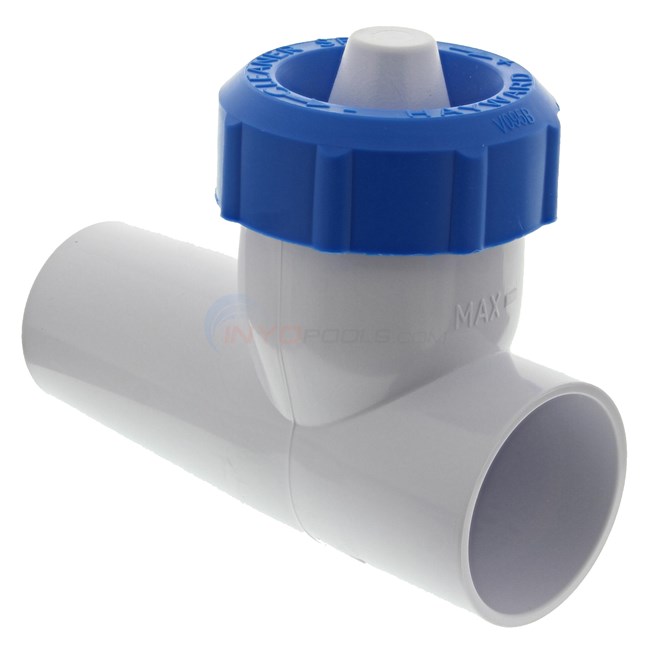
3. Add A Suction Control Valve
Many vacuums come with suction control valves. These let you adjust how much water goes through the vacuum. If yours doesn’t have one, you can buy a universal suction regulator.
4. Try A Larger Vacuum Head
A small vacuum head focuses suction in a tiny area. Using a larger head spreads suction over a wider space, making it less intense.
5. Lengthen The Hose
Longer hoses reduce suction pressure. If your hose is very short, add an extension. This lowers the force at the vacuum head.
6. Use Hose Adapters
Hose adapters can reduce suction by allowing some air to mix with the water. This decreases vacuum pressure.
7. Clean Return Jets
Check all pool return jets for blockages. Clean them to ensure water flows freely back into the pool, balancing suction.
8. Adjust Pump Speed
If you have a variable-speed pump, lower the speed when vacuuming. Lower speeds mean less suction. Fixed-speed pumps may need manual adjustment or valve changes.
9. Monitor Filter Condition
After cleaning your filter, suction can increase. If you notice too much suction right after cleaning, adjust valves or reduce pump speed.
10. Keep Water Level Proper
Pool water should reach halfway up the skimmer. Too low or too high affects suction. Fill your pool to the correct level before vacuuming.
Credit: forum.inyopools.com
Practical Example: Fixing Strong Suction In An In-ground Pool
Let’s walk through a real-life example. Suppose you have an in-ground pool with a sand filter and a fixed-speed pump. You notice your vacuum head sticks to the floor and hoses collapse.
- Check the valve settings. Open the skimmer valve halfway and the main drain valve halfway.
- Use a skimmer plate to connect the vacuum hose.
- If suction is still strong, add a hose extension.
- Clean the pool returns and make sure water flows freely.
- If the vacuum head is small, try using a larger one.
- Test the system after each change.
Most owners find that adjusting valves and adding a skimmer plate solves the problem. If suction remains high, check for pump oversizing.
Comparing Pool Pump Sizes And Suction Strength
Choosing the right pump size is critical for balanced suction. Here’s a comparison of common pool pump sizes and their effect on vacuum suction:
| Pump Size (HP) | Pool Size (Gallons) | Vacuum Suction (Typical) | Risk of Excess Suction |
|---|---|---|---|
| 0.75 HP | 10,000–20,000 | Moderate | Low |
| 1.5 HP | 20,000–35,000 | High | Medium |
| 2.0 HP | 35,000–50,000 | Very High | High |
A bigger pump isn’t always better. Match the pump size to your pool volume for best results.
Common Mistakes When Adjusting Suction
Many pool owners make errors that worsen the problem. Avoid these mistakes:
- Closing All Valves Except Vacuum: This sends all water through the vacuum, creating excessive suction.
- Ignoring Water Level: Low water creates air pockets, changing suction.
- Using Too Short or Thin Hoses: These amplify suction pressure.
- Skipping Skimmer Plate: Not using a plate means uncontrolled suction.
- Not Cleaning Return Jets: Blocked jets boost vacuum suction.
- Not Adjusting After Filter Cleanings: Suction changes after filter maintenance.
Always check each part of your system before vacuuming.
Pool Vacuum Types And Suction Control
Different vacuums have different suction needs. Here’s a comparison of popular pool vacuum types:
| Vacuum Type | Suction Needed | Common Suction Issues | Best Suction Control Method |
|---|---|---|---|
| Manual Vacuum | Moderate | Head sticking, hose collapse | Valve adjustment, skimmer plate |
| Automatic Suction Cleaner | Medium to high | Cleaner stalls, wheels stop | Pump speed adjustment, suction regulator |
| Robotic Cleaner | N/A (self-powered) | None | Not needed |
Robotic vacuums don’t rely on suction, so they avoid this issue. For manual and automatic cleaners, proper suction control is essential.
Expert Tips For Balancing Pool Vacuum Suction
Here are tips you won’t find in most guides:
- Test with Your Hand: Before vacuuming, place your hand over the skimmer suction. If it feels strong enough to pull hard, reduce suction.
- Use a Suction Gauge: Pool supply stores sell gauges that measure suction pressure. Use one to check your system.
- Vacuum in Short Intervals: If your vacuum sticks, use it for a few minutes, then stop and adjust valves before continuing.
- Add a Bypass Line: Some pools allow you to install a bypass line that lets water flow around the vacuum, reducing suction.
Few beginners realize that suction changes as the filter gets dirty or the pump ages. Always check suction before every cleaning session.
Real-world Data: How Often Pool Owners Face Suction Issues
A survey by the National Swimming Pool Foundation found that:
- 34% of pool owners reported their vacuum suction was “too strong” at least once a month.
- 47% had vacuum heads stick to the floor and hoses collapse.
- Only 18% knew how to adjust valves or use suction regulators.
This shows most owners struggle with suction control. Learning a few simple fixes can save time and money.

Credit: www.youtube.com
Pool Vacuum Suction Vs. Cleaning Efficiency
You might wonder: does higher suction mean better cleaning? Not always. Here’s a comparison between suction strength and cleaning performance:
| Suction Level | Cleaning Effectiveness | Equipment Risk | Ease of Use |
|---|---|---|---|
| Low | Poor | None | Easy |
| Moderate | Good | Low | Easy |
| High | Very Good | Medium | Difficult |
| Excessive | Excellent | High | Very difficult |
Aim for moderate suction. It cleans well without risking your equipment.
What To Do If Suction Stays Too Strong
If you’ve tried all adjustments and suction is still too strong, consider these steps:
- Check Pump Size: Your pump may be oversized. Consult a pool professional to see if a smaller pump is better.
- Install a Suction Regulator: These devices automatically limit suction.
- Upgrade Vacuum Head: Use a vacuum head with relief valves or wheels to avoid sticking.
- Replace Hoses: Use thicker, longer hoses designed for your pool type.
- Consult a Pool Technician: Persistent suction issues may need expert help.
It’s important to avoid quick fixes that don’t last. Invest in the right equipment for your pool size.

Credit: www.reddit.com
Pool Maintenance And Suction Balance
Regular maintenance keeps suction balanced. Here’s what to do:
- Check valves and hoses every week.
- Clean filter monthly or as needed.
- Inspect return jets for blockages.
- Test pump speed before vacuuming.
- Use suction regulators if available.
Balanced suction means easier cleaning and longer equipment life.
Comparing In-ground And Above-ground Pool Suction Issues
In-ground and above-ground pools face different suction challenges.
- In-Ground Pools: Often have larger pumps, more plumbing, and multiple valves. Suction is easier to adjust but can become excessive quickly.
- Above-Ground Pools: Usually smaller pumps and simpler plumbing. Suction issues happen if hoses are too short or valves are set incorrectly.
Both need careful valve management and proper hose lengths.
Advanced Solutions For Persistent Suction Problems
If your pool vacuum suction is always too strong, try these advanced fixes:
Install A Variable-speed Pump
Variable-speed pumps let you control water flow and suction. Lower speeds reduce vacuum pressure and save energy.
Upgrade To A Robotic Cleaner
Robotic cleaners don’t rely on suction and are easier to use. They cost more but avoid all suction problems.
Add Relief Valves
Some vacuum heads have built-in relief valves. These release suction if the head gets stuck.
Professional Plumbing Modification
A pool technician can modify your plumbing to split suction better or install bypass lines.
These solutions require investment but solve persistent problems.
Pool Vacuum Suction And Energy Efficiency
High suction usually means your pump works harder, using more energy. Lowering suction can reduce energy bills. Variable-speed pumps are up to 60% more efficient than fixed-speed models. Proper suction saves money and extends pump life.
Non-obvious Insights Beginners Often Miss
- Suction changes with filter cleanliness: A dirty filter lowers suction, while a clean filter increases it. Always adjust after cleaning.
- Air leaks amplify suction problems: If hoses or connections have air leaks, suction can spike or drop suddenly. Check all connections for tightness.
Most beginners focus only on valves and pump speed, but filter and air leaks matter just as much.
Pool Vacuum Suction Safety Tips
- Never leave a vacuum running unattended in the pool.
- Always check suction with your hand before cleaning.
- Keep children away from strong suction areas.
- Use equipment designed for your pool size.
- Inspect hoses and vacuum heads for damage before each use.
Safety is as important as cleaning efficiency.
Frequently Asked Questions
Why Does My Pool Vacuum Head Stick To The Floor?
This usually happens when pool vacuum suction is too strong. Adjust your valves to split suction between skimmer and vacuum, use a skimmer plate, or lower pump speed.
Can High Suction Damage My Pool Vacuum?
Yes. Excessive suction can crack the vacuum head, collapse hoses, and wear out pump parts. Use a suction regulator and check system balance.
How Do I Know If My Pump Is Oversized?
If your pump is much stronger than your pool needs (for example, a 2.0 HP pump on a 12,000-gallon pool), you likely have too much suction. Compare pump size to pool volume and consult a technician.
What Is A Skimmer Plate And How Does It Help?
A skimmer plate connects the vacuum hose to the skimmer and helps regulate suction. It allows some water to bypass the vacuum, reducing suction strength.
Are Robotic Pool Cleaners Better For Suction Issues?
Yes. Robotic pool cleaners don’t rely on pump suction. They use their own motors, avoiding all suction balance problems. They cost more but are easier to use.
If you want more in-depth guidance, the Pool & Spa Foundation has detailed resources for pool owners. For technical details, see the American Pool and Spa Association.
By understanding and controlling pool vacuum suction, you keep your pool clean, safe, and efficient. With these tips, you’ll never have to struggle with excessive suction again. Enjoy a sparkling pool and easy maintenance all season long.