
Keeping your kitchen cabinets clean and grease-free is not just about looks; it also extends their life and protects your health. Many people notice that, over time, their cabinets turn sticky or dull, especially those near the stove. Grease buildup is a common problem in homes worldwide, and it can make your kitchen feel dirty even if you clean it regularly.
If you want to enjoy a fresh and healthy kitchen, it’s important to learn how to protect kitchen cabinets from grease effectively.
Grease doesn’t just stain; it attracts dust and bacteria, making cleaning much harder. In some cases, grease can even damage the cabinet’s finish or wood underneath. But with the right habits and protection strategies, you can keep your cabinets looking new for years.
In this article, you’ll discover practical steps, expert insights, and essential tips—many people miss these small details, but they make a big difference. Whether your cabinets are wood, laminate, or painted, you’ll find solutions that fit your kitchen.
Why Grease Is A Big Problem For Kitchen Cabinets
Grease is more than a sticky annoyance. When you cook, especially frying or sautéing, oils and fats become airborne. These tiny droplets float around and settle on surfaces, including your cabinets. Over time, this buildup can:
- Dull cabinet finishes and cause discoloration
- Attract dust and dirt, making cleaning harder
- Support bacteria and mold growth in humid kitchens
- Damage paint, laminate, or wood if not removed
Some kitchen cleaners do not fully remove grease, and scrubbing too hard can scratch or fade the surface. That’s why prevention and gentle maintenance are key.
Understanding Different Cabinet Materials
The way you protect your kitchen cabinets from grease depends on their material. Let’s look at the most common types:
| Cabinet Material | Main Features | Grease Sensitivity |
|---|---|---|
| Solid Wood | Natural look, durable, can be refinished | High (grease can stain and damage finish) |
| Laminate | Easy to clean, less expensive, many colors | Medium (grease can dull surface, seep into seams) |
| Painted MDF | Smooth finish, affordable, modern look | High (paint can chip, absorb grease) |
| Thermofoil | Plastic coating over wood/MDF, uniform look | Medium (seams can lift with grease/heat) |
Insight: Many homeowners do not realize that even “easy-clean” materials like laminate or thermofoil can suffer permanent damage if grease isn’t cleaned regularly. Paint and wood absorb grease more deeply, making quick action important.
Daily Habits To Prevent Grease Buildup
Small daily actions can make a big difference in how much grease sticks to your cabinets.
1. Wipe Down Surfaces After Cooking
Use a soft cloth or paper towel with warm, soapy water. Focus on the cabinets near the stove and oven. Even a quick wipe removes most fresh grease before it hardens.
2. Use Your Range Hood Every Time You Cook
Turn on your vent hood or exhaust fan whenever you fry, sauté, or boil. This pulls greasy air away from cabinets.
3. Cover Pans And Pots
Use lids or splatter screens while cooking. This simple step keeps grease from escaping into the air.
4. Keep Handles And Knobs Clean
These spots are touched most often and collect grease from hands. Wipe them daily.
5. Open Windows For Ventilation
Letting air circulate helps move greasy steam out of your kitchen.
Non-obvious insight: Many people forget to clean the undersides and sides of cabinets. Grease floats and sticks everywhere, not just on the front.
Protective Products And Diy Solutions
To keep cabinets safe, you can use special products or make your own. Some options work better for certain cabinet materials.
Protective Coatings
1. Cabinet Wax Or Polish
For wood cabinets, a thin layer of wax adds shine and creates a barrier against grease. Use a product made for kitchen cabinets and apply it every 3-6 months.
2. Furniture Polish For Laminate
A silicone-based polish works well on laminate. It repels grease and makes wiping easier.
3. Oil-based Sprays For Painted Surfaces
Some sprays add a thin, invisible layer that blocks stains. Test in a hidden spot first.
Diy Natural Solutions
- Vinegar and Water Spray: Mix equal parts white vinegar and water in a spray bottle. Use it for daily cleaning—vinegar breaks down grease but is gentle on most finishes.
- Baking Soda Paste: For sticky spots, mix baking soda with water to make a paste. Apply gently with a sponge, then wipe clean.
Pro tip: Always dry cabinets after cleaning. Moisture left behind can damage wood or paint, especially around edges and seams.

Credit: topcodistributing.com
Install Kitchen Hardware That Fights Grease
The right hardware helps you avoid touching cabinet surfaces with greasy hands.
- Long Handles or Bar Pulls: Easier to grab with clean hands, keeping fingerprints and grease off the cabinet face.
- Soft-Close Hinges: Prevent slamming, which can push grease and dirt into crevices.
- Knob Backplates: These small metal or plastic plates sit behind knobs or handles, protecting the surface from finger oils.
Example: Upgrading to long horizontal bar pulls can reduce the cleaning area by over 30%, as hands avoid most of the cabinet surface.
The Role Of Kitchen Layout And Appliance Placement
Where you place your stove, sink, and cabinets affects how much grease ends up on cabinet doors.
- Stove Close to Cabinets: More likely to get grease splatter on side panels and doors.
- Low Ventilation: Cabinets above and next to the stove collect more grease.
- Microwave Over Range: If you use a microwave/vent combo, make sure the vent is powerful enough for your cooking style.
| Layout Feature | Grease Risk Level | Protection Tip |
|---|---|---|
| Stove between cabinets | High | Install side splash guards, wipe after each use |
| Stove in open space | Low | Use strong range hood |
| Microwave over range | Medium | Check vent power, clean filter monthly |
Non-obvious insight: Cabinet faces next to the oven door also get greasy from hot air escaping when you open the oven—even if you rarely fry food.
Choosing The Right Cleaning Tools
Not all cleaning tools are safe for your cabinets. The wrong sponge or cleaner can scratch, dull, or peel the finish.
Safe Cleaning Tools
- Microfiber Cloths: Trap grease without scratching.
- Soft Sponges: Use non-abrasive sponges for sticky spots.
- Old Toothbrush: Great for cleaning around handles and in crevices.
What To Avoid
- Steel Wool or Abrasive Pads: These scratch most cabinet surfaces.
- Strong Solvents: Products like acetone or bleach can damage paint and wood.
Pro tip: Keep a separate cloth just for cabinet cleaning. This avoids spreading grease from other kitchen areas.
Deep Cleaning: How And When To Do It
Even if you clean daily, you need to deep clean cabinets 2-4 times a year. This removes hidden grease and keeps surfaces fresh.
Deep Cleaning Steps
1. Empty Cabinets
Take out all food, dishes, and liners.
2. Dust First
Wipe with a dry cloth to remove loose dust and crumbs.
3. Wash Surfaces
Use warm water with mild dish soap. Wipe all surfaces, including edges, undersides, and inside doors.
4. Tackle Sticky Spots
For stubborn grease, use baking soda paste or a vinegar-water spray. Let it sit for 2-3 minutes, then wipe.
5. Dry Completely
Use a clean, dry cloth to remove all moisture.
6. Polish Or Wax
For wood cabinets, apply furniture wax or polish for added protection.
Example: A family that deep cleans their cabinets every season reports 40% less visible grease and fewer permanent stains compared to yearly deep cleaning.
Kitchen Habits That Reduce Grease Problems
Changing a few habits in your cooking routine can cut down on airborne grease.
1. Cook At Lower Temperatures
High heat creates more splatter and airborne oil. Medium heat is safer and still effective for most meals.
2. Choose The Right Oils
Oils with higher smoke points (like canola or sunflower) create less airborne grease than low smoke point oils (like butter or olive oil).
3. Wipe Up Spills Immediately
Grease is easier to remove when fresh. Do not let splatters dry.
4. Clean Appliances Regularly
A greasy stove or hood filter spreads oil every time you cook.
Preventative Products: Liners, Shields, And Covers
Adding extra layers can shield your cabinets from direct grease contact.
Popular Options
- Stove Side Splatter Guards: Place these between your stove and the cabinet. They block splashes and are easy to clean.
- Cabinet Door Liners: Thin, clear plastic liners stick to the inside or outside of doors. They protect from grease and are nearly invisible.
- Range Hood Filters: Change or clean these monthly. A clogged filter sends grease back into your kitchen.
Comparison: Popular Cabinet Protection Solutions
| Product | Best For | Ease of Use | Cost |
|---|---|---|---|
| Stove Side Guards | Frequent frying or sautéing | Easy | Low |
| Cabinet Liners | All cabinet types | Moderate | Low |
| Protective Wax/Polish | Wood cabinets | Moderate | Medium |
| Range Hood Upgrade | Heavy cooking homes | Professional | High |
Non-obvious insight: Thin, clear liners are now available that blend into any cabinet finish and can be replaced without leaving marks. Many people think liners are only for shelves, but they work well on door surfaces too.
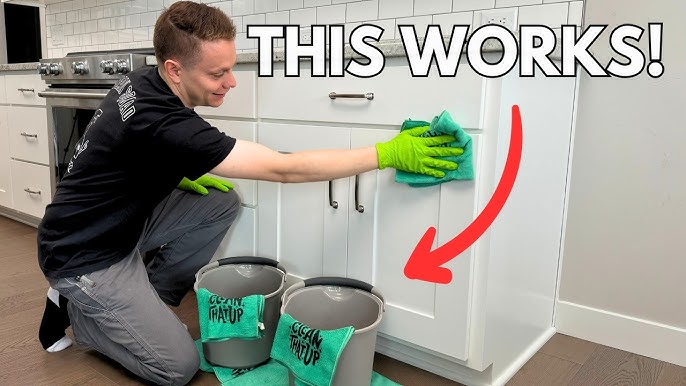
Credit: www.youtube.com
Mistakes People Make When Protecting Cabinets
Learning from others’ mistakes can save you time and money.
1. Ignoring The Sides And Undersides
Grease lands everywhere, not just on the front.
2. Using Harsh Chemicals
Bleach, ammonia, or strong degreasers strip protective finishes and can cause permanent damage.
3. Skipping Regular Cleaning
Once-a-week or less leaves grease to harden and attract more dirt.
4. Not Changing Hood Filters
Dirty filters are less than 50% as effective at trapping grease.
5. Relying Only On “grease-resistant” Cabinets
No cabinet is 100% grease-proof. Even special coatings need routine care.
Non-obvious insight: People often forget to check the top edges of cabinets—these collect the most airborne grease, especially if you have high ceilings.
When To Call A Professional
Some grease problems are hard to solve alone. If you notice:
- Sticky, yellow stains that won’t come off
- Peeling, bubbling, or warped cabinet surfaces
- A persistent odor even after cleaning
A professional cleaner or cabinet refinisher can remove deep-set grease and restore the finish. In some cases, they may suggest a new topcoat or protective seal.
Tip: If you cook daily and notice regular buildup, consider a yearly deep cleaning by a pro. This keeps cabinets in top shape and prevents future problems.

Credit: www.reddit.com
Long-term Strategies To Keep Cabinets Grease-free
For lasting results, combine daily habits with smart upgrades.
- Install a Strong Range Hood
Choose a model that vents outside, not just recirculates air. This can reduce cabinet grease by over 70%.
- Repaint or Refinish with Grease-Resistant Products
Modern paints and finishes are designed for kitchens and resist oil better than older types.
- Upgrade to Full Overlay Doors
These cover more cabinet frame, leaving fewer gaps for grease to collect.
- Organize Your Cooking Area
Keep oils and greasy items away from cabinet edges.
- Schedule Regular Maintenance
Mark your calendar for deep cleaning and hardware checks.
Real-world Examples And Data
Let’s look at how different strategies work in practice.
- A study by the National Kitchen & Bath Association found that kitchens with strong range hoods had 65% less cabinet grease buildup than those with recirculating hoods.
- In a home test, using cabinet liners and wiping daily reduced visible grease marks by 75% after six months.
- A family that switched from frying to baking for most meals noticed a 50% drop in greasy cabinet stains.
Practical advice: Take before-and-after photos when you start new habits. This makes it easy to see what works best in your kitchen.
Frequently Asked Questions
How Often Should I Clean My Kitchen Cabinets To Prevent Grease Buildup?
Wipe cabinets near the stove and oven daily, even if it’s just a quick pass with a damp cloth. Do a deeper clean with soap and water every 1-2 weeks. For full deep cleaning, aim for 2-4 times a year.
What Is The Best Cleaner For Removing Grease From Kitchen Cabinets?
A mixture of warm water and mild dish soap is safe and effective for most surfaces. For stubborn spots, try a vinegar-water spray or a baking soda paste. Always test in a hidden area first.
Will Protective Liners Or Coatings Damage My Cabinets?
Most modern cabinet liners and waxes are designed to be safe. Choose products made for your cabinet material and follow instructions. Avoid liners with strong adhesives or harsh chemicals that could leave marks.
Is It Necessary To Upgrade My Range Hood To Protect Cabinets From Grease?
If you cook often, especially with oil, a strong, vented range hood is one of the best ways to reduce grease on cabinets. An upgrade can cut cabinet grease by over 60%, especially in homes with old or weak hoods.
Can I Use The Same Cleaning Products For Wood, Laminate, And Painted Cabinets?
No. Use gentle, wood-safe cleaners for wood cabinets, and non-abrasive sprays for laminate or painted surfaces. Avoid strong solvents, as these can damage both paint and laminate finishes.
Protecting your kitchen cabinets from grease is not just about cleaning—it’s about smart habits, the right products, and a little planning. By combining daily routines with the tips above, you can keep your kitchen beautiful, healthy, and easy to maintain for years to come. For more in-depth information on kitchen cabinet care, check out this guide from the Family Handyman. With a little effort today, you’ll avoid big problems tomorrow and enjoy a kitchen that always feels fresh.