
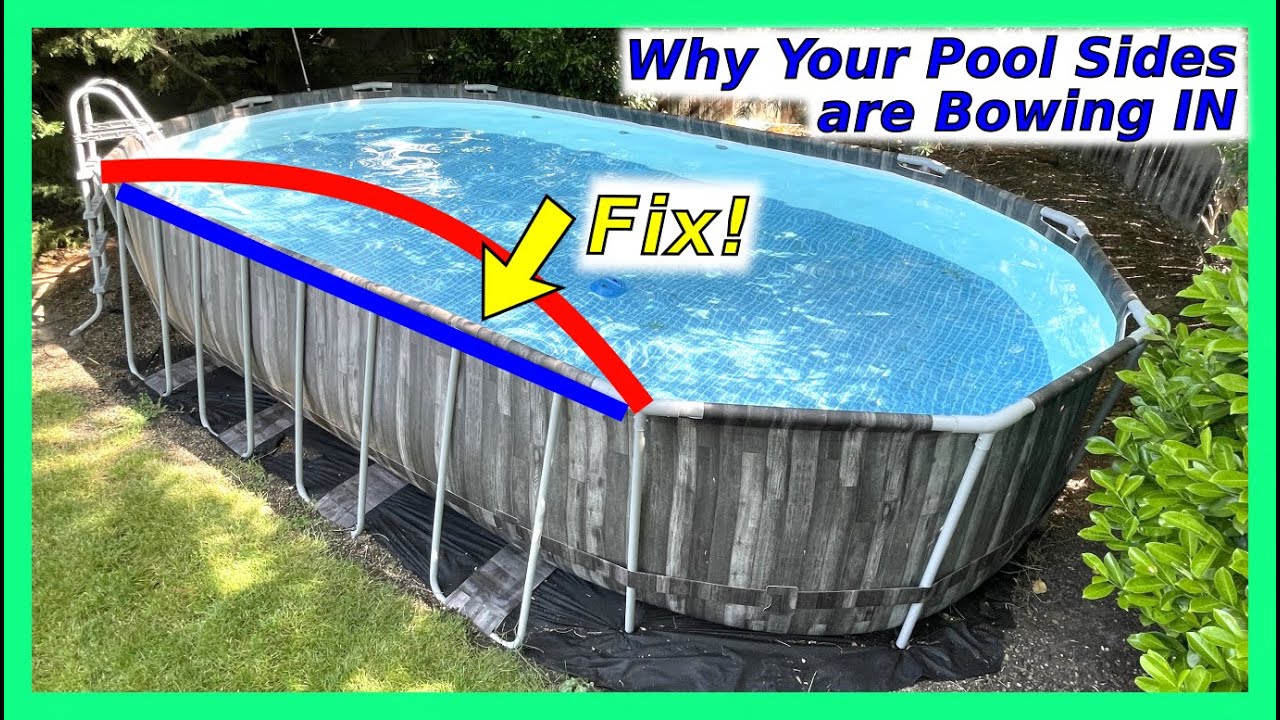
If you own an above ground pool, you know how important it is to keep every part in good shape. But sometimes, the pool legs start leaning inward. This problem can seem small at first, but it often leads to bigger issues. Your pool might lose its shape, become unsafe, or even collapse if you ignore it. Many pool owners, especially those new to maintaining pools, don’t realize how serious this issue can be. Understanding why legs lean inward and what to do about it is key to keeping your pool safe and lasting for years.
Let’s look closely at what causes above ground pool legs to lean inward, how to fix it, and how to prevent it in the future. Whether you’re a beginner or have some experience, you’ll find practical advice and expert tips in this guide.
Why Do Above Ground Pool Legs Lean Inward?
The legs of an above ground pool are designed to hold the weight of the water and keep the pool stable. When they lean inward, it’s a sign that something isn’t right. Here are the main reasons why this happens:
1. Weak Or Uneven Ground
Pools need to sit on strong, level ground. If the ground is soft or uneven, the legs can sink or tilt. Rain, erosion, or poor installation often causes the soil to shift. When a leg sinks, it no longer supports the pool properly and starts to lean inward.
2. Improper Installation
If the pool was not set up correctly, the legs may not be straight. Sometimes, people rush the installation or skip important steps. For example, they might not use a level to check the ground or place the base plates correctly. Small mistakes here can lead to big problems later.
3. Water Pressure And Weight
An above ground pool holds thousands of gallons of water. This water pushes outwards on the walls and legs. If the pool isn’t filled evenly or if the water level is too high, the pressure can force the legs inward.
Sometimes, the pool frame isn’t strong enough to handle the weight.
4. Old Or Damaged Parts
Over time, the metal legs and connectors can rust, bend, or break. If a leg is damaged, it won’t hold its shape. Corrosion is especially common in pools that aren’t maintained well or are exposed to harsh weather.
5. Poor Base Support
Most pools use base plates or footings under each leg. If these supports crack, move, or are missing, the leg will not stay upright. This problem is easy to miss during installation but can cause leaning legs later.
6. Incorrect Pool Size Or Shape
If you put up a pool that’s too big for the area or use the wrong shape, it can stress the frame. For example, a round pool on uneven ground can cause legs to lean inward at certain points. Always match the pool size and shape to your yard and foundation.
7. Seasonal Changes
Weather can affect your pool’s stability. Freezing and thawing in winter, heavy rains in spring, or hot summers can shift the soil. When the ground moves, the legs sometimes tilt inward.
8. Shifting Pool Liner
If the liner inside your pool shifts or wrinkles, it can change how the pressure pushes on the legs. This can sometimes make the legs lean inward, especially if the liner is not installed correctly.
9. Poor Pool Maintenance
Not cleaning your pool, checking the legs, or fixing small problems quickly can make things worse. Many beginners forget to inspect the legs regularly, leading to unnoticed inward leaning.
Signs Your Pool Legs Are Leaning Inward
Spotting the problem early can save you from costly repairs or accidents. Here are some warning signs to watch for:
- Visible tilt: Legs look crooked or are not in a straight line
- Gaps: Space appears between the leg and the ground or base plate
- Wobbly pool walls: The sides of the pool feel loose or unstable
- Uneven water line: Water is higher on one side
- Cracks in base plates: Plates under the legs show damage
- Rust or corrosion: Metal parts look rusty, which weakens them
- Noise: Creaking or popping sounds when you move around the pool
Regularly checking these signs can help you catch problems before they get worse.
How Dangerous Is Leaning Pool Legs?
Many people don’t realize how serious this problem can be. If the legs continue to lean inward, the pool may:
- Collapse: The frame can buckle, causing the pool to fall apart suddenly.
- Leak: The liner can tear, leading to water escaping and flooding your yard.
- Injury: Anyone near the pool can get hurt if it collapses.
- Property damage: Water can damage your lawn, patio, or even your home.
Pools are heavy. For example, a 15-foot above ground pool holds about 5,000 gallons of water. That’s over 18,900 liters, weighing nearly 19 tons! If the legs fail, all that water can rush out at once.
Common Types Of Above Ground Pools And Their Leg Designs
Different pools have different leg designs. Understanding your pool type helps you know how to fix and prevent leaning legs.
Steel Frame Pools
These pools use metal tubes for the legs and frame. They’re strong but can rust over time. If one tube bends or rusts, the legs may lean inward.
Resin Frame Pools
Resin pools use plastic parts instead of metal. They’re lighter and resist corrosion. However, resin can crack or warp in hot weather, causing leaning.
Inflatable Pools
These pools have no real legs, but some models use small supports. If the supports shift, the pool can lean or lose shape.
Hybrid Pools
Some pools use both steel and resin. These offer strength and weather resistance, but you must check both parts for damage.
Here’s a comparison of typical pool leg designs:
| Pool Type | Leg Material | Common Issues |
|---|---|---|
| Steel Frame | Galvanized Steel | Rust, bending |
| Resin Frame | Heavy-duty Plastic | Cracking, warping |
| Inflatable | Vinyl/Plastic | Shifting, deflation |
| Hybrid | Steel & Resin | Corrosion, breakage |

Credit: www.reddit.com
Diagnosing The Cause Of Leaning Legs
Finding out why your pool legs are leaning inward is the first step to fixing the problem. Here’s how to diagnose the issue:
Visual Inspection
Walk around the pool and look at each leg. Check for:
- Bent or crooked legs
- Cracks in base plates
- Rust or corrosion
- Loose connectors
Check The Ground
Use a level to see if the ground is flat. Look for soft spots, dips, or areas where water collects. These can cause legs to sink.
Examine The Pool Walls
Push gently on the pool walls. If they move easily or make noise, the legs may be weak.
Inspect The Liner
Look for wrinkles or shifts in the pool liner. If the liner moves, it can change the pressure on the legs.
Review Installation Steps
If you installed the pool yourself, check the manual. Did you skip any steps? Did you use the correct base plates and supports?
Measure Water Level
Use a tape measure to check if the water is the same height all around the pool. Uneven water means uneven pressure.
How To Fix Leaning Legs On Above Ground Pools
Fixing leaning legs depends on the cause. Here are practical steps to solve the problem:
1. Drain Some Water
If the pool is full, drain enough water to reduce the pressure. Never try to fix legs with the pool full, as the weight can make things worse.
2. Re-level The Ground
If the ground is uneven, you need to fix it. Remove the leg, dig out soft soil, and add compacted sand or gravel. Use a level to make sure the spot is flat. Put the leg back in place.
3. Replace Damaged Parts
If legs or base plates are bent, cracked, or rusty, replace them with new parts. Always use parts from the same manufacturer for the best fit.
4. Add Extra Support
Sometimes, adding concrete pads or wooden blocks under the legs can help. Make sure these supports are strong and level.
5. Check Connectors
Make sure all connectors and bolts are tight. Loose parts can make legs lean inward. Use a wrench to tighten them.
6. Fix Pool Liner
If the liner has shifted, drain the pool until you can move it back into place. Smooth out wrinkles and make sure it’s evenly spread.
7. Adjust Water Level
Keep the water level within the recommended range. Too much water can stress the frame.
8. Professional Help
If the pool is very large or the problem is serious, hire a pool professional. They can fix structural issues safely.
Preventing Above Ground Pool Legs From Leaning Inward
Prevention is always better than repair. Here are ways to keep your pool legs straight:
Choose The Right Site
Pick a spot with firm, level ground. Avoid areas with loose soil, slopes, or lots of water. Test the ground by digging. If it’s soft, add sand or gravel to strengthen it.
Use Proper Base Plates
Always use the base plates provided with your pool. Don’t substitute with random materials. Good base plates spread the weight and keep legs upright.
Install Carefully
Follow the installation manual step by step. Use a level to check each leg. Don’t rush. Small mistakes during setup can lead to leaning legs later.
Check Regularly
Inspect the pool legs at least once a month. Look for signs of leaning, rust, or cracks. Fix small issues quickly to avoid big problems.
Protect From Weather
If you live in a place with lots of rain or snow, add extra support under the legs. Cover the pool in winter to protect it from freezing and thawing.
Maintain Pool Parts
Clean metal parts to prevent rust. Use anti-corrosion spray if needed. For resin parts, check for cracks and replace as needed.
Balance Water Level
Never fill the pool above the recommended level. This keeps the pressure balanced and protects the frame.
Avoid Heavy Impacts
Don’t allow people to jump or push on the pool walls. This can stress the legs and make them lean inward.
Real-life Examples And Data
Many pool owners face this issue. Let’s look at some real cases:
- Case 1: A family in Florida noticed their pool legs leaning inward after heavy rain. The soil under the legs became soft, causing the legs to sink. They fixed the issue by adding gravel and re-leveling the ground.
- Case 2: In Texas, a homeowner’s steel frame pool started leaning inward after five years. The legs were rusty and cracked. They replaced the damaged parts and added concrete pads.
- Case 3: In Canada, freezing and thawing caused the ground to shift. The pool legs leaned inward. The owner fixed the issue by installing new base plates and covering the pool in winter.
Statistics show that about 30% of above ground pools will have leg problems at some point. Most issues are caused by poor installation or weak ground. Regular checks and proper installation cut this risk by more than half.
Here’s a data table comparing the main causes of leaning legs and their frequency:
| Cause | Frequency (%) | Repair Difficulty |
|---|---|---|
| Weak ground | 35% | Medium |
| Poor installation | 30% | High |
| Damaged parts | 20% | Low |
| Water pressure | 10% | Medium |
| Seasonal changes | 5% | Medium |
Common Mistakes When Dealing With Leaning Pool Legs
Many beginners make mistakes when trying to fix or prevent this problem. Here are some to avoid:
- Ignoring small tilts: Even a slight lean can become a big problem.
- Using wrong supports: Don’t use bricks or stones that can crack under pressure.
- Skipping regular checks: If you don’t inspect the legs, you’ll miss early signs.
- Overfilling the pool: Too much water adds extra stress.
- Not replacing damaged parts: Old, rusty legs won’t get better.
- Rushing installation: Take your time to ensure every leg is level and secure.
Expert Tips For Long-term Pool Stability
For pools to last many years, follow these expert tips:
- Compact the ground: Use a plate compactor before installation.
- Add landscape fabric: This helps prevent erosion under the pool.
- Check after storms: Inspect legs after heavy rain or wind.
- Upgrade supports: Use commercial-grade base plates if your soil is weak.
- Record maintenance: Keep a log of repairs and inspections.
Here’s a comparison of different support materials:
| Support Material | Strength | Cost | Best for |
|---|---|---|---|
| Concrete pad | High | Medium | Weak soil |
| Compacted sand | Medium | Low | Level ground |
| Wood block | Medium | Low | Quick fixes |
| Commercial base plate | High | High | Permanent pools |
Credit: www.youtube.com
Non-obvious Insights Beginners Often Miss
- Soil Type Matters: Sandy or clay soil is more likely to shift than rocky soil. Test your soil before installing a pool.
- Check After Filling: Sometimes, legs look fine until you fill the pool. Always inspect legs after adding water.
- Temperature Changes: Hot and cold weather can expand or contract pool parts, affecting stability.
When To Call A Professional
If you notice severe leaning, large cracks, or feel unsafe, call a pool expert. Professionals have tools and experience to fix deep issues. Trying to fix major problems yourself can risk injury or damage.

Credit: www.reddit.com
Maintenance Schedule For Pool Owners
A simple maintenance schedule can help prevent leaning legs:
- Monthly: Inspect legs and base plates for tilting, cracks, or rust.
- Quarterly: Check ground level and soil firmness.
- Annually: Replace any damaged parts, re-compact soil if needed, and check water balance.
Where To Find Replacement Parts And Help
For replacement legs, base plates, or connectors, check your pool manufacturer’s website or local pool stores. Many brands offer specific parts for their models. For more information about pool safety and maintenance, see Pool Safety Guide.
Frequently Asked Questions
What Causes Above Ground Pool Legs To Lean Inward?
The most common causes are weak ground, improper installation, water pressure, damaged parts, and seasonal changes. Always check your pool legs regularly for signs of leaning.
Is It Safe To Use A Pool With Legs Leaning Inward?
No, it’s not safe. Leaning legs can lead to collapse, leaks, and injury. Drain the pool and fix the problem before using it again.
How Do I Fix A Leaning Pool Leg?
Start by draining some water, then check the ground under the leg. Re-level with sand or gravel, replace damaged parts, and make sure the leg is straight and secure.
Can Weather Cause Pool Legs To Lean Inward?
Yes. Rain, freezing, and thawing can shift the soil under the pool, making legs lean inward. Protect your pool in bad weather and check after storms.
How Often Should I Check My Pool Legs?
Check at least once a month. Inspect after storms or heavy use. Regular checks help catch problems early and keep your pool safe.
Keeping your above ground pool stable is not just about fun—it’s about safety and lasting value. By understanding the causes, signs, and solutions for leaning legs, you can enjoy your pool for many seasons. Regular maintenance, careful installation, and quick repairs are the keys to a worry-free pool experience.
If you follow the advice in this guide, you’ll avoid common mistakes and keep your pool in top shape.