
A pool heater is a luxury many pool owners appreciate, especially when the temperature drops. Among the most trusted brands is Rheem, known for its reliable and efficient pool heaters. However, like any mechanical device, Rheem pool heaters can face issues. One of the most common—and confusing—problems is the ignition failure with no pilot sensed. If your heater displays this error, your pool may stay cold longer than you want. Understanding why this happens, and how to fix it, is key to enjoying warm swims without long delays or expensive service calls.
If you’re facing this issue, you may notice the heater won’t start, and your control panel or display shows an error code related to ignition or pilot sensing. This can be worrying, but the good news is many causes are straightforward and can be fixed with some guidance. Whether you’re a pool owner, technician, or simply curious, this guide will walk you through everything you need to know about the Rheem pool heater ignition failure—no pilot sensed error, from basic explanations to in-depth troubleshooting and prevention.
What Does “no Pilot Sensed” Mean?
Before diving into solutions, it helps to know what the error means. In simple terms, no pilot sensed means the heater is not detecting a flame in the pilot assembly. The pilot light is a small, continuous flame that ignites the main burner when the heater turns on. If the system cannot “sense” this flame, it will stop operating for safety reasons.
This error usually points to a problem with the ignition system or flame sensing components. Sometimes, the pilot light fails to ignite at all. Other times, the pilot is lit, but the sensor does not detect it. Understanding which part is at fault is the first step to solving the problem.
How A Rheem Pool Heater Ignition System Works
To troubleshoot effectively, you need a basic understanding of how the heater’s ignition system functions. Here’s a simplified breakdown:
- Call for Heat: When the pool thermostat is set above the water temperature, the heater gets a signal to start.
- Pre-Purge: The blower or fan starts to clear out any gas fumes from the combustion chamber.
- Ignition Sequence: The control board sends power to the igniter or spark electrode.
- Pilot Ignition: The pilot valve opens, allowing gas to flow to the pilot assembly. The igniter creates a spark to light the pilot flame.
- Flame Sensing: A sensor (often called the flame sensor or flame rod) checks for the presence of a flame.
- Main Burner: If a flame is detected, the main gas valve opens and the burners light.
- Operation: The heater continues running until the desired temperature is reached.
If any step fails—especially ignition or flame sensing—the system shuts down and displays an error code.
Common Symptoms Of Ignition Failure
When your Rheem pool heater faces an ignition failure or no pilot sensed error, you may notice:
- The heater tries to start but shuts off quickly.
- Repeated clicking or sparking sounds.
- Error codes like “Ignition Failure” or “No Pilot Sensed” on the display.
- No heat produced, even after several tries.
- The blower runs, but no flames are visible in the combustion chamber.
If you notice any of these symptoms, it’s time to investigate further.
Major Causes Of Ignition Failure And No Pilot Sensed
There are several reasons why a Rheem pool heater might not sense the pilot flame. Some are simple, others require more technical skill to fix. Here are the main causes:
1. Dirty Or Faulty Flame Sensor
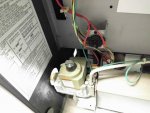
The flame sensor is a small metal rod located near the pilot assembly. Its job is to detect the pilot flame by measuring electrical current (microamps) generated when a flame is present. Over time, this sensor can get dirty or coated with carbon, blocking the signal.
- Solution: Remove the flame sensor and clean it gently with fine sandpaper or steel wool. If cleaning doesn’t work, replace the sensor.
2. Weak Or No Pilot Flame
If the pilot light is weak or won’t stay lit, the sensor won’t detect it. This can be caused by:
- Low gas pressure
- Blocked pilot orifice
- Faulty gas valve
- Solution: Check for visible flame. If it’s small or absent, clean the pilot orifice using compressed air. Ensure the gas supply valve is fully open. If the problem continues, the gas valve may need replacement.
3. Igniter Malfunction
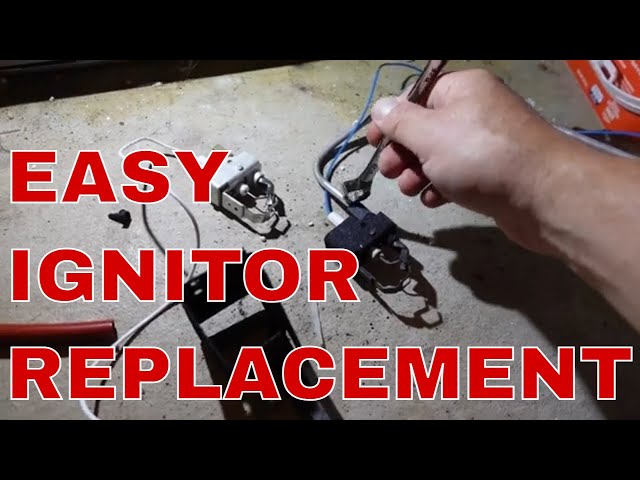
Some Rheem models use a spark igniter. If this part is faulty, the pilot won’t ignite at all.
- Solution: Inspect the igniter for cracks or damage. Make sure the spark gap is correct (usually 1/8 inch). If the igniter doesn’t spark, replace it.
4. Control Board Problems
The control board manages all ignition functions. If it fails, the system may not send the right signals for ignition or sensing.
- Solution: If other parts seem fine, but the heater still won’t light, the control board may be defective. This is a more advanced repair and may need a professional.
5. Loose Or Corroded Wiring
Wires and connectors can become loose, corroded, or damaged by moisture and age.
- Solution: Inspect all wiring from the control board to the igniter, flame sensor, and pilot assembly. Clean or replace corroded connectors and ensure all wires are tight.
6. Airflow Or Ventilation Issues
Blocked vents or dirty filters can prevent the heater from operating safely, affecting the ignition sequence.
- Solution: Check for obstructions around the heater’s intake and exhaust vents. Clean any debris and replace air filters if needed.
7. Gas Supply Problems
No gas, low pressure, or a closed valve can prevent the pilot from lighting.
- Solution: Confirm that the gas supply is on and pressure is correct. Consult your gas provider if in doubt.
8. Faulty Pressure Switch
The pressure switch ensures there is enough water flow before ignition. If it fails, ignition will not start.
- Solution: Make sure the pool pump is running and water is circulating. Clean or replace the pressure switch if needed.
9. Tripped Safety Switches
Pool heaters have safety switches (like high-limit switches) that stop operation if unsafe conditions are detected.
- Solution: Reset any tripped switches and check for the cause (overheating, low water flow, etc. ).

Credit: www.reddit.com
Comparing Key Components: Symptoms And Solutions
To help you quickly identify issues, here’s a comparison of common faulty parts, their symptoms, and recommended solutions.
| Component | Failure Symptom | Solution |
|---|---|---|
| Flame Sensor | No flame detected, error code, heater shuts off | Clean or replace sensor |
| Pilot Assembly | Pilot light won’t stay lit or is weak | Clean or replace pilot orifice, check gas pressure |
| Spark Igniter | No sparking, no pilot ignition | Adjust or replace igniter |
| Control Board | No response, random shutdowns | Replace control board |
| Wiring/Connectors | Intermittent failure, corrosion visible | Tighten, clean, or replace wiring |
Step-by-step Troubleshooting Guide
Fixing a Rheem pool heater ignition failure with no pilot sensed is possible for many pool owners with basic tools and safety awareness. Here’s a practical step-by-step guide:
1. Ensure Safety First
- Turn off power to the heater at the breaker.
- Shut off the gas supply.
- Allow the heater to cool before touching any parts.
2. Check The Error Code
Look at the control panel. Write down the displayed error code. This will help you focus your troubleshooting.
3. Inspect The Flame Sensor
- Locate the flame sensor near the pilot assembly.
- Remove it using a screwdriver.
- Clean the metal rod with fine sandpaper to remove any buildup.
- Reinstall and try starting the heater.
4. Observe The Pilot Flame
- Turn on the heater and watch the pilot assembly.
- If no flame appears, check the gas valve and ensure it’s open.
- Clean the pilot orifice if dirty.
5. Test The Igniter
- Listen for the clicking sound when the heater tries to start.
- If no spark is present, inspect the igniter for damage.
- Adjust the spark gap if necessary.
- Replace the igniter if faulty.
6. Check Gas Supply
- Verify that the gas supply valve is fully open.
- If you suspect low pressure, contact your gas provider.
- Ensure there are no leaks in the gas line.
7. Inspect Wiring And Connections
- Look for loose, frayed, or corroded wires.
- Tighten connections and clean off corrosion.
- Replace damaged wires as needed.
8. Examine Safety Switches
- Make sure the pool pump is running and water is circulating.
- Check the pressure switch for proper operation.
- Reset any tripped safety switches.
9. Test The Control Board
- If all components seem functional but the heater still fails, the control board may be bad.
- This repair is complex and often best left to a professional technician.
10. Restart And Test
- Restore power and gas.
- Start the heater and observe if the error returns.
- If the problem is fixed, monitor the heater for consistent operation.
If the issue continues after these steps, it may be time to call a qualified pool heater technician.
Preventing Future Ignition Failures
Many ignition problems can be avoided with regular care. Here are simple steps for preventing “no pilot sensed” errors:
- Clean the Flame Sensor: At least once a season, remove and clean the flame sensor.
- Inspect the Pilot Assembly: Look for dirt or spider webs in the pilot orifice and clean it as needed.
- Check Wiring: Periodically inspect all wires and connectors for corrosion or looseness.
- Keep the Area Clean: Remove leaves, dust, and debris from around the heater.
- Test Safety Switches: Make sure water flow is strong and all switches function properly.
- Schedule Annual Service: Have a qualified technician inspect and service the heater yearly.
Regular maintenance not only prevents ignition failures but also extends the life of your Rheem pool heater.
When To Call A Professional
While many issues can be handled by careful homeowners, some situations require expert help:
- You smell gas or suspect a leak.
- The heater shows repeated error codes after basic troubleshooting.
- Electrical repairs are needed.
- You’re unsure about any step or feel unsafe.
Professional technicians have the right tools and knowledge. Sometimes, a small investment in service can save money and prevent damage.
Credit: www.troublefreepool.com
Real-world Example: Resolving A “no Pilot Sensed” Error
Let’s look at a real situation. A homeowner noticed their Rheem pool heater displayed an “Ignition Failure—No Pilot Sensed” error. They followed these steps:
- Turned off the heater and power.
- Removed the flame sensor and cleaned it with sandpaper.
- Cleaned the pilot orifice with compressed air (found a spider web).
- Checked wiring for corrosion—found a loose connector and tightened it.
- Restarted the heater, and it worked perfectly.
This simple maintenance fixed the issue without expensive repairs. In many cases, a dirty sensor or minor blockage is all that stands between you and a warm pool.
Data: Frequency Of Common Causes
Understanding how often each cause leads to ignition failure can help you prioritize your troubleshooting. Here’s a breakdown based on service reports.
| Cause | Percentage of Cases |
|---|---|
| Dirty Flame Sensor | 40% |
| Pilot Assembly Issues | 25% |
| Igniter Problems | 15% |
| Wiring/Connectors | 10% |
| Control Board Failure | 10% |
This shows that cleaning the flame sensor is the single most effective first step for most ignition failures.
Key Differences: Rheem Pool Heaters Vs. Other Brands
Not all pool heaters use the same ignition systems. Here’s a quick look at how Rheem compares to other leading brands.
| Brand | Ignition Type | Common Ignition Issue | Typical Maintenance |
|---|---|---|---|
| Rheem | Spark Ignition | No pilot sensed, dirty flame sensor | Sensor cleaning, pilot cleaning |
| Pentair | Hot Surface Ignition | Igniter failure, wiring issues | Igniter replacement |
| Hayward | Intermittent Pilot | Pilot assembly clogging | Pilot and orifice cleaning |
Rheem heaters stand out for their easy-to-service ignition system, making them a popular choice for DIY maintenance.
Two Insights Most Beginners Miss
- Sensor Cleaning Is Not One-Time: Many pool owners think cleaning the flame sensor once is enough. In reality, sensors can get dirty multiple times per season, especially in dusty or humid environments.
- Tiny Blockages Cause Big Problems: Even a small spider web or dust inside the pilot orifice can block gas flow and stop ignition. Checking for tiny obstructions is often overlooked but critical.
Tips For Safe And Effective Diy Repairs
- Always shut off power and gas before repairs.
- Take photos of wiring before disconnecting anything.
- Use the correct tools—never force parts into place.
- Replace parts with exact matches to your heater model.
- If in doubt, seek professional help. Safety should always come first.
Helpful Resources
If you want more technical details or parts diagrams for your specific model, the official Rheem website provides manuals and troubleshooting guides.
Credit: www.youtube.com
Frequently Asked Questions
What Does “no Pilot Sensed” Mean On My Rheem Pool Heater?
It means the heater cannot detect the pilot flame during startup. This usually stops the system from working for safety reasons.
How Do I Clean The Flame Sensor On My Rheem Heater?
Turn off power and gas. Remove the sensor using a screwdriver, clean the metal rod with fine sandpaper, and reinstall it.
Why Does My Heater Keep Showing The Same Ignition Failure Error After Cleaning?
Other issues, like a blocked pilot orifice, faulty igniter, or bad wiring, may be causing the problem. Try checking each part or contact a professional.
Can Low Water Flow Cause Ignition Failure?
Yes. If the pressure switch detects low water flow, it will prevent ignition. Make sure your pool pump is running and filters are clean.
Is It Safe To Repair My Rheem Pool Heater Myself?
Basic cleaning and inspection are usually safe if you follow safety steps. For gas leaks, electrical issues, or if you feel unsure, always hire a professional.
Keeping your pool heater running smoothly is possible with some basic knowledge and regular care. Understanding the ignition failure—no pilot sensed issue helps you fix problems faster and enjoy a warm, inviting pool all year round.