
When the swimming season arrives, a reliable pool heater is a must for many homeowners and facility managers. But even the best heaters can develop problems, and one of the most puzzling is when you see an error or issue related to the rollout switch being open. If you’ve ever encountered a “rollout switch open” warning on your pool heater, you know it can halt all your plans for a warm swim. Understanding this small but vital safety device is key to keeping your pool heater running safely and efficiently.
In this guide, you’ll learn what a rollout switch is, how it works, why it trips, and what steps you should take if your pool heater won’t run because of it. We’ll cover typical causes, troubleshooting, safety advice, and even expert tips for long-term maintenance. Whether you’re a pool owner, technician, or just curious, you’ll get practical knowledge without confusing jargon.
What Is A Rollout Switch In A Pool Heater?
The rollout switch is a small but critical safety device inside many gas pool heaters. Its job is simple but essential: it detects when flames or hot gases are rolling out of the combustion chamber, where they shouldn’t be. If the switch senses dangerous heat where it shouldn’t be, it immediately shuts down the heater to prevent fires or damage.
Most rollout switches are small discs or buttons with two wires. They’re mounted near the burner area, close to where the flames burn. When the temperature at this spot gets too high (usually above a safe limit), the switch “opens” the circuit.
This cuts power to the gas valve or control board and stops the heater.
Why Is The Rollout Switch Important?
Flame rollout is a sign of a serious problem. Normally, flames and hot gases should travel safely through the heat exchanger and out the exhaust. If something blocks the path, hot gases can back up and escape into the heater cabinet or even the room.
This is dangerous and can cause fires, equipment damage, or carbon monoxide leaks.
By shutting off the heater at the first sign of trouble, the rollout switch prevents much larger disasters. In many areas, this safety device is required by building codes for gas appliances.
How The Rollout Switch Works
Inside the rollout switch is a temperature-sensitive element. When the surrounding air is cool, the switch stays closed, allowing electrical current to flow. If abnormal heat is detected—like hot gases escaping—the element bends or expands, breaking the circuit. The heater’s control board sees this “open” signal and immediately shuts everything down.
Most rollout switches are “manual reset” types. This means after they trip, you must press a small button to reset them, but only after the problem is fixed. Some newer models are “one-shot”—once they trip, the switch must be replaced.
Common Signs Of A Rollout Switch Open In Pool Heaters
Understanding the typical symptoms can help you diagnose the problem quickly:
- Heater Will Not Start: The most obvious sign. The control panel might show an error code or warning light related to the rollout switch.
- Error Codes: Many digital pool heaters display codes like “ROL”, “ROLL”, or “SW OPEN”—all signaling a rollout switch issue.
- No Ignition Sound: The heater may not even attempt to ignite, as the safety circuit is open.
- Manual Reset Button Popped: On some switches, you’ll see a small button sticking out, which means the switch has tripped.
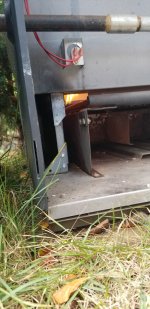
- Burning Smell or Soot: If you smell burning or see black soot near the burner area, it’s a sign of flame rollout.
- Repeated Shutdowns: If the heater starts but then shuts down quickly, the rollout switch could be protecting against a dangerous situation.
These symptoms often overlap with other heater problems, so careful troubleshooting is important.
Credit: www.troublefreepool.com
Why Does The Rollout Switch Trip?
A rollout switch only trips for a reason. Here are the most common causes:
1. Blocked Heat Exchanger
Dirt, leaves, spider webs, or soot can clog the heater’s internal passages. When this happens, hot gases can’t escape and are forced back toward the burner area, tripping the switch.
2. Obstructed Flue Or Vent
The exhaust vent or chimney might be blocked by birds’ nests, debris, or even snow. This blocks the escape route for combustion gases, causing dangerous heat buildup.
3. Damaged Or Misaligned Burner
If burners are dirty, rusty, or not seated correctly, flames can roll out sideways instead of going into the heat exchanger.
4. Low Gas Pressure Or Wrong Fuel Type
Incorrect gas supply can create weak or unstable flames, which may not burn cleanly and can “roll out” of the chamber.
5. Cracked Heat Exchanger
A crack allows hot gases to escape where they shouldn’t, causing high temperatures near the rollout switch.
6. Improper Heater Installation
If the heater is installed too close to a wall, under a low roof, or without proper ventilation, heat and gases can’t escape correctly.
7. Wind Or Draft Problems
Strong winds can blow flames out of the combustion chamber, especially in outdoor installations.
One insight many beginners miss: the rollout switch is not the problem—it’s a symptom. Replacing or resetting it won’t fix the root cause. You must find out what made it trip.
Step-by-step Troubleshooting For A Rollout Switch Open Pool Heater
If your pool heater won’t run and you suspect a rollout switch issue, follow these steps. Always think safety first; if you’re not comfortable or something looks unsafe, call a qualified technician.
1. Turn Off Power And Gas
Before opening the heater, shut off electrical power and the gas supply. This prevents accidents while you inspect the unit.
2. Locate The Rollout Switch
Open the heater’s front panel. The rollout switch is usually near the burners, often a round or rectangular device with two wires and sometimes a small red reset button.
3. Check The Manual Reset
If your switch has a reset button, press it gently. If it clicks, it was tripped. But remember: don’t reset it until you’ve checked for the cause.
4. Inspect For Visible Blockages
Look for leaves, debris, nests, or soot around the burner area, heat exchanger, and vent. Remove any obstructions you find.
5. Examine Burner Flames
With the panel off (and after re-enabling power/gas), observe the burner flames. They should be blue and steady. Yellow, flickering, or “lifting” flames indicate poor combustion.
6. Check The Flue And Vent
Go outside and inspect the exhaust vent for obstructions or damage. Clear any blockages you find.
7. Test The Rollout Switch
With power OFF, disconnect one wire from the switch and use a multimeter set to continuity or ohms. A working switch should show continuity (a closed circuit) when cool. If it’s open and won’t reset, replace it.
8. Look For Soot Or Heat Damage
Soot stains, melted wire insulation, or scorched components near the burner are signs of flame rollout or overheating.
9. Check For Proper Airflow
Make sure the area around the heater is clear. Remove any objects that could block air intake or exhaust.
10. Call A Professional If Needed
If you find cracks in the heat exchanger, persistent tripping, or anything you can’t safely fix, call a qualified pool heater technician.
Rollout Switch Vs. Other Safety Devices
Pool heaters use several safety switches. Here’s how the rollout switch compares with others:
| Switch Name | Function | Common Cause for Tripping |
|---|---|---|
| Rollout Switch | Detects flame or heat escaping burner area | Blocked exchanger, obstructed vent, cracked exchanger |
| High Limit Switch | Monitors water temperature | Low water flow, thermostat failure |
| Pressure Switch | Checks for water flow | Pump off, clogged filter |
| Flame Sensor | Detects burner flame presence | Dirty sensor, failed ignition |
The rollout switch is unique because it directly protects against fire and heat damage, while others focus on water flow or temperature.
How To Replace A Rollout Switch In A Pool Heater
If you’ve confirmed the rollout switch is faulty (open circuit and won’t reset), it must be replaced. Here’s how, but always check your heater’s manual for specific steps:
- Turn Off All Power and Gas: Safety first.
- Remove the Heater Panel: Use a screwdriver to open the front or side panel.
- Disconnect Wires from the Old Switch: Note their position or take a photo for reference.
- Unscrew the Old Switch: Most are held by two screws.
- Install the New Rollout Switch: Attach it in the same location and connect the wires.
- Replace the Panel and Restore Power/Gas: Turn everything back on and test the heater.
Never bypass the rollout switch or use a non-approved part. This can cause fires and void warranties.

Credit: www.youtube.com
Maintenance Tips To Prevent Rollout Switch Problems
A rollout switch is a safety device, not a maintenance item. But you can reduce the chance of it tripping by keeping your heater in good condition:
- Clean the Heat Exchanger annually or as recommended. Remove soot or debris.
- Check the Vent and Flue for blockages each season.
- Inspect Burner Flames at least once a year.
- Keep the Heater Area Clear of leaves, grass, and pool chemicals.
- Schedule Professional Maintenance if you’re unsure about any step.
One pro tip: use a small mirror and flashlight to check the heat exchanger’s interior for soot or blockages—something beginners often overlook.
Real-world Example: Diagnosing A Rollout Switch Trip
Imagine a pool heater that runs for a few minutes, then shuts down with a “ROLL” error. The owner resets the rollout switch, but the problem returns. After opening the heater, they find a bird’s nest blocking the vent pipe.
Once removed and the switch reset, the heater runs normally.
This example shows that the rollout switch is doing its job—protecting against blocked vents and fire risk. Replacing the switch alone would not solve the real danger.
How Long Do Rollout Switches Last?
A rollout switch can last for many years if not exposed to frequent overheating. But if it trips often, it may fail sooner. Most switches are inexpensive and easy to replace, but constant tripping means a bigger problem with your heater.
Manufacturers recommend replacing the switch if it feels loose, shows signs of heat damage, or fails a continuity test.
The Danger Of Bypassing A Rollout Switch
Some people are tempted to bypass or “jump” a rollout switch if it keeps tripping. This is extremely dangerous and should never be done. Without this protection, your heater can catch fire or fill your pool area with deadly gases.
Bypassing safety switches is illegal in many places and can void your insurance. Always fix the underlying problem instead.
Pool Heater Brands And Rollout Switches
Most major pool heater brands use similar rollout switches, but details vary. Here’s a quick comparison:
| Brand | Switch Location | Reset Type |
|---|---|---|
| Hayward | Near burner tray | Manual reset |
| Pentair | Side of burner box | Manual or one-shot |
| Raypak | Front burner area | Manual reset |
| Jandy | Near heat exchanger | Manual reset |
Always use the correct part for your model and check the manual for details.
When To Call A Professional
While some rollout switch issues are easy to fix (like clearing debris), others require expert skills. Call a licensed pool heater technician if you:
- Smell gas or see soot
- Find cracks in the heat exchanger
- Can’t find the cause of repeated tripping
- Are unsure about any repair step
Technicians have the tools to test for carbon monoxide, measure gas pressure, and safely repair your heater.
Cost Of Rollout Switch Replacement
A typical rollout switch costs between $15 and $40, depending on the brand and model. Labor costs can range from $80 to $200 if you hire a technician, depending on your location and the complexity of the job.
If the root cause is a blocked heat exchanger or cracked part, repairs can cost much more. It’s wise to address problems early before they cause more damage.
Rollout Switch Open In Pool Heater: Myths And Misunderstandings
Let’s clear up some common myths:
- Myth: “Resetting the switch fixes the problem.”
- Fact: Resetting only allows the heater to run again. It doesn’t fix the cause of the rollout.
- Myth: “You can bypass the switch if it trips too often.”
- Fact: This is extremely dangerous and can lead to fire or carbon monoxide poisoning.
- Myth: “Rollout switches fail randomly.”
- Fact: Switches trip for a reason—usually overheating or gas flow problems.
Understanding these facts can keep your pool heater running safely.
Advanced Troubleshooting: What If The Switch Keeps Tripping?
If you’ve replaced the rollout switch and it still trips, consider these advanced issues:
- Heat exchanger is partially blocked: Not always visible from outside. Disassembly may be needed.
- Gas pressure is incorrect: Needs a professional manometer to check.
- Vent design is wrong: Sometimes the vent is too small or has too many bends.
- Wind shields are missing: Outdoor heaters may need special shields to prevent wind from blowing into the burner area.
These are best handled by a qualified technician with experience in gas pool heaters.
Pool Heater Safety: Beyond The Rollout Switch
While the rollout switch is important, full safety also depends on:
- Regular maintenance: Have your heater checked at the start and end of each season.
- Proper installation: Make sure the heater has enough space and ventilation.
- Using the right parts: Always use approved switches and controls.
- Installing carbon monoxide detectors: Especially for indoor pool heaters.
Pool heater safety is a system, not just one part.

Credit: www.doheny.com
Regulatory Standards And Rollout Switches
Most countries require gas appliances to have safety devices like rollout switches. In the United States, standards are set by organizations like ANSI and the National Fire Protection Association. For more technical details on gas safety devices, visit the Flame Rollout Switch Wikipedia page.
Frequently Asked Questions
What Does “rollout Switch Open” Mean On My Pool Heater?
A “rollout switch open” warning means the safety switch has detected excessive heat near the burner area and shut down the heater. This is a sign of a serious problem, such as blocked exhaust, dirty burners, or a cracked heat exchanger.
Never ignore this warning—find and fix the cause before resetting the switch.
Is It Safe To Reset The Rollout Switch Myself?
You can reset the switch if your heater manual allows it, but only after checking for and fixing the reason it tripped. Never reset repeatedly without solving the underlying issue. If you’re unsure, call a professional.
How Do I Know If My Rollout Switch Is Bad?
Test the switch with a multimeter for continuity. If it stays “open” (no continuity) when cool and won’t reset, it’s faulty and must be replaced. Signs of heat damage or melted parts also mean replacement is needed.
Can I Bypass The Rollout Switch To Get My Heater Running?
No—never bypass or jump the rollout switch. This removes a critical safety feature and puts your property and life at risk. Always fix the real problem that caused the switch to trip.
How Can I Prevent Rollout Switch Problems In The Future?
Schedule regular maintenance, clean the heat exchanger and vent, keep the heater area clear, and have a professional check the unit each year. Address problems early to avoid costly repairs and keep your pool safe.
Enjoy a warm, safe swim by respecting your pool heater’s safety devices. The rollout switch may be small, but it does a big job in keeping you, your family, and your investment safe. A little attention now prevents big problems later.