
Using a wok can transform your home cooking, letting you enjoy authentic Asian stir-fries, smoky flavors, and even deep-fried dishes. But if you have a flat stove and a round-bottom wok, you might notice the wok is wobbly, or the heat isn’t quite right. This is where the wok ring comes in—a simple tool that makes a huge difference. If you’re new to wok cooking or want to improve your results, understanding how to use a wok ring correctly is essential. Let’s explore the practical details, common mistakes, and secrets that even many seasoned home cooks miss.
What Is A Wok Ring?
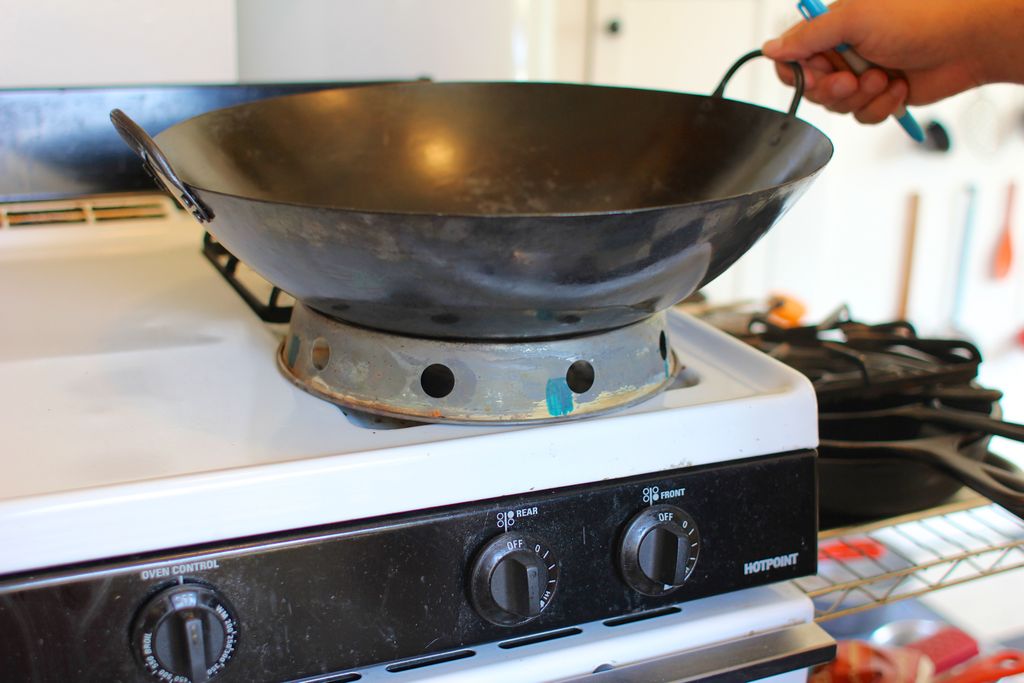
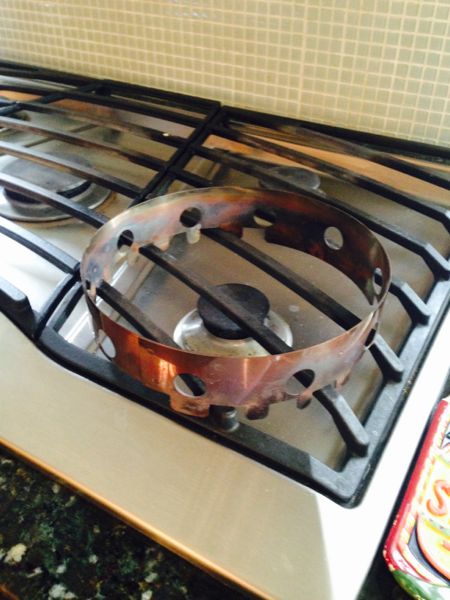
A wok ring is a round metal accessory designed to hold a wok steady on your stovetop. Most wok rings are made from stainless steel or carbon steel and have a circular shape. They come with openings or slits for airflow. The main purpose is to keep a round-bottom wok stable and close to the heat source. Wok rings can be used on gas stoves, sometimes on electric coil stoves, but rarely on flat glass cooktops.
There are two main types:
- Open slotted rings – These allow more airflow, helping flames reach the wok’s bottom.
- Solid rings – These limit airflow, concentrating heat in the center.
Some wok rings are adjustable, letting you use different sizes of woks. Choosing the right ring can affect your cooking results, so it’s not a decision to make casually.
A detail many don’t realize: the open design of slotted rings isn’t just about letting heat in—it also helps the wok “breathe.” This airflow keeps the flame steady and strong, which matters for both safety and flavor. Meanwhile, a solid ring creates a chimney effect, sending all the heat to the middle. This can be great for deep-frying but might burn food if you aren’t careful.
Why Use A Wok Ring?
Many home cooks think a wok ring is optional, but it solves several problems:
- Stability: A round-bottom wok will roll or tip on a flat stove, which is dangerous and inefficient. A wok ring holds it safely in place.
- Heat Focus: Wok rings help direct the heat to the lower part of the wok, which is key for proper stir-frying.
- Authentic Flavor: The intense, focused heat helps create wok hei, the unique smoky flavor found in restaurant stir-fries.
- Versatility: You can use a wok ring for deep-frying, steaming, and even smoking foods.
Insider tip: Many beginners miss that using a wok ring can reduce heat loss, but only if you choose the right ring and position it correctly.
Wok rings also help with safety. Without a ring, a round wok can suddenly shift, especially when tossing ingredients or stirring vigorously. This can spill hot oil or food, causing burns or kitchen accidents. With a ring, the wok stays firmly in place, letting you cook with more confidence and speed.
Another overlooked benefit: a wok ring can actually extend the life of your wok. When a wok is stable and evenly heated, the metal is less likely to warp or develop hot spots that cause uneven cooking or even cracks over time.
Credit: www.instructables.com
Choosing The Right Wok Ring
Not all wok rings are equal. The wrong ring can waste heat or make your wok unstable. Here’s how to select the best wok ring for your needs.
Match The Ring To Your Wok And Stove
- Wok size: The ring’s diameter should be just smaller than your wok’s base. This keeps the wok stable but lets heat surround it.
- Stove type: Gas stoves work best. Electric coil stoves can work with rings, but induction or flat glass stoves are not recommended.
- Material: Stainless steel is rust-resistant, but carbon steel conducts heat better. Consider durability and cleaning ease.
If your stove has large burners, you may want a slightly bigger ring to make sure the wok sits close to the flame. For small burners, a smaller ring can help focus the heat. Also, check if your stove grates are removable.
Some wok rings are designed to sit directly on the burner, while others fit best on top of the grate.
Height And Design
- Height: A taller ring lifts the wok further from the flame, which is good for deep-frying but not for high-heat stir-fries.
- Slotted vs. solid: Use a slotted ring for stir-frying—more flame and airflow. Solid is better for slow cooking or keeping food warm.
A common beginner mistake is to use a tall ring for all kinds of cooking. This can make stir-fries soggy because the wok doesn’t get hot enough. For classic Chinese stir-frying, a short ring (1. 5–2 inches high) is usually best.
For steaming or braising, a taller ring (2. 5–3 inches) is better.
Wok Ring Types Compared
| Feature | Slotted Ring | Solid Ring |
|---|---|---|
| Airflow | High | Low |
| Heat Focus | Good for stir-frying | Good for simmering |
| Best Use | Stir-fries, searing | Steaming, deep-frying |
| Stability | Moderate | Very Stable |
Common Mistakes When Choosing
- Picking a ring too tall: You lose heat intensity.
- Using a small ring with a large wok: The wok can tip.
- Ignoring material: Cheap rings can warp or rust quickly.
Non-obvious insight: If you use multiple wok sizes, consider an adjustable wok ring or buy two rings for flexibility.
One more tip: if you cook for a crowd and use a heavy, large wok, prioritize stability over airflow. A heavy wok full of food can tip a light or undersized ring. For lighter, quick stir-fries, airflow is more important.
How To Set Up A Wok Ring
Setting up your wok ring correctly is just as important as choosing the right one. Here are the steps:
- Clean the ring before first use. Wipe away any manufacturing oils or dust.
- Place the wok ring directly over the burner. If using a gas stove, remove the stove grate and set the ring on the burner.
- Position the wok ring so the widest part faces up. Some rings are tapered; the wide side goes up for a larger wok, down for a smaller one.
- Put your wok on the ring. It should sit snugly with no wobble.
- Test for stability. Gently shake the wok. If it rocks, adjust the ring or try a different size.
Practical tip: If you have a gas stove with removable grates, experiment with placing the ring above or below the grate. Above gives more heat, below offers more stability.
When setting up, check that the ring doesn’t block the burner’s flame sensors (some stoves have safety switches). If the flame goes out or the burner clicks, reposition the ring. A centered ring ensures the wok heats evenly.
If you plan to do heavy-duty cooking (like deep-frying or large batches), double-check the fit before heating oil. A loose wok can quickly become dangerous with hot oil. It’s worth taking a few extra seconds to ensure everything is secure.
An easy test: with the wok on the ring, push gently on the handle in each direction. If the wok slides or tilts easily, adjust the ring or try a different size. For very light woks, a bit of weight in the bottom (like water) can help you check stability before cooking.
Using A Wok Ring For Stir-frying
Stir-frying is the most common reason to use a wok ring. Here’s how to get the best results:
Preheat Properly
- Turn the burner on high.
- Let the wok heat for at least 2 minutes.
- Add oil and swirl to coat the bottom.
A preheated wok is essential for that signature sear and smoky flavor. If you add oil too early, it can burn or smoke before the wok is hot enough. Instead, heat the wok empty, then add oil just before cooking.
Add Ingredients In Batches
- Don’t crowd the wok; cook in small batches for even searing.
- Stir constantly to prevent burning.
A crowded wok drops the temperature, especially with a ring that lifts the wok from the flame. If you have a lot to cook, split it into two or three batches and combine at the end.
Use The Wok’s Shape
- Push cooked food up the sides where heat is lower.
- Sear new ingredients at the bottom where it’s hottest.
This “zone cooking” is a classic wok technique. The sides are cooler, so you can keep food warm without overcooking while you finish the rest.
Manage Heat
- If the food starts to burn, lower the flame.
- If there’s not enough sizzle, increase heat or reduce the batch size.
Advanced insight: Many cooks miss that the ring’s height changes how quickly you sear food. For quick stir-fries, use a short ring or a ring with large slots.
Another pro move: after cooking proteins (like chicken or beef), wipe the wok briefly before adding vegetables. This prevents burnt bits and keeps flavors clean. With a wok ring, the wok stays stable while you do this, making transitions easier.
A wok ring also helps with tossing food. With no risk of the wok sliding, you can use the classic “push and flip” motion that creates even browning.
Deep-frying With A Wok Ring
A wok is excellent for deep-frying because of its shape. The ring helps keep the wok stable and the oil at the right temperature.
How To Deep-fry Safely
- Fill the wok with oil, but not more than halfway.
- Use a thermometer if you have one. For most foods, 350–375°F (175–190°C) is ideal.
- Place the food in gently—never drop it in.
- Use a spider or slotted spoon to remove fried food.
The wok’s wide top means you need less oil than in a Dutch oven or deep pot. This saves money and makes cleanup easier. The sloped sides also let you scoop out food quickly and safely, without splashing hot oil.
Let the oil return to temperature between batches. A ring with good airflow helps keep the oil hot and reduces sogginess in fried foods. For heavy frying, a solid ring can help maintain oil temperature, but watch for overheating in the center.
Deep-frying: Wok + Ring Vs. Standard Pot
| Feature | Wok + Ring | Standard Pot |
|---|---|---|
| Oil Usage | Less | More |
| Heat Distribution | Excellent | Good |
| Ease of Stirring | Very Easy | Average |
| Stability | Needs ring | Inherently stable |
Tip: Always let the ring and wok cool fully before washing after deep-frying. Sudden temperature changes can warp cheap rings.
A small but important detail: after deep-frying, pour out and strain the oil carefully. With a stable wok ring, you can do this with less risk of spills.
Steaming And Smoking With A Wok Ring
You can use a wok and ring for steaming dumplings or even smoking fish at home.
Steaming
- Add water to the wok, just below the steaming rack.
- Bring to a boil, then add the rack and food.
- Cover with a domed lid or foil.
For larger batches, stack bamboo steamers above the wok. The ring keeps the wok steady, even when loaded with heavy steamers.
Smoking
- Line the wok with foil.
- Add smoking material (tea leaves, rice, sugar).
- Place a rack and food above the smoke.
- Cover tightly and heat until smoke forms.
Uncommon tip: When smoking, use the ring’s higher setting to avoid burning the smoking material.
A deep wok plus a tall ring creates a mini-smoker that’s perfect for infusing flavor into fish, tofu, or chicken. This technique is used in famous Chinese tea-smoked dishes and works surprisingly well at home.
Another small trick: when steaming, add a few drops of oil to the water. This can help prevent mineral buildup on your wok, keeping it looking new.
Cleaning And Maintaining Your Wok Ring
A wok ring gets hot and dirty. Keeping it in good shape is simple but often overlooked.
- Let the ring cool completely before touching.
- Wipe off oil and food splatters after each use.
- If using a carbon steel ring, dry it well to prevent rust.
- For stubborn stains, scrub with a non-abrasive pad and mild detergent.
- Check regularly for warping or cracks. Replace if needed.
Pro insight: Lightly oiling a carbon steel ring after cleaning helps prevent rust, just like with your wok.
For stainless steel rings, a vinegar wipe can remove any discoloration from high heat. If your ring starts to warp, it’s time to replace it—an uneven ring can make your wok unstable and affect cooking.
Don’t soak a carbon steel ring for long periods, as this encourages rust. If rust does develop, scrub it off with steel wool and re-oil the surface.
A final cleaning note: after deep-frying or smoking, let the ring cool fully in place before moving it. This avoids burns and gives the metal a chance to contract slowly, reducing the risk of warping.
Troubleshooting Common Wok Ring Problems
Even with the right setup, things can go wrong. Here’s how to fix common issues:
Wok Tips Or Wobbles
- The ring may be the wrong size or upside down. Try flipping it or using a different ring.
If your wok feels loose, don’t force it. Take a moment to adjust. For a slightly loose fit, a thin silicone trivet under the ring (if safe for your stove) can help stabilize things.
Uneven Cooking
- The ring might be too tall, lifting the wok from the flame. Use a shorter ring or a ring with bigger slots.
Also, check if the burner is level. Some older stoves tilt slightly—use a bubble level or a bit of water in the wok to check.
Poor Heat
- If food isn’t browning, check if the ring blocks the flame. Switch to a more open design.
If you notice black soot on your wok, it’s a sign the flame is blocked. Clean the ring and adjust its position.
Burner Turns Off
- Some gas stoves have safety sensors. If the ring blocks airflow, the flame can die. Try adjusting the position or use a ring with more slots.
Expert tip: Always keep the wok ring centered on the burner. Off-center rings waste heat and cause uneven cooking.
If your ring keeps slipping, mark the best position with a bit of heat-resistant tape or a small scratch on your stove (if you don’t mind). This helps you set up quickly every time.
Safety Tips When Using A Wok Ring
Safety should never be ignored, especially with high heat.
- Never leave a hot wok unattended. Oil can ignite quickly.
- Use oven mitts or thick towels to handle the hot wok or ring.
- Keep children and pets away from the stove during wok cooking.
- Check for stability before adding hot oil or lots of food.
- If a fire starts, turn off the heat and cover the wok—never throw water on oil fires.
It’s also wise to keep a metal lid or baking sheet nearby when deep-frying. If oil flares up, you can quickly cover the wok to smother flames.
Another detail: after cooking, let the wok and ring cool before removing from the stove. Metal stays hot longer than you think, and burns are common.
Credit: eleanorhoh.com
Wok Ring Alternatives
If you can’t use a wok ring, there are a few other solutions:
- Flat-bottom woks: These can be used directly on most stoves, but don’t offer the same heat focus.
- Cast iron pans: Good for high heat, but not the same as a wok’s shape.
- Wok burners: Outdoor propane wok burners are powerful but need space and ventilation.
Data point: In a survey of 200 home cooks, 68% reported better stir-fry results with a wok ring compared to flat-bottom woks on standard stoves.
Some people try to improvise a ring using a cake ring or a rolled-up strip of aluminum foil. While this might work in a pinch, it’s not as safe or effective as a real wok ring.
If you’re serious about stir-frying or want to recreate restaurant-quality dishes, investing in a proper wok ring is worth it. Over time, you’ll notice the difference in flavor, texture, and ease of cooking.
Real-world Examples: Wok Ring In Action
Example 1: Home Stir-fry
Jia, a college student with a basic gas stove, struggled with soggy vegetables when using her wok. After adding a slotted stainless steel wok ring, she noticed her stir-fries were crispier, and she could toss ingredients without worrying about tipping the wok.
She also found that she could cook faster, and her kitchen stayed cleaner because there were fewer spills. Her friends even commented that her food tasted “more like the restaurant. ”
Example 2: Deep-frying
Carlos used a solid wok ring for deep-frying chicken. The ring kept the wok stable and focused the heat, so the oil heated quickly. He saved cooking oil compared to using a Dutch oven.
He also realized that the ring made it easier to scoop out food with a spider, as the wok didn’t slide. Carlos started using the wok ring for tempura and doughnuts with equal success.
Example 3: Steaming Dumplings
Liang steamed dumplings using a tall wok ring and bamboo steamer. The dumplings came out evenly cooked, and the ring kept the wok steady under the heavy steamer.
Liang also found that the wok ring let him use a bigger steamer than would fit in a regular pot, so he could cook more dumplings at once for family gatherings.
Frequently Asked Questions
How Do I Know If My Stove Is Compatible With A Wok Ring?
Wok rings work best with gas stoves. The flame needs to reach up and around the wok. Electric coil stoves can sometimes be used, but flat glass or induction stoves are not recommended because the ring may scratch the surface and block the heat. Always check your stove’s manual before using accessories.
One extra detail: if you have a portable butane or propane burner, these often work well with wok rings and can give you more flexibility if your main stove isn’t ideal.
:max_bytes(150000):strip_icc()/__opt__aboutcom__coeus__resources__content_migration__serious_eats__seriouseats.com__images__2014__05__20140423-wok-mon-testing-food-lab-4-f0793f08399a474bb6d5502e0baa6060.jpg)
Credit: www.seriouseats.com
Which Side Of The Wok Ring Should Face Up?
Many wok rings are tapered. The wider side usually faces up for large woks, while the narrow side faces up for smaller woks. Try both ways with your wok to see which is more stable. The main goal is a snug fit with no wobble.
If your ring is flat on both sides, just focus on centering the wok and making sure it doesn’t move.
Can I Use A Wok Ring For Flat-bottom Woks?
A flat-bottom wok is designed to sit directly on the stove, so a ring isn’t necessary. In fact, using a ring with a flat-bottom wok can raise it too far from the heat and make cooking less effective.
If you want the wok to sit higher, like for steaming, you can try a ring, but for stir-frying, it’s best to skip it.
What Size Wok Ring Do I Need?
The ring should be slightly smaller than your wok’s base. For example, if your wok is 14 inches, a 12-inch ring works well. If you use multiple wok sizes, an adjustable ring or owning two sizes is helpful.
Measure your wok’s bottom, not the widest part, for the most accurate fit.
Where Can I Buy A Good Wok Ring?
You can find quality wok rings at Asian markets, cookware stores, or online. Look for brands with good reviews, and check that the ring is made from stainless steel or carbon steel. For more details, see this Serious Eats guide to wok accessories.
A helpful buying tip: check if the ring’s edges are smooth. Rough or sharp edges can scratch your stove or damage your wok.
—
Using a wok ring is a small change that can make a big difference in your kitchen. With the right ring, proper setup, and careful use, you’ll enjoy better stir-fries, safer cooking, and more authentic flavors. Many home cooks overlook the wok ring, but once you master it, you’ll understand why it’s a must-have for real wok cooking.
Adding this simple tool to your kitchen can unlock new recipes, boost your confidence, and help you cook meals that truly impress.