
Tiramisu is a beloved Italian dessert known for its rich layers of creamy mascarpone, espresso-soaked ladyfingers, and a dusting of cocoa powder. Whether you’ve made it at home, bought it from a bakery, or received it as a gift, storing tiramisu the right way is essential to keep its flavors and texture perfect.
Many people worry about soggy ladyfingers, dried-out cream, or even food safety. The truth is, with proper storage, tiramisu can stay fresh and delicious for days. In this guide, you’ll learn everything you need to know about storing tiramisu, from short-term solutions to long-term freezing, and how to prevent common mistakes that can ruin this classic dessert.
Why Proper Storage Of Tiramisu Matters
Tiramisu contains ingredients that spoil quickly—mascarpone cheese, eggs, and cream. If not stored correctly, these ingredients can become a breeding ground for bacteria, leading to foodborne illnesses. Even more, improper storage can change the dessert’s taste and texture, making it less enjoyable to eat. Understanding the best methods to store tiramisu will help you keep it safe, fresh, and delicious for as long as possible.
Key Ingredients And Their Storage Needs
Each part of tiramisu has different storage needs:
- Mascarpone Cheese: Highly perishable, it must be kept cold.
- Eggs: Usually raw or lightly cooked in tiramisu, which makes proper refrigeration crucial.
- Ladyfingers: Can get soggy if exposed to moisture for too long.
- Coffee: Adds moisture but can also promote spoilage if not stored properly.
Knowing how each part reacts to temperature, air, and time will help you decide the best way to store tiramisu.

Credit: seasonsinthekitchen.com
Storing Freshly Made Tiramisu
Short-term Storage (up To 2 Days)
For tiramisu you plan to eat within a couple of days, the refrigerator is best. After assembling, cover your dessert tightly with plastic wrap or place it in an airtight container. This prevents the absorption of odors from other foods, and keeps the tiramisu’s moisture in balance.
- Place the tiramisu on the middle shelf of your fridge where the temperature is most consistent.
- Avoid storing near the fridge door, as the temperature fluctuates there.
- If possible, use a glass or ceramic dish, which maintains temperature better than plastic.
Pro tip: Let the tiramisu rest in the fridge for at least 4–6 hours (or overnight) before serving. This helps the flavors blend and the texture set.
Medium-term Storage (2 To 4 Days)
If you need to keep tiramisu a little longer, the same principles apply. However, check the dessert daily for signs of spoilage, such as sour smell, watery texture, or discoloration. After 2–3 days, the ladyfingers may become very soft, but the dessert is still safe if kept cold and covered.
Freezing Tiramisu For Long-term Storage
Freezing is a good option if you want to store tiramisu for more than a few days. However, there are important steps to follow to keep the texture and flavor as close to fresh as possible.
How To Freeze Tiramisu
- Portion Control: If possible, cut the tiramisu into single servings before freezing. This way, you only defrost what you need, reducing waste.
- Wrap Well: Use plastic wrap to cover each piece tightly, then wrap again with aluminum foil. This double layer prevents freezer burn and keeps out moisture.
- Use Airtight Containers: Place the wrapped pieces into an airtight container for extra protection.
- Label and Date: Always mark the date you froze the tiramisu. Tiramisu can stay in the freezer for up to 3 months.
Tips For Best Results
- Do not freeze tiramisu with a thick cocoa powder layer on top; add this after thawing to avoid a wet, clumpy topping.
- Some mascarpone cheeses freeze better than others. If you’re unsure, test-freeze a small piece first.
- Avoid freezing tiramisu made with whipped cream as the primary filling, as cream can become grainy after freezing.
How To Thaw Frozen Tiramisu
- Move the tiramisu from the freezer to the refrigerator and let it thaw slowly overnight.
- Never thaw tiramisu at room temperature, as bacteria can grow quickly in creamy desserts.
- Once thawed, consume within 24–48 hours for the best taste and safety.
Comparing Storage Methods
Below is a comparison of the main storage methods for tiramisu:
| Storage Method | Best For | Max Safe Time | Texture Impact | Notes |
|---|---|---|---|---|
| Refrigerator (Covered) | Short-term | Up to 4 days | Softens over time | Check daily for spoilage |
| Freezer (Portioned & Wrapped) | Long-term | Up to 3 months | Possible slight texture change | Add cocoa after thawing |
| Room Temperature | Serving only | 2 hours max | No impact if short time | Unsafe for longer periods |
Storing Homemade Vs. Store-bought Tiramisu
Homemade and store-bought tiramisu may look similar, but their storage needs are sometimes different.
Homemade Tiramisu
- Usually contains raw eggs or eggs that are not fully cooked.
- Must be refrigerated within 1 hour of making.
- Spoils faster because it usually has fewer preservatives.
Store-bought Tiramisu
- Often contains preservatives or pasteurized ingredients.
- May last slightly longer in the fridge (up to 5–6 days), but always check the expiration date.
- Some come in special packaging for longer shelf life.
Storing Tiramisu In Different Containers
The type of container you use matters more than most people think. Here’s how different containers affect storage:
Glass And Ceramic Dishes
- Hold temperature well.
- Do not react with acidic ingredients like coffee.
- Easy to cover tightly with plastic wrap.
Plastic Containers
- Lightweight and common.
- May absorb odors from other foods.
- Choose BPA-free, food-safe plastics.
Metal Pans
- Not recommended for long-term storage.
- Can give a metallic taste if left in contact with tiramisu for days.
How To Store Leftover Tiramisu After Serving
Once tiramisu has been served, it’s exposed to air, spoons, and sometimes warm room temperatures. Here’s how to store leftovers safely:
- Check for contamination (such as from dirty utensils).
- Transfer to a clean, airtight container.
- Store in the refrigerator within 2 hours of serving.
- Eat leftovers within 24–48 hours for best quality.
Non-obvious tip: Always use a clean spoon when serving to reduce bacteria growth.

Credit: www.tastingtable.com
Room Temperature Storage: What’s Safe?
Many desserts can stay at room temperature, but tiramisu is not one of them. Because of dairy and eggs, tiramisu should not sit out for more than 2 hours. In hot weather (above 32°C or 90°F), cut this time to just 1 hour.
Signs That Tiramisu Has Gone Bad
Never guess when it comes to food safety. Here are clear signs your tiramisu should be thrown away:
- Sour smell or off odor
- Slimy or watery texture
- Mold on the surface (white, green, or blue spots)
- Separated cream or curdled mascarpone
- Bitter taste (not from cocoa)
If you notice any of these, do not eat the dessert.
How To Store Tiramisu For Parties And Events
When making tiramisu ahead for a gathering, storage becomes even more important. Here’s how to keep your dessert safe and tasty:
- Make tiramisu 1–2 days in advance. This allows flavors to develop.
- Store in a large, covered dish until serving.
- Cut into portions just before serving to keep edges moist.
- If serving outside, use insulated coolers with ice packs and serve within 2 hours.
Storing Tiramisu With Alcohol Vs. Non-alcoholic Versions
Traditional tiramisu often contains Marsala wine or another liqueur. Alcohol can slow bacteria growth, but it does not make tiramisu safe to store at room temperature. Both versions need refrigeration.
Insight: Alcohol-infused tiramisu sometimes keeps its texture better after freezing, as alcohol lowers the freezing point and prevents ice crystals.
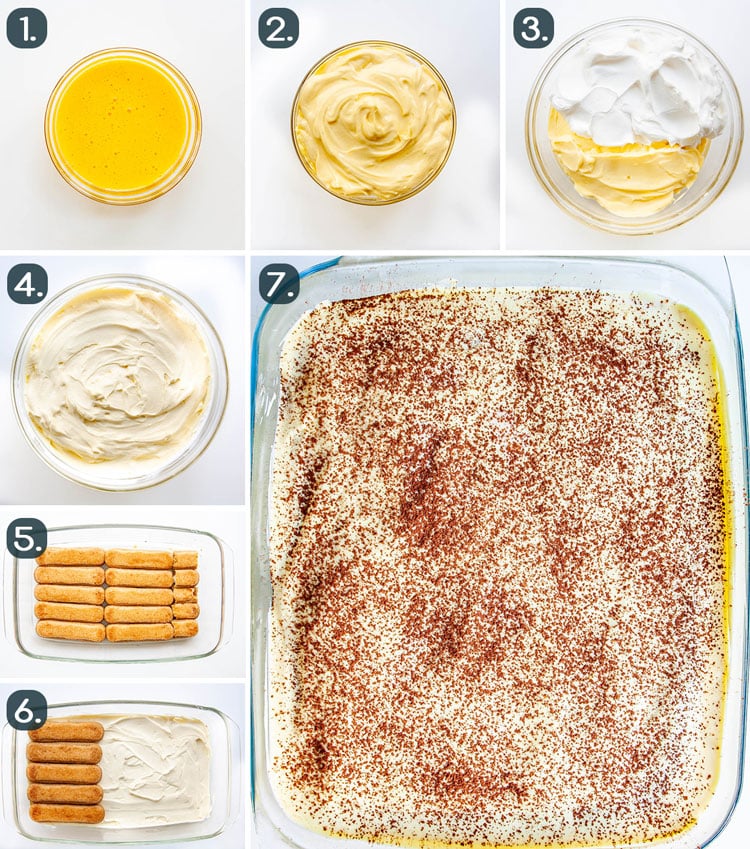
Credit: cravinghomecooked.com
Storing Tiramisu For Different Occasions
For Meal Prep
- Portion tiramisu into small containers for easy grab-and-go desserts.
- Store in the coldest part of your fridge.
For Gifting
- Choose containers with tight lids.
- Add a note with “Keep Refrigerated” and use-by date.
For Picnics
- Use an insulated bag with ice packs.
- Keep tiramisu cold and serve quickly.
Special Storage Concerns For Eggless Or Vegan Tiramisu
Eggless or vegan tiramisu uses plant-based cream or tofu instead of eggs and mascarpone. These versions still need refrigeration but often last longer (up to 5–6 days). However, always check for signs of spoilage.
How Storage Affects Tiramisu Texture And Taste
Proper storage preserves tiramisu’s creamy texture and layered flavor. Here’s what to expect over time:
| Time Stored | Texture | Flavor |
|---|---|---|
| 0–24 hours | Perfect balance: creamy, slightly firm | Bold coffee, fresh cheese |
| 1–3 days | Softer ladyfingers, still creamy | Flavors blended, slightly mellowed |
| 4+ days | Very soft, may become soggy | Possible sour notes, flavor fades |
| After freezing & thawing | Good but slightly grainy or separated | Most flavors remain, some loss of freshness |
Common Mistakes When Storing Tiramisu
- Leaving out too long: Even 3–4 hours at room temperature can spoil tiramisu.
- Loose wrapping: Air exposure dries out the top and lets in fridge odors.
- Freezing without double wrapping: Leads to freezer burn and off-flavors.
- Using metal containers: Can cause a metallic taste.
- Forgetting to label: Without a date, it’s easy to lose track of freshness.
- Storing with strong-smelling foods: Tiramisu absorbs odors from garlic, onions, etc.
- Not thawing properly: Thawing at room temperature causes bacterial growth.
Pro tip: Always store tiramisu away from foods with strong aromas and label every batch with the date.
How To Store Tiramisu Components Separately
If you want the freshest dessert, consider storing tiramisu ingredients apart and assembling just before serving:
- Ladyfingers: Store in an airtight container at room temperature.
- Mascarpone Cream: Store in a sealed container in the fridge for up to 2 days.
- Coffee Syrup: Keep in a jar in the fridge.
- Cocoa Powder: Add just before serving.
This method prevents sogginess and gives the best texture, especially if you need to prepare tiramisu ahead of time.
Tiramisu Storage For Restaurants And Cafés
Food businesses follow strict safety rules. Most use blast chillers to cool tiramisu quickly, then store at 4°C (39°F) or lower. Slices are kept in display fridges for up to 48 hours, and leftovers are discarded at the end of the day.
These standards help prevent food poisoning and keep customers safe.
How To Transport Tiramisu Safely
Sometimes you need to take tiramisu to a party or event. Here’s how to do it without ruining the dessert:
- Chill tiramisu until very cold before moving.
- Use a sturdy, leak-proof container with a tight lid.
- Place in an insulated bag with ice packs.
- Transport in a flat position to avoid shifting.
- If traveling long distances, consider freezing and thawing at your destination.
Storing Tiramisu In Hot Or Humid Climates
High temperatures and humidity speed up spoilage. In these conditions:
- Store tiramisu in the coldest part of the fridge (often the back).
- Use silica gel packets in the fridge to reduce moisture (never in the dessert).
- If your power goes out, move tiramisu to a cooler with ice immediately.
How To Refresh Tiramisu After Storage
Sometimes tiramisu loses its perfect look after being stored. You can refresh it by:
- Dusting with fresh cocoa powder before serving.
- Adding a dollop of whipped cream.
- Reassembling layers if they’ve shifted.
Environmental Impact Of Tiramisu Storage
Using reusable containers and avoiding plastic wrap where possible reduces waste. Glass and ceramic dishes are better for the environment and keep desserts fresher. When freezing, use containers you can wash and reuse.
Myths About Storing Tiramisu
- Myth: Alcohol makes tiramisu safe at room temperature.
Fact: Only refrigeration keeps tiramisu safe.
- Myth: Freezing ruins tiramisu completely.
Fact: With proper wrapping, tiramisu freezes well for up to 3 months.
- Myth: You can spot all spoilage by smell.
Fact: Some bacteria don’t produce odors, so follow time guidelines.
Tiramisu Storage: Real-life Examples
Let’s look at two practical examples:
Example 1: You make tiramisu on Friday night for a Sunday lunch.
- Store in a glass dish, covered tightly in the fridge.
- Check for freshness Sunday morning.
- Dust with fresh cocoa just before serving.
Example 2: You want to bring tiramisu to a friend overseas.
- Freeze in single portions, double-wrapped.
- Pack in a cooler bag with dry ice.
- Thaw in the fridge at your destination.
Comparing Tiramisu Storage With Other Desserts
| Dessert | Refrigeration Needed | Freezer Friendly | Room Temp Limit |
|---|---|---|---|
| Tiramisu | Yes, always | Yes, up to 3 months | 2 hours |
| Cheesecake | Yes | Yes, up to 1 month | 2 hours |
| Fruit Tart | Yes | No | 1 hour |
| Chocolate Cake (without cream) | No | Yes, up to 2 months | 2 days |
Frequently Asked Questions
How Long Can Tiramisu Sit Out At Room Temperature?
Tiramisu should not be left out for more than 2 hours at room temperature. After that, bacteria can grow quickly due to the dairy and egg content, making it unsafe to eat. In hot weather, keep this limit to just 1 hour.
Can You Freeze Tiramisu With Cocoa Powder On Top?
It’s best not to freeze tiramisu with cocoa powder on top. The cocoa can absorb moisture and become wet and clumpy. Add fresh cocoa powder after thawing for a better look and taste.
How Can I Tell If Tiramisu Has Spoiled?
Check for a sour smell, watery or slimy texture, mold, or an unusual taste. Any of these are signs that tiramisu should be discarded. If you’re unsure, it’s safer to throw it away.
Is It Safe To Store Tiramisu In A Plastic Container?
Yes, you can store tiramisu in a BPA-free, food-safe plastic container, but glass or ceramic are better for keeping flavors pure and preventing odor absorption from other foods.
Where Can I Learn More About Food Safety With Dairy Desserts?
For more detailed guidelines, visit the USDA Food Safety and Inspection Service website.
Storing tiramisu the right way is not difficult, but it makes a big difference. Following these tips will help you keep every slice creamy, flavorful, and safe to enjoy. Whether you’re making tiramisu for a family dinner or preparing it ahead for a celebration, proper storage ensures you get the best from this iconic dessert every time.