
Why Does My Room Suddenly Smell Like Garlic? Causes, Solutions, and Surprising Facts
Have you ever walked into your room and noticed a strong, unmistakable garlic smell—even though you haven’t cooked, eaten, or stored garlic anywhere nearby? You’re not alone. Many people suddenly notice their room smells like garlic and wonder what could cause it. Sometimes, the scent appears out of nowhere, lingers for hours, and disappears just as quickly. Other times, it sticks around, making the space uncomfortable.
A sudden garlic-like odor in your room can be surprising and even worrying. Is it a sign of a hidden problem? Could it be related to your health, your home’s structure, or something else entirely? Understanding the possible reasons behind this smell is the first step to solving it.
In this article, you’ll learn about the most common and unexpected causes, how to identify the source, and effective ways to eliminate the odor. You’ll also discover practical tips, common mistakes, and answers to questions people rarely ask—but should.
Let’s explore why your room might suddenly smell like garlic, what you can do about it, and how to keep your space fresh and healthy.
Common Causes Of A Garlic-like Smell In A Room
A garlic odor indoors can come from many places. Some are obvious, like leftover food, but others are much more surprising. Here are the most common reasons:
1. Food Residue And Cooking
Cooking with garlic leaves behind powerful oils. These volatile compounds can linger on kitchen surfaces, fabrics, and even in the air. Sometimes, these odors travel from the kitchen to other rooms, especially if your home has poor ventilation. Even if you haven’t cooked recently, food residue in the trash, sink, or hidden corners may cause a garlic-like smell.
2. Spoiled Food Or Hidden Garbage
Rotting vegetables, especially onions, leeks, or potatoes, can produce a strong, sulfurous odor that’s similar to garlic. If food is left in a bag, trash can, or hidden corner, it can decay and release this smell. Sometimes, a small piece of onion or garlic falls behind furniture and is forgotten.
3. Electrical Problems And Overheating Appliances
One of the most surprising causes is overheating electrical wires or appliances. When certain plastics or insulation materials overheat, they can emit a sulfur or garlic-like odor. This may happen with faulty outlets, chargers, laptops, or light fixtures. The smell often appears suddenly and disappears when the appliance cools down.
4. Plumbing Issues
A dried-out P-trap (the U-shaped pipe under sinks and showers) can let sewer gases into your home. These gases sometimes contain sulfur compounds that smell like garlic or rotten eggs. Slow leaks or mold in plumbing can also create a musty garlic-like odor.
5. Mold And Mildew
Not all mold smells the same. Some species, like Aspergillus or Penicillium, produce a garlic or onion-like scent, especially when growing behind walls, under carpets, or inside air conditioning units. Mold loves moisture, so any water leak or humidity can start the problem.
6. Pest Infestations
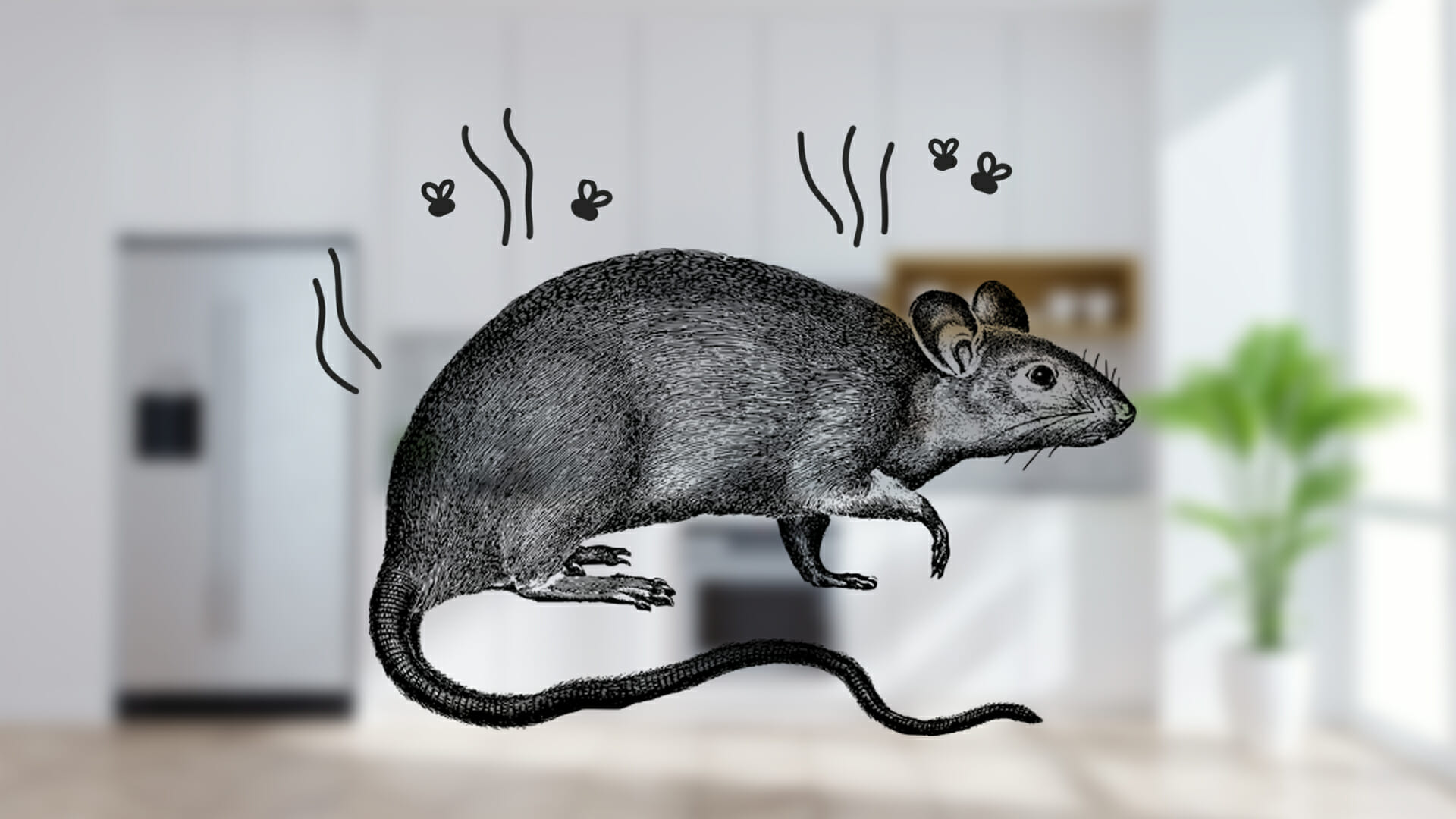
Certain insects, including ants (especially odorous house ants), stink bugs, or cockroaches, give off a strong smell when disturbed or crushed. Some people describe the scent as “garlicky” or similar to rotten food. Dead rodents in walls or ceilings can also create a sharp, sulfurous odor.
7. Gas Leaks (natural Gas And Propane)
Utility companies add a chemical called mercaptan to natural gas and propane to create a strong, garlic or rotten egg smell. If the odor is new, very strong, and you can’t find another source, it could mean a dangerous gas leak. In this case, leave the area immediately and call the gas company.
8. Human Body Odor And Sweat
Garlic-like odors can also come from people. Consuming garlic, onions, or certain medications can make sweat, breath, or skin smell like garlic. Sometimes, clothing, bedding, or towels absorb and hold these scents for days.
9. Scented Products And Cleaning Agents
Some cleaners, air fresheners, or scented candles contain sulfur or other chemicals that mimic garlic. Even if labeled “fresh,” these can mix with other odors in the room and create an odd, garlicky note.
10. Outdoor Sources Entering Indoors
If your windows are open, outdoor odors can drift inside. Fertilizers, nearby restaurants, or even wild plants can emit a garlic-like smell that enters your home with the breeze.
How To Identify The Source Of A Garlic Smell
When your room suddenly smells like garlic, the first step is to track down the cause. Here’s how you can investigate efficiently:
Use A Systematic Search
Walk slowly around the room, sniffing near floors, outlets, vents, and hidden spaces. The smell is often strongest near the source. Don’t just check the obvious places—think about hidden corners or under furniture.
Check Recent Activities
Think about what happened in the last few hours. Did anyone cook, eat, or clean recently? Did you bring in groceries or new furniture? Sometimes, the cause links to something done earlier in the day.
Inspect Appliances And Electronics
Smell around outlets, chargers, and devices. If the odor gets stronger, unplug everything and check if the smell goes away. Overheated electronics can be a hidden source.
Look For Spoiled Food
Open all containers, trash cans, and fridge sections. Don’t forget to check under beds, couches, and behind furniture for dropped food.
Test Plumbing Fixtures
Run water in every sink, shower, and floor drain for a few minutes. This refills P-traps and blocks sewer gas. Smell near drains—if the odor fades after running water, the problem may be plumbing.
Examine For Mold And Moisture
Look for water stains, peeling paint, or damp spots on walls, ceilings, and floors. Mold often grows in hidden places, so check inside closets, behind headboards, and under carpets.
Consider Health Changes
Ask if anyone has eaten a lot of garlic or onions, started a new medication, or noticed changes in sweat or breath.
Observe Outdoor Conditions
Notice if the smell appears only when windows are open or during certain weather. Outdoor air can bring in unusual scents, especially after rain or near farms.
Common Mistakes People Make When Dealing With Garlic Odor
Many people make simple errors that make the problem worse or delay finding a solution. Here are some mistakes to avoid:
- Masking, Not Solving: Spraying air freshener or using scented candles only hides the odor. The real cause can get worse if not fixed.
- Ignoring Electrical Issues: Some people overlook a burning or garlic smell from outlets or devices. This can be a fire hazard and should be checked by an electrician.
- Blaming the Wrong Source: It’s easy to assume food is the cause, but sometimes the problem is mold, pests, or gas leaks. Investigate thoroughly.
- Not Checking Hidden Spots: Small food pieces or dead insects behind furniture or inside vents are often missed.
- Delaying Action: Waiting too long can make mold or gas leaks more dangerous. Act quickly if the smell is strong or unusual.
Surprising And Less-known Sources Of Garlic Odor
While the above reasons are common, there are some rare causes you might not think about:
Off-gassing From New Furniture Or Paint
Some new furniture, foam, or paint can release chemicals that have a sulfur or garlic note. This process, called off-gassing, is usually strongest in the first days or weeks after installation.
Plumbing Biofilm
Inside old pipes, a slimy layer called biofilm can form. Certain bacteria in this film produce sulfur compounds, making the water or drain area smell like garlic.
Nearby Construction Or Roadwork
Sometimes, construction sites use materials or chemicals that create a garlic-like odor. If work is happening nearby, this may explain a temporary smell in your home.
Plants And Fungi
Certain houseplants, such as some lilies or wild garlic, give off a strong scent. Fungi growing in soil can also smell sulfurous if overwatered.
Building Materials And Insulation
Some types of insulation, especially older or damp materials, can develop a garlic or onion smell as they break down.

Credit: www.newyorker.com
Table: Quick Comparison Of Garlic Odor Sources
To help you quickly compare the main sources, here’s a summary:
| Possible Source | How to Identify | Action Needed |
|---|---|---|
| Food/Cooking | Odor near kitchen, trash, or fabrics | Clean and ventilate affected areas |
| Electrical Problems | Smell near outlets/devices, possible heat | Unplug and consult an electrician |
| Plumbing Issues | Odor near drains, after not using water | Run water, check for leaks |
| Mold/Mildew | Musty scent, water stains, humidity | Find and remove mold, fix moisture source |
| Pest Infestation | Odor near walls, droppings, sightings | Remove pests, clean affected areas |
| Gas Leak | Sudden, strong odor, no clear source | Leave and call the gas company |
How To Remove Garlic Smell From Your Room
Once you’ve found the source, removing the garlic odor is possible with the right approach. Here are practical steps:
Air Out The Room
Open all windows and doors to let fresh air circulate. Use fans to speed up the process. Airing out the room is essential, especially after cooking, cleaning, or discovering mold.
Deep Clean Surfaces
Wipe down all hard surfaces, including counters, floors, and furniture. Use a mild cleaner with vinegar or baking soda, which helps neutralize odors naturally.
Wash Fabrics
Garlic odor sticks to soft materials. Wash all bedding, curtains, pillowcases, and clothing. Use hot water and add a cup of baking soda to the laundry for extra odor removal.
Deodorize Carpets And Upholstery
Sprinkle baking soda on carpets and upholstered furniture. Let it sit for at least 30 minutes, then vacuum thoroughly. For deep smells, consider a steam cleaner.
Clean Drains And Sinks
Pour a mixture of baking soda and vinegar down each drain, followed by hot water. This helps clear away smelly biofilms and blockages.
Dispose Of Spoiled Food And Garbage
Check for and remove any spoiled food, old trash, or forgotten leftovers. Clean trash cans with soap and water.
Address Mold And Moisture
If you find mold, remove it with a mixture of water and bleach (wear gloves and ventilate the area). Fix leaks or humidity problems to prevent the odor from returning.
Fix Electrical Or Plumbing Issues
If you suspect electrical or plumbing causes, call a professional. Never ignore overheating outlets or persistent plumbing odors.
Use Natural Odor Absorbers
Place bowls of baking soda, activated charcoal, or coffee grounds around the room. These absorb odors instead of just masking them.
Replace Air Filters
HVAC and air purifier filters can hold onto smells. Change or clean filters regularly to keep indoor air fresh.
Table: Odor Removal Methods And Effectiveness
Here’s a simple comparison of common odor removal methods:
| Method | Best For | Effectiveness |
|---|---|---|
| Ventilation | All types of odors | High (if source is removed) |
| Baking Soda | Fabrics, carpets, air | Medium-High |
| Vinegar Cleaning | Hard surfaces, drains | Medium |
| Professional Cleaning | Severe mold, pests | Very High |
| Odor Absorbers (charcoal, coffee) | General air, closets | Medium |
How To Prevent Garlic Smell From Returning
Prevention is better than cure. Here are habits and tips to keep your room fresh:
- Ventilate Regularly: Open windows daily, especially after cooking or cleaning.
- Empty Trash Often: Take out trash and compost daily to prevent smells from building up.
- Clean Drains Weekly: Flush drains with hot water and baking soda to stop biofilm from forming.
- Fix Leaks Quickly: Repair plumbing leaks or damp spots as soon as you find them.
- Store Food Properly: Use sealed containers for all foods, especially onions, garlic, and potatoes.
- Maintain Appliances: Check electronics for overheating and clean vents to prevent buildup.
- Wash Fabrics Frequently: Clean bedding, curtains, and clothing often, especially after heavy cooking.
- Control Humidity: Use a dehumidifier if your home is damp, and keep indoor humidity below 60%.
- Inspect for Pests: Seal gaps around windows, doors, and pipes to block insects and rodents.
- Replace Air Filters: Change HVAC and air purifier filters every few months to reduce trapped odors.

Credit: letpot.com
When To Worry: Is A Garlic Smell Dangerous?
Most garlic-like smells are annoying but harmless. However, there are times when you should be concerned:
- If the smell is very strong, sudden, or makes your eyes or throat burn, it could be a gas leak or chemical problem. Leave the area and call for help.
- If you find mold, especially black or green patches, it can affect your health. Mold spores may cause allergies, breathing problems, or worsen asthma.
- If you suspect electrical overheating, act fast. Burnt plastic or sulfur smells near outlets can mean a fire risk.
- If the smell continues despite cleaning and airing out, you might have a hidden problem (like pests, leaks, or structural issues) that needs a professional.
Real-world Examples: Stories From Homeowners
To make things clearer, here are a few real-life cases:
- Case 1: A family noticed a garlic smell in their bedroom every evening. After days of searching, they discovered a forgotten onion under the bed, left by their toddler. The smell vanished after removal.
- Case 2: A renter noticed the smell got stronger when the air conditioner was on. An inspection found mold growing in the air ducts. After professional cleaning, the odor was gone.
- Case 3: A homeowner smelled garlic near a window after rain. The cause was a small patch of mold in the wooden frame, which had started to rot after a leak.
- Case 4: Someone noticed a sharp, garlicky smell near their laptop charger. The charger was overheating due to a faulty wire. Replacing the charger solved the problem and removed the risk of fire.
Credit: integrumservices.co.uk
Table: How Long Common Odors Linger
Here’s a look at how long different garlic-like odors can last if left untreated:
| Source | Duration (Without Intervention) | Notes |
|---|---|---|
| Cooking Odors | Hours to 2 days | Fades with ventilation |
| Spoiled Food | Days to weeks | Persists until removed |
| Mold | Indefinite | Will not go away unless cleaned |
| Electrical | Minutes to hours | Reappears with use |
| Gas Leak | Continuous | Dangerous—act immediately |
Non-obvious Insights Most People Miss
- Multiple Causes at Once: Sometimes, more than one source combines to create a garlic-like smell. For example, mild mold plus kitchen odors can mix and seem stronger or stranger than either alone.
- Nose Blindness: You can get used to odors in your home and stop noticing them, but guests will still smell them. It helps to step outside for a few minutes, then re-enter, to notice lingering scents.
Practical Tips For Sensitive Noses
- Use an air purifier with a carbon filter to trap and neutralize odors.
- Place a small bowl of vinegar or lemon water in the room overnight to absorb strong smells.
- Grow indoor plants like peace lilies or snake plants—they help filter indoor air naturally.
When To Call A Professional
Don’t hesitate to call for help if:
- The smell is electrical, chemical, or you suspect a gas leak.
- You can’t find the source after a thorough search.
- Mold covers a large area or keeps coming back.
- You find signs of pests but can’t remove them.
Professionals have tools to detect hidden moisture, mold, or gas. They can also safely repair electrical or plumbing issues.
Where To Learn More
For a deeper look at indoor air quality and odor sources, visit the U.S. Environmental Protection Agency.
Frequently Asked Questions
Why Does My Room Smell Like Garlic When I Haven’t Cooked?
A garlic-like smell can come from spoiled food, mold, overheated electronics, or even plumbing issues. It’s not always connected to cooking. Check hidden corners, drains, and electrical devices.
Is A Garlic Smell From Outlets Dangerous?
Yes, it can be. Electrical overheating sometimes creates a garlic or sulfur odor. This can lead to fire hazards. Unplug devices and contact an electrician immediately.
How Can I Get Rid Of Garlic Smell Fast?
Ventilate the room, clean all surfaces, wash fabrics, and use natural odor absorbers like baking soda or activated charcoal. Removing the source is most important.
Can Pets Cause A Garlic Smell?
While pets themselves rarely smell like garlic, their food, accidents, or hidden waste can. Also, pets may bring in insects or drop food behind furniture, leading to odors.
Should I Worry About Health Risks From Garlic Odor In My Room?
Usually, it’s just annoying. But if the smell comes from mold, gas leaks, or chemicals, it can affect your health. If you feel unwell or the odor is very strong, act quickly and seek help.
Noticing a garlic smell in your room is a sign to look closer at your home’s environment. By understanding the possible causes and taking the right steps, you can keep your space safe, comfortable, and fresh. Remember, acting quickly and thoroughly is the key to solving even the most mysterious indoor odors.