
Every night, you walk into your bathroom, expecting a quiet, clean space. But suddenly, an unpleasant sewage smell fills the air. It’s strong, it’s confusing, and it seems to happen only at night. This experience is more common than you think, and it can quickly ruin your comfort at home. Many people struggle to find the cause, and even more have no idea how to fix it. If you’re wondering why your bathroom smells like sewage at night and how to solve it, you’re in the right place.
This article will guide you through everything you need to know about nighttime bathroom odors. We’ll explore why these smells happen, how to identify the source, and what steps you can take—both simple and advanced—to keep your bathroom fresh. You’ll also learn about the risks of ignoring the problem, plus answers to the most common questions. By the end, you’ll have clear, practical advice, whether you’re a homeowner, renter, or just dealing with a stubborn smell.
Why Does The Bathroom Smell Like Sewage At Night?
If you notice the sewage smell only at night, it’s not just your imagination. There are reasons why odors can seem stronger or only appear after dark. Understanding these reasons helps you find the real source.
Changes In Water Usage
During the day, you use toilets, sinks, and showers more often. This frequent use helps keep water in drain traps, which block sewer gases. At night, with less water flowing, these traps can dry out, letting smells come through.
Air Pressure And Ventilation
Cooler night air can create negative pressure in your plumbing. This pressure pulls sewer gases back into your bathroom, especially if there are leaks or blocked vents. Most homes also have less ventilation at night, so any smells build up instead of escaping.
Lower Humidity And Closed Windows
People often close windows at night for safety or comfort. Without fresh air, odors linger longer. Lower humidity can also dry out drains, making it easier for smells to enter.
Nighttime Habits
Some people use bathroom fans less at night to avoid noise. This means less airflow and more trapped smells.
These factors combine to make the sewage smell more noticeable in the bathroom at night. But to fix the problem, you need to know where the smell is coming from.
Common Sources Of Sewage Smell In The Bathroom
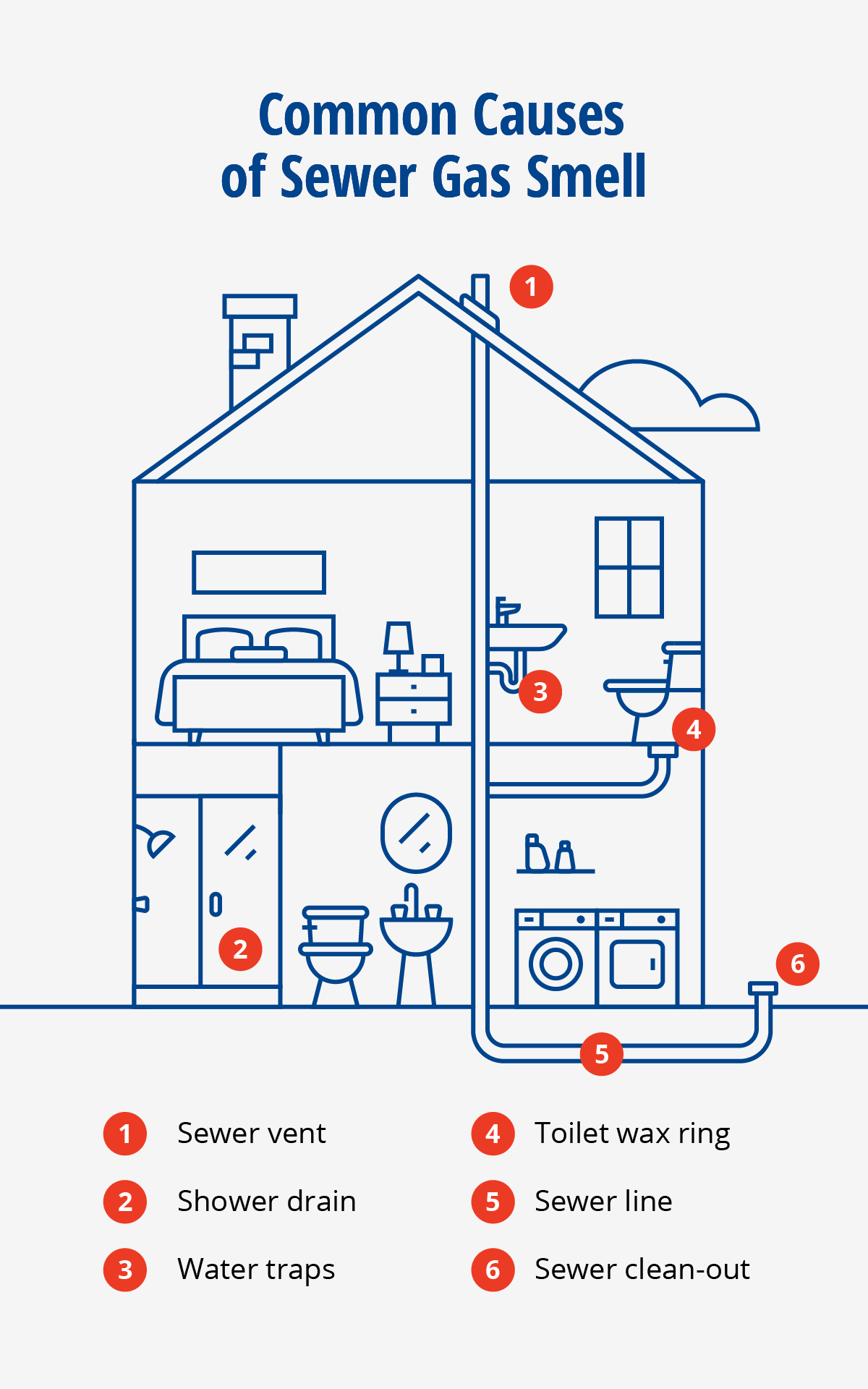
Finding the true source is the first step to solving the problem. Here are the most common places where sewage odors can start:
- Dry P-Trap: The curved pipe under sinks, showers, and tubs holds water to block sewer gas. If it dries out, odors come up easily.
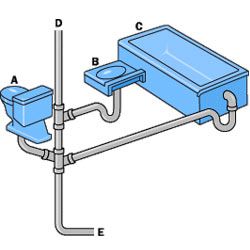
- Clogged or Blocked Vents: Plumbing vents let sewer gases escape outside. If blocked, gases return through drains.
- Leaky Toilet Seal: The wax ring under your toilet can fail, letting sewer gas leak into the bathroom.
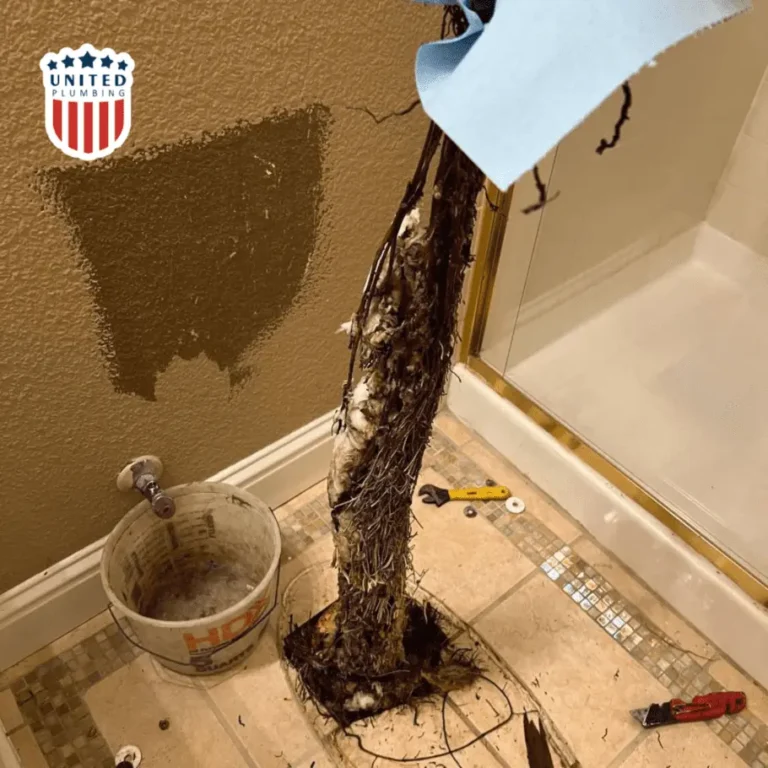
- Dirty or Clogged Drains: Buildup of hair, soap, and debris can trap bacteria, causing a strong odor.
- Cracked Pipes: Hidden leaks or cracks in pipes behind walls or under the floor can let sewer gas escape.
- Full or Faulty Septic Tank: If you have a septic system, an overfilled or damaged tank can push smells back into the house.
- Improper Plumbing Installation: Incorrectly installed pipes or traps can allow gases to escape.
- Biofilm in Overflow Drains: Overflow holes in sinks and tubs can collect bacteria-rich film, creating smells.
- Floor Drains: These can dry out if rarely used, letting sewer gas enter.
- Faulty Air Admittance Valves (AAVs): These one-way valves, used in modern plumbing, can fail and leak gas.
Many bathrooms have more than one of these issues at the same time, especially in older homes.
How To Identify The Source Of The Smell
Finding where the sewage odor is coming from can feel like detective work. Here’s a practical process to narrow it down:
- Smell Each Drain: Check sinks, showers, tubs, and floor drains. Does one smell stronger? That’s a clue.
- Check Around the Toilet Base: If the odor is strongest here, the wax ring or the toilet’s connection may be the problem.
- Inspect for Moisture or Stains: Look for damp spots, mold, or stains around pipes and walls. These can signal leaks.
- Test the P-Traps: Shine a flashlight down the drains. If you don’t see water, pour some in and see if the smell goes away.
- Listen for Gurgling Sounds: Gurgling from drains when you flush or use water suggests venting problems.
- Check Plumbing Vents Outside: Go outside and look at the vent pipe on your roof. Is it blocked by debris, leaves, or animal nests?
- Use a Smoke Test: Professionals sometimes blow harmless smoke into pipes to see where it escapes. If you see smoke inside, there’s a leak.
- Review Recent Plumbing Work: Sometimes new installations or repairs are done incorrectly, causing fresh problems.
Not all odors are easy to trace, so you may need to try several tests or get help from a plumber.
Diy Solutions For Common Causes
Many bathroom sewage smells have simple fixes you can try before calling a professional.
Fixing A Dry P-trap
Pour at least one cup of water down each drain. This refills the trap and creates a seal. For rarely used drains, add a teaspoon of mineral oil after the water. The oil slows evaporation.
Cleaning Dirty Drains
Remove drain covers and use a brush or old toothbrush to scrub away slime and hair. Pour a mix of hot water and baking soda, followed by vinegar. Wait 10 minutes, then flush with more hot water.
Clearing Biofilm From Overflow Drains
Push a flexible brush or pipe cleaner into the overflow opening. Spray with a disinfectant or pour a mild bleach solution. Let it sit, then rinse with water.
Checking And Resealing The Toilet
If you see water or stains at the toilet base, the wax ring may be bad. Tighten the bolts (but not too much), and if the leak continues, replace the wax ring. This job requires lifting the toilet, so follow a guide or get help if needed.
Unclogging Vents
If comfortable, safely check the vent pipe on your roof. Remove leaves, bird nests, or debris. If the vent is blocked deep inside, call a plumber.
Using Enzyme Cleaners
Enzyme-based drain cleaners break down organic buildup (like hair and soap) without damaging pipes. Use these monthly to keep drains clear.
Example: Solving A Dry P-trap
A family noticed a strong sewage smell in their guest bathroom at night. The bathroom was rarely used. They poured water down the shower and floor drain, and added mineral oil. The smell disappeared overnight.
These fixes solve many simple cases of sewage smell, but not all problems are easy.
Credit: rainbowrestores.com
When To Call A Professional
Some situations need expert help. Here’s when you shouldn’t wait:
- The smell is very strong or gets worse quickly.
- You notice water stains, mold, or leaks in walls or ceilings.
- Multiple drains gurgle or back up at once.
- DIY fixes don’t work or the smell returns soon.
- You suspect a broken sewer line or full septic tank.
Licensed plumbers have special tools to locate leaks, check vents, and repair or replace damaged parts. Trying to fix major plumbing problems yourself can cause more damage or even health risks.
Health Risks Linked To Sewage Smell
Ignoring a sewage odor is not only uncomfortable—it can also be dangerous.
Hydrogen Sulfide Gas
Sewer gas contains hydrogen sulfide, which smells like rotten eggs. In small amounts, it can cause headaches, nausea, and eye irritation. High levels are rare but can be life-threatening.
Mold And Bacteria
Leaks or damp areas can let mold and bacteria grow, triggering allergies, asthma, and other health issues.
Long-term Exposure
Living with ongoing sewer gas can impact indoor air quality, especially for children, elderly people, and those with breathing problems.
If you ever feel dizzy, very sick, or the smell is overwhelming, leave the area and get fresh air immediately.
How To Prevent Sewage Smells In The Bathroom
Stopping the problem before it starts is easier than fixing it later. Here’s how to keep your bathroom fresh:
- Run Water Regularly: Use all sinks, showers, and floor drains at least once a week to keep traps full.
- Clean Drains and Overflows: Scrub drains and overflow holes monthly to prevent buildup.
- Check for Leaks: Inspect under sinks and around toilets for signs of moisture.
- Ventilate the Bathroom: Open windows or use exhaust fans, especially after showers.
- Maintain Septic Tanks: If you have a septic system, pump it every 3–5 years.
- Use Enzyme Cleaners: Add enzyme drain cleaner to keep pipes clear of organic material.
- Seal Gaps: Make sure the toilet is sealed tightly to the floor and pipes are not loose.
- Inspect Vents: Check roof vents for blockages at least once a year.
Consistent maintenance is the best way to avoid late-night sewage smells.
How Professional Plumbers Diagnose Smells
If you call in a plumber, they’ll use tools and methods you may not have at home. Here’s what happens during a professional inspection:
- Smoke Testing: Blowing non-toxic smoke into the pipes helps locate leaks. Smoke escapes where sewer gas would.
- Camera Inspections: Small cameras are pushed through pipes to find cracks, clogs, or bad connections.
- Pressure Testing: Air or water is used to check for leaks in hidden pipes.
- Dye Testing: Colored dye is flushed through drains to see if leaks appear outside the pipes.
These tests are fast, accurate, and can find problems you might miss.
Comparing Diy And Professional Solutions
Here’s a quick look at how basic fixes stack up against professional help:
| DIY Method | Best For | Limitations |
|---|---|---|
| Pouring Water in Traps | Dry P-Traps | Temporary, must repeat for unused drains |
| Cleaning Drains | Dirty/Biofilm Drains | Doesn’t fix leaks or deep blockages |
| Replacing Wax Ring | Leaky Toilet Base | May need tools or help |
| Checking Roof Vents | Simple Blockages | Dangerous to access roof, can miss hidden issues |
| Professional Inspection | Hidden Leaks, Major Odors | More expensive, but thorough |
Nighttime Vs. Daytime Smells: What’s The Difference?
You might wonder why your bathroom smells only at night, not during the day. Here’s how conditions change:
| Time | Typical Water Usage | Ventilation | Smell Strength |
|---|---|---|---|
| Day | High | Good (windows open, fans on) | Low or none |
| Night | Low | Poor (windows closed, fans off) | High |
At night, less water flows through drains, and there’s less fresh air. This combination lets sewage smells build up quickly.
What Most People Miss About Bathroom Sewage Smells
It’s easy to focus on obvious causes, but some sources are often overlooked:
- Hidden Floor Drains: Many bathrooms have small, rarely-used floor drains near the toilet or under vanities. These can dry out and let gas escape.
- Biofilm in Overflow Holes: Even if you clean your sink, bacteria in the overflow (the hole near the top) can cause strong smells.
- Seasonal Changes: In dry winters, indoor air loses moisture faster, making traps evaporate more quickly.
- Old or Faulty Air Admittance Valves: Modern homes sometimes use these instead of full vent pipes. If they break, they can leak sewer gas inside.
Checking these less obvious places is key to finding and stopping the smell.
Real-life Example: Fixing A Persistent Sewage Smell
A homeowner in Texas struggled with a sewage odor that appeared every night. They tried cleaning every drain, but nothing worked. The plumber found an unused floor drain under a cabinet. It was dry, letting sewer gas in. Pouring water and mineral oil into this hidden drain solved the problem for good.
This example shows why it’s important to check all possible sources, not just the main sink or toilet.
Products That Help Control Bathroom Odors
Some products can help control or prevent sewage smells:
- Enzyme Drain Cleaners: Safe for regular use, they break down organic waste and prevent clogs.
- Drain Seals: Silicone caps that cover unused drains but allow water flow during cleaning.
- Automatic Trap Primers: Small devices that add water to traps on a schedule.
- Toilet Seal Kits: Improve the seal between the toilet and floor.
- Vent Pipe Covers: Prevent animals or debris from blocking the vent.
These tools make it easier to maintain a fresh, odor-free bathroom.
Credit: plumbing-united.com
Cost Of Fixing Sewage Smell Issues
How much will it cost to solve a sewage smell problem? It depends on the cause:
| Solution | DIY Cost | Professional Cost |
|---|---|---|
| Pouring Water in Drains | Free | N/A |
| Enzyme Cleaners | $10–$25 | N/A |
| Replace Wax Ring | $10–$30 | $150–$300 |
| Unclog Vent Pipe | Free–$20 | $100–$250 |
| Professional Leak Repair | N/A | $200–$1000+ |
Small issues are often cheap or free to fix, but major plumbing problems can get expensive. Acting early saves money and stress.
What To Do If The Smell Returns
Sometimes the sewage smell goes away for a while and then comes back. If this happens, follow these steps:
- Repeat Maintenance: Pour water and mineral oil in all drains, clean overflow holes, and check for leaks.
- Track When It Happens: Note the time, weather, and bathroom use. This helps spot patterns, like dry weather or heavy rain.
- Get a Professional Inspection: Persistent smells often mean a hidden problem that needs expert tools.
- Check for New Damage: Recent home repairs, renovations, or pest activity can create new leaks.
Solving the root cause is the only way to make the smell go away for good.
Credit: home.howstuffworks.com
Local Regulations And Building Codes
Most places have building codes to prevent sewer gas leaks. These codes require:
- Properly installed P-traps under every fixture
- Vent pipes that go above the roof
- Sealed connections at toilets and drains
If you live in an old house or notice unusual plumbing, ask a plumber if your system meets current codes. Following local rules keeps your home safe and can even affect insurance claims.
For more about plumbing codes, check the Wikipedia page on Plumbing Codes.
Frequently Asked Questions
Why Does My Bathroom Only Smell Like Sewage At Night?
At night, less water is used, so drain traps can dry out and let sewer gas in. Closed windows and less ventilation also let odors build up. Nighttime air pressure changes can push gases back into the bathroom.
Can Sewage Smells Be Harmful To My Health?
Yes, sewer gas contains hydrogen sulfide and other chemicals that can cause headaches, nausea, and breathing problems. Long-term exposure or very high levels are rare but dangerous.
How Can I Quickly Get Rid Of Sewage Smell In My Bathroom?
Pour water into all drains, clean overflow holes, and open windows to air out the room. Use a bathroom fan if you have one. If the smell returns, look for leaks or call a plumber.
What Is The Most Common Cause Of Sewage Smell In Bathrooms?
The most common cause is a dry P-trap—the curved pipe under sinks, tubs, or showers that blocks sewer gas. If it dries out, odors come up easily.
Should I Try To Fix A Sewage Smell Myself Or Call A Plumber?
You can try basic fixes, like pouring water in drains and cleaning them. If the smell is strong, lasts more than a few days, or you find leaks or mold, call a professional plumber.
Solving a sewage smell in the bathroom at night can be frustrating, but with the right steps, you can enjoy a clean, fresh space again. Take action early, check every possible source, and don’t hesitate to get expert help for stubborn problems. Your home—and your health—will thank you.