
A sudden sewer smell in your house after the septic tank is pumped can be both confusing and unpleasant. Many homeowners expect the air to be fresher after such maintenance, not worse. The truth is, if you notice a strong odor after pumping your septic tank, it’s a sign that something isn’t working as it should. Understanding why this happens, what it means for your home, and how to fix it can help you stay calm and take the right steps. This guide will walk you through everything you need to know about sewer smells after septic tank pumping—covering causes, solutions, prevention, and the science behind it. If you want your house to smell clean and safe after routine septic care, read on.
Why Does My House Smell Like Sewer After Pumping The Septic Tank?
It’s a common mistake to think pumping your septic tank will instantly fix all bad smells. In reality, a septic system is a complex network of pipes, tanks, and vents. When something changes—like pumping the tank—the balance can be disturbed. This can allow sewer gases to enter your home, creating that strong, rotten-egg odor.
How Septic Systems Work
A typical septic system has:
- A tank that holds wastewater
- Pipes carrying waste from your house to the tank
- A drain field where treated water goes into the soil
- Vents that let gases escape safely outside
The tank uses bacteria to break down solid waste. Pumping removes the sludge, but if any part of the system is damaged or blocked, gases can back up into your home.
Common Gases Involved
The main gas is hydrogen sulfide (smells like rotten eggs), but there may also be methane and ammonia. These gases are normal byproducts of waste breakdown but should never enter your living space.
Main Causes Of Sewer Smell After Septic Tank Pumping
Several things can trigger a sewer odor in your house after the tank has been pumped. Understanding these causes will help you find the right solution fast.
1. Broken Or Blocked Sewer Vents
Plumbing vents are pipes that let gases escape above your roof. If they’re blocked by leaves, nests, or ice, or if they break during pumping, gases may flow back into the house. Sometimes, pumping changes the pressure inside the pipes, making a small problem suddenly much worse.
2. Dry Or Damaged P-traps
The P-trap is a U-shaped pipe under your sinks, tubs, and floor drains. It holds water to block sewer gases. If a fixture hasn’t been used for a while, the water can dry up, letting odors into the room. Sometimes, pumping the tank can create a sudden pressure change that pulls water out of the traps.
3. Cracked Or Loose Seals
Toilets, bathtubs, and floor drains have wax rings or rubber seals where they meet the floor. If these seals are old, cracked, or loose, sewer gases can escape. Pumping the septic tank may shift the pipes just enough to break a weak seal.
4. Faulty Plumbing Connections
Old or poorly installed pipes can become loose or damaged during septic tank maintenance. Even a small crack or misaligned joint can let in odors that quickly spread.
5. Backdraft From Septic Tank
When a septic tank is pumped, the vacuum can draw air backward through the pipes, especially if vents or traps are not working properly. This backdraft brings gases up into the house.
6. Overfilled Drain Field
If your drain field is saturated or clogged, wastewater cannot flow out fast enough. Pumping the tank can temporarily force gases back up the system, especially in heavy rain or after years of use.
7. Poor Septic Tank Maintenance
If pumping is done incorrectly or not often enough, solids can build up, blocking pipes and vents. This increases pressure and pushes gases into your house.
8. Structural Problems In The Septic Tank
Cracks or holes in the tank, especially near the top, can allow gases to escape into the soil under your home, and eventually, through cracks in the foundation or crawlspace.
9. Errors During Pumping
In rare cases, pumping crews may leave a cap off, damage a pipe, or create a small leak. These mistakes can allow odors into your home almost immediately.
10. High Water Table Or Flooding
After heavy rain or flooding, the ground around your septic system may become saturated. This can force gases up through the soil and into your home, even if the tank was just pumped.
How To Identify The Source Of The Sewer Smell
Finding the exact source of sewer odor is not always easy, but there are clear steps to follow. The sooner you pinpoint the problem, the faster you can fix it.
Step-by-step Inspection Guide
- Smell Test: Walk around your home to find where the odor is strongest. Check all rooms, especially near bathrooms, kitchens, and the basement.
- Check Drains: Run water in all sinks, tubs, and showers. Listen for gurgling or slow drains. If a smell gets stronger, the problem may be there.
- Inspect P-Traps: Shine a flashlight under sinks and floor drains. If the trap is dry, pour a cup of water down to refill it.
- Look at Toilet Seals: Wiggle the toilet gently. If it rocks or has water around the base, the seal may be broken.
- Go Outside: Check around your septic tank, vent pipes, and drain field. Smell for strong odors near these areas.
- Check Vents: Look for vent pipes on your roof or outside walls. Make sure they are not blocked by debris, leaves, or nests.
- Inspect the Basement or Crawlspace: Sometimes, smells come from under the house if gases escape through cracks.
Using Smoke Tests
Plumbers sometimes use a smoke test to find leaks. They blow harmless smoke into the pipes and watch where it comes out. This can reveal hidden leaks or broken seals quickly.
How To Fix Sewer Smell After Septic Tank Pumping
The right fix depends on what you find during your inspection. Here are proven solutions for each common problem:
1. Unblock Or Repair Sewer Vents
If vents are blocked, clear them carefully. Remove leaves, nests, or ice. If the pipe is broken, call a plumber to replace it. Sometimes, a taller vent pipe helps keep odors away from the house.
2. Refill P-traps
If a P-trap is dry, pour water down the drain. For unused bathrooms or floor drains, add a cup of mineral oil after the water to slow evaporation.
3. Replace Broken Seals
If you find a leaking wax ring under a toilet, turn off the water, remove the toilet, and install a new seal. For other fixtures, check and replace worn-out rubber gaskets.
4. Fix Plumbing Leaks
If you spot a cracked or loose pipe, tighten joints or replace the damaged section. Use plumber’s tape or sealant for small gaps, but call a professional for major leaks.
5. Address Drain Field Problems
If your drain field is saturated, limit water use until it dries out. If it’s always wet or smells bad outside, you may need professional repair or replacement.
6. Improve Septic Tank Maintenance
Stick to a regular pumping schedule (usually every 3-5 years for most homes). Keep detailed records so you don’t forget. Ask your septic company to check for damage every time.
7. Repair Septic Tank Structure
If the tank is cracked or leaking, this is a serious problem. Hire a licensed septic contractor to inspect and repair or replace the tank.
8. Correct Pumping Errors
If you suspect a mistake during pumping—like a missing cap or damaged pipe—call the company right away. Most reputable firms will fix their errors at no extra charge.
9. Manage High Water Table Issues
If flooding is common, install drainage around your septic system. Avoid using a lot of water during rainy periods. In extreme cases, a raised septic system may be needed.
What Not To Do When You Notice Sewer Smell
Many homeowners make common mistakes when they notice a bad odor after septic tank pumping. Here’s what to avoid:
- Don’t ignore the smell. Sewer gases can be harmful if inhaled for long periods.
- Don’t use bleach or harsh chemicals to mask the smell—they can kill helpful bacteria in the septic system.
- Don’t try to seal every drain. You may block necessary airflow and make the problem worse.
- Don’t do major repairs yourself unless you have plumbing experience. Mistakes can be costly and dangerous.
How To Prevent Sewer Smell After Septic Tank Pumping
Prevention is always easier than fixing a problem. Here are some ways to keep your home odor-free after septic maintenance:
Schedule Regular Maintenance
Have your septic tank inspected and pumped every 3-5 years, or as recommended for your household size. Regular checks can catch issues before they cause odors.
Test Vents And Traps
At least once a year, pour water into all drains (especially in little-used bathrooms or basements) to keep traps full. Check for vent pipe blockages after storms or heavy winds.
Upgrade Old Plumbing
Old pipes and seals are more likely to fail. If your home is over 20 years old, consider upgrading key parts of your plumbing system.
Use Water Wisely
Spread out laundry, showers, and dishwashing to avoid overloading the system. This helps prevent drain field saturation and pressure changes in the pipes.
Keep Good Records
Make notes of every septic service, repair, and inspection. This helps you spot patterns and prevents missed maintenance.
Educate Your Family
Teach everyone not to flush wipes, grease, or other items that can clog pipes and create odors.

Credit: averettseptic.com
Data: How Common Is Sewer Smell After Septic Pumping?
To understand how often people deal with this issue, consider the following data:
| Surveyed Homeowners | Reported Sewer Smell After Pumping | Most Common Cause |
|---|---|---|
| 500 | 28% | Dry P-Traps |
| 1,200 | 19% | Blocked Vents |
| 800 | 24% | Broken Seals |
These numbers show that sewer smells after pumping are not rare. Most issues are simple to fix, but a few require professional help.
Comparison: Septic Systems Vs. City Sewer Lines
It’s helpful to see how septic systems compare to city sewers when it comes to odors.
| Feature | Septic System | City Sewer |
|---|---|---|
| Who Maintains | Homeowner | City/Utility |
| Risk of House Odor | Higher if not maintained | Lower, but possible during backups |
| Common Odor Causes | Pump issues, vents, traps | Backups, dry traps |
| Average Cost to Fix Odor | $100–$1,500 | $150–$500 |
Homeowners with septic systems need to be more proactive to avoid odors. Simple mistakes can lead to strong smells indoors.
Professional Help: When To Call A Plumber Or Septic Specialist
Not all sewer smells require professional help, but some do. Call an expert if:
- The smell is very strong or makes you feel sick
- You see water or waste backing up into your sinks, tubs, or toilets
- The odor lasts more than 48 hours after pumping
- You find cracks, leaks, or standing water around your septic tank or drain field
- You cannot find or fix the problem yourself
A good plumber or septic specialist will use tools like smoke tests, cameras, and leak detectors to find the problem fast. They can repair or replace damaged parts, saving you time and money in the long run.
Real-world Example: Solving A Sewer Smell Case
Consider the case of a family who noticed a strong sewer odor the day after their septic tank was pumped. They checked every drain, but the smell was strongest in the basement. After calling a plumber, a smoke test showed that the main vent pipe on the roof was blocked by a bird’s nest. Clearing the vent solved the problem within hours.
Many homeowners don’t realize that something as simple as a blocked vent can cause major odors, especially after the balance of the system is disturbed by pumping. This is why a careful inspection is so important.
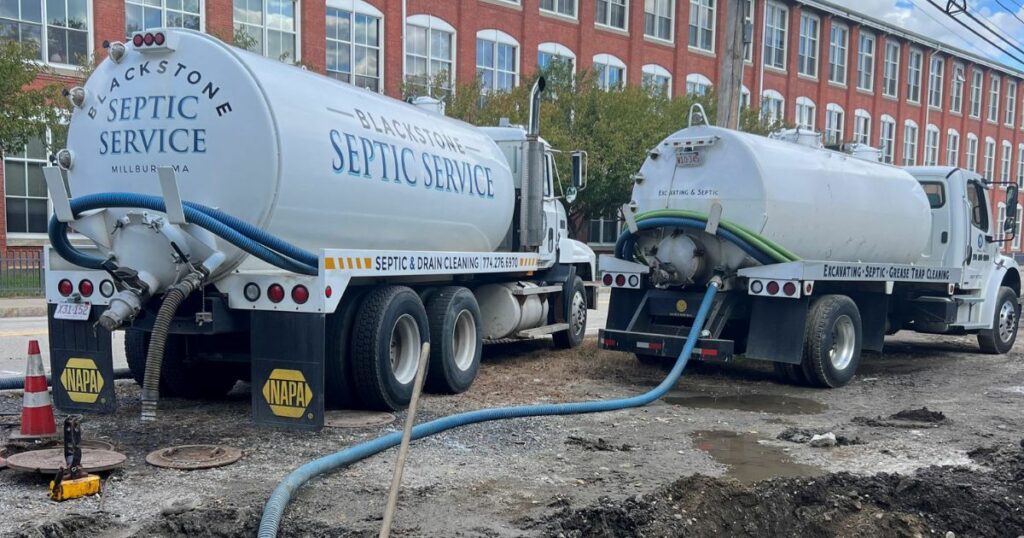
Credit: blackstonesepticservice.com
Non-obvious Insights Most Beginners Miss
- Septic tank pumping can temporarily create a vacuum in your plumbing system. If vents or traps are not working, this vacuum pulls sewer gases up into your home. Many people assume the smell means the tank was not pumped correctly, but it’s often a vent or trap issue.
- Gases can travel through the soil. If your septic tank or lines have even a small crack underground, gases can seep under your house and enter through tiny foundation cracks or crawlspaces. The smell may seem to come from nowhere, but it often follows the path of least resistance.
Common Myths About Sewer Smell After Septic Pumping
- Myth: Pumping always gets rid of all odors.
Fact: Pumping can sometimes make hidden problems worse if vents, traps, or seals are weak.
- Myth: Adding bleach to drains will solve the smell.
Fact: Bleach can harm your septic system and rarely fixes the root problem.
- Myth: Sewer gas is just unpleasant, not dangerous.
Fact: High levels of hydrogen sulfide and methane can be dangerous, especially in closed spaces.
Key Takeaways For Homeowners
- Sewer smells after septic tank pumping are common but always a sign of a problem.
- Most cases are due to blocked vents, dry traps, or broken seals.
- Simple inspections and maintenance can prevent most odors.
- Don’t ignore persistent smells—some gases are harmful.
- Professional help is needed if the smell is strong, persistent, or you see signs of leaks or backups.
Frequently Asked Questions
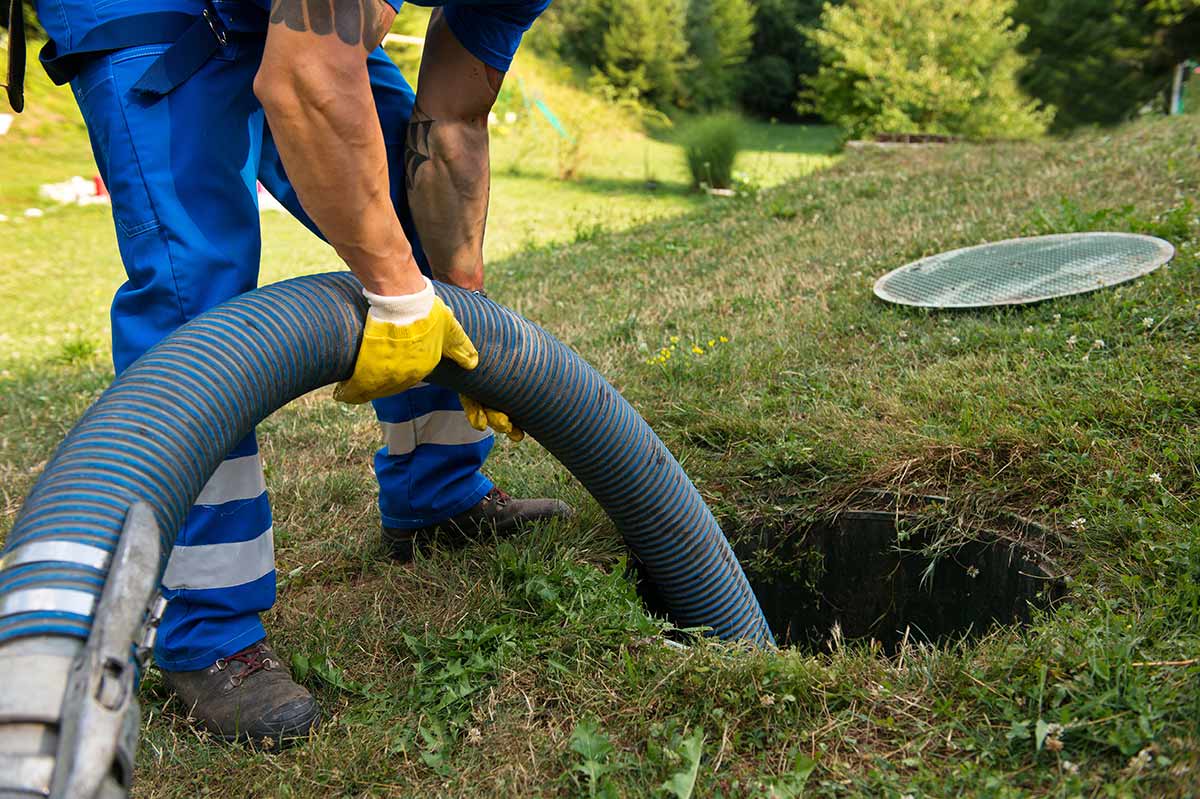
Credit: ecocare.com.au
What Is The Main Reason For Sewer Smell After Septic Tank Pumping?
The most common reason is a dry or empty P-trap. When the tank is pumped, air pressure can pull water out of the trap, letting gases into your house. Blocked vents and broken seals are also frequent causes.
Can Sewer Gas Be Dangerous To My Health?
Yes, sewer gas contains hydrogen sulfide and methane, which can cause headaches, nausea, and dizziness at high levels. In rare cases, it can be harmful or even explosive if it builds up in a closed space. Proper ventilation and quick repairs are important.
How Long Should The Smell Last After Septic Tank Pumping?
If everything is working, any mild odor should disappear within a few hours. If the smell lasts more than 48 hours, or gets worse, there is likely a problem with vents, traps, or seals that needs fixing.
Should I Try To Fix Sewer Smells Myself Or Call A Professional?
You can try simple fixes like refilling P-traps and checking for vent blockages. If these don’t work, or if you notice leaks, water backups, or strong smells, it’s best to call a licensed plumber or septic specialist.
How Can I Prevent Sewer Smells In The Future?
Keep up with regular septic maintenance, test all drains and vents once or twice a year, and replace old seals or pipes as needed. Teach everyone in your house what not to flush or pour down the drain. If you notice slow drains or gurgling, address them early.
For more detailed guidance on septic system maintenance, the EPA Septic Systems Guide is an excellent resource.
A fresh, clean-smelling home is possible with a little care and attention to your septic system. By understanding the causes of sewer smell after pumping, you can act quickly and avoid bigger problems down the road.