
If you own an above-ground pool, you want to keep it safe, level, and in good condition for as long as possible. You might have heard that some people put pavers under the legs of their pools. Is this really necessary?
Will it make your pool last longer or safer? Many pool owners feel uncertain about this step. Let’s explore why you might—or might not—want to use pavers under your pool legs, the risks involved, how to do it properly, and what alternatives exist.
Why Pool Leg Support Matters
An above-ground pool is a big investment, often costing hundreds or even thousands of dollars. Most of these pools use a frame with several metal or plastic legs, which carry the entire weight of the water, pool walls, and swimmers.
For example, a 15-foot round pool filled with water can weigh over 5,000 gallons, which is about 41,730 pounds (18,930 kg). That’s a lot of pressure on a small area.
If the legs sink into the ground, tilt, or shift, the entire pool can become unlevel. This can lead to:
- Pool wall collapse: When the pool is not level, water puts more force on some parts of the wall.
- Frame damage: Bent or twisted legs can break, especially with use.
- Liner damage: A leaning pool can stretch or tear the liner.
- Safety risks: An unstable pool is a hazard for children and adults.
Pool legs need a solid, level base to avoid these problems. That’s where pavers come into the discussion.
What Are Pavers And Why Use Them?
Pavers are flat, solid blocks made of concrete, stone, or brick. People use them for patios, walkways, and sometimes as a base for heavy objects. For pools, the idea is simple: place a paver under each leg to spread out the weight and stop sinking.
Key Benefits Of Pavers
- Weight distribution: Pavers spread the load over a wider area, so the legs won’t sink into soft ground as easily.
- Stability: A hard surface under the legs keeps them level and less likely to shift.
- Protection from ground moisture: Pavers can keep legs away from wet soil, reducing rust and corrosion.
- Easier to level: You can adjust the ground under each paver for a perfectly flat setup.
Common Paver Sizes For Pools
Most above-ground pools do well with pavers sized:
- 12 x 12 inches (30 x 30 cm)
- 16 x 16 inches (40 x 40 cm)
Thickness usually ranges from 1. 5 to 2 inches (4 to 5 cm). Using larger pavers can further reduce sinking, especially on softer ground.

Credit: www.youtube.com
Do All Pools Need Pavers Under The Legs?
Not every pool setup requires pavers. It depends on several factors:
- Ground type: Hard, compacted ground might hold up without extra support, but sandy, muddy, or soft soil almost always needs pavers.
- Pool size and weight: Larger pools put more pressure on each leg.
- Manufacturer advice: Some pool manuals require pavers. Others do not mention them at all.
- Climate and weather: Areas with heavy rain or freeze-thaw cycles may see more ground shifting.
Let’s look at common pool types and recommendations.
Frame Pools (intex, Bestway, Coleman)
These pools use metal or plastic legs that rest directly on the ground. Most experienced owners and installers strongly recommend pavers for these pools, especially for models over 12 feet in diameter.
Inflatable Ring Pools
These pools have no legs, so pavers are not needed.
Permanent Above-ground Pools
Some permanent pools use a full metal wall and a solid base track. Pavers are usually not required, but consult your manual.
Risks Of Skipping Pavers
Many first-time pool owners set up their pool on grass or dirt without pavers. This often leads to problems:
- Uneven settling: Over a few weeks, some legs sink more than others, causing the pool to lean.
- Sudden leg failure: After heavy rain, legs can sink suddenly, risking a wall blowout.
- Shorter pool life: Metal parts corrode faster when in contact with damp soil.
Homeowners sometimes try to fix sinking legs by jacking up the frame and adding wood or bricks after the pool is full. This is dangerous and rarely produces a long-term fix.
How To Install Pavers Under Pool Legs
Putting pavers under pool legs is not difficult, but it requires care and patience. Here’s a step-by-step guide:
1. Choose The Right Pavers
Select concrete pavers at least 12 x 12 inches and 1. 5 inches thick. Make sure they are flat and not cracked. Avoid wood, which can rot or warp.
2. Prepare The Ground
- Mark out the pool location.
- Remove grass, roots, and rocks in the area.
- Use a level to check the ground is flat. Fill low spots with compacted sand or crushed stone.
- For very soft soil, dig a shallow hole for each paver so it sits flush with the ground.
3. Place Pavers
- Lay each paver where a pool leg will sit, based on your pool’s frame layout.
- Use a level to check each paver. Adjust the base as needed.
- Make sure all pavers are at the same height. Uneven pavers will make the pool unlevel.
4. Fill And Smooth
- Once pavers are set, add a thin layer of sand or pool pad over the rest of the base area for comfort and liner protection.
- Recheck all pavers before assembling the pool frame.
5. Assemble The Pool
- Place each leg directly in the center of a paver.
- Double-check that the frame is level all the way around before filling with water.
Real-world Example
A family in Texas set up a 15-foot Intex pool directly on their backyard soil. After two weeks, three legs had sunk almost 2 inches, and the pool leaned to one side. They drained, re-leveled, added 16 x 16 pavers, and the problem never returned.
Common Mistakes To Avoid
New pool owners often make these errors when using pavers:
- Pavers above ground level: If the paver is higher than the rest of the base, the liner will stretch over the edge, causing wear or tears.
- Small or thin pavers: 8-inch or garden stepping stones are often too small and may crack under pressure.
- Uneven or wobbly pavers: Not leveling each paver carefully can make the pool frame uneven.
- Mixing materials: Using bricks, wood, and concrete together can lead to uneven settling.
- Not enough pavers: Skipping legs or using pavers under only some legs defeats the purpose.
Comparing Pool Leg Support Options
Some people wonder if there are alternatives to pavers. The most common options are wood, patio blocks, or reinforced concrete pads. Let’s compare:
| Support Type | Cost | Durability | Ease of Installation | Best For |
|---|---|---|---|---|
| Concrete Pavers | Low | High | Easy | Most above-ground frame pools |
| Pressure-Treated Wood | Low/Medium | Medium | Medium | Temporary pools, budget setups |
| Patio Blocks | Medium | High | Easy | Permanent setups |
| Concrete Pad (full slab) | High | Very High | Difficult | Permanent, large pools |
What Happens If You Skip Pavers?
Some people wonder what the real risk is if they do not use pavers. Here’s a closer look at typical outcomes:
- Legs sink: Even hard ground can become soft after rain. Most frame pools start to show unevenness in the first month without pavers.
- Frame warping: The metal frame bends, making future setups more difficult.
- Wall or liner damage: Leaning pools put extra stress on the liner and walls, causing leaks or tears.
- Warranty issues: Some pool manufacturers may void your warranty if you do not follow setup instructions, which often include the use of pavers.
How Pavers Improve Pool Longevity
Using pavers is not just about preventing disaster. They also help your pool last longer:
- Prevents rust: By keeping legs off damp soil, you reduce rust, a common cause of early frame failure.
- Less liner stretching: A level pool means less stress on the vinyl liner, reducing the risk of tears.
- Easier maintenance: Stable legs mean you won’t have to drain and reset the pool every year.
- Safer swimming: A level pool is less likely to tip or collapse, keeping your family safe.
A simple setup with pavers can add several years to your pool’s usable life.
How Many Pavers Do You Need?
The number of pavers depends on the pool’s design. Most popular frame pools (Intex, Bestway) have a leg every 2-3 feet around the perimeter.
For example:
- 12-foot round pool: 10-12 legs = 10-12 pavers
- 15-foot round pool: 12-14 legs = 12-14 pavers
- 18-foot round pool: 14-16 legs = 14-16 pavers
- Rectangular 18×9-foot pool: 10-12 legs per side (usually 24 total)
Always count the exact number of legs on your pool before buying pavers.
Pavers And Pool Pads: Can You Use Both?
Many pool owners use a pool pad (such as Gorilla Pad or foam) to protect the liner from rocks and roots. It’s best to install pavers first, then lay the pad over the entire area, including the pavers. The pad adds comfort and liner protection but does not replace the need for pavers under each leg.
Adjusting For Slope Or Unlevel Ground
If your yard is not perfectly flat, you may need to build up some areas under the pavers. Use compacted sand, crushed stone, or gravel as a base. For slopes greater than 2 inches over the pool diameter, consider professional grading.
A common mistake is trying to “level” the pool after setup by lifting legs. Instead, always level the ground and pavers before assembling the pool.
Should You Bury The Pavers?
Some people set pavers so they are slightly below ground level. This prevents the liner from stretching over a sharp edge. In most cases, pavers should be flush with the ground or just barely above. Never leave a paver much higher than the surrounding area.
Long-term Maintenance With Pavers
Pavers require little ongoing care, but here’s what to check:
- Inspect each leg and paver yearly for cracking, sinking, or movement.
- Watch for erosion after heavy rains. Add soil or sand if needed to fill gaps.
- Replace broken pavers immediately. A cracked paver can fail suddenly under load.
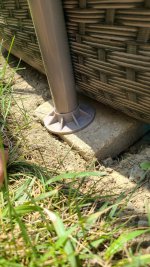
Credit: www.troublefreepool.com
Expert Advice And Pool Manufacturer Guidelines
Most pool manufacturers, such as Intex and Bestway, recommend using pavers or similar supports under each leg. They often specify the paver size and thickness in the setup instructions. Check your manual for details. Skipping this step could void your warranty.
Pool professionals almost always advise using pavers, especially for pools larger than 10 feet or on soft ground. Many experienced installers will not set up a pool without them.
Comparing Pavers To Other Base Materials
To help you decide, here’s another look at how pavers compare to other common pool base options:
| Base Material | Pros | Cons |
|---|---|---|
| Concrete Pavers | Affordable, durable, easy to find, reusable | Must be leveled carefully, can crack if thin |
| Patio Stones | Strong, good for larger pools | Heavier, more expensive |
| Pressure-Treated Wood | Cheap, easy to cut | Can rot, may warp, less durable |
| Directly on Soil | Quick, no cost | High risk of sinking, not recommended |

Credit: www.reddit.com
Real Pool Owner Experiences
Many pool forums and review sites are filled with stories from owners who skipped pavers and regretted it. For instance, a user shared how their new pool went from level to leaning more than 4 inches after just one rainstorm, causing a wall bulge and a costly liner tear.
In contrast, those who used pavers often report years of trouble-free use. A family in Pennsylvania said their Intex pool, set up with 16 concrete pavers, survived three summers with no frame movement, despite heavy rains and snow.
Cost Of Using Pavers
You might be wondering about the expense. Concrete pavers are usually inexpensive:
- 12 x 12-inch paver: $2–$4 each at hardware stores
- For a 14-leg pool, total cost is about $28–$56
Compared to the cost of a new pool liner ($100–$300), frame ($200+), or a collapsed pool, this is a small investment.
Environmental And Aesthetic Concerns
Some people worry that pavers will look ugly or damage their yard. In fact, pavers can be set flush so the grass grows around them, making them nearly invisible. They can be removed at the end of the season, leaving little trace.
If you want a more permanent look, consider using patio stones or decorative pavers. They can even become part of a future patio or walkway.
Alternatives To Concrete Pavers
If you cannot use concrete pavers, consider these options:
- Patio stones: Larger and heavier, but work well for big pools.
- Pressure-treated lumber: Use 2×8 or 4×4 blocks, but check yearly for rot.
- Custom concrete pads: Best for permanent pools, but higher cost.
- Heavy-duty plastic pads: Sold by some pool supply companies, but usually more expensive than concrete.
Avoid using bricks, regular wood, or thin stepping stones. These can break or rot easily.
Should I Put Pavers Under Pool Legs? The Verdict
If you want your pool to stay level, safe, and last for years, using pavers under pool legs is the smart choice for almost every above-ground frame pool. The only exceptions are inflatable ring pools (no legs) and some permanent, all-metal pools with a different support system.
The benefits—stability, safety, less maintenance, and longer pool life—far outweigh the small cost and effort. Even if your ground seems hard, weather and weight can cause settling over time.
If you are setting up a new pool or have had problems with leaning in the past, take the extra step and use pavers. Your pool, and your family, will thank you.
For further reading on pool safety and setup, you can check out the Pool & Spa News guide to above-ground pools.
Frequently Asked Questions
Do All Above-ground Pools Need Pavers Under The Legs?
Not all pools require pavers, but almost all frame pools with metal or plastic legs benefit from them. Inflatable ring pools (without legs) do not need pavers. Permanent above-ground pools with a solid base may not require them, but always check your pool manual.
What Size Pavers Should I Use For My Pool Legs?
The most common size is 12 x 12 inches and at least 1.5 inches thick. For larger or heavier pools, 16 x 16 inches is even better. Make sure the paver covers the full area under each leg.
Can I Use Wood Or Bricks Instead Of Concrete Pavers?
While pressure-treated wood blocks can be used temporarily, they may rot or warp over time. Regular bricks are too small and can crack. Concrete pavers or patio stones are best for long-term durability.
Should Pavers Be Above, Below, Or Flush With The Ground?
Pavers should be flush with the ground or just barely above. If they sit too high, the pool liner can stretch and wear out faster. If they are too low, the legs may still sink.
What If My Pool Is Already Set Up And Legs Are Sinking?
If you notice legs sinking after setup, drain the pool enough to relieve pressure. Carefully lift the frame and insert pavers under each leg, making sure everything is level. Do not try to fix sinking legs while the pool is full, as this is dangerous.
Taking the time to install pavers under your pool legs can save you from costly repairs, improve safety, and help you enjoy your pool for many summers to come.