
Urban life moves fast, with cars, buses, and motorcycles weaving through city streets every day. While these vehicles help us travel and move goods, they release a variety of pollutants into the air. Many people notice the smoky haze or smell exhaust fumes, but few understand just how deeply these pollutants affect city life. From harming people’s health to damaging buildings and even changing city weather, vehicle emissions reach into every part of urban living. This article explores the full impact of pollutants from vehicles in cities, revealing both the obvious and hidden effects that shape our environments.
The Main Pollutants From Vehicles
Vehicles produce a mix of gases and tiny particles. Not all emissions are the same, and each has a different effect on our air and health. Here are the main pollutants:
- Nitrogen oxides (NOx): This group includes nitrogen dioxide and nitric oxide. They form when fuel burns at high temperatures.
- Particulate matter (PM): These are tiny dust-like particles, especially PM2.5 and PM10, which are small enough to enter the lungs.
- Carbon monoxide (CO): A colorless, odorless gas that forms when fuel doesn’t burn completely.
- Volatile organic compounds (VOCs): Chemicals that easily become vapors or gases, some of which can cause cancer.
- Sulfur dioxide (SO2): Produced mainly from diesel and lower-quality fuels.
- Ozone (O3): Not released directly, but forms when NOx and VOCs react in sunlight.
Each of these has its own dangers, and together, they create a complex pollution problem in cities.
How Vehicle Pollutants Affect Human Health
The most serious effects of urban vehicle pollution fall on our health. Even low levels of pollutants can cause problems over time, especially in crowded cities where millions breathe the same air daily.
Short-term Health Effects
People often notice symptoms like:
- Coughing and throat irritation
- Headaches and dizziness
- Shortness of breath
- Eye irritation
These symptoms are common, especially on high-traffic days or during heatwaves when pollution is trapped near the ground.
Long-term Health Impacts
The real danger comes from long-term exposure. Some of the most serious health issues include:
- Asthma and other respiratory diseases: Children and the elderly are especially vulnerable.
- Heart disease: Pollution increases the risk of heart attacks and strokes by causing inflammation in blood vessels.
- Lung cancer: Tiny particles and chemicals can damage DNA, leading to cancer over time.
- Weakened immune system: Constant exposure makes it harder for the body to fight infections.
- Developmental issues in children: Studies show slower lung growth and even impacts on brain development.
Sensitive Groups At Higher Risk
Certain groups are more affected by vehicle pollution:
- Children: Their lungs are still developing.
- Elderly people: Often have weaker lungs and hearts.
- People with asthma or heart disease: Pollution can make these conditions worse.
- Outdoor workers: Spend more time breathing polluted air.
Data And Real-world Cases
For example, a 2022 study in London found that children living near busy roads had 5-10% lower lung capacity than those living in less polluted areas. The World Health Organization estimates that air pollution causes about 4.2 million deaths each year worldwide, with traffic being a major source in cities.
Environmental Impacts In Cities
Vehicle pollution does not just harm people; it also changes the city environment in ways that are sometimes hard to see.
Air Quality Degradation
The most direct effect is poorer air quality. Cities often measure this with the Air Quality Index (AQI). On high-traffic days, the AQI can reach “unhealthy” or even “hazardous” levels, especially in dense downtown areas.
Urban Smog
A familiar sight in many big cities, smog is a thick, brownish haze that forms when sunlight reacts with NOx and VOCs. Smog reduces visibility, damages lungs, and makes cities look less attractive.
Acid Rain
Vehicle emissions, especially NOx and SO2, contribute to acid rain. This rain:
- Damages buildings and monuments
- Harms plants and trees in parks
- Makes lakes and rivers more acidic
Impact On Urban Green Spaces
While parks and street trees help clean city air, constant pollution can weaken plants, cause leaves to yellow, and reduce the benefits green spaces provide.
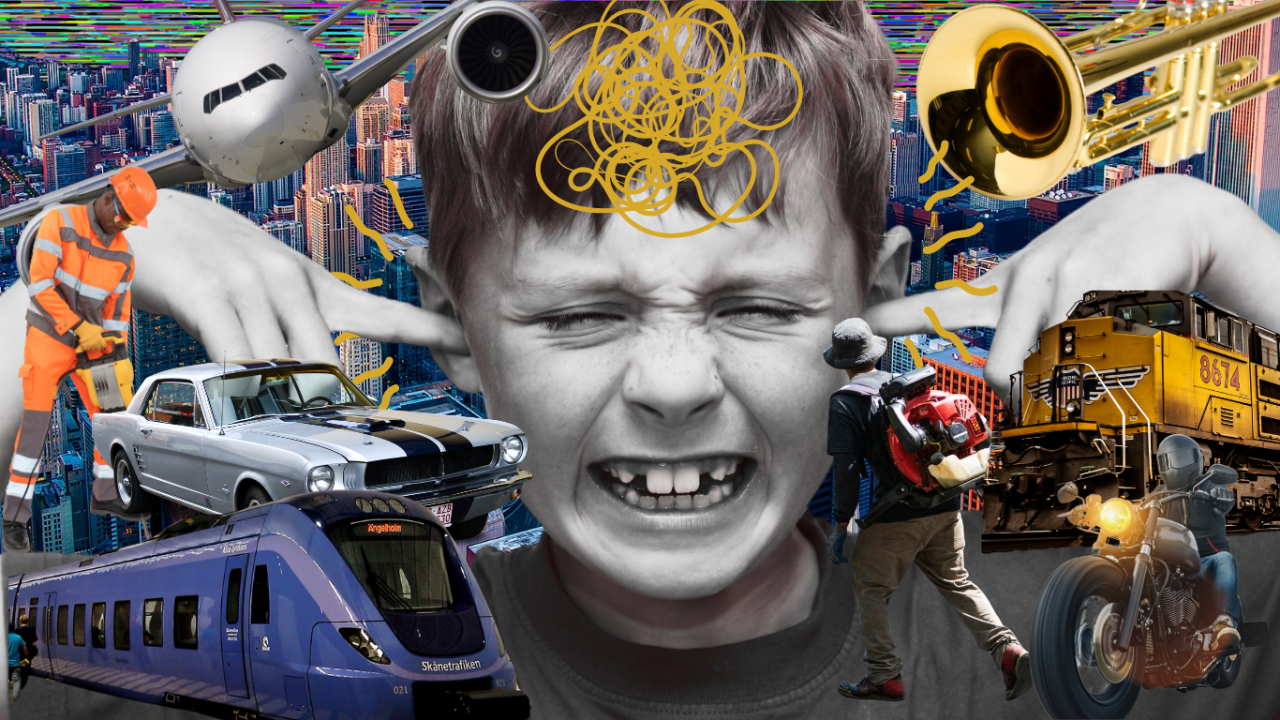
Noise Pollution
Many forget that vehicles also cause noise pollution, which is a different but related problem. Constant traffic noise can:
- Increase stress levels
- Disturb sleep
- Lower property values
Data Snapshot: Air Quality In Major Cities
Here is a comparison of annual average PM2.5 levels in selected cities:
| City | Annual PM2.5 (µg/m³) | WHO Guideline |
|---|---|---|
| Delhi | 98 | 5 |
| Beijing | 42 | 5 |
| London | 13 | 5 |
| Los Angeles | 12 | 5 |
As the numbers show, many cities have air pollution levels far above the recommended safe limit.
Impact On City Infrastructure And Buildings
Vehicle pollutants do not just float away; they settle on buildings, bridges, and roads, often causing unexpected damage.
Corrosion And Material Damage
Acid rain and soot from exhausts can erode stone, concrete, and metal. Famous landmarks like the Colosseum in Rome and the Taj Mahal have suffered visible damage from urban pollution.
Discoloration
Buildings near busy roads often turn gray or black over time. This is not just dirt—soot and chemical residues from vehicles stain surfaces, making cleaning difficult and expensive.
Reduced Lifespan Of Infrastructure
Bridges, road surfaces, and public art all degrade faster when exposed to constant pollution, leading to higher repair costs for city governments.
Example: Monument Damage
In Athens, the Parthenon has seen accelerated stone decay linked to vehicle emissions, showing that pollution can affect both new and ancient city structures.

Credit: elpasomatters.org
Effects On Urban Climate And Weather
Vehicle pollution can even change the local climate in cities, a problem called the urban heat island effect.
Warming The City
Dark particles from vehicle emissions absorb sunlight, raising city temperatures by 1–3°C compared to nearby rural areas.
Changing Rainfall Patterns
Pollutants can affect cloud formation and rainfall. Cities may see more frequent but shorter rain showers, or even less overall rain, changing water availability.
Reduced Sunlight
Smog and haze block sunlight, creating days that are dim even when the sun is shining. This can affect people’s mood, energy use, and even plant growth.
Example: Heatwave Impact
During the 2003 European heatwave, cities with high pollution saw more deaths, partly because the air was both hotter and more polluted than usual.
Economic Costs Of Vehicle Pollution
Pollution is not just a health or environmental issue; it also costs cities—and their residents—real money.
Health Care Expenses
Treating diseases linked to air pollution, like asthma and heart attacks, adds billions to health budgets every year. For example, the European Union spends an estimated €62 billion annually on health costs related to air pollution.
Lost Workdays And Productivity
People who are sick miss work. Even those who feel “a little off” are less productive. In China, studies show that high pollution days reduce city-wide work efficiency by up to 12%.
Damage To Tourism
Tourists avoid cities known for smog or dirty landmarks. Cities like Beijing and New Delhi have seen drops in visitor numbers during pollution crises.
Costs To Infrastructure
As mentioned earlier, faster wear and tear on buildings and roads mean more frequent repairs and higher taxes or public spending.
Real-world Data: The Economic Impact
Here’s a comparison of estimated economic losses from vehicle-related air pollution in selected cities:
| City | Estimated Annual Loss (USD) | Main Cause |
|---|---|---|
| Mumbai | $2.7 billion | Health care, lost productivity |
| Los Angeles | $1.4 billion | Health, infrastructure |
| Paris | $1.0 billion | Tourism, health |
These numbers show that the economic costs of pollution are significant and affect many city services.
Credit: coeh.ucdavis.edu
Social And Psychological Effects
Beyond physical health, living with constant vehicle pollution changes how people feel and interact in their city.
Reduced Quality Of Life
People may avoid walking, biking, or spending time outdoors, especially in summer or during “bad air” days. This leads to less exercise, more stress, and weaker communities.
Impact On Mental Health
Recent studies link high pollution to higher rates of depression and anxiety. Constant exposure to dirty air can make people feel tired or less motivated.
Social Inequality
Pollution often hits poorer neighborhoods hardest, as these areas are near busy roads or highways. This creates a cycle where people with fewer resources face higher health risks.
Example: School Absences
In Los Angeles, schools near highways have higher student absence rates, showing how pollution can affect education and social mobility.
Effects On Urban Wildlife
City wildlife, from birds to insects, also suffer from vehicle pollution.
Respiratory Issues In Animals
Birds and small mammals breathe the same air as people. High levels of particulate matter can cause illness or even death, reducing urban biodiversity.
Disruption Of Ecosystems
Pollutants can change the chemistry of city water and soil, affecting plants, insects, and animals. For example, high NOx levels can damage sensitive plants in city parks.
Fewer Pollinators
Vehicle emissions make it harder for bees and butterflies to find flowers, reducing pollination and threatening city gardens and farms.
Example: Bird Population Decline
A study in Tokyo found that bird populations near major roads were 40% lower than in quieter areas, linked to both air and noise pollution.
Why Vehicle Pollutants Are Hard To Control
Many cities try to fight pollution, but it is not easy. Here’s why:
Sheer Number Of Vehicles
As cities grow, more people buy cars and motorcycles. Even with cleaner engines, the total pollution can rise if there are too many vehicles.
Old And Poorly Maintained Vehicles
Older vehicles release more pollution. In some countries, 30–40% of cars are over 15 years old and lack modern filters.
Traffic Jams
Stop-and-go traffic increases emissions. Engines run less efficiently, and more time on the road means more pollution.
Fuel Quality
Low-quality fuel contains more sulfur and impurities, making exhaust even more harmful.
Weak Enforcement
Many cities have pollution rules, but not all enforce them strictly. Fake inspection certificates and lack of regular checks allow dirty vehicles to stay on the road.
Example: Policy Gaps
In Jakarta, even after introducing vehicle emission standards, lack of roadside checks meant many polluting vehicles continued to operate.
Real Solutions: What Cities Are Doing
Despite these challenges, some cities have found ways to reduce vehicle pollution.
Promoting Public Transport
Cities like Singapore and Zurich have invested in fast, reliable public transport, reducing the number of private vehicles.
Low Emission Zones
London and Berlin have low emission zones where older, dirtier vehicles must pay a fee or are banned entirely.
Encouraging Electric Vehicles
Subsidies and charging stations help people switch to electric cars, which produce no tailpipe emissions.
Improving Fuel Quality
Many countries now require cleaner fuels with less sulfur, reducing harmful emissions.
Urban Green Spaces
Planting more trees and creating green barriers along roads helps trap pollutants and cool the air.
Real-world Impact
After introducing stricter emission standards and promoting electric buses, Shenzhen, China, saw its PM2. 5 levels drop by 32% in five years.
Data Table: Strategies And Results
| City | Key Action | Pollution Reduction (%) |
|---|---|---|
| London | Low Emission Zone | 20 |
| Shenzhen | Electric Buses | 32 |
| Stockholm | Congestion Tax | 15 |
This data shows that cities can make real progress with the right policies and enforcement.

Credit: earth.org
Non-obvious Insights About Vehicle Pollution
Even in cities with good air quality overall, certain areas—like tunnels, parking garages, or street canyons—can have much higher pollution for short periods. These “hot spots” can be up to 10 times more polluted than city averages, meaning people who spend time there are at extra risk.
Another overlooked effect is that microplastics from tire wear are now recognized as a major source of urban pollution. These tiny plastic pieces end up in the air, water, and even inside human bodies, with health impacts still being studied.
What Individuals And Communities Can Do
City residents are not powerless. Here are practical steps everyone can take:
- Use public transport, bike, or walk when possible.
- Keep vehicles well maintained to reduce emissions.
- Avoid idling engines, especially in traffic or while parked.
- Support local clean air policies and join neighborhood groups.
- Plant trees or shrubs near homes and schools as green barriers.
- Check the local Air Quality Index (AQI) before outdoor activities, especially for children and sensitive groups.
Each small change adds up, especially when whole communities get involved.
Looking Ahead: The Future Of Urban Air
The battle against vehicle pollution in cities is ongoing. New technology, like zero-emission vehicles and smarter traffic systems, offers hope. But cities must also focus on reducing the total number of vehicles, not just making them cleaner. Real change comes when people, businesses, and governments work together for cleaner, healthier urban air.
For deeper scientific background, the World Health Organization provides detailed air quality guidelines and research. You can explore their resources at WHO Air Pollution.
Frequently Asked Questions
Why Are Children More Affected By Vehicle Pollution Than Adults?
Children breathe faster and have developing lungs, so they take in more polluted air relative to their size. Their bodies are less able to filter out harmful particles, making them more vulnerable to asthma and other long-term problems.
What Is Pm2.5 And Why Is It Dangerous?
PM2.5 refers to tiny particles smaller than 2.5 micrometers. They are small enough to enter deep into the lungs and even the bloodstream, causing heart, lung, and other diseases. These particles mostly come from vehicle exhaust in cities.
Can Planting Trees Really Reduce Vehicle Pollution In Cities?
Yes, but only as part of a larger solution. Trees and plants help trap some pollutants and cool the air, but they cannot fully solve the problem if vehicle emissions are high. A mix of fewer vehicles, cleaner fuels, and green spaces works best.
How Can I Protect Myself On High-pollution Days?
Check the AQI before going outdoors. If the air quality is poor, avoid heavy exercise outside, keep windows closed, and use air purifiers indoors. Masks designed for pollution (not just dust) can also help filter out particles.
Are Electric Vehicles A Complete Answer To Urban Air Pollution?
Electric vehicles reduce local air pollution because they have no exhaust. However, pollution can still come from electricity generation and tire wear. Cities also need to reduce overall traffic and encourage public transport for the best results.
Cleaner air is possible, but it requires action from everyone—individuals, communities, and governments. Understanding the many effects of vehicle pollution is the first step toward building cities where everyone can breathe easier.