
A bad smell coming from your shower drain can turn a relaxing shower into a nightmare. When that smell is strong, musty, or even like a dead animal, it gets much worse. These odors are not just annoying—they might also be a sign of a bigger problem in your bathroom or plumbing system. If you feel embarrassed when guests visit, or you avoid your own shower because of the smell, you’re not alone. This problem is more common than you might think.
But where does this terrible smell come from? Is it really a dead animal? Or is something else causing it? In this guide, you’ll learn the real reasons why your shower drain smells like dead animal, what you can do about it, and how to stop it from happening again. We’ll also look at when you need a plumber, which cleaning solutions actually work, and the mistakes most people make that make the odor even worse. With the right knowledge, you can fix this issue for good—and enjoy your bathroom again.
Why Does My Shower Drain Smell Like Dead Animal?
The smell of a dead animal coming from your shower drain doesn’t always mean there’s a dead animal inside. Often, other causes create a similar strong, rotten smell. Here are the most common reasons:
1. Bacterial Growth
Bacteria love the warm, wet environment inside your pipes. As they break down hair, soap scum, and body oils, they produce gases like hydrogen sulfide. This gas smells like rotten eggs or decaying flesh. If you don’t clean your drain often, bacteria build up and the smell gets worse.
2. Clogged Drain
A clogged drain traps water, hair, and soap. Over time, these materials start to rot, creating a strong and unpleasant odor. Even a partial clog can slow water flow and make the smell come back after every shower.
3. Dry Or Broken P-trap
Your shower’s P-trap is a curved pipe under the drain. It holds water, which blocks sewer gases from rising into your bathroom. If the P-trap is dry (for example, if you haven’t used the shower in a while), sewer gases flow freely, making the room smell like a dead animal. A cracked or damaged P-trap can also let odors escape.
4. Biofilm And Gunk
Biofilm is a slimy layer of bacteria, mold, and other microbes that sticks to the inside of pipes. As it grows, it traps particles that rot, creating strong, musty smells. Biofilm can even make drains look clean from the outside while hiding the real problem inside.
5. Mold And Mildew
Showers are perfect places for mold and mildew. If water stays trapped under tiles or around the drain, mold grows and releases a musty, earthy odor. Sometimes, these smells combine with others to create something similar to dead animal.
6. Sewer Gas Leaks
A leak in the plumbing system can let sewer gases (like methane and hydrogen sulfide) escape into your shower. These gases have a very strong, rotten smell that’s often compared to decaying animals.
7. Dead Animal In The Drain
While rare, it is possible for a small animal (like a mouse or lizard) to crawl into bathroom pipes and die. The decaying body causes a strong, unmistakable stench. This is more common in old houses or homes with open vent pipes.
8. Faulty Venting
Plumbing pipes need ventilation to let air in and out. If the vent is blocked, air can’t move, and bad smells are pushed back into your bathroom. This can mimic the smell of a dead animal.
Key insight: Many people assume there’s always a dead animal, but most smells are caused by trapped waste, bacteria, or plumbing problems—not animals.
How To Identify The Real Cause
To fix the smell, you first need to find out what’s causing it. Here’s how you can narrow it down.
Step 1: Check When The Smell Appears
- If the smell is always present, even when not using the shower, it’s likely sewer gas or a dry P-trap.
- If the smell gets worse during or after a shower, think about clogs, biofilm, or bacterial growth.
Step 2: Look For Other Signs
- Slow drainage suggests a clog or buildup.
- Gurgling sounds can mean venting problems.
- Visible mold or dark stains around the drain point to mold or mildew.
- Water damage under the shower or in nearby rooms hints at leaks.
Step 3: Inspect The P-trap
Shine a flashlight down the drain. Pour a little water into the drain and listen—if you hear gurgling, the P-trap might be empty or broken.
Step 4: Compare To Other Drains
Smell other drains in your bathroom or home. If they all have a similar odor, it’s likely a sewer gas issue.
Step 5: Look For Animal Entry Points
Check for open vent pipes on your roof or gaps around plumbing. If you see droppings or animal hair near the drain, a dead animal is more likely.
The Dangers Of Ignoring A Bad Smell
Some people try to ignore the smell, hoping it will go away. This is a mistake. Here’s why you should always fix a shower drain smell like dead animal:
- Sewer gas exposure: Breathing sewer gases like hydrogen sulfide can cause headaches, dizziness, and nausea.
- Mold growth: Mold spores can cause allergies, asthma, and long-term health problems.
- Plumbing damage: Clogs and leaks get worse over time, leading to expensive repairs.
- Attracting pests: Rotting material in drains can attract insects and other pests.
- Embarrassment and stress: A smelly bathroom makes your home less inviting and can cause stress.
How To Fix A Shower Drain Smell Like Dead Animal
You don’t need to call a plumber right away. In many cases, you can solve the problem yourself. Here’s a step-by-step plan.
Step 1: Flush The P-trap
Pour a bucket of water (about 1 gallon) down the drain to fill the P-trap. If the smell disappears, the trap was dry.
Pro tip: To keep the trap from drying out, run water in unused showers every week.
Step 2: Remove And Clean The Drain Cover
Unscrew and lift the drain cover. Remove any visible hair, soap, or gunk with a gloved hand or a brush.
Step 3: Use A Drain Snake Or Zip-it Tool
Insert a drain snake or a plastic Zip-It tool to pull out hair and debris. Don’t force it—gentle movements work best.
Step 4: Clean With Baking Soda And Vinegar
Pour 1 cup of baking soda down the drain, followed by 2 cups of white vinegar. Cover the drain for 10–15 minutes, then flush with hot water.
This helps break down biofilm and kills some bacteria.
Step 5: Deep Clean With Enzyme Cleaner
Use an enzyme drain cleaner (sold at hardware stores). These cleaners eat organic waste in pipes. Follow the instructions on the label.
Insight: Enzyme cleaners are safer for pipes than chemical drain openers, which can damage old plumbing.
Step 6: Clean Around The Drain
Scrub the shower floor and tiles near the drain with a bleach solution (1 part bleach to 10 parts water) or a mold remover. This kills mold and mildew.
Step 7: Check For Leaks
Look under the shower or in the ceiling below for signs of water damage. If you see wet spots, peeling paint, or stains, you might have a plumbing leak.
Step 8: Improve Ventilation
Open the bathroom window or run a fan during and after showers. Good airflow helps prevent mold and keeps the P-trap from drying out.
Step 9: Inspect For Dead Animals
If the smell is very strong and nothing else works, use a flashlight to look deep into the drain or vent pipe. Sometimes, you may need to remove a section of pipe or call a professional to remove the animal safely.
Warning: Never pour strong chemicals (like bleach and ammonia together) down the drain. This creates toxic fumes.
When To Call A Plumber
Not every drain smell can be fixed with home cleaning. Call a plumber if:
- The smell returns quickly after cleaning
- Multiple drains smell bad
- You hear loud gurgling or bubbling in the pipes
- You see water leaks, wet spots, or mold outside the shower
- You think there is a dead animal in a hard-to-reach place
- DIY methods don’t work
Professional plumbers have special tools, like cameras and high-pressure water jets, to find and remove deep clogs or animal remains.
Common Mistakes That Make The Problem Worse
Even well-meaning homeowners sometimes make things worse. Here are mistakes to avoid:
- Using too much chemical cleaner: Strong chemicals can damage pipes and only remove surface smells, not the real cause.
- Ignoring slow drains: A slow drain means a clog is forming. Don’t wait until the smell gets bad.
- Not cleaning the drain cover: Gunk builds up under the cover, even if you can’t see it.
- Skipping regular cleaning: Waiting too long between cleanings lets bacteria and mold grow.
- Blocking the vent pipe: Storing things over vents or covering outdoor pipes traps odors inside.
- Forgetting the P-trap: Not filling the P-trap in unused showers is a common cause of bad smells.
Non-obvious insight: Many people never clean the shower drain at all—hair and soap scum can build up for years before a major smell appears.
Preventing Shower Drain Odors For Good
Once you’ve fixed the smell, keep your bathroom fresh by following these habits:
Regular Cleaning Routine
- Clean the drain cover every week.
- Use a drain snake once a month.
- Pour boiling water down the drain weekly to melt soap and grease.
Use Drain Screens
Install a drain screen to catch hair and debris before it goes down the pipe. Clean it after every shower.
Deodorize Naturally
Pour a cup of white vinegar or baking soda down the drain once a week to kill bacteria and freshen the smell.
Keep The Bathroom Dry
Wipe down tiles and floors after showers. Run a fan or open a window to lower humidity.
Check For Leaks
Look under the shower, around the drain, and in nearby rooms for signs of moisture or mold. Early repairs are cheaper and prevent bigger problems.
Use Enzyme Cleaners Monthly
Add enzyme drain cleaners to your routine to break down organic matter and stop smells before they start.
Comparing Cleaning Solutions
Different cleaning methods have their pros and cons. Here’s a comparison to help you choose the right one:
| Method | Effectiveness | Safety | Best Use |
|---|---|---|---|
| Baking Soda & Vinegar | Moderate | Very Safe | Regular cleaning, mild odors |
| Enzyme Cleaner | High | Safe | Breaking down organic waste |
| Chemical Drain Opener | Fast, but temporary | Can damage pipes | Severe clogs, not for regular use |
| Boiling Water | Low | Very Safe | Prevent buildup |
Tip: Always try the safest option first before using strong chemicals.

Credit: www.reddit.com
Signs Your Problem Is More Serious
Most drain smells are easy to fix, but sometimes they point to a larger issue. Watch for:
- Persistent odors even after deep cleaning
- Multiple smelly drains in your home
- Backed-up water in showers or sinks
- Water stains or mold outside the bathroom
- Unusual noises from pipes
If you notice these signs, you may have a broken sewer line, blocked vent, or hidden leak. These problems require professional help.
Understanding Sewer Gas And Your Health
Sewer gas contains many chemicals, including hydrogen sulfide, methane, and ammonia. In small amounts, it just smells bad. In higher amounts or with long exposure, it can cause:
- Headaches
- Eye and throat irritation
- Coughing
- Dizziness
- Nausea
Very high levels (rare in homes) can be dangerous. If you feel sick when you smell the drain, open windows and leave the bathroom. Call a plumber to fix the problem.
How Plumbing Vents Affect Drain Smells
Every drain in your home connects to a system of vent pipes. These pipes let air flow in and out, balancing pressure and carrying smells outside.
If a vent is blocked by leaves, bird nests, or debris, sewer gas gets trapped and escapes through your shower drain instead. Clearing a blocked vent usually requires going on the roof, so call a plumber if you suspect this problem.
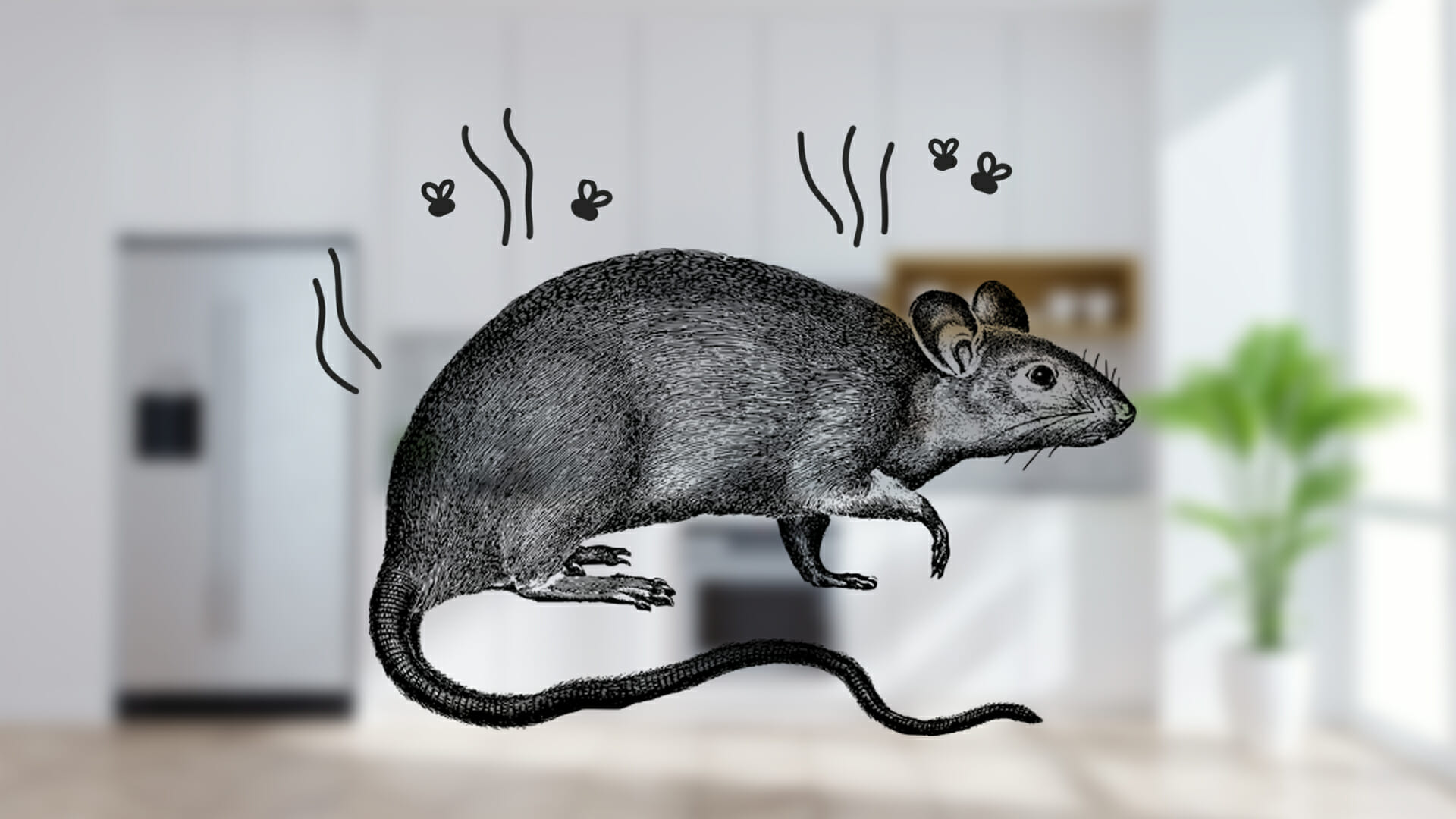
What If You Actually Have A Dead Animal?
If you are sure there’s a dead animal in your drain (strong rotten smell, hair, or fur coming up, or you see animal remains), it’s best to call a professional. Trying to remove it yourself can be messy and unsafe—bacteria and parasites can live on dead animals.
A plumber or animal control expert has the right tools and protective gear. After removal, clean the area with disinfectant to kill germs.
Non-obvious insight: Even after a dead animal is removed, the smell can stay for days. Use strong fans, open windows, and clean with enzyme cleaners to break down lingering odors.
Credit: integrumservices.co.uk
Case Study: Real-world Example
A family in an older home reported a strong rotten smell in their bathroom. They cleaned the drain, poured vinegar and baking soda, and even used chemical drain openers. The smell kept coming back. A plumber found a dry P-trap in an unused guest shower—sewer gas was leaking into the bathroom.
Filling the trap with water solved the problem instantly.
In another case, a homeowner noticed a musty, animal-like smell that got worse after heavy rain. The vent pipe on the roof was blocked by a bird’s nest, forcing sewer gases into the shower. Clearing the vent fixed the smell for good.
These real examples show that the cause is not always what you expect—and why a careful inspection is important.
Cost Comparison: Diy Vs. Professional Help
Fixing a smelly drain can be affordable or expensive, depending on the cause and your approach. Here’s a look at common costs:
| Solution | Average Cost | When to Choose |
|---|---|---|
| DIY Cleaning (baking soda, vinegar) | $5–10 | Simple clogs, regular cleaning |
| Enzyme Cleaner | $10–20 | Organic buildup, recurring smells |
| Drain Snake | $10–30 | Hair clogs, deeper cleaning |
| Professional Plumber | $100–300+ | Major clogs, leaks, animal removal |
| Vent Clearing | $150–350 | Blocked vent pipes, persistent smells |
Key tip: Try simple, low-cost fixes first. If the smell doesn’t go away, invest in a professional before the problem gets worse.
How Often Should You Clean Your Shower Drain?
Many people only clean the drain when there’s a problem. For best results:
- Clean the drain cover every week
- Use a drain snake and enzyme cleaner once a month
- Pour hot water or vinegar down the drain weekly
- Fill unused shower drains with water every two weeks
Regular care prevents smells and keeps your plumbing healthy.
Products And Tools That Help
Here are some tools and cleaners that make the job easier:
- Plastic Zip-It tool: Great for pulling hair and gunk from shallow drains.
- Drain snake: Reaches deeper clogs.
- Enzyme cleaners: Break down waste without harsh chemicals.
- Drain screens: Keep hair and debris out.
- Baking soda, vinegar: Cheap, safe, and effective for regular cleaning.
- Bathroom fan: Reduces humidity and mold growth.
Always read product instructions and use gloves for safety.
Real Data: How Common Is This Problem?
A study by the Environmental Protection Agency found that about 20% of U.S. homes have plumbing odors each year. Of these, the most common causes are dry P-traps (40%), clogged drains (30%), and vent problems (15%). Actual dead animals are found in less than 5% of cases.
This means you’re more likely to have a fixable plumbing issue than an animal problem.
What Professionals Say
Most plumbers agree: Regular cleaning is the best way to stop shower drain smells. If you notice a strong, sudden odor, check the P-trap first. For ongoing or severe smells, don’t wait—call a professional before bigger damage occurs.
For more information on safe cleaning methods, see this EPA guide.

Credit: www.reddit.com
Frequently Asked Questions
Why Does My Shower Drain Smell Even After Cleaning?
The smell may come from deeper in the pipes or from a dry P-trap. If you’ve cleaned the surface, try flushing the trap with water and using an enzyme cleaner. Check for vent blockages or leaks if the smell continues.
Can Shower Drain Smells Make Me Sick?
Short-term exposure to mild odors is usually safe. Strong or long-lasting sewer gas can cause headaches, nausea, and breathing problems. If you feel unwell, leave the area and seek help.
How Do I Know If There’s A Dead Animal In My Drain?
A dead animal usually creates a strong, rotten smell that appears suddenly. You may see fur, bones, or insect activity. If cleaning doesn’t help and the odor is very strong, call a professional.
How Often Should I Clean My Shower Drain?
Clean the drain cover weekly, use a drain snake and enzyme cleaner monthly, and pour hot water or vinegar weekly. Fill unused drains with water every two weeks to keep the P-trap wet.
When Should I Call A Plumber For A Smelly Shower Drain?
Call a plumber if the smell returns after cleaning, affects multiple drains, you hear loud gurgling, see leaks, or suspect a dead animal deep in the pipes.
A smelly shower drain can be frustrating, but with the right steps, you can solve the problem and keep your bathroom fresh. Remember: Most smells are caused by fixable plumbing issues—not dead animals. Regular cleaning and quick action are the keys to a healthy, odor-free home.