
If you’ve ever opened your bathroom sink cabinet and caught a whiff of something unpleasant, you’re not alone. Many homeowners face the mystery of a smell under bathroom sink cabinets—a blend of musty, rotten, or even sewer-like odors. These smells can make your bathroom less inviting, cause embarrassment when guests visit, and sometimes signal bigger problems hiding below the surface.
But what causes these odors, and more importantly, how can you fix them? In this guide, you’ll learn why that nasty smell appears, how to pinpoint the source, and proven ways to get your bathroom fresh again. Whether you’re a new homeowner or have lived in your house for years, understanding these issues can save you time, money, and stress.
Let’s dive in and bring back the fresh air to your bathroom.
Why Does It Smell Under The Bathroom Sink Cabinet?
Finding the source of a bad smell is the first step toward a solution. Bathroom sink cabinets are small, enclosed spaces with pipes, cleaning supplies, and dampness—all perfect conditions for odors. Here are the main reasons smells appear:
1. Plumbing Leaks
Even a small leak can cause big problems. Water leaks under the sink often go unnoticed because they drip slowly or only happen when you use the faucet. Over time, water soaks into the wood or particle board of your cabinet, leading to mold, mildew, and rot. This creates a musty, earthy smell that’s hard to ignore.
Many leaks are so slow that you might not spot a puddle. Instead, you may see warped cabinet boards or notice a white, chalky buildup (from minerals in the water). Small leaks can also attract pests seeking moisture, making the problem worse.
2. Mold And Mildew Growth
Mold and mildew thrive in dark, damp places. If your cabinet stays moist—either from leaks or high humidity—mold can start growing within days. It often smells like wet socks or old basement. Mold is not just smelly; it’s also bad for your health, especially if you have allergies or asthma.
Mold doesn’t need standing water to grow; even damp air can be enough. Watch for fuzzy patches or stains on wood, pipes, or inside corners. Sometimes, the mold is hidden behind or under items stored in the cabinet.
3. Sewer Gas Escape
A rotten-egg or sewage smell usually means sewer gas is leaking into your bathroom. This can happen if the plumbing “P-trap” (the U-shaped pipe under your sink) is dry, cracked, or not installed correctly. Sewer gas contains hydrogen sulfide and other gases that smell bad and can be harmful if inhaled over time.
If you rarely use a certain bathroom, the P-trap water can evaporate, letting gas in. Sometimes, a loose connection or missing seal lets sewer gas escape even if the trap is full. You might notice the smell gets stronger after heavy rain if your home’s venting isn’t working well.
4. Decaying Organic Material
Sometimes, food particles, hair, or soap scum get trapped in the drain. As these organic materials break down, they release foul odors. This is more common in bathrooms where people brush their teeth, shave, or wash their hands with oily soaps.
These buildups can create a sludge inside the pipes that not only smells but can also slow down drainage. If your bathroom smells worse after someone uses the sink, organic buildup is likely.
5. Chemical Smells
Bathroom cabinets often store cleaning products, bleach, or drain openers. If these chemicals spill or containers leak, strong chemical smells can build up in the closed space. Old cleaners can also react with each other, creating new odors.
Even unopened containers can sometimes leak fumes, especially if they get hot or are stored for years. You may also notice a sharp, eye-watering smell when opening the cabinet after cleaning.
6. Pest Infestation
Small insects or rodents sometimes make their way under bathroom sinks, especially if there’s an entry point around the pipes. Their droppings, nesting material, or even dead bodies can cause persistent odors that don’t go away with regular cleaning.
Roaches, ants, or mice can all create unique smells. You may also hear scratching sounds or notice small holes in boxes or insulation as clues.
7. Old Or Damaged Plumbing Materials
Over time, rubber gaskets, caulking, or plastic pipes can break down and release smells as they age. These materials can give off a “plastic” or “burnt rubber” odor, especially in older homes.
Look for pieces of rubber or flakes in the cabinet, or check for discolored or cracked seals around pipe connections.
How To Identify The Source Of The Smell
Pinpointing where the smell comes from is key to fixing it. Here’s how to investigate:
Visual Inspection
Open the cabinet and shine a flashlight inside. Look for:
- Water stains or swelling on wood panels (leaks)
- Black, green, or white spots (mold/mildew)
- Cracks or gaps around pipes
- Droppings or debris (pests)
- Discolored caulking or rubber gaskets
Move stored items out of the way to check all corners. Sometimes damage hides behind bottles or bins, so check every surface.
Smell Test
Try to narrow down the smell. Is it:
- Musty or earthy? (mold/mildew)
- Rotten eggs? (sewer gas)
- Chemical or bleach-like? (cleaners)
- Rotting or decaying? (food, hair, pests)
Sniff near drain pipes, the back wall, and chemical containers. Different odors often mix, so try to find the strongest spot.
Feel For Moisture
Run your hand around the pipes and cabinet floor. If it feels damp or wet, you likely have a leak.
Check under and behind pipes, and feel the bottom of stored items. Moisture often pools in hidden spots.
Check The P-trap
The P-trap should always contain water to block sewer gas. If your sink hasn’t been used for a long time, the trap might be dry.
Shine a light into the drain and listen for gurgling sounds, which can mean air is getting in.
Use A Moisture Meter
A moisture meter is a small tool that detects water inside walls or cabinets. It helps find hidden leaks.
Moisture meters can be borrowed from hardware stores, and they’re especially useful if you suspect water damage behind walls or under the cabinet floor.
Non-obvious Insight: Hidden Gaps
Sometimes, smells come from behind the cabinet—like a crack in the wall or floor. Use your nose near these areas to check for escaping air.
Pull the cabinet slightly forward (if possible) to check behind it. Small cracks can let in air from crawl spaces or basements.
Non-obvious Insight: Seasonal Changes
Notice if the smell gets worse during rainy weather or when the bathroom is steamy. This can point to outside moisture or venting issues.
If you live in a humid climate, condensation can also add moisture, even if you have no leaks.
Most Common Types Of Odors And What They Mean
Different smells can mean different problems. Here’s a quick guide:
| Odor Type | Possible Cause | Health Risk |
|---|---|---|
| Musty/Earthy | Mold or mildew | Allergies, asthma |
| Rotten eggs | Sewer gas leak | Headaches, nausea |
| Chemical | Cleaning products, leaks | Respiratory irritation |
| Rotten/Decay | Food, hair, pests | Bacterial growth |
| Burnt rubber/plastic | Old gaskets, pipe materials | Unpleasant, rarely harmful |
If your bathroom has a mix of these odors, you may have more than one issue. For example, a musty smell with a hint of rot could mean both mold and organic buildup.
Step-by-step Solutions To Remove Smell
Once you know the cause, you can take action. Here’s how to tackle each problem:
1. Fix Leaks
- Turn off the water supply to the sink.
- Tighten loose connections with a wrench.
- Replace cracked pipes or fittings.
- If you see water damage on the cabinet, dry it with a fan or hairdryer.
- For serious leaks, call a licensed plumber.
Don’t forget to check pipe joints and shutoff valves, as these are common places for small leaks.
2. Clean Mold And Mildew
- Wear gloves and a mask to avoid breathing in spores.
- Mix one cup of bleach with one gallon of water.
- Scrub the affected area with a stiff brush.
- Let it dry completely. Keep the cabinet open and use a fan if possible.
- For large mold areas, hire a professional.
If you’re sensitive to bleach, white vinegar can also kill many types of mold. Clean all items stored in the cabinet to prevent spores from spreading.
3. Restore The P-trap
- Run water down the drain for a minute to refill the P-trap.
- Check for leaks after refilling.
- If the trap is cracked or smells persist, replace it with a new one.
If you keep forgetting to use the sink, pour a little vegetable oil into the drain after water. The oil slows evaporation.
4. Clear Organic Material
- Remove the drain stopper and clean it with hot, soapy water.
- Pour a mix of baking soda and vinegar down the drain. Wait 15 minutes, then flush with hot water.
- For tough clogs, use a drain snake or call a plumber.
Don’t use chemical drain cleaners, as they can damage pipes and add new smells. If you see black sludge, repeat the cleaning every few months.
5. Remove Chemical Smells
- Safely dispose of old, leaking, or unused chemicals.
- Wipe down cabinet surfaces with warm water and mild soap.
- Store chemicals in tightly sealed containers.
Keep chemicals in a plastic tray or bin to catch leaks. Never mix different cleaning products, as they can react and create toxic fumes.
6. Deal With Pests
- Seal gaps around pipes with silicone caulk or foam.
- Remove any nesting material or droppings using gloves.
- Place traps if necessary, or contact a pest control professional.
Check for food crumbs or water sources that attract pests. Wash the cabinet with disinfectant after removing pests.
7. Replace Old Materials
- Swap out old gaskets, washers, or pipes with new, odor-free parts.
- Re-caulk around pipes or cabinet edges if you see cracks.
Choose high-quality silicone caulk for a better seal. If you’re replacing pipes, consider metal instead of plastic for durability.
8. Improve Ventilation
- Leave the cabinet door open after cleaning to let air flow.
- Install a small battery-powered fan or dehumidifier if the cabinet stays damp.
In humid climates, a dehumidifier for the whole bathroom can help prevent moisture problems everywhere.
9. Odor Absorbers
Place activated charcoal, baking soda boxes, or odor-absorbing gels inside the cabinet to keep air fresh.
Replace these every 2–3 months, or whenever you notice the smell returning.
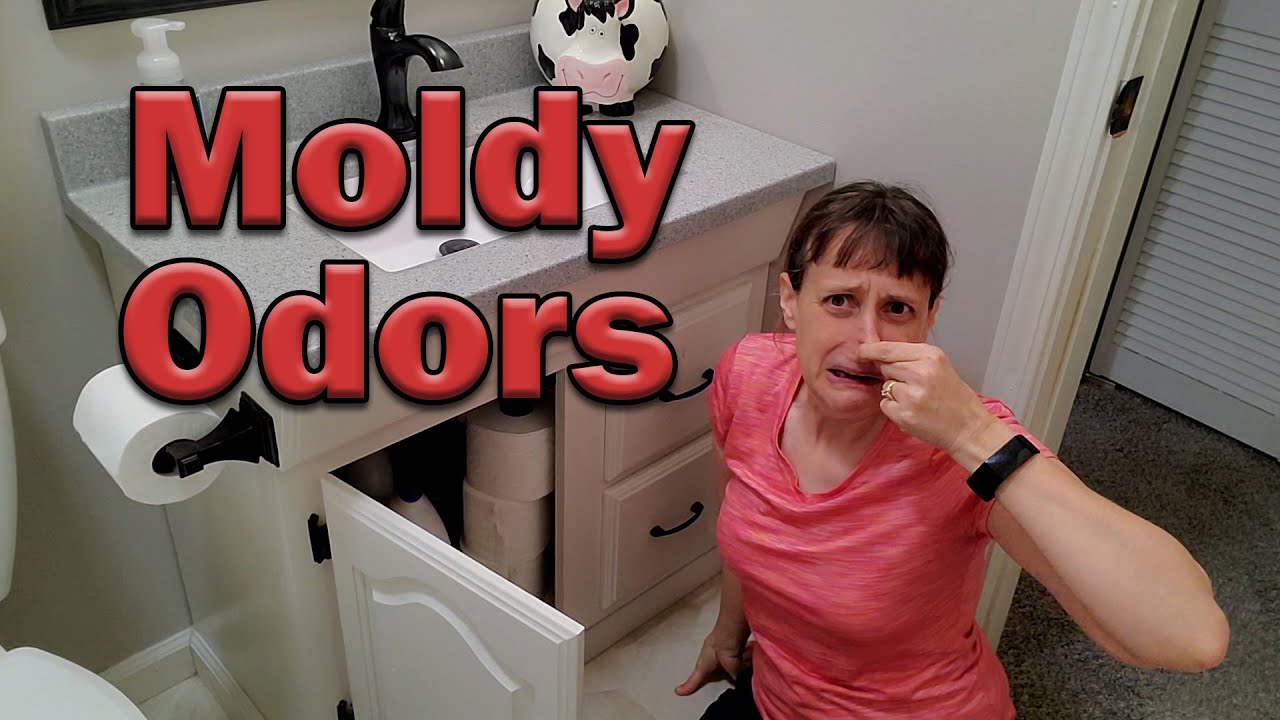
Credit: www.youtube.com
Prevention: Keeping Your Bathroom Sink Cabinet Smell-free
Fixing the smell is only half the battle. Preventing future odors saves you from repeating these steps. Here’s how to keep your cabinet fresh:
Regular Checks
- Every month, open the cabinet and check for leaks or musty smells.
- Run water in the sink weekly, especially in guest bathrooms.
Set a reminder on your phone or calendar for regular inspections. Early detection is the best way to avoid big repairs.
Proper Storage
- Store cleaners and chemicals in sealed bins.
- Avoid keeping wet towels or sponges under the sink.
If you need extra storage, add a waterproof mat on the cabinet floor to catch spills.
Moisture Control
- Use a small dehumidifier in bathrooms with poor airflow.
- Wipe up spills or splashes right away.
Keep the bathroom door open after showers to let moisture escape.
Maintenance For P-trap
- Pour a cup of water down the drain if you haven’t used the sink in a while.
- If your home has low humidity, traps can dry out faster—check them more often.
A simple tip: keep a list of rarely used sinks and check them during your regular cleaning routine.
Seal Gaps
- Use caulk or foam to close gaps around pipes and cabinet edges. This keeps out pests and moisture.
Inspect caulking every year for cracks or gaps, and reapply as needed.
When To Call A Professional
Some problems are bigger than DIY fixes. Call a plumber or contractor if:
- The leak returns after repair.
- Mold covers a large area (more than 10 square feet).
- The cabinet is rotting or falling apart.
- You smell gas or suspect sewer line problems.
- You find evidence of a large pest infestation.
Professionals can also check for hidden leaks using thermal cameras or moisture sensors, which are tools most homeowners don’t have.

Credit: www.reddit.com
How To Choose The Right Products For Cleaning And Odor Removal
Many products claim to remove odors, but not all are safe or effective for bathroom cabinets. Here’s what to look for:
| Product Type | Best For | Notes |
|---|---|---|
| Baking soda | Absorbing musty smells | Safe, cheap, easy to use |
| Activated charcoal | Neutralizing strong odors | Lasts longer than baking soda |
| Bleach solution | Killing mold and mildew | Use gloves; ventilate area |
| Enzyme drain cleaner | Organic buildup in pipes | Gentle on plumbing |
| Odor-absorbing gel | Ongoing freshness | Replace every 1–2 months |
Non-obvious Insight: Avoid Strong Scents
Don’t use heavy air fresheners to mask smells. These can mix with the odor and make it worse. Always solve the root cause first.
Non-obvious Insight: Product Placement
Put odor absorbers on the cabinet floor, not on the shelf, for best results. Odors sink and will be absorbed faster.
Some products, like bamboo charcoal bags, can be hung from a hook if you have limited floor space.
Health Risks Linked To Smell Under Bathroom Sink
Some people ignore smells, but they can signal health dangers:
- Mold spores can trigger allergies, coughing, and asthma.
- Sewer gas contains hydrogen sulfide, which causes headaches, nausea, and in rare cases, poisoning.
- Chemical fumes from cleaners can irritate eyes and lungs.
- Pest droppings may carry bacteria that cause illness.
Children and elderly people are especially sensitive to these risks. If you smell something odd and feel sick, leave the bathroom and get fresh air before investigating.
If you or your family have breathing problems, headaches, or feel unwell, fix the odor problem right away.

Credit: www.reddit.com
Cost Comparison: Diy Vs. Professional Help
Solving cabinet smells can be cheap or expensive, depending on the cause. Here’s a comparison:
| Solution | DIY Cost | Pro Cost |
|---|---|---|
| Minor leak repair | $10–$40 (parts) | $100–$250 |
| Mold removal (small) | $5–$20 (cleaners) | $500–$2,000 |
| P-trap replacement | $15–$30 | $100–$200 |
| Odor absorbers | $2–$10 | N/A |
| Pest control | $10–$50 (traps, sealant) | $150–$500 |
DIY fixes are often enough for minor problems. For health risks or big repairs, a professional is worth the cost.
Also, professionals offer guarantees on their work, which can save money and stress if the problem comes back.
Real-life Example: Solving A Persistent Bathroom Cabinet Smell
Let’s look at a real scenario. Jane noticed a musty smell under her bathroom sink. She checked for leaks but found nothing. The smell got worse after showers. She bought air fresheners, but they didn’t work. Finally, Jane took these steps:
- Removed everything from the cabinet.
- Wiped down all surfaces.
- Used a moisture meter and found dampness near the back wall.
- Discovered a small crack in the wall where water leaked in during showers.
- Sealed the crack with waterproof caulk.
- Cleaned mold with a bleach solution.
- Placed baking soda on the floor of the cabinet.
Within a week, the smell was gone and never came back.
Key lessons: Always check hidden spots, and tackle moisture at the source.
Another example: Mark had a sewer smell that only appeared in winter. He learned his P-trap was drying out because his guest bathroom stayed unused for months. Pouring water in monthly ended the problem. Small, simple actions can make a big difference.
Smart Upgrades To Prevent Future Odors
If you plan to remodel or upgrade your bathroom, make choices that prevent smells:
- Use water-resistant cabinets made from PVC or treated wood.
- Install an exhaust fan to lower humidity.
- Choose flexible silicone caulking around pipes.
- Add a small vent or louvered door to the cabinet for air flow.
- Pick stainless steel P-traps that last longer than plastic.
For even better results, install a leak detector alarm under the sink. It will beep if water is detected, so you can fix leaks before they cause smells or damage.
These steps add value to your home and keep your bathroom fresh for years.
Sustainability Tips: Eco-friendly Odor Solutions
You can fight cabinet smells without harsh chemicals:
- Use white vinegar to wipe down surfaces; it kills mold and deodorizes.
- Try bamboo charcoal bags as natural air purifiers.
- Use biodegradable enzyme cleaners for clogs.
- Recycle old cleaning products at a hazardous waste center.
For a homemade odor absorber, fill a small bowl with dry coffee grounds—they absorb smells and add a pleasant scent.
These solutions are safer for pets, children, and the environment.
Frequently Asked Questions
What Is The Most Common Cause Of Smell Under Bathroom Sink Cabinets?
The most common cause is mold and mildew from water leaks or high humidity. Other frequent causes include clogged drains, sewer gas, or chemical spills.
How Do I Know If The Smell Is Dangerous?
If the odor smells like rotten eggs (sewer gas) or you see black mold, it could be dangerous. Headaches, dizziness, or breathing problems are signs to take action right away. If unsure, contact a professional.
Can I Use Bleach To Clean All Types Of Smells?
Bleach is effective against mold and mildew but doesn’t remove all smells. Don’t use bleach on colored or sensitive surfaces, and never mix it with ammonia or vinegar. For organic or chemical odors, use baking soda or charcoal instead.
How Often Should I Check Under My Bathroom Sink For Leaks Or Smells?
Check once a month for leaks, moisture, or odors. Also, inspect after plumbing work or heavy use. Early checks prevent bigger, costly problems.
Are There Long-term Solutions To Prevent Smells Under The Sink?
Yes. Seal all gaps, use water-resistant materials, keep the area dry, and improve ventilation. Regular cleaning and quick repairs are the best long-term solutions.
If you want more detailed guidance on plumbing and home maintenance, the Family Handyman website has expert articles and tutorials.
Keeping your bathroom fresh takes some effort, but it’s worth it. With the right steps, you can solve cabinet smells for good—and enjoy a clean, healthy home.