
When you look at a swimming pool and see clear blue water, it’s easy to think it’s clean and safe. But if the water turns green or cloudy, you know something is wrong. Most often, this change comes from algae growth. Algae is a tiny plant-like organism that quickly spreads in pools when conditions are right. One key factor that affects algae growth is temperature. So, what temp does algae grow in pool? Understanding the answer will help you keep your pool clean, safe, and inviting.
This article explains everything you need to know about the relationship between pool temperature and algae growth. You’ll learn how temperature triggers algae, what range is most risky, and how to prevent it. We’ll cover common mistakes, practical tips, and scientific facts, so you’ll have a complete guide to managing algae in any climate.
What Is Algae And Why Does It Grow In Pools?
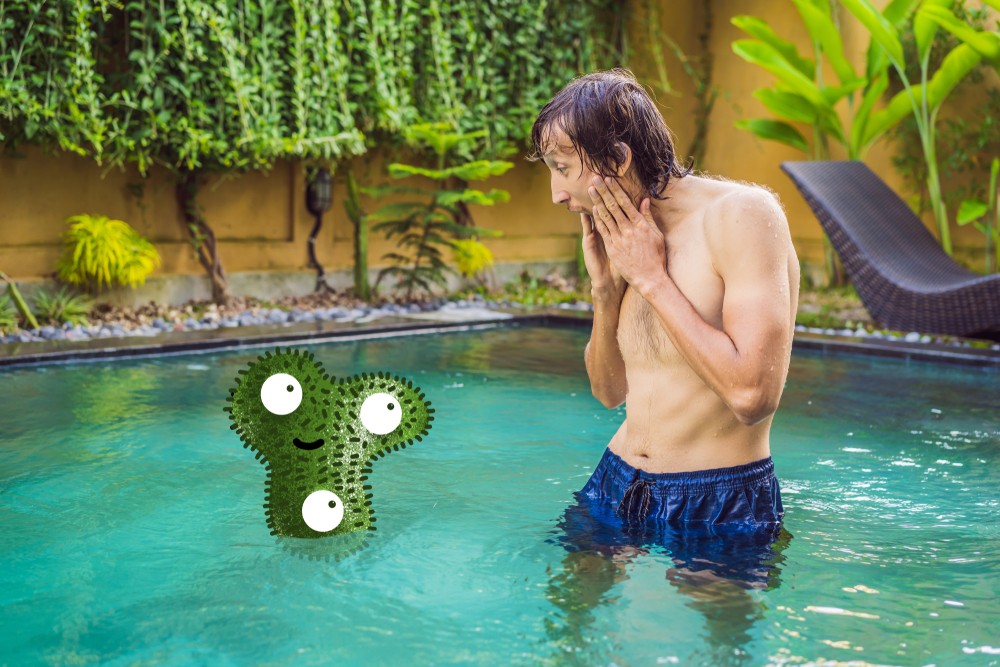
Algae are simple organisms that use sunlight to make food. They live in water, soil, and even air. In swimming pools, algae can appear as green, yellow, black, or pink patches. It spreads fast and can make water unsafe for swimming.
Algae is not just ugly—it can cause slippery surfaces, hide bacteria, and block pool filters.
Pools are a perfect home for algae because they provide:
- Water: Algae need moisture to survive.
- Sunlight: Pools exposed to sun help algae grow faster.
- Nutrients: Leaves, dust, sweat, and sunscreen add nutrients to pool water.
- Warm temperatures: Heat speeds up algae growth.
Keeping algae out of your pool takes more than cleaning. It requires understanding how temperature affects algae and what steps you can take to control it.
How Temperature Affects Algae Growth
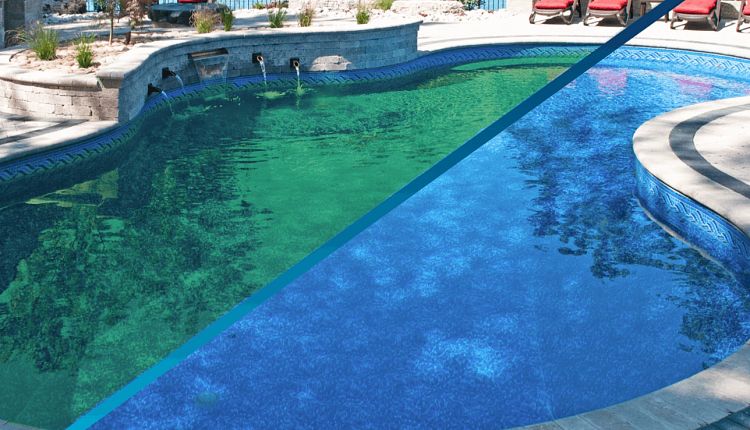
Temperature is one of the most important factors for algae in pools. When the water gets warm, algae multiply quickly. If it’s too cold, they grow slowly or not at all. But what is the exact temperature range where algae thrive?
The Critical Temperature Range For Algae Growth
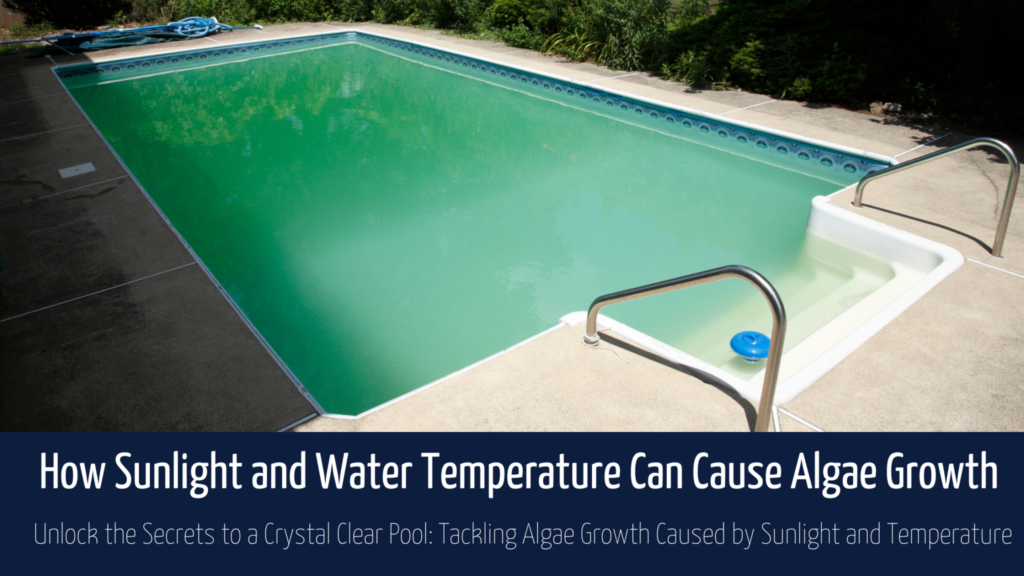
Most pool algae start growing when water temperature is above 60°F (16°C). Growth speeds up as temperature rises. The fastest growth happens between 70°F and 90°F (21°C to 32°C). Above 90°F, algae can still grow, but pool chemicals often become less effective, making algae harder to control.
Here’s a simple breakdown:
- Below 60°F (16°C): Algae growth is very slow or stops.
- 60°F–70°F (16°C–21°C): Algae start to grow, but not rapidly.
- 70°F–90°F (21°C–32°C): Ideal range for algae. Growth is fast and visible.
- Above 90°F (32°C): Algae can survive, but water may become uncomfortable for swimming.
Why Warm Water Triggers Algae
Algae are like plants—they need warmth and sunlight. In warmer water, their cells work faster. Photosynthesis (the process of making food from sunlight) happens quickly, leading to more growth. Warm water also reduces the effectiveness of pool chemicals like chlorine, which allows algae to survive even if you’re treating your pool.
Real-life Example
If you have a pool in Florida or Texas, you’ll notice green water much sooner than someone with a pool in Michigan. In hot climates, pools often reach 80°F or higher during summer. Algae can appear in just a few days if the pool is not maintained.
In cooler climates, algae might take weeks or months to grow.
Common Types Of Pool Algae And Their Temperature Preferences
There are several kinds of algae found in pools. Each has its own favorite conditions, including temperature.
Green Algae
This is the most common type. It spreads quickly in warm water and sunlight. Green algae usually start appearing when water is above 70°F (21°C).
Yellow (mustard) Algae
Yellow algae prefer shady areas of the pool. They can survive in slightly cooler water but grow fastest between 75°F and 85°F (24°C–29°C).
Black Algae
Black algae are tougher and grow slowly. They like warm water (above 75°F (24°C)) and rough surfaces, such as concrete or plaster.
Pink Algae
Pink algae are actually bacteria, not true algae. They like warm, still water and can survive in temperatures as low as 65°F (18°C).
Comparison Table: Algae Types And Temperature Preferences
| Algae Type | Preferred Temp Range | Growth Speed | Common Locations |
|---|---|---|---|
| Green Algae | 70°F–90°F | Very Fast | All pool surfaces |
| Yellow Algae | 75°F–85°F | Fast | Shady pool areas |
| Black Algae | 75°F+ | Slow | Rough surfaces |
| Pink Algae | 65°F+ | Moderate | Still water, corners |
How Pool Temperature Changes Throughout The Year
Pool water temperature depends on your location, season, and whether your pool is heated or covered.
Outdoor Pools
- Summer: Water often reaches 75°F–85°F (24°C–29°C), which is perfect for algae.
- Spring/Fall: Water ranges from 60°F–75°F (16°C–24°C). Algae may grow slowly.
- Winter: Water is usually below 60°F (16°C). Algae growth stops or is very slow.
Indoor Pools
Indoor pools are usually heated to 78°F–82°F (26°C–28°C) all year. This means algae can grow at any time unless chemicals are managed well.
Heated Pools
Heated pools allow swimming all year. If the water is kept above 70°F (21°C), algae can be a year-round problem.
The Science Behind Algae Growth Rates
Algae growth is measured by how fast algae cells multiply. In water between 75°F and 85°F, algae can double every 24 hours. In colder water, it might take several days.
For example, in a pool at 80°F (27°C) with poor chemical balance, green algae can cover the pool surface in a week. At 65°F (18°C), the same algae might take 2–3 weeks to become visible.
Factors That Influence Growth Speed
- Sunlight: Direct sunlight increases water temperature and triggers algae growth.
- Pool covers: Covers can trap heat, raising water temperature.
- Depth: Shallow pools warm faster than deep pools.
- Usage: Crowded pools collect more nutrients, feeding algae.
Data Table: Algae Growth Rate Vs. Temperature
| Water Temp (°F) | Growth Rate | Time to Visible Growth |
|---|---|---|
| 60°F | Very Slow | 2–4 weeks |
| 70°F | Slow | 1–2 weeks |
| 80°F | Fast | 3–7 days |
| 90°F | Very Fast | 2–5 days |
How Pool Owners Can Control Algae Growth
Understanding what temperature triggers algae is only the first step. You can’t always control the weather, but you can control other factors. Here’s how to keep your pool clean and algae-free.
Maintain Proper Pool Chemistry
The most important defense is chlorine. Chlorine kills algae and stops it from growing. In warm water, chlorine gets used up faster, so you need to check levels often.
- Keep chlorine between 1.0–3.0 ppm (parts per million).
- Shock the pool with extra chlorine after heavy use or rain.
- Use algaecide if algae keep coming back.
Non-obvious tip: In hot climates, test chlorine daily—not weekly. Many beginners miss this step and find algae growing overnight.
Clean Your Pool Regularly
Brush pool walls, steps, and corners at least once a week. Vacuum debris and leaves, which feed algae. Clean filters every month.
- Common mistake: Only cleaning visible areas. Algae often hide in corners and under ladders.
Use Pool Covers Wisely
Pool covers can help keep debris out, but they also trap heat. In summer, remove covers during the day to let water cool. Use covers only at night or during storms.
Control Water Temperature
If you have a heated pool, set the thermostat below 75°F (24°C) during warm months. This slows algae growth and saves energy.
Monitor Water Circulation
Stagnant water is a playground for algae. Run your pump for 8–12 hours daily in summer. Make sure all areas of the pool get circulation.
Limit Nutrient Sources
Don’t let leaves, grass, or dirt fall into the pool. Shower before swimming to remove sweat and sunscreen, which feed algae.
Credit: www.lathampool.com
Mistakes Pool Owners Make When Dealing With Algae
Many people think algae is only a problem in dirty pools, but even well-maintained pools can get algae if temperature and chemical balance are wrong.
Not Testing Water Often Enough
Most owners test water once a week. In summer, this is too little. Warm water uses up chemicals fast, so test every 2–3 days.
Ignoring Pool Temperature
Many owners don’t know their pool temperature. Buy a pool thermometer and check daily. If water is above 75°F, increase your chemical checks.
Overusing Pool Covers
Leaving covers on all day in hot weather can raise water temperature, creating ideal conditions for algae.
Using Cheap Chemicals
Low-quality chlorine or algaecide may not work in warm water. Invest in good products and follow instructions.
Waiting Until Algae Is Visible
By the time you see green patches, algae have already spread. Prevention is easier than cure.
How Climate And Location Affect Algae Growth
Where you live changes how often you fight algae. In tropical and subtropical areas, pools stay warm almost all year. In northern climates, cold winters kill most algae, but summer brings fast growth.
Example: Southern Vs. Northern Pools
Pools in Florida or California often reach 85°F (29°C) in summer. Owners must check chemicals daily and expect algae outbreaks after storms.
Pools in Minnesota or Canada rarely go above 75°F (24°C) except for a few months. Algae is a summer-only problem.
Data Table: Climate Impact On Pool Algae Growth
| Climate Zone | Average Pool Temp (Summer) | Algae Risk Level | Maintenance Frequency |
|---|---|---|---|
| Tropical | 80°F–90°F | Very High | Daily |
| Subtropical | 75°F–85°F | High | Every 2–3 days |
| Temperate | 65°F–75°F | Moderate | Weekly |
| Cold | Below 60°F | Low | Monthly |
Non-obvious Insight: Even In Cold Climates, Heated Indoor Pools Can Face Year-round Algae Problems. Don’t Assume Winter Means No Algae—check Your Pool’s Temperature And Chemical Balance.
How To Prevent Algae Growth In Different Pool Types
Pools come in many shapes and sizes. Algae can grow in all of them if conditions are right.
In-ground Pools
These pools warm up faster and are exposed to sunlight. Brush walls and steps weekly. Use a cover only at night.
Above-ground Pools
Often shallower, so they heat up quickly. Test water more often in summer. Clean filters every two weeks.
Saltwater Pools
Saltwater pools use salt to produce chlorine. In warm water, salt cells may not produce enough chlorine. Test chlorine levels regularly.
Indoor Pools
Temperature stays high, so algae can grow anytime. Use UV systems or ozone to help control algae.
Public Pools
Heavy use brings more nutrients. Clean daily and check chemicals morning and evening.
Practical Steps For Pool Owners
Keeping your pool algae-free takes effort, but it’s not hard if you follow these steps:
- Check pool temperature daily.
- Test chlorine and pH every 2–3 days in warm months.
- Brush and vacuum all pool surfaces weekly.
- Run pump for at least 8 hours a day.
- Remove debris and leaves quickly.
- Shower before swimming to reduce nutrients.
- Use pool covers only when needed.
- Shock the pool after rain or heavy use.
- Use algaecide if algae come back.
- Check filters monthly and clean as needed.
Credit: compasspoolsmelbourne.com.au
Advanced Algae Prevention Methods
If you face algae often, try advanced methods:
- UV Pool Sanitizers: Kill algae and bacteria using ultraviolet light.
- Ozone Systems: Add ozone to water, breaking down algae.
- Phosphate Removers: Reduce nutrients that feed algae.
- Automation Systems: Control temperature and chemicals automatically.
These systems cost more but save time and reduce algae risk in warm climates.
The Role Of Pool Chemistry In Algae Prevention
Temperature isn’t the only factor. Chemical balance matters too. Besides chlorine, pH and alkalinity affect algae growth.
- Keep pH between 7.2–7.6 for best chlorine effectiveness.
- Keep alkalinity between 80–120 ppm.
- High pH makes chlorine less effective, especially in warm water.
If your pool water is warm but chemical balance is perfect, algae are less likely to grow.
Credit: romanellipools.com
Scientific Studies On Algae Growth And Pool Temperature
Researchers have studied how temperature affects algae in water. One study found that green algae grew three times faster at 80°F than at 65°F. Another study showed that chlorine breaks down faster in hot water, making it less effective.
These findings confirm what pool owners see: warm water means more algae and more maintenance.
You can read more about algae and pool science at Wikipedia.
Frequently Asked Questions
How Fast Does Algae Grow In Warm Pool Water?
Algae can double every 24 hours in water above 75°F (24°C). In very hot weather, visible patches may appear in just 3–5 days if chemicals are not managed well.
Can Algae Grow In Cold Pool Water?
Yes, but growth is much slower. Below 60°F (16°C), algae may take weeks or months to become visible. Most pool owners see little or no algae in cold water.
Does Heating My Pool Increase Algae Risk?
Yes. Heated pools stay in the ideal algae growth range (70°F–90°F). If you heat your pool, check chemicals more often and clean regularly.
Will A Pool Cover Stop Algae From Growing?
Not always. Covers keep debris out but can also trap heat, raising water temperature. Use covers at night or during storms, but remove during hot days.
What Is The Best Way To Prevent Algae In Warm Climates?
Check pool temperature and chemicals daily. Brush all surfaces weekly, run the pump longer, and use algaecide if needed. Shower before swimming to reduce nutrients.
Keeping your pool clean means understanding how temperature affects algae. Warm water is the main trigger for fast algae growth. By checking pool temperature, managing chemicals, and cleaning often, you can enjoy clear water all summer. Even in hot climates, a little effort goes a long way.
Remember, prevention is easier and cheaper than fighting algae after it appears. With these tips and insights, you’ll have a pool that’s safe, sparkling, and ready for fun.