
Every parent wants their child to grow up healthy, full of energy, and ready to enjoy life. We worry about their food, their safety, and their education. But there is something invisible, often ignored, that puts our children at risk every day: traffic pollution. This silent threat is everywhere—on busy roads, near schools, and even in our own neighborhoods. Many parents do not realize how dangerous air pollution from cars, trucks, and buses can be for children’s bodies and minds.
Traffic pollution is not just a problem for big cities. Even small towns and suburbs can have high levels of harmful chemicals in the air, especially near roads with heavy traffic. Children breathe more air than adults compared to their body size, and their lungs and brains are still growing.
This makes them more sensitive to toxins in the air. Over time, the effects can be serious, leading to health problems that last a lifetime.
Let’s look closer at why traffic pollution is so dangerous for kids, what the main risks are, and what parents and communities can do to protect the next generation.
What Is Traffic Pollution?
Traffic pollution means the harmful substances released into the air by cars, buses, trucks, and motorcycles. When engines burn fuel, they produce gases and tiny particles that mix with the air we breathe. The main sources include:
- Diesel and gasoline engines
- Tire and brake wear
- Road dust stirred up by moving vehicles
The most worrying parts of traffic pollution are particulate matter (PM2.5 and PM10), nitrogen dioxide (NO₂), carbon monoxide (CO), and volatile organic compounds (VOCs). These substances can travel deep into the lungs and even enter the bloodstream.
Why Are Children More Vulnerable?
Children are not just small adults. Their bodies are developing, and they have unique habits that increase their risk:
- Faster breathing: Kids breathe more times per minute than adults, so they inhale more air—and more pollution—for their size.
- Playing outdoors: Children spend more time playing outside, often near roads or playgrounds close to traffic.
- Developing organs: Lungs, brains, and immune systems are still growing, making them extra sensitive to toxic chemicals.
- Smaller airways: Their airways are narrower, so it takes less pollution to cause breathing problems.
These factors mean that even short-term exposure to traffic pollution can be more dangerous for children than for adults.
Key Components Of Traffic Pollution
Let’s break down the main parts of traffic pollution and how each one affects children:
Particulate Matter (pm2.5 And Pm10)
These are tiny particles—smaller than the width of a hair—that float in the air. PM2.5 means particles smaller than 2.5 micrometers. They can go deep into the lungs and even enter the bloodstream. Children exposed to high PM2.5 levels are at risk for asthma, lung infections, and even long-term lung damage.
Nitrogen Dioxide (no₂)
Produced by burning fuel, NO₂ is a gas that can irritate the lungs and lower resistance to respiratory infections. Studies have shown that children living near busy roads have more asthma attacks and lower lung growth because of NO₂.
Carbon Monoxide (co)
CO is a colorless, odorless gas. It blocks the blood’s ability to carry oxygen, which is especially dangerous for children. High CO levels can cause headaches, dizziness, and in severe cases, can even be deadly.
Volatile Organic Compounds (vocs)
These chemicals come from fuel and exhaust. Some VOCs, like benzene, are known to cause cancer. Children exposed to VOCs may have higher risks for allergies and breathing problems.
Other Pollutants
- Ozone: Formed when sunlight reacts with pollutants from cars, ozone can trigger asthma and coughs.
- Lead: Less common now, but still a risk near older roads or in areas with heavy traffic.
How Traffic Pollution Harms Children’s Health
The effects of traffic pollution on kids can be serious and long-lasting. Here’s how pollution can affect different parts of a child’s body:
Lungs And Breathing
- Asthma: Children exposed to traffic pollution are more likely to develop asthma or have more severe attacks.
- Lung growth: Pollution slows down lung development, leading to smaller, weaker lungs.
- Respiratory infections: Kids near busy roads get more colds, coughs, and even pneumonia.
Brain And Learning
- Lower IQ: Studies have linked traffic pollution to lower scores on intelligence tests.
- Attention problems: There’s a higher risk for ADHD and trouble concentrating.
- Behavior issues: Some research suggests pollution can increase the risk of anxiety and depression.
Heart And Blood
- Higher blood pressure: Even young children can develop early signs of heart problems from pollution.
- Inflammation: Pollutants in the blood can damage blood vessels, starting the path to heart disease early in life.
Immune System
- Weaker defense: Pollution makes it harder for kids to fight off infections.
- Allergies: Children exposed to traffic pollution are more likely to develop allergies and eczema.
Other Effects
- Obesity: Some research shows a link between pollution and weight gain in children.
- Cancer: Long-term exposure to some traffic pollutants raises the risk for certain cancers later in life.

Credit: www.youtube.com
Real-world Data: How Big Is The Problem?
To understand how serious traffic pollution is, let’s look at some real numbers.
| Pollutant | Safe Limit (µg/m³) | Near Busy Road (µg/m³) | Difference |
|---|---|---|---|
| PM2.5 | 5 (WHO) | 20–60 | 4–12x higher |
| NO₂ | 10 (WHO) | 30–80 | 3–8x higher |
| CO | 4 (WHO) | 6–20 | 1.5–5x higher |
- A study in London found kids living within 50 meters of a busy road had 12% smaller lung capacity.
- In Los Angeles, children near highways were 1.5 times more likely to develop asthma.
These numbers are not just statistics—they represent millions of children worldwide at risk every day.
Traffic Pollution And Schools
Many schools are close to busy roads. This is a big concern because kids spend hours at school, often playing outside during breaks. Studies show that:
- 1 in 3 schools in major cities are within 150 meters of a main road.
- Air pollution inside classrooms can be almost as high as outside, especially if windows are open.
This means children can’t escape exposure, even when they’re learning.
Warning Signs: How To Know If Your Child Is Affected
Traffic pollution doesn’t always cause sudden symptoms. Watch for these signs:
- Frequent coughs or sore throats
- Shortness of breath during play
- Wheezing or noisy breathing
- More asthma attacks or need for inhalers
- Headaches and tiredness
- Trouble concentrating or sudden changes in behavior
If you notice these, talk to your doctor and mention possible exposure to traffic pollution.
Common Myths About Traffic Pollution And Kids
Many parents believe certain things about pollution that simply are not true. Here are some common myths:
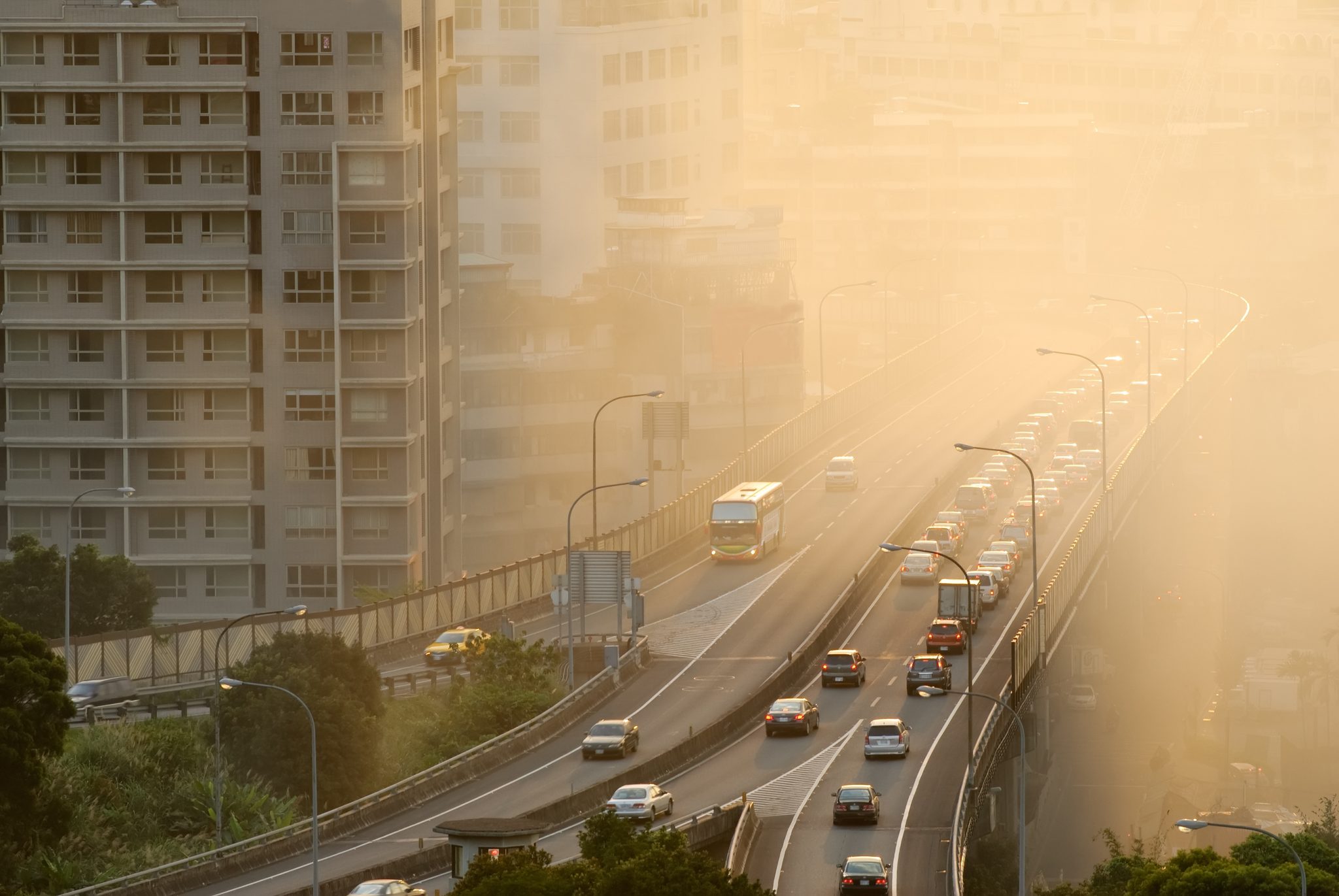
- “If I can’t see it, it’s not a problem.”
- Most harmful pollutants are invisible and have no smell.
- “My car filters the air, so my child is safe inside.”
- Pollution can enter cars easily, especially when stuck in traffic or with windows open.
- “Pollution is only a problem in big cities.”
- Even small towns with busy roads can have high pollution near traffic.
- “It’s only a problem on hot days.”
- Pollution levels can be high year-round, especially during rush hour.
- “Only kids with asthma need to worry.”
- All children are at risk, not just those with existing breathing problems.
Credit: populationeducation.org
How To Reduce Your Child’s Exposure
While you can’t avoid all pollution, you can take smart steps to lower your child’s risk.
At Home
- Keep windows closed during rush hour if you live near a busy road.
- Use air purifiers with HEPA filters to clean indoor air.
- Choose bedrooms and play areas away from the street if possible.
- Create a green barrier: Plant trees or bushes between your home and the road—they help block pollution.
On The Way To School
- Choose walking routes away from main roads.
- Stand back from the curb while waiting for the bus.
- Encourage schools to move playgrounds away from traffic if possible.
- Avoid walking or biking during rush hour when pollution is highest.
At School
- Ask about air quality in classrooms.
- Support “no idling” rules for school buses and parent drop-off lines.
- Encourage more trees or green spaces around the school.
In The Car
- Keep windows closed and use the car’s recirculation setting during heavy traffic.
- Avoid driving during peak hours if possible.
- Don’t idle your car while waiting—turn off the engine.
Community Action
Sometimes, the most effective solutions require group action. Parents can:
- Join local campaigns to reduce traffic near schools.
- Support clean public transport and biking paths.
- Vote for policies that limit pollution from vehicles.
Comparing Urban And Suburban Pollution Levels
Parents often wonder if moving to the suburbs will protect their children from traffic pollution. The answer is not always simple. See the differences below:
| Location | Typical Traffic Volume | Average PM2.5 (µg/m³) | Main Risk Factors |
|---|---|---|---|
| Urban (city center) | High | 30–60 | Heavy congestion, high NO₂ |
| Suburban (near main road) | Medium | 15–35 | Proximity to highways |
| Suburban (quiet street) | Low | 5–15 | Occasional traffic |
Even in the suburbs, living near a main road can mean high pollution. The best locations have lower traffic and more green spaces.
What Governments And Cities Can Do
Protecting children from traffic pollution is not just a family issue—it’s a public health priority. Some important steps include:
- Setting stricter air quality standards for schools and playgrounds.
- Expanding low-emission zones where only cleaner vehicles can enter.
- Improving public transport to reduce cars on the road.
- Building more parks and green spaces between roads and residential areas.
- Encouraging electric vehicles and cleaner fuels.
Many cities are already taking action, but parents and communities need to push for stronger rules to protect kids.
Hidden Insights: What Most People Miss
Most parents know that pollution can cause coughs and asthma. But there are less obvious dangers:
- Pollution changes the immune system: Some studies show that traffic pollution can “reprogram” a child’s immune cells, making them more likely to react to harmless things, which leads to allergies.
- Effects can last a lifetime: Damage done to lungs and the brain during childhood can lead to chronic diseases—even if children move to cleaner places later.
Understanding these hidden risks helps parents make better choices for their family’s health.
How To Check Air Quality In Your Area
Knowing the pollution level in your neighborhood is important. Here’s how you can check:
- Use air quality apps: Many free apps show real-time air pollution data for your location.
- Look for local monitoring stations: Many cities have websites with daily pollution updates.
- Simple signs: On high pollution days, you might notice haze, a burning smell, or more coughing.
If pollution is high, keep children indoors and avoid outdoor exercise.
Traffic Pollution And Childhood Asthma: The Strongest Link
Among all the health effects, the link between traffic pollution and asthma is the strongest. Let’s look at some facts:
- Children living within 75 meters of a busy road are up to 50% more likely to develop asthma.
- For children who already have asthma, pollution makes attacks more frequent and harder to control.
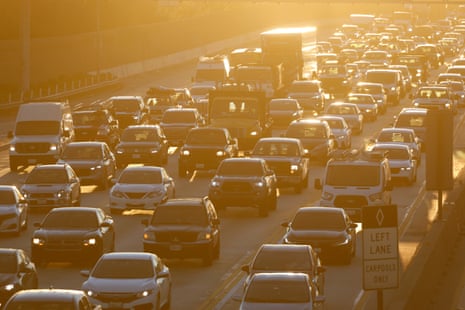
- Emergency room visits for asthma rise on high pollution days.
Asthma is not just a “wheeze and cough” problem. It can limit sports, cause missed school days, and even lead to hospital stays. Keeping children away from traffic pollution is one of the best ways to prevent asthma.
The Financial Cost Of Traffic Pollution
Beyond health, traffic pollution has a real cost. Families may pay more for:
- Doctor visits
- Medicines (inhalers, allergy pills)
- Missed work for parents caring for sick children
Governments spend billions treating diseases caused by pollution. Investing in clean air saves money in the long run.
The Role Of Green Spaces In Reducing Pollution
Planting trees and creating parks are not just for beauty. Green spaces:
- Block and filter pollution coming from roads
- Cool the air, which lowers ozone levels
- Encourage children to play away from traffic
If you live near a busy road, even a simple row of bushes can help protect your home.
Credit: www.theguardian.com
How Schools Can Protect Students
Schools have a big responsibility. Here are some steps they can take:
- Monitor air quality: Use sensors to know when pollution is high.
- Improve ventilation: Use air filters in classrooms.
- Schedule outdoor activities when pollution is lowest (often before rush hour).
- Educate students and parents about pollution risks and safety tips.
Some schools have even installed special “green walls” of plants to act as pollution barriers.
Future Solutions: Cleaner Transport And Technology
Technology can help solve the problem:
- Electric cars and buses: These produce no exhaust and can reduce pollution near schools and homes.
- Better public transport: Fewer cars mean less pollution.
- New materials for tires and brakes: Reducing particles from wear and tear.
- Real-time monitoring: Letting parents and schools know when to keep kids indoors.
The more we support these solutions, the safer our children will be.
Making Air Quality Part Of Everyday Decisions
Small choices add up. Parents can:
- Check air quality before outdoor activities
- Encourage kids to play in parks, not by roads
- Choose after-school activities in low-traffic areas
Even small changes make a difference.
Worldwide Efforts To Fight Traffic Pollution
Cities around the world are taking action:
- London: Ultra-low emission zones and a fee for polluting vehicles.
- Paris: Bans on older diesel cars during high pollution days.
- Bogotá: “Car-free days” several times a year to improve air.
These efforts show that change is possible. You can read more about these policies at Wikipedia.
Comparison Of Pollution Levels: School Vs. Home
Many parents are surprised to learn that air pollution can be just as high inside schools as at home, especially if both are near busy roads.
| Location | Distance from Main Road | PM2.5 (Indoor) | NO₂ (Indoor) |
|---|---|---|---|
| Home (near road) | 20 meters | 22 µg/m³ | 35 µg/m³ |
| School (near road) | 30 meters | 25 µg/m³ | 38 µg/m³ |
| Home (quiet street) | 200 meters | 8 µg/m³ | 12 µg/m³ |
| School (quiet area) | 250 meters | 7 µg/m³ | 10 µg/m³ |
Distance from the road makes a big difference. The farther away, the cleaner the air.
Taking Action: What You Can Do Today
- Check your home’s location: If you live near a busy road, use air purifiers and keep windows closed during peak hours.
- Choose safer routes: Walk or bike with your child on quieter streets, even if it takes a bit longer.
- Talk to your child’s school: Ask about air quality and suggest ways to reduce exposure.
- Get involved: Join local groups working for cleaner air.
- Teach your children: Help them understand why clean air is important and how to protect themselves.
Frequently Asked Questions
What Are The Main Pollutants From Traffic That Harm Children?
The most dangerous pollutants are particulate matter (PM2.5 and PM10), nitrogen dioxide (NO₂), carbon monoxide (CO), and volatile organic compounds (VOCs). These can damage children’s lungs, brain, and immune systems.
How Does Traffic Pollution Cause Asthma In Kids?
Pollutants from vehicles irritate airways and make the body more sensitive to allergens. This can trigger asthma attacks and increase the risk of developing asthma, especially in children living near busy roads.
Is It Safer For My Child To Be Inside The Car During Traffic Jams?
Not always. Pollution can enter the car, especially when windows are open. To reduce risk, keep windows closed and use the recirculation setting when stuck in traffic.
How Can I Check If My Neighborhood’s Air Is Safe For My Children?
Use air quality apps or local monitoring websites. If pollution levels are high, keep windows closed and limit outdoor activities for your children.
What Should Schools Do To Protect Students From Traffic Pollution?
Schools should monitor air quality, use air filters, schedule outdoor activities during low pollution times, and plant trees or bushes between playgrounds and roads.
Every child deserves clean air. By understanding the dangers of traffic pollution and taking smart steps, parents and communities can protect children’s health—today and for the future.