
Turning your sink into a shower might sound like a wild idea, but it’s a practical solution for many people. Maybe you live in a small apartment, travel in a van, or need a quick way to rinse off pets or kids.
You might be remodeling on a budget, or you want an emergency backup for when your main shower is broken. Whatever your reason, this guide will show you how to transform your sink into a functional, convenient shower—without complicated plumbing or expensive tools.
Let’s break down what’s really possible, what tools and parts you need, and the smartest ways to get clean with limited space. You’ll learn not just the “how”, but also the “why”—with tricks, tips, and honest warnings most guides skip.
Get ready to solve a problem and gain a new life skill.
Why Turn A Sink Into A Shower?
Many people around the world face small bathrooms, shared spaces, or homes with just one sink and no shower. Some travel in RVs, campers, or vans with no built-in shower at all. Others want a backup for emergencies, repairs, or health needs. Converting a sink into a shower gives you flexibility. It’s also cheaper and easier than installing a new shower.
Here are some common reasons people choose this:
- Small apartments: No room for a full shower.
- Traveling: Need to wash up in hotels, hostels, or while camping.
- Elderly or disabled: A sink shower can be safer than a tub.
- Quick cleaning: For kids, pets, or after working out.
- Temporary solution: While your main bathroom is being fixed.
But the biggest benefit? Control over your bathing options, wherever you are.
Understanding The Basics
Before you start, it helps to understand how a standard sink works. Most sinks have a faucet with aerator, and hot/cold water lines. The basic idea is to connect a device that lets water flow from the faucet through a hose, which you can then use like a showerhead.
There are two main types of setups:
- Simple adapter with hose: Attaches to your faucet, lets water run through a handheld sprayer.
- Full portable shower kit: Includes a pump, sprayer, and sometimes a water heater—good for places without hot water.
You don’t have to call a plumber. Most people can do this with simple tools, a few parts, and a little patience.

Credit: www.amazon.com
Planning: What You Need To Know First
Before buying anything, think about these important factors:
Check Your Faucet Type
Not all faucets are the same. Some have removable aerators (the screen at the tip), while others have fixed tips or odd shapes. To use a sink shower, you need a faucet with a removable aerator.
If your faucet is fancy or oddly shaped, you might need a universal adapter or a different setup.
Water Pressure Matters
Most sinks have less pressure than a shower. You’ll get a gentle stream, not a blast. If your water pressure is weak, your sink shower might not work well.
Hot Water Access
Does your sink get hot water? Some older or small sinks only have cold. If so, you’ll need to heat water another way (like a kettle) or use a portable shower with a heater.
Space And Splashing
Sinks are small. Plan where the water will go. Some people use a plastic curtain, large tub, or stand in a small shower stall. Think ahead to avoid flooding your floor.
What You’ll Need: Tools And Parts
Here’s a basic list. You may not need everything, depending on your setup:
- Faucet-to-shower adapter: The main connector that lets you attach a hose to your sink.
- Handheld showerhead or sprayer: This can be a basic hose with a showerhead or a kitchen sink sprayer.
- Hose (at least 5 feet/1.5 meters): Flexible, food-grade or shower-safe hose.
- Universal adapter kit: Useful if your faucet is not standard.
- Teflon tape or rubber washers: To prevent leaks.
- Bucket, tub, or shower basin: To stand in and catch water.
- Suction cup or wall hook: To hang the showerhead if you want hands-free use.
- Towel and cleaning supplies: For easy cleanup.
Optional:
- Portable water heater: For hot water if your sink only has cold.
- Shower curtain or splash guard: To protect your bathroom from water.
- Pump-powered shower kit: For places without running water.
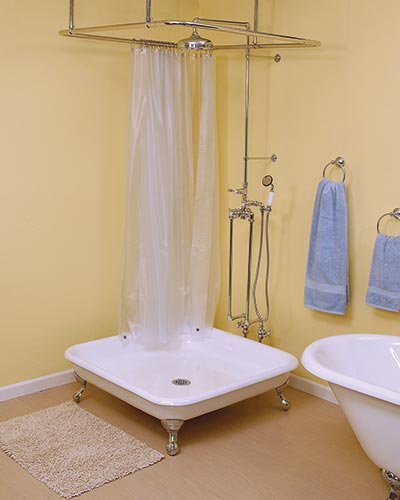
Credit: lojasbeirario.com.br
Choosing The Right Adapter And Hose
Not all adapters fit all faucets. Here’s a quick guide to what’s available.
| Adapter Type | Faucet Compatibility | Pros | Cons |
|---|---|---|---|
| Threaded Aerator Adapter | Standard removable aerators | Easy install, reliable | Won’t fit non-standard faucets |
| Universal Rubber Adapter | Most faucet shapes | Flexible, fits many | Less secure, may leak |
| Quick-Connect Adapter | Special quick-release faucets | Fast on/off | Needs matching faucet |
Pro tip: Before buying, remove your faucet’s aerator and take it to the hardware store to match the right adapter.
Step-by-step: How To Turn Your Sink Into A Shower
This is the heart of the process. Let’s go through each step.
1. Remove The Faucet Aerator
Most sink faucets have a small screen at the tip. Unscrew it gently with your hand or a wrench. If it’s stuck, use a rag and pliers, but be careful not to scratch the finish. Clean off any debris.
2. Attach The Adapter
Take your faucet-to-shower adapter and screw it onto the faucet. Use a rubber washer or Teflon tape to prevent leaks. Make sure it’s snug, but don’t overtighten.
If your faucet is not standard, use a universal rubber adapter. Push it firmly over the faucet tip. Test for leaks by running water.
3. Connect The Hose
Attach one end of your hose to the adapter. The other end goes to your handheld showerhead or sprayer. Tighten both ends by hand.
If your showerhead has multiple spray settings, choose the one best for a gentle wash.
4. Test For Leaks
Turn on the water slowly. Check all connections for drips or leaks. If you see leaks, tighten the connections or add more Teflon tape.
5. Prepare Your Shower Area
Place a large plastic basin, tub, or shower tray under the faucet. Make sure it’s big enough to catch the water. If you want to stand, use a sturdy tub that supports your weight.
Hang the showerhead using a suction cup hook or rest it in the sink for handheld use.
6. Adjust Water Temperature
Run the water until it reaches a comfortable temperature. Always test with your hand before using, as sink hot water can be hotter than shower water.
7. Start Showering
Wet your body, turn off the water to lather soap, then turn it back on to rinse. This saves water and keeps the area drier.
If possible, keep showers short—sink drains are smaller than shower drains.
8. Clean Up
When finished, disconnect the hose and adapter. Dry the area to prevent mold or mildew. Store your parts nearby for easy use next time.
Advanced Options: Portable Showers And Diy Systems
Sometimes a basic hose isn’t enough. Maybe you want a portable shower kit for travel, camping, or emergencies. Here are some advanced solutions:
Battery-powered Portable Shower
These kits use a small pump (often USB rechargeable) you drop in a bucket of warm water. The pump pushes water through a hose to a showerhead.
Pros:
- Works anywhere, not just at a sink.
- Some have built-in heaters.
Cons:
- Needs charging and a water source.
Solar-heated Showers
A popular choice for campers. Fill a black bag with water, leave it in the sun, and gravity sends water through a hose.
Pros:
- No electricity needed.
- Cheap and eco-friendly.
Cons:
- Dependent on sunlight and time.
Diy Gravity Showers
If you have a high shelf above your sink, fill a water container and let gravity feed water through a hose. This gives you more control over flow and temperature (if you fill with warm water).
Pro tip: Always secure containers to avoid spills.
How To Avoid Common Problems
People often make mistakes when turning a sink into a shower. Here’s how to avoid them:
- Wrong adapter size: Not all faucets are the same. Always check your faucet’s threads.
- Weak water pressure: If your spray is too weak, try cleaning your faucet aerator or using a shorter hose.
- Water everywhere: Use a tub or splash guard to keep water contained.
- Leaky connections: Always use washers and test for leaks before showering.
- Hot water burns: Sink water can be hotter than showers. Test temperature before use.
Many beginners forget to dry the area after use, leading to mold or damage. Make sure to clean and dry every time.

Credit: www.reddit.com
Cost Breakdown: What To Expect
Turning your sink into a shower is cheaper than installing a new shower. Here’s a rough cost breakdown:
| Item | Low-End Cost | High-End Cost |
|---|---|---|
| Faucet-to-shower adapter | $8 | $25 |
| Hose (5 ft/1.5m) | $6 | $20 |
| Handheld showerhead | $10 | $40 |
| Universal adapter kit | $12 | $30 |
| Portable shower kit | $25 | $80 |
| Shower basin/tub | $10 | $50 |
Total cost for a basic setup is usually $30–$60. More advanced or portable systems can be $50–$120.
Real-world Use Cases
Let’s look at how people use sink showers in real life.
Small Apartments
People in big cities like Tokyo, New York, or London often rent tiny apartments with only a sink and toilet. A faucet adapter and hose let them shower without a bathtub.
Van Life And Rvs
Travelers use portable sink showers with battery pumps for washing after hikes or beach days. Some combine sink water with solar shower bags for a hot rinse anywhere.
Elderly Or Disabled
A sink shower means no stepping over a tub wall. This reduces fall risk and makes bathing easier for those with limited mobility.
Pet Owners
Washing small dogs or cats in the sink with a sprayer is easier and less messy than a tub. A sink shower also helps clean muddy paws quickly.
Maintenance And Hygiene Tips
Keeping your sink shower clean is important for your health and to make sure it works well.
- Clean hoses and adapters regularly with mild soap to avoid mold.
- Remove and dry parts after each use.
- Run hot water through the system once a week to kill bacteria.
- Check for leaks often. Replace rubber washers if needed.
Avoid leaving water standing in hoses or basins, as bacteria can grow quickly.
Safety Precautions
While a sink shower is convenient, always keep safety in mind.
- Never leave children or pets unattended while showering.
- Test water temperature before use, as small sinks can get very hot.
- Don’t use electrical pumps near outlets or in standing water.
- Watch for slippery floors and use bath mats if possible.
If you have allergies or skin issues, clean your sprayer with a disinfectant every few uses.
Environmental Impact And Water Usage
Sink showers use less water than traditional showers—great for the planet and your bills.
- A typical shower uses 2–2.5 gallons (8–10 liters) per minute.
- A sink shower uses about 1 gallon (4 liters) per minute or less.
To save more water:
- Turn off the sprayer while lathering soap.
- Use a low-flow showerhead.
- Collect water in a basin for reuse (watering plants, etc. ).
Legal And Rental Concerns
If you rent your home, check your lease before installing any device that changes plumbing. Most faucet adapters are temporary and removable, which is usually allowed. Avoid drilling or permanent changes unless you have permission.
In some countries, local codes may limit what you can install. Always check first, especially if you plan to use a heated or electric shower kit.
Troubleshooting: Fixing Common Issues
If your sink shower isn’t working right, here’s how to fix it.
Low Water Pressure
- Clean the faucet aerator.
- Check for hose kinks.
- Use a shorter hose if possible.
Leaks At Connections
- Add or replace rubber washers.
- Use more Teflon tape.
- Tighten gently, but don’t overtighten.
Adapter Won’t Fit
- Try a universal rubber adapter.
- Take your faucet aerator to a store to match threads.
- Some faucets can’t be adapted—consider a portable pump kit.
Water Temperature Problems
- If no hot water, heat water in a kettle and fill a basin.
- Use a portable shower with a built-in heater.
Splashing Or Flooding
- Use a deep tub or basin.
- Add a splash guard or shower curtain.
- Keep water flow low.
Upgrades And Extra Features
After your basic setup, you might want to add:
- Filtered showerheads: Good for hard water or sensitive skin.
- Multi-spray settings: For massage or gentle wash.
- Longer hoses: For more reach.
- Quick-disconnect fittings: For easy setup/takedown.
- Portable heater: For hot showers anywhere.
These extras cost more, but can make your experience much better.
When A Sink Shower Isn’t The Best Solution
While a sink shower works in many cases, sometimes it’s not the right answer. Consider alternatives if:
- Your sink is too shallow or narrow.
- You need to shower multiple people daily.
- Plumbing is old or weak and can’t handle changes.
- You have very high water use needs.
Alternatives include:
- Using a portable camping shower.
- Installing a shower panel over a bathtub.
- Visiting a gym, pool, or community shower.
Non-obvious Insights Most Beginners Miss
Many guides forget these helpful points:
- Aerator thread sizes vary by region. European faucets often have different threads than American ones. Always check before ordering adapters online.
- Sink drains clog faster with hair and soap. Use a mesh drain catcher to keep pipes clear.
- Dual-use adapters exist—let you switch instantly between regular faucet and shower hose with a single click.
- Some portable showers double as bidets—a bonus for hygiene.
- Storing hoses coiled (not bent) prevents cracking and leaks over time.
Frequently Asked Questions
How Do I Know Which Faucet Adapter I Need?
Check if your faucet has a removable aerator (the screen at the tip). Unscrew it and measure the threads. Bring it to a hardware store or check the manual. In the US, common sizes are 15/16″ (male) or 55/64″ (female), but sizes vary. If you’re not sure, try a universal rubber adapter that fits over most faucet shapes.
Can I Use A Sink Shower In A Rental Apartment?
Yes, as long as you don’t make permanent changes. Most faucet adapters are removable and cause no damage. Always clean up water to avoid mold or floor damage. Check your lease or ask your landlord if you’re not sure.
Is The Water Pressure Good Enough For Washing Hair?
It depends on your sink’s water pressure and hose type. Most setups give gentle spray—enough for hair, but not as strong as a real shower. For thick or long hair, rinse in sections. Clean the aerator and use a short hose for best results.
How Do I Get Hot Water If My Sink Only Has Cold?
You can heat water in a kettle, then mix with cold in a large basin. Or, use a portable shower with a built-in heater (many battery-powered models have this). Be careful not to use boiling water, as it can burn skin.
Where Can I Find More Information Or Buy Adapters?
You can find more details and buy adapters at hardware stores, online marketplaces, or by visiting Wikipedia’s portable shower page. Always check reviews and compatibility before buying.
Final Thoughts
Turning a sink into a shower is a practical, affordable solution for small spaces, travel, or emergencies. With the right adapter, hose, and planning, you can enjoy a quick wash almost anywhere. Remember to check your faucet type, plan for splashing, and always clean up after use. Start simple, avoid common mistakes, and upgrade as you learn what works best for your needs. Whether you’re in a tiny apartment or on the road, this skill gives you freedom and flexibility—and maybe even a little peace of mind.