
When you walk into your home and notice a smell that reminds you of a blown out candle, it can be confusing and a little worrying. This scent is very specific—slightly burnt, waxy, sometimes metallic, and not exactly pleasant. For some, it brings a nostalgic feeling, but for most people, it raises questions: Why does my house smell like this? Is it safe? How do I get rid of it? If you are dealing with this issue, you’re not alone. Many homeowners and renters notice this mysterious aroma at some point and want clear answers.
Let’s dig deep into the causes, the science behind that smell, ways to track it down, and the best steps to remove it for good. We’ll also look at situations where you should be concerned and when it’s just a minor annoyance.
You’ll get practical tips, warnings about common mistakes, and expert insights most people miss. By the end, you’ll know exactly what to do if your house smells like a blown out candle.
What Does A Blown Out Candle Smell Like?
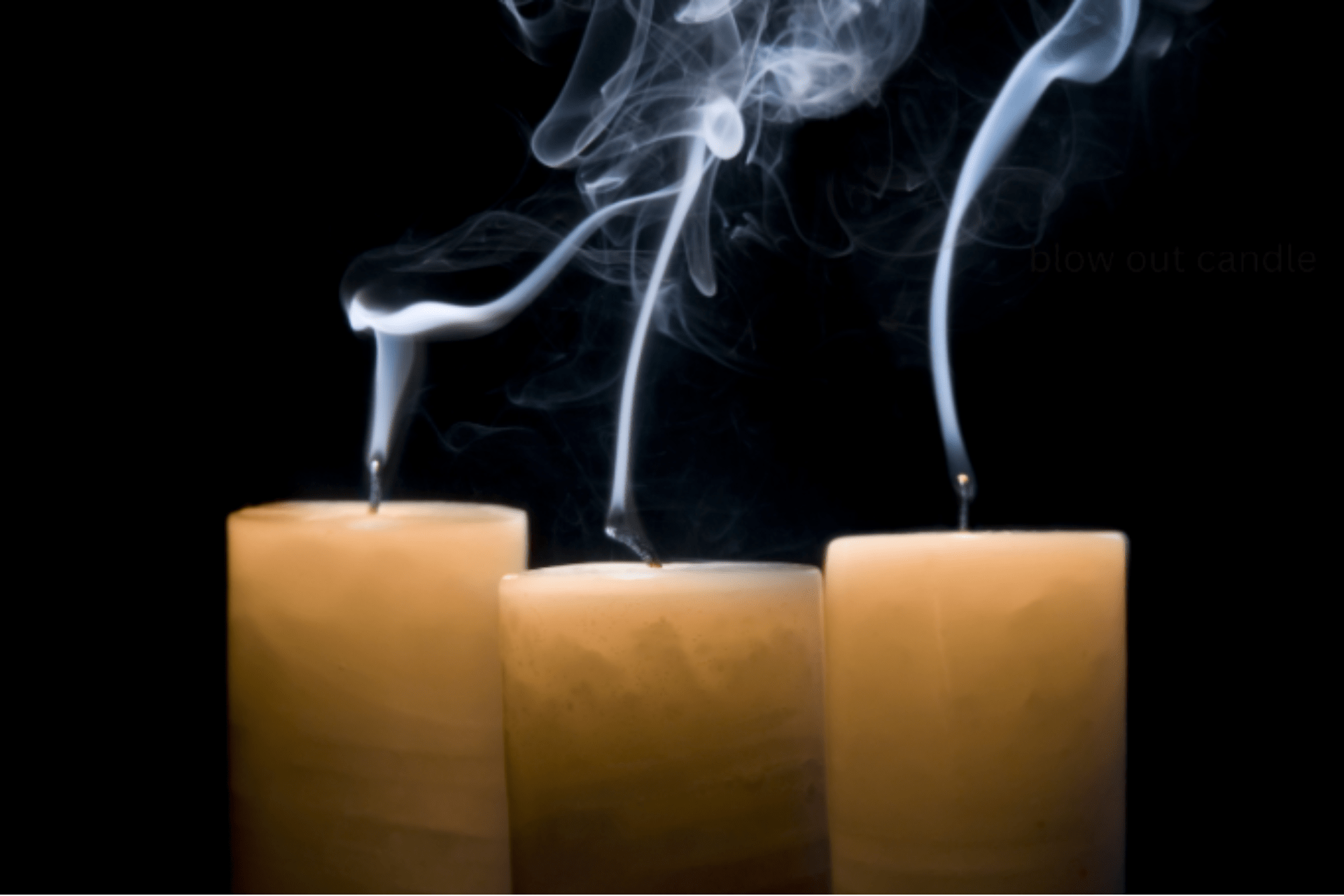
The smell after you blow out a candle is easy to recognize but hard to describe. It’s a mix of smoky, waxy, and metallic notes, with a hint of burnt air. This happens when the flame goes out and hot wax and wick release tiny particles and chemicals into the air.
Why Is The Smell So Distinct?
The scent is created by a mix of things:
- Unburned carbon from the wick
- Partially combusted wax
- Tiny bits of soot
- Trace gases like acrolein and formaldehyde
When the flame is blown out, the wick is still hot and releases a puff of smoke loaded with these particles. That’s why the smell is strong right after, but fades as the air clears.
Main Causes: Why Your House Smells Like A Blown Out Candle
If you keep smelling this scent when you haven’t burned a candle, something else is happening. Here are the most common reasons:
1. Electrical Problems
One of the most overlooked causes is overheating electrical components. Wires, outlets, or appliances that are too hot can give off an odor almost identical to a blown out candle. This happens because the materials (plastic, wire coatings) are heating up or even burning.
Warning: Electrical smells should never be ignored. They can mean a fire risk. Check for:
- Outlets that are warm or discolored
- A faint smoky or metallic aroma near outlets or switches
- Flickering lights or tripped circuit breakers
2. Hvac System Issues
Your heating and cooling system moves air throughout the house. If there’s dust, old debris, or even a small electrical fault in the furnace or blower, it can release a candle-like smell.
Common HVAC-related causes:
- Dust burning off heating elements during first use each season
- Worn-out blower motor or belts
- Dirty air filters trapping and then releasing odors
3. Leftover Candle Residue
If you burn candles often, wax and soot can collect on surfaces, walls, and even inside vents. Over time, heat from sunlight or appliances can reactivate these particles, causing the familiar blown out candle aroma even when no candles are burning.
4. Melting Plastics Or Synthetic Materials
Plastics, rubber, and some synthetic coatings release a burnt-waxy smell when heated. If you have new electronics, appliances, or plastic items near heat sources, they might be the culprit.
Look for:
- New devices plugged in and running hot
- Extension cords under rugs or furniture
- Toys or decorations placed on radiators or vents
5. Dust And Debris In Light Fixtures
Over time, dust, insects, and small debris collect in light fixtures. When the bulb heats up, it can scorch this material, giving off a scent that’s surprisingly similar to a blown out candle.
6. Cooking Residue
Cooking oils and fats, especially if they drip onto burners or oven floors, can create a waxy, burnt smell. If your kitchen is near your living space, it may linger and mix with other home odors.
7. Old Or Failing Light Bulbs
Incandescent and halogen bulbs that are about to fail often give off a hot, waxy aroma. This is less common with modern LEDs, but still possible if an LED driver or circuit is overheating.
8. Water Heater Or Furnace Malfunctions
Gas and electric heaters sometimes produce smells when burning off dust or if there’s a mechanical problem. If you notice the odor near your utility area, check for unusual noises, pilot light issues, or dust on heating elements.
9. Hidden Mold Or Mildew
Certain types of mold, especially those growing on drywall or insulation, can give off a burnt, waxy smell as they break down organic material. Mold can be hidden, so if the smell is persistent and you see no obvious source, this is worth considering.
10. Unusual Candle Use
Some people use candles to mask other smells, but if a candle is not burning cleanly (for example, the wick is too long or the candle is low-quality), it might leave behind a residual burnt odor long after it’s out.
Credit: kalamazoocandle.com
The Science: Why Does The Blown Out Candle Smell Linger?
When you blow out a candle, the hot wick continues to emit carbon-rich smoke for several seconds. This smoke contains tiny particles that float in the air and settle on surfaces. These particles are very good at sticking to fabrics, dust, and walls.
The main chemicals involved include:
- Acrolein: An irritant, smells burnt and pungent
- Formaldehyde: A byproduct of incomplete combustion
- Soot: Tiny black carbon particles
If your house has poor ventilation or lots of soft surfaces (carpets, curtains), these particles hang around much longer, making the smell linger.
How To Identify The Source Of The Smell
Finding the root cause takes patience. Here’s a step-by-step method that works for most homes:
Step 1: Pinpoint The Area
Walk slowly through your house. Where is the smell strongest? Try to notice if it’s worse:
- Near outlets, switches, or appliances
- In certain rooms (kitchen, bathroom, utility room)
- When heating or AC is running
Step 2: Check For Heat Sources
Touch outlets (carefully), check light bulbs, and feel for hot spots on electronics. If anything is unusually warm or smells stronger when turned on, that’s a clue.
Step 3: Inspect The Hvac System
Change the air filter if it’s dirty. Open vents and check for dust, debris, or even old candle soot. Listen for odd sounds from the furnace or blower.
Step 4: Look For Hidden Mold Or Moisture
Inspect under sinks, behind furniture, and around windows for signs of mold or water damage. Use your nose—mold can sometimes smell burnt or earthy instead of musty.
Step 5: Rule Out Cooking And Candles
Think about recent activities. Did you cook with oil, use candles, or have a power outage? Sometimes the answer is simple.
Step 6: Examine Plastics And Electronics
Look for melted or warped plastic items. Check cords and chargers for signs of heat damage.
Step 7: Consider Less Obvious Sources
Sometimes, the smell is coming from something unexpected, like:
- Forgotten candles in drawers
- Scented wax melts with burnt residue
- Old air fresheners or plug-ins
When Is The Blown Out Candle Smell Dangerous?
Not every strange smell is a major risk, but some are serious. Here’s when you should act fast:
Warning Signs To Take Seriously
- The smell is strongest near electrical outlets or appliances
- You notice sparks, buzzing, or flickering lights
- Outlets or plugs are hot to the touch
- The odor gets stronger when the heat or AC turns on
- You feel dizzy, nauseous, or get a headache
In these cases, turn off the suspected circuit or appliance and call a qualified electrician or HVAC technician immediately.
Hidden Dangers
- Electrical fires can start slowly, with the only warning being a faint burnt or waxy smell.
- Mold exposure can cause health issues, especially for children, elderly, or those with asthma.
Don’t wait if you’re unsure. It’s better to be safe.
How To Get Rid Of The Blown Out Candle Smell
Once you find the cause, removing the odor is much easier. Here’s what to do:
1. Remove The Source
If it’s an appliance or outlet, unplug it and get it checked. Throw away any melted plastic or burnt electronics.
2. Clean The Air
- Open windows and doors for at least 30 minutes
- Use fans to move fresh air through the space
- Place bowls of baking soda or activated charcoal around the affected area to absorb odor
3. Clean Surfaces
Wipe down walls, windowsills, and hard surfaces with a mild cleaner. Wash curtains, pillow covers, and any fabrics that may have absorbed the smell.
4. Change Filters
Replace HVAC filters and vacuum carpets and upholstery thoroughly.
5. Address Mold Or Water Damage
If you find mold, clean with a mixture of water and vinegar or a specialized mold remover. For larger areas, call a professional.
6. Test And Replace Light Bulbs
Swap out any bulbs that are old, buzzing, or giving off a smell. Use LED bulbs, as they run cooler.
7. Use Natural Odor Absorbers
Try placing a bowl of white vinegar or a few slices of lemon in the room for a few hours to help neutralize stubborn smells.
8. Run An Air Purifier
A purifier with a HEPA filter can trap particles and help clear the air faster.

Credit: anecdotecandles.com
Preventing The Blown Out Candle Smell In The Future
The best way to keep your house smelling fresh is to stop the problem before it starts.
Tips For Prevention
- Use Candles Carefully
- Trim wicks to 1/4 inch before lighting
- Burn candles in well-ventilated areas
- Use high-quality, soy or beeswax candles
- Maintain Electronics and Outlets
- Don’t overload outlets or power strips
- Unplug devices when not in use
- Check for frayed cords and replace them
- Regular HVAC Maintenance
- Change filters every 1-3 months
- Have your system inspected yearly
- Keep vents and ducts clean
- Keep Surfaces Clean
- Dust and vacuum regularly, especially around light fixtures and electronics
- Wipe up spills and cooking residue quickly
- Monitor for Mold
- Use a dehumidifier if your home is damp
- Check under sinks and in basements for leaks or moisture
- Use Air Purifiers
- Especially helpful if you burn candles often or live in areas with poor air quality
Common Mistakes People Make
- Ignoring faint smells until they become strong
- Using air fresheners to mask the odor instead of finding the source
- Forgetting to clean HVAC filters or ducts
- Not checking rarely-used rooms or storage areas
Real-life Examples: When Homeowners Solved The Mystery
Example 1: The Overheated Charger
A family kept smelling a burnt-wax odor in their living room, especially at night. After weeks of searching, they found an old phone charger plugged in behind the couch, covered by a blanket. The charger was extremely hot and had started to melt.
Removing it fixed the problem instantly.
Example 2: Candle Residue In The Hvac
A renter burned scented candles every night. Months later, they noticed the blown out candle smell even when no candles were used. It turned out the HVAC system’s filter and ducts were loaded with candle soot. After a full cleaning and filter change, the smell disappeared.
Example 3: Mold Behind The Wall
A homeowner noticed a burnt-wax smell only in one corner of the basement. After checking for electrical issues and finding none, a small leak was discovered behind the drywall. Mold was growing, causing the strange odor. Professional remediation solved the issue.

Credit: hotellobbycandle.com
Comparing Common Odors: Blown Out Candle Vs. Other Home Smells
It’s easy to confuse the blown out candle smell with other home odors. Here’s how they differ:
| Odor Source | Main Characteristics | Typical Cause | Danger Level |
|---|---|---|---|
| Blown Out Candle | Burnt, waxy, slightly metallic | Hot wick, wax, or overheated electronics | Can be serious if electrical |
| Burnt Toast | Sharp, smoky, food-like | Burnt food in toaster or oven | Low |
| Fishy Smell | Pungent, chemical, sometimes sweet | Electrical overheating, sometimes mold | High if electrical |
| Rotten Eggs | Strong, sulfur-like | Gas leak, sewer gases | Very high, call gas company |
How Long Does The Blown Out Candle Smell Last?
The scent can linger from a few minutes to several days, depending on the cause. Here’s a comparison:
| Source | Typical Duration | How to Remove |
|---|---|---|
| Candle Wick | 5-30 minutes | Ventilate room, clean surfaces |
| Electrical Problem | Until fixed | Repair or replace faulty part |
| HVAC System | Several hours to days | Change filter, clean ducts |
| Mold | Persistent | Remove mold, fix moisture |
Non-obvious Insights Most People Miss
- Ventilation is Key: Many homes are sealed tightly for energy savings, but this traps odors inside. Opening windows, even for a short time each day, can prevent many lingering smells.
- Candles and HVAC Don’t Mix: Burning candles near HVAC intakes spreads soot and wax particles throughout your home, causing more stubborn odors and even damaging your system.
- Scented Products Can Make It Worse: Air fresheners and plug-ins often cover up the real issue, making it harder to find the true source. They can also mix with burnt odors, creating new, unpleasant smells.
- Old Wiring Is a Common Culprit: In homes built before 1980, wiring can overheat more easily. If your home is older, have an electrician check your wiring if you notice frequent burnt or waxy odors.
- Humidity Changes Odor Perception: In high humidity, burnt or waxy smells linger longer. Dehumidifiers can help clear the air faster.
When To Call A Professional
If you’ve tried all the steps above and the smell persists, or if you suspect an electrical or mold problem, it’s time to call in an expert. Signs you need help:
- The odor is getting stronger, not weaker
- You feel unwell or notice allergy symptoms
- You find evidence of melted wires or scorched outlets
- There’s visible mold or water damage
A licensed electrician or mold remediation specialist can fix the issue safely.
Frequently Asked Questions
Why Does My House Smell Like A Blown Out Candle When I Haven’t Burned Any Candles?
This usually points to overheating electronics, old light bulbs, HVAC dust, or melting plastics. Sometimes, even old candle residue in vents or on walls can reactivate with heat. Start by checking for electrical issues and cleaning your air filters.
Is The Blown Out Candle Smell Dangerous?
It depends on the source. If it’s from electrical outlets, appliances, or wiring, it can be very dangerous and is a fire risk. If it’s from dust, candles, or cooking, it’s usually harmless but can be unpleasant. Always check electrical sources first.
How Can I Quickly Get Rid Of The Blown Out Candle Smell?
Open windows, use fans for airflow, and clean affected surfaces. Place baking soda or activated charcoal around the area to absorb odors. Change HVAC filters and wash fabrics if the smell lingers.
Can Air Fresheners Solve The Problem?
Air fresheners may cover the smell, but they don’t address the cause. In fact, mixing fragrances with burnt or waxy odors can make things worse and mask a serious issue like an electrical fault.
Should I Worry About Mold If I Smell Something Like A Blown Out Candle?
Mold can sometimes produce a burnt, waxy, or earthy smell, especially if growing behind walls or in hidden places. If you see no electrical or obvious source, check for leaks, water damage, and possible mold growth.
If you want more scientific information on household air quality and odor sources, you can visit the official EPA Indoor Air Quality page.
Paying attention to unusual smells in your home is smart. Now, with these insights and practical steps, you can track down and remove that blown out candle scent—and make your home safer and fresher for everyone.