
Every pool owner faces this question at some point: what side of the pool cover goes up? It sounds simple, but using your pool cover the wrong way can reduce its effectiveness, waste energy, and even damage the cover itself. Many covers look almost the same on both sides, adding to the confusion. Yet, the right answer depends on the type of cover you have, the climate, and your pool’s needs. If you’ve ever wondered why your pool loses heat fast, collects more debris, or seems harder to keep clean, the answer might be as simple as flipping your pool cover.
This article will break down everything you need to know—no matter what kind of pool you own. You’ll learn how to quickly identify the top and bottom sides of the most common pool covers, why orientation matters, and how to avoid mistakes that cost you time and money.
We’ll also answer common questions, give clear examples, and provide practical tips you won’t find in most pool manuals. By the end, you’ll feel confident every time you cover your pool.
Why Does Pool Cover Orientation Matter?
The way you place your pool cover is not just about looks. The right side up can make a big difference in how well the cover works. Here’s why:
- Heat Retention: Pool covers are designed to trap heat. If the wrong side is up, heat escapes faster, raising your energy bills and making swimming less comfortable.
- Water Evaporation: Covers reduce water loss. A misplaced cover can let more water vapor escape, meaning you’ll need to refill more often.
- Debris Protection: Leaves, dirt, and bugs are kept out best when the cover is installed correctly. The wrong side up can let debris slip through or stick to the cover.
- Longevity: Some pool covers are UV-protected on one side. Placing the wrong side up exposes the less-protected side to sunlight, causing cracks and fading.
Many pool owners don’t realize that using a cover upside down can reduce its life by 30% or more. Small mistakes lead to faster wear and higher replacement costs.
Types Of Pool Covers And Their Correct Orientation
Not all pool covers are the same. Each type has a specific design and purpose. Let’s look at the most common types and how to tell which side should face up.
Solar Pool Covers (bubble Covers)
Solar pool covers are popular for heating pools and reducing water loss. They look like large sheets of bubble wrap.
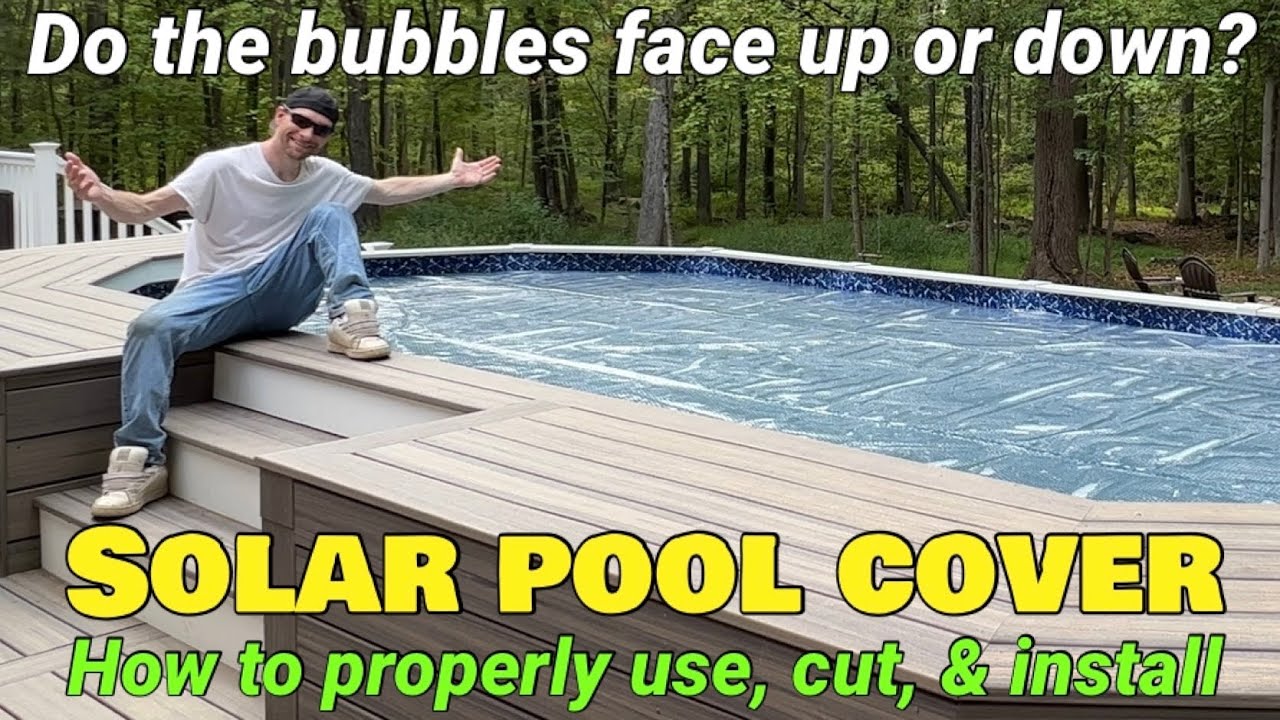
- Which Side Goes Up? The flat, smooth side should face up. The bubble side should touch the water.
- Why? The bubbles trap heat from the sun and transfer it into the water. If you place the flat side down, less heat gets into your pool, and the cover can break down faster.
Practical tip: If you notice the cover floating unevenly, check if the bubbles are facing up by mistake.
Solid Safety Covers
These heavy-duty covers are used to keep kids, pets, and wildlife safe. They usually have a tough, reinforced surface.
- Which Side Goes Up? The side with seams, straps, or a rougher texture usually goes up. The smoother side faces the water.
- Why? The top is designed to resist weather, while the bottom is less abrasive to your pool’s surface.
Mesh Pool Covers
Mesh covers keep out debris but let rainwater pass through. They’re often used during winter.
- Which Side Goes Up? The reinforced side (with webbing or extra stitching) should face up. The smoother mesh side touches the water.
- Why? The reinforced side is made to handle UV light, leaves, and snow.
Automatic Pool Covers
These covers roll out and retract by motor. Their material is usually vinyl.
- Which Side Goes Up? The manufacturer’s logo or smooth finished side faces up. The underside is often less shiny.
- Why? The top is UV-protected and designed for durability.
Thermal Pool Covers
Thermal covers are designed to insulate the pool, keeping heat in during cold weather.
- Which Side Goes Up? The reflective or colored side faces up, while the foam side touches the water.
- Why? The top reflects UV rays, and the foam insulates the water.
Leaf Nets
Leaf nets are lightweight covers used mainly in autumn.
- Which Side Goes Up? Either side can usually face up, but if there is a rougher or reinforced edge, it should be on top for easier handling.
Non-obvious insight: Many pool owners confuse solar covers with thermal covers. Solar covers have bubbles; thermal covers are usually solid foam. Using the wrong orientation ruins their special features.
How To Identify Top And Bottom Sides
Many covers don’t have labels. Here’s how you can confidently tell which side is which:
- Check the Texture: Bubble, foam, or mesh? The more textured side often goes down.
- Look for Stitching or Seams: Extra stitching or reinforced bands are usually on top.
- Find the Logo: Manufacturers often print their logo on the top side.
- Shine and Color: The shinier or more colorful side is generally the top.
If in doubt, check the manual or the manufacturer’s website. If you lost the instructions, a quick online search for your model can help.
Comparison: Pool Cover Types And Side Orientation
To make it easier, here’s a side-by-side comparison of the most common pool covers and which side should face up.
| Cover Type | Top Side Feature | Bottom Side Feature | Which Side Up? |
|---|---|---|---|
| Solar (Bubble) | Smooth, flat | Bubbles | Flat side up |
| Solid Safety | Reinforced, seams | Smooth | Reinforced side up |
| Mesh | Stitched, rough | Smooth mesh | Stitched side up |
| Automatic | Logo, smooth, shiny | Matte, dull | Logo/shiny side up |
| Thermal | Reflective, colored | Foam | Reflective side up |
| Leaf Net | Reinforced edge | Plain net | Reinforced edge up |
Common Mistakes When Placing Pool Covers
Even experienced pool owners make errors. Here are mistakes to avoid:
- Bubbles Facing Up on Solar Covers: This reduces heat transfer and causes bubbles to degrade in sunlight.
- Wrong Side Up on Thermal Covers: The foam will break down and can even stick to the pool if exposed.
- Not Securing the Cover: Even if the right side is up, a loose cover can blow away, fold, or let debris in.
- Ignoring Manufacturer Instructions: Each cover is a bit different. Always check the label or online resources.
Pro tip: Write “TOP” with a marker on the correct side if you keep forgetting.
How Does Orientation Affect Pool Performance?
A pool cover is not just a lid—it’s a tool. Its performance depends on using it right.
Heat Loss
A study by the U.S. Department of Energy found that pools lose up to 70% of their heat through evaporation. Pool covers reduce this loss by 50-70%. But only when used with the correct side up.
- Solar covers with bubbles down can raise pool temperature by 10-15°F (5-8°C) over a few days.
- Thermal covers can cut energy costs by up to 30%.
Chemical Use
If the cover is upside down, chemicals like chlorine evaporate faster. This means more frequent treatments and higher costs.
Water Loss
A misplaced cover allows more evaporation, especially in hot or windy weather. Pools can lose up to 1/4 inch (0.6 cm) of water per day without a cover—or with one used incorrectly.
Debris And Cleanliness
Covers with the wrong side up are less effective at blocking dirt. Mesh covers, for example, let more debris slip through if the reinforced side is not on top.
How To Install A Pool Cover The Right Way
Getting the right side up is only part of the job. Here’s how to install and maintain your cover for best results:
- Clean the Pool Surface: Remove leaves and dirt before covering.
- Unroll Carefully: Lay the cover flat, making sure the correct side is up.
- Secure the Edges: Use water bags, anchors, or built-in fasteners as needed.
- Check for Gaps: Make sure the cover fits snugly—no large gaps for heat and water to escape.
- Remove Water Accumulation: After rain, use a cover pump to remove puddles from solid covers.
- Store Properly When Not in Use: Dry the cover before folding and store it away from sunlight.
Non-obvious insight: Wet covers are heavier and harder to move. Let your cover dry out for 10-15 minutes before folding to make the job easier and reduce mold.
How To Tell If You Have The Wrong Side Up
Sometimes, it’s not clear if you’ve made a mistake. Here are signs you might need to flip your cover:
- Cover floats unevenly: Air pockets or bubbles on top.
- Water is not heating up: Solar cover in place, but the pool stays cold.
- Debris slips through: More leaves or dirt in the water than expected.
- Cover fades or cracks quickly: UV-resistant side is facing down.
If you’re unsure, check your cover after a few days. If you see any of these signs, try flipping it.

Credit: southshorepoolsupply.com
Pool Cover Care: How Orientation Impacts Longevity
Correct orientation extends the life of your cover. Here’s why:
- UV Protection: Most covers are UV-treated on one side. Wrong orientation means faster breakdown.
- Chemical Resistance: The side meant for the water is often treated to resist chlorine. If exposed to sun, it deteriorates.
- Warranty Issues: Some warranties are void if the cover is used incorrectly.
Tip: Rinse your cover with fresh water every few weeks. Pool chemicals left on the wrong side accelerate damage.
Case Study: Solar Pool Cover Efficiency
A pool owner in Phoenix, Arizona installed a solar cover in April. For the first two weeks, the pool gained only 2°F. After flipping the cover (bubbles down), the temperature rose 10°F in 5 days. The owner also noticed less water loss and fewer leaves in the pool.
This example shows the real difference orientation makes, especially in sunny climates. Pool covers are simple, but a small mistake can have a big impact.
Table: Pool Cover Orientation And Common Problems
Here’s a quick reference for what can go wrong if you use the wrong side:
| Cover Type | Wrong Side Up | Problems Noticed |
|---|---|---|
| Solar (Bubble) | Bubbles up | Poor heat transfer, bubbles degrade, cover floats unevenly |
| Thermal | Foam up | Foam breaks down, no heat reflection |
| Solid Safety | Smooth up | UV damage, cover tears more easily |
| Mesh | Smooth mesh up | Weak debris protection, faster wear |
Pool Cover Orientation For Different Climates
Your location can change what matters most:
- Hot, Sunny Climates: Solar and thermal covers must have the UV-protected side up. Otherwise, the cover can crack or fade within a season.
- Cold or Snowy Areas: Safety covers and mesh covers need the reinforced side up to handle snow load and ice.
- Windy Locations: Secure the cover well—orientation matters, but so does fastening.
Example: In Florida, a pool cover with the wrong side up may last only one summer, while the correct orientation can last 3-5 years.
Credit: www.youtube.com
How To Mark Your Pool Cover For Easy Use
If you have trouble remembering, here’s how to mark your cover:
- Use a permanent marker to write “TOP” on the edge.
- Place a colored sticker (for example, red for top) on the corners.
- Write installation instructions on a piece of tape and attach it to the cover’s storage bag.
Pro tip: Don’t mark the middle, as pool chemicals can fade the ink quickly.
Pool Cover Orientation And Safety
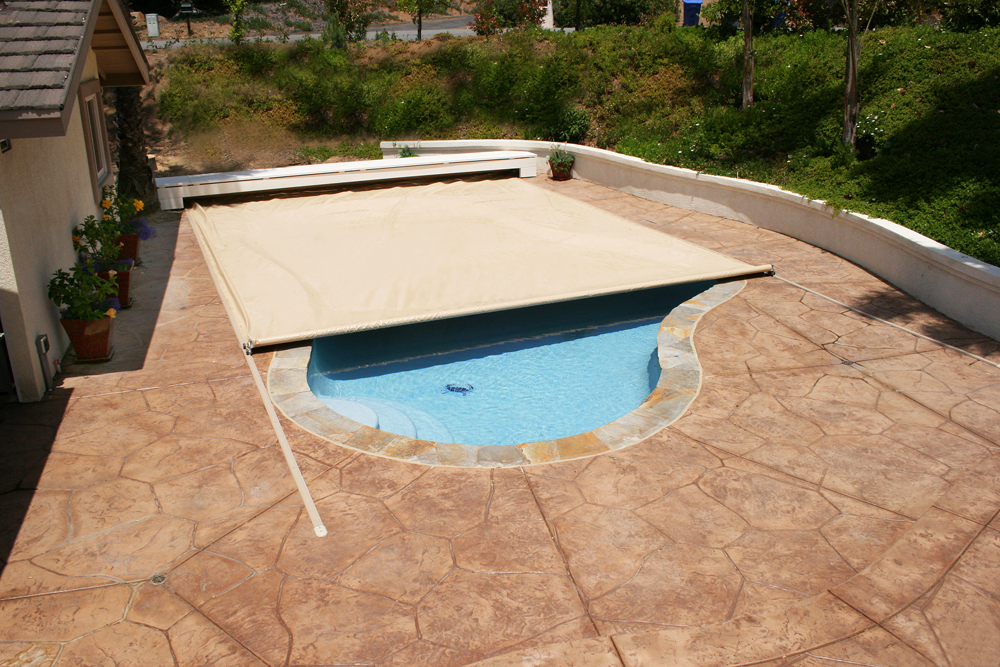
Safety covers are designed for accident prevention. Using the wrong side up can weaken the seams or make the cover less visible.
- Tip: Check the cover after heavy rain or snow. If you see sagging, the orientation or installation may be wrong.
- If the cover feels slippery, you may have the smooth side up, which is not designed for foot traffic.
Credit: www.royalswimmingpools.com
Manufacturer Guidelines And When To Ignore Them
Manufacturers know their products best. But sometimes, covers are produced by third parties, or you may not have the manual. When in doubt:
- Search for your cover’s model online.
- Check for installation videos.
- If the instructions are unclear, follow the texture and color rules above.
Note: Some covers are reversible, but most are not. If both sides look the same, read the fine print.
Pool Cover Storage: Does Orientation Matter?
When storing your cover, orientation matters less, but still plays a role:
- Store with the clean, dry side facing out. This prevents mold.
- For solar covers, avoid folding with the bubbles exposed to sunlight.
Keep the cover in a shaded, dry area. Some owners use large bins or hang the cover on a fence. Never drag the cover over rough surfaces—it can scratch and tear.
How To Clean Your Pool Cover Safely
Proper cleaning keeps both sides in good shape:
- Lay the cover flat on the lawn or a clean surface.
- Rinse with a garden hose.
- Use a mild soap and soft brush for tough spots.
- Rinse again and let dry completely before storage.
Never use harsh chemicals. They can destroy the UV coating and weaken the material.
Pool Cover Orientation: Myths And Misconceptions
Many pool owners hear advice from friends or online forums that isn’t always right. Here are common myths:
- “It doesn’t matter which side is up.” False. Orientation changes performance and durability.
- “Both sides are treated the same.” Almost always false—one side is UV or chemically treated.
- “Bubble covers work better with bubbles up.” No, bubbles down is correct.
If you’re not sure, trust the design logic: the side with special features (bubbles, foam, reinforced stitching) is almost always meant to do a specific job.
Pool Cover Maintenance Tips
- Check for Tears or Holes: Fix small problems before they become big ones.
- Clean Regularly: Dirt and chemicals can reduce lifespan.
- Store Properly: Dry before storing. Wet covers can grow mold.
- Avoid Walking on the Cover: Unless it’s a certified safety cover.
- Replace When Needed: Most covers last 3-5 years with proper use.
Data point: According to the Association of Pool & Spa Professionals, well-maintained pool covers can reduce maintenance costs by up to 50%.
When To Replace Your Pool Cover
Even with perfect orientation, covers don’t last forever. Signs you need a new cover:
- Cracks or tears larger than a few inches.
- Cover no longer floats or sags into the water.
- Bubbles on a solar cover collapse or break off.
- Fading or discoloration, especially on UV-treated side.
If you see these signs, replace the cover to keep your pool safe and efficient.
Real-world Example: Cost Savings With Proper Cover Use
A community pool in Texas switched from using their solar cover “bubble side up” to “bubble side down.” Over one summer, they:
- Saved $500 on heating costs
- Reduced water top-ups by 30%
- Extended the cover’s life by two years
This shows that a small detail, like orientation, has a big impact on cost and convenience.
External Resource
For more technical information on pool cover energy savings, see this U.S. Department of Energy guide.
Frequently Asked Questions
Why Do Solar Pool Covers Have Bubbles?
The bubbles trap heat from the sun and transfer it into the pool water. Placing bubbles down increases heat transfer and keeps the cover in place.
Can I Use The Cover With Either Side Up If Both Sides Look Similar?
Most covers have one side treated for UV or chemical resistance. If both sides are truly identical, it may not matter, but this is rare. Check for subtle differences in texture, color, or printing.
How Often Should I Replace My Pool Cover?
With proper use and correct orientation, most covers last 3-5 years. Check for tears, fading, and loss of buoyancy to know when to replace.
Does Orientation Matter For Above-ground And In-ground Pools?
Yes, orientation rules apply to both types. The cover’s effectiveness depends on correct usage regardless of pool type.
What Should I Do If I Lost My Pool Cover Instructions?
Check the manufacturer’s website or search for your cover’s model online. If you still can’t find info, use the rules in this article: textured or bubble side down, smooth or reinforced side up.
No matter what pool cover you have, getting the side right is a small step that brings big rewards. More heat, less cleaning, and a longer-lasting cover await when you pay attention to this often-overlooked detail. If you ever doubt, look for stitching, bubbles, texture, or labels—and enjoy a better pool experience every season.