
Every pool owner in Tennessee faces the same yearly question: when is the best time to close the pool? Timing matters more than many realize. Close too early, and you miss those warm fall days. Wait too long, and you risk algae, debris, or even damage to your pool equipment. Making the right choice saves you money, effort, and frustration when reopening next year. Let’s break down everything you need to know about closing your pool in Tennessee—guided by local climate, pool type, and expert advice.
Understanding Tennessee’s Climate And Pool Season
Tennessee’s weather is unique. The state sits in a humid subtropical zone, which means hot summers, mild falls, and cool winters. Most areas, from Memphis to Knoxville, enjoy swim-friendly temperatures from late April through late September. However, the exact moment to close your pool depends on a few important factors.
Average Temperatures And Seasonal Changes
From May to September, average highs range from 78°F to 90°F (25°C to 32°C). In early October, temperatures start dropping below 75°F (24°C). By late October and November, daytime highs fall closer to 60°F (15°C), and nights can dip into the 40s (4°C-9°C).
Frost And Freeze Risk
Frost can hit Tennessee as early as late October in the east and early November in the west. Freezing temperatures are rare before mid-November but become common through winter.
Key Insight: Closing your pool after water temperatures drop below 65°F (18°C) helps prevent algae growth and reduces chemical demand. Many beginners close based on air temperature, but water temperature is what matters most.
Why Proper Pool Closing Matters
Closing your pool properly is not just about putting on a cover. Doing it right:
- Protects equipment from freeze damage
- Keeps water cleaner for spring opening
- Reduces chemical costs over winter
- Prevents algae, bacteria, and staining
Non-obvious tip: Many pool owners in Tennessee skip steps because winter here is milder than in the north. However, a sudden cold snap can still freeze pipes or crack skimmers. One night of freezing can undo months of care.
Signs It’s Time To Close Your Pool
Watch for these signals to know when to start the closing process:
- Consistently cold nights: When overnight lows stay below 50°F (10°C), water cools quickly.
- Water temperature drops below 65°F (18°C): Algae and bacteria become much less active.
- Leaves start falling: Heavy leaf fall clogs filters and stains pool surfaces. In Tennessee, this usually happens from mid-October onward.
- Less pool use: If no one is swimming, you’re just wasting electricity and chemicals.
Step-by-step Guide: Closing Your Pool In Tennessee
Getting the timing right is only part of the process. Here’s how to close your pool correctly.
1. Clean And Balance The Water
Start by removing all debris—leaves, insects, and dirt. Brush the walls and vacuum the floor. Dirty water breeds algae and stains, which are much harder to fix in spring.
Test and adjust your water chemistry:
- PH: 7.4–7.6
- Alkalinity: 80–120 ppm
- Calcium hardness: 200–400 ppm
- Chlorine: 1–3 ppm
Add a phosphate remover if you have lots of leaves and organic debris.
Tip: Balancing chemicals now saves you from nasty surprises later. Unbalanced water can corrode metal parts or cause scale buildup.
2. Shock The Pool
Shocking means adding a high dose of chlorine to kill bacteria and algae. Use a quality pool shock and follow the label. Run your pump overnight to circulate. Wait until chlorine drops below 3 ppm before adding algaecide or covering.
3. Lower The Water Level
In Tennessee, you don’t need to drain the pool completely. Lower water to just below the skimmer mouth (for mesh covers) or about 6 inches below the tile line (for solid covers). This prevents freeze damage but keeps enough water to support the cover.
Important: Never drain a vinyl or fiberglass pool fully. The ground pressure can cause them to pop or collapse.
4. Add Winterizing Chemicals
Add a good winter algaecide and stain inhibitor. These keep water clear and prevent metal staining over winter.
- Use a non-copper algaecide for vinyl pools (copper can stain).
- Add a floater with chlorine or use winter tablets for slow chemical release.
5. Clean And Store Equipment
Remove and clean ladders, handrails, skimmer baskets, and toys. Store them in a dry place.
Backwash the filter and drain water from the pump, filter, heater, and chlorinator. Blow out the lines with a shop vac or compressor, then plug return jets.
6. Install The Pool Cover
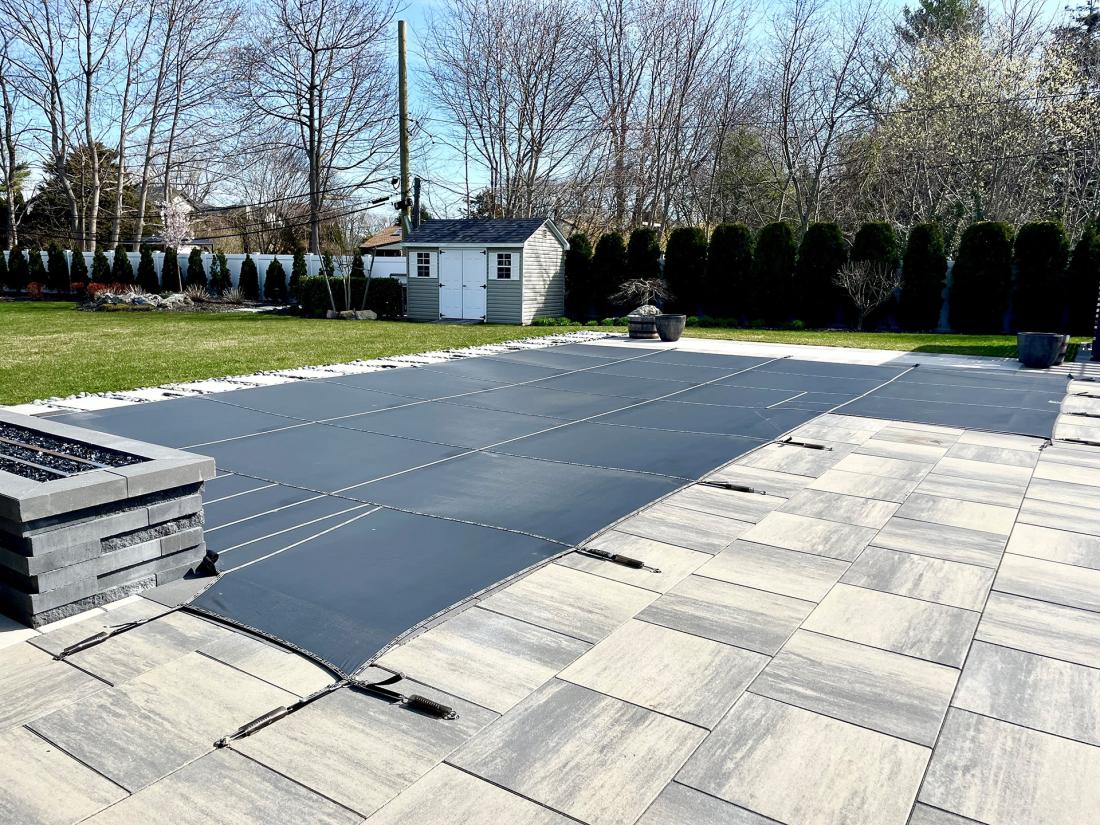
Use a safety cover for the best protection. Make sure it’s tight, with no gaps for debris. If you use a tarp, secure it well with water bags or cover clips.
Non-obvious insight: Check under the cover mid-winter. Remove water or debris build-up, especially after heavy rain or snow.
Best Dates To Close A Pool In Tennessee
Let’s get specific. When should you close your pool? Here’s a breakdown by region and pool type.
By Region
- West Tennessee (Memphis, Jackson): Most close pools between October 20 and November 10.
- Middle Tennessee (Nashville, Franklin): October 15 to November 5 is typical.
- East Tennessee (Knoxville, Chattanooga): Slightly earlier, October 10 to November 1.
By Pool Type
- Above-ground pools: Close a bit earlier, as they lose heat quickly and are more at risk from freezing.
- In-ground pools: Can stay open later, especially if you use a pool heater.
Here’s a quick look:
| Region | Typical Closing Window | Notes |
|---|---|---|
| West Tennessee | Oct 20 – Nov 10 | Warmer, close later |
| Middle Tennessee | Oct 15 – Nov 5 | Balance leaf fall and frost |
| East Tennessee | Oct 10 – Nov 1 | Colder nights, close earlier |
Pro tip: If you have a pool heater and still want to swim, you can keep your pool open into November. Just be ready to close quickly if a freeze warning appears.
Special Considerations For Tennessee Pool Owners
Leaf Fall And Debris
Tennessee is famous for its colorful autumns. That means lots of leaves—oak, maple, and hickory—end up in your pool. Heavy leaf load can block drains and cause stains. Some owners close their pool as soon as leaf drop begins, even if it’s a bit early.
Practical tip: Use a leaf net for a few weeks before closing. This saves hours of cleaning later.
Pool Heaters And Extended Season
If you have a pool heater, you can extend your swimming season. But heaters use a lot of energy, especially when air temps drop below 60°F (16°C). Decide if the extra cost is worth the extra swim time.
- Solar covers help retain heat but don’t stop all heat loss.
- Gas and electric heaters warm water fast but raise your energy bills.
Saltwater Vs. Chlorine Pools
Saltwater pools need the same closing steps. However, salt systems can suffer if water sits too long. Clean salt cells thoroughly and disconnect the generator for winter.
Common Mistakes To Avoid
- Closing too early: Warm autumn days are common in Tennessee. If you close before water temps drop, you risk algae growth under the cover.
- Skipping chemical balance: Poorly balanced water is the number one cause of stains and equipment failure over winter.
- Not lowering water enough: Leaving water at normal levels can crack skimmers if a freeze happens.
- Forgetting to drain equipment: Water left in pumps, heaters, or filters can freeze and cause expensive damage.
- Improper cover installation: Gaps let in debris and animals. Tight, secure covers make spring opening much easier.
The Cost Of Closing A Pool In Tennessee
Prices vary based on pool size, type, and whether you hire a pro or do it yourself.
Diy Closing
- Chemicals: $50–$100
- New cover (if needed): $100–$400
- Time: 2–4 hours
Professional Service
- Service fee: $200–$400 (includes chemicals and labor)
- Extra for large or complex pools
Money-saving tip: Do the prep work yourself (cleaning, balancing, removing equipment) and let a pro handle the technical steps like blowing out lines if you’re unsure.
| Closing Method | Estimated Cost | Includes |
|---|---|---|
| DIY | $50–$500 | Chemicals, cover, your time |
| Professional | $200–$400 | Full service, warranty |
Credit: visionpoolstn.com
Comparing Tennessee Pool Closing To Other States
Tennessee’s closing season is longer than in the north, but shorter than in Florida or Texas. Here’s how the closing window compares:
| State | Typical Closing Month | Reason |
|---|---|---|
| Minnesota | September | Early freezing |
| Tennessee | October–November | Mild fall, late frost |
| Texas | November–December | Warm climate |
| Florida | Rarely close | Year-round swimming |
Insight: Tennessee’s flexibility allows you to enjoy late-season swimming, but you must watch the weather closely.
How To Reopen Your Pool After Winter
Planning your closing helps make reopening easier. In spring:
- Remove the cover carefully, cleaning off debris first.
- Top up water to normal level.
- Reconnect all equipment.
- Test and balance chemicals.
- Brush and vacuum before swimming.
Hidden tip: Take photos during closing to remind yourself of valve positions and equipment setup. This saves time and confusion when you reopen.
Environmental Impact And Water Conservation
Many owners worry about wasting water or chemicals. Good news: closing your pool properly reduces environmental impact.
- Lowering (not draining) the pool keeps most water in place.
- Using a cover saves thousands of gallons from evaporation.
- Proper chemical balance reduces the need for shock treatments in spring.
If you must drain water, do it slowly and direct it away from storm drains to prevent local pollution.
Pool Closing And Local Regulations
Tennessee does not have strict state-wide pool closing laws. However, local rules may apply, especially for community or rental pools. Some counties require safety covers or fencing year-round. Always check with your local health department or HOA.
Non-obvious insight: Insurance companies may require proof of winterization or a safety cover for liability reasons. Keep your receipts and photos.

Credit: www.bookabach.co.nz
What If You Don’t Close Your Pool?
Some owners keep their pools open year-round. This is possible, but comes with risks.
- You must run the pump during every freeze warning.
- Chemical use continues, even when you’re not swimming.
- Equipment is at higher risk during unexpected cold snaps.
Expert advice: Unless you have a heated, covered pool, closing for winter saves money and prevents damage.
Timing Your Pool Closing For Maximum Savings
Choosing the right closing date saves money on:
- Electricity (no more pump or heater running)
- Chemicals (less frequent dosing)
- Cleaning (less leaf removal)
Waiting too long means more cleaning and higher chemical use. Closing too early increases the risk of algae or waterline stains.
Smart tip: Track your pool’s water temperature in September and October. When it stays below 65°F (18°C) for a week, it’s time to close.
How Weather Forecasting Can Help
Modern weather apps are your friend. Set alerts for frost warnings. Watch for 10-day temperature trends. If a cold snap is coming, close your pool quickly—even if it’s earlier than you planned.
Real example: In 2022, an early November cold front caused pipes to freeze across Middle Tennessee. Owners who waited until after the first freeze faced costly repairs.
Pool Closing For Vacation Homes And Rentals
If you manage a rental or vacation property, close the pool by mid-October. You cannot guarantee guests won’t use the pool or forget to run the pump during a freeze.
- Install a secure safety cover.
- Post signs that the pool is closed for the season.
- Inform your property manager or tenants about the closing schedule.
Extra tip: Some insurance policies require rental pools to be closed by a certain date. Check your policy.
Should You Hire A Professional Or Diy?
Closing a pool yourself is possible with patience and the right tools. However, pros have special equipment to blow out lines, check for leaks, and install covers perfectly.
Hire a pro if:
- You’re unsure about draining or blowing out pipes.
- You have a complex pool (waterfalls, spas, in-floor cleaners).
- You want a warranty on the work.
DIY if:
- You’re comfortable with pool maintenance.
- You have a simple above-ground or in-ground pool.
- You want to save money and have the time.
Pro tip: Many Tennessee pool companies offer closing packages. Book early, as they get busy in October.
Pool Closing And Safety
A secure cover protects not just your pool, but your family and pets. Use only covers rated as safety covers—these support weight and prevent accidents. Mesh covers keep out debris, while solid covers block sunlight and prevent algae.
Insight: In Tennessee, deer and raccoons sometimes wander onto pool covers. A strong cover prevents accidental drowning of wildlife.
Pool Closing Myths In Tennessee
- “It’s warm enough, I don’t need to close.” One cold night is all it takes for freeze damage.
- “Covers are optional.” Covers prevent debris, algae, and accidents. They are never optional.
- “You must drain your pool completely.” Draining is dangerous for most pools—always leave water below the skimmer.
Final Checklist Before You Close
- Clean pool thoroughly (vacuum, brush, skim)
- Balance water chemistry
- Lower water level
- Add shock and winter chemicals
- Remove and store equipment
- Blow out and plug lines
- Install a safety cover
- Double-check all steps
Last tip: Write down the closing date and what you did. This record helps you next year and provides proof for insurance if needed.
For more detailed weather data and frost dates by county, visit the National Weather Service.
Credit: swimswam.com
Frequently Asked Questions
How Late Can I Close My Pool In Tennessee?
You can usually close your pool as late as early November, especially in West Tennessee. Watch for water temperatures dropping below 65°F (18°C) and the first frost warnings. Don’t wait until after a freeze.
Do I Need To Drain My Pool Completely For Winter?
No. Only lower the water below the skimmer mouth or tile line. Draining completely can damage vinyl or fiberglass pools and is not recommended.
What Chemicals Do I Need For Pool Closing In Tennessee?
You need a quality pool shock, a winter algaecide, a stain inhibitor, and chlorine tablets or floaters. Balance pH, alkalinity, and calcium before closing for best results.
Is A Safety Cover Necessary, Or Will A Tarp Work?
A safety cover is strongly recommended. Tarps can tear, let in debris, and are not safe for kids or animals. Safety covers are more secure and last longer.
Can I Leave My Pool Open All Winter In Tennessee?
You can, but it requires running the pump during freezes and regular chemical balancing. Most owners choose to close their pool to save money and reduce risk.
Closing your pool at the right time in Tennessee protects your investment and makes spring reopening easier. Pay attention to water temperature, falling leaves, and weather forecasts. A careful closing means less work, less expense, and more fun next summer.