
A sparkling clear pool is every pool owner’s dream. But sometimes, you look down and see a white powdery substance on the bottom of your pool. It catches the sunlight and looks like someone sprinkled flour underwater. This strange sight can make anyone worry, especially if you’re not sure what it is, why it’s there, or if it’s harmful.
This issue is more common than you might think. It happens in backyard pools, hotel pools, and even public swimming facilities. Sometimes, the powder is harmless. Other times, it points to bigger problems that could damage your pool or even affect swimmers’ health.
Understanding what causes this white powder, how to diagnose it, and how to fix it can save you a lot of time, money, and stress.
Let’s dive deep into everything you need to know about white powdery substances at the bottom of your pool. Whether you’re a new pool owner or have been maintaining pools for years, you’ll find clear explanations, practical solutions, and expert tips to keep your pool clean and safe.
What Is The White Powdery Substance?
When you see a white powdery layer on your pool floor, it’s not always the same thing. Several different substances can look similar underwater. The most common types are:
- Calcium scale (calcium carbonate or calcium deposits)
- Pool dust (fine particles, sometimes from the environment)
- Dead algae
- Filter media leaks (like diatomaceous earth, also known as DE)
- Precipitated pool chemicals
Let’s take a closer look at each type.
Calcium Scale
This is the most common culprit. Calcium scale forms when the water’s calcium hardness is too high or the pH is out of balance. The calcium comes out of solution and settles as a powdery or chalky layer. It can feel gritty if you touch it.
Pool Dust
Sometimes, wind or rain brings in fine dust from the air. This can settle at the bottom and create a white or grayish layer. This dust is usually harmless but can make your pool look dirty.
Dead Algae
Algae blooms are usually green, but when you kill algae with chemicals, it often turns white or gray as it settles. This dead algae can look like a white powder on the floor.
Filter Media Leaks
If you have a DE filter and it’s damaged or installed incorrectly, the white powder you see might be diatomaceous earth. This powder is very fine, almost like flour, and can escape from the filter into the pool.
Precipitated Pool Chemicals
If you add too many chemicals (like calcium chloride or soda ash), they can sometimes settle out and leave a residue on the pool floor. This is less common but worth considering.
Why Does White Powder Form In Pools?
Understanding why the powder forms helps you stop it from coming back. Here are the main causes:
Imbalanced Pool Chemistry
The most frequent reason for white powder is pool water chemistry that’s out of balance. When the pH is too high or the calcium hardness is over 400 ppm, calcium comes out of the water and settles. Poorly balanced water can also make it easier for other particles to clump together and sink.
Poor Filtration
If your filter is not working correctly, small particles stay in the water and settle on the floor. A filter with a broken part can even release its own media (like DE or sand) into the pool, creating a powdery layer.
Environmental Factors
Dust storms, pollen, or construction nearby can bring in fine particles. These settle on the pool floor and appear as a white or light gray film.
After Shock Treatments
When you kill algae or bacteria with a heavy dose of pool shock, the dead organic material and leftover chemicals can combine and settle as a white or gray powder.
Incorrect Chemical Additions
Adding chemicals the wrong way (dumping instead of broadcasting, or adding too much at once) can cause them to precipitate. Precipitated chemicals look like a white layer at the bottom.
Pool Finish Deterioration
As plaster or other pool finishes age, tiny particles can break off and settle as a powder. This is common in older pools.
How To Identify The White Powder
Not all white powders are the same. Here’s how to figure out what you’re dealing with:
1. Feel Test
Carefully scoop some powder from the bottom with your hand or a pool brush. Rub it between your fingers.
- Gritty, sand-like: Likely calcium scale or plaster dust.
- Very fine, almost slippery: Could be DE powder.
- Soft, fluffy, dissolves easily: Probably dead algae.
2. Brush Test
Take a pool brush and sweep the powder. If it:
- Clouds up and disappears: Probably dust or dead algae.
- Stays in clumps or is hard to brush off: Likely calcium scale or plaster.
3. Chemical Test
Test your water for:
- Calcium hardness
- PH
- Alkalinity
High calcium or pH means you’re more likely dealing with scale.
4. Filter Check
If you have a DE filter, open it and check for tears or cracks. If you find damage and see white powder in the pool, it’s probably filter media.
5. Recent Treatments
Think about what you’ve added to the pool recently. Heavy doses of shock or algaecide can create dead algae or unabsorbed chemicals.
Common Mistakes When Diagnosing Pool Powder
Many pool owners jump to conclusions. Here are two things beginners often miss:
- Assuming all white powder is calcium: Sometimes it’s just dust, dead algae, or filter media.
- Not checking the filter: A leaking filter can cause a recurring powder problem, no matter how often you vacuum.
If you skip these steps, you might waste time and money on the wrong solution.
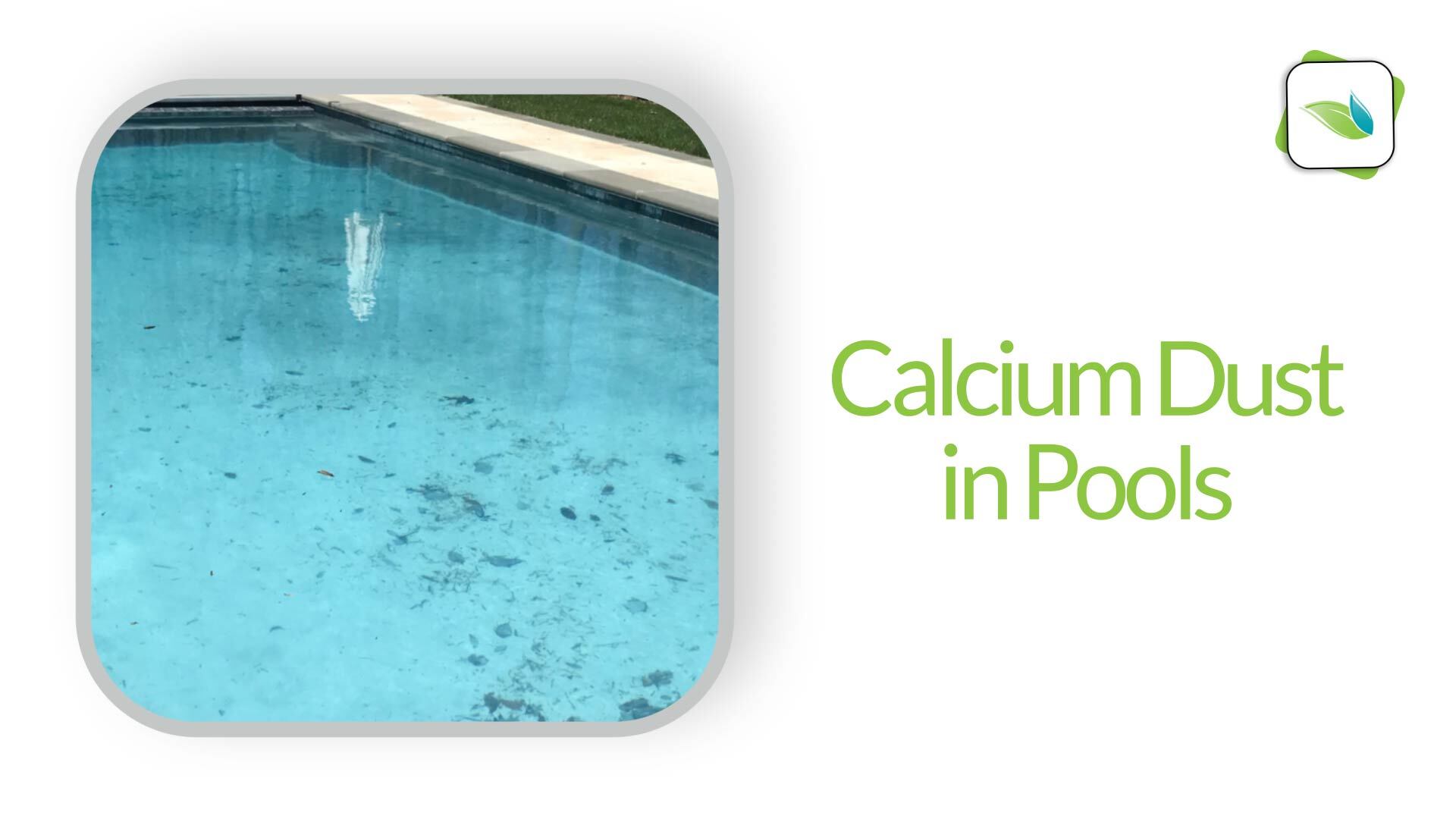
Credit: blog.orendatech.com
How To Remove White Powder From Pool Bottom
The right method depends on the cause. Here are the best ways to clean up the powder:
Vacuuming
- Use a manual vacuum set to “waste” if possible. This removes the powder from the pool and sends it out, rather than back through the filter.
- For fine dust or DE, go slowly to avoid clouding the water.
Brushing
- Use a pool brush to sweep powder toward the main drain, where it gets filtered out.
- For stubborn calcium or plaster, use a brush with stiff bristles.
Water Replacement
If your calcium hardness is extremely high (over 600 ppm), partial draining and refilling may be necessary. This brings the hardness down to a safer level.
Backwashing/filter Cleaning
After vacuuming, always backwash your filter (if sand or DE) or clean the cartridge. Powder in the filter can clog it and reduce effectiveness.
Flocculants
If the powder is too fine to vacuum, use a pool flocculant. This chemical binds tiny particles into larger clumps that settle to the bottom, making them easier to vacuum.
Specialty Cleaners
For hard calcium scale, you may need a calcium remover or a mild acid wash. This is usually a last resort for stubborn deposits.
Preventing White Powder From Returning
Prevention is always easier than repeated cleanup. Here are some proven strategies:
Maintain Water Balance
Check your pool’s pH, alkalinity, and calcium hardness every week. The ideal ranges are:
- PH: 7.2 – 7.6
- Total alkalinity: 80 – 120 ppm
- Calcium hardness: 200 – 400 ppm
Balancing these keeps minerals in solution and prevents most powdery deposits.
Use Proper Chemical Techniques
Always:
- Pre-dissolve granular chemicals in a bucket before adding.
- Broadcast chemicals evenly across the surface, not in one spot.
- Add chemicals with the pump running for even distribution.
Clean And Inspect Filters Regularly
Check your filter every month for tears, cracks, or leaks. Clean or replace media as recommended by the manufacturer.
Control Dust And Debris
Install a pool cover when not in use, especially in dusty or windy areas. Trim trees and bushes to reduce organic matter in the water.
Shock And Algaecide Safely
Follow label instructions for shock and algaecide. Don’t overdose, and always brush the pool after treatment to break up dead algae.
Special Cases: When To Call A Professional
Sometimes, DIY methods aren’t enough. Call a pool professional if:
- The powder keeps coming back after cleaning and balancing.
- You see hard, crusty deposits that don’t brush away.
- The pool water stays cloudy or swimmers have skin/eye irritation.
- You suspect a filter failure but can’t fix it yourself.
A trained technician can test your water, check your equipment, and recommend advanced solutions like acid washing or equipment repair.
Comparing Common White Pool Substances
To help you identify what you’re seeing, here’s a quick comparison of the most common white pool powders:
| Substance | Feel | Main Cause | Best Removal Method |
|---|---|---|---|
| Calcium Scale | Gritty, chalky | High hardness, high pH | Brush, vacuum, acid wash |
| Dead Algae | Soft, fluffy | After shock/algaecide | Vacuum to waste, brush |
| DE Powder | Very fine, like flour | Filter leak | Fix filter, vacuum |
| Pool Dust | Fine, silty | Wind, rain, environment | Vacuum, flocculant |
| Precipitated Chemicals | Powdery, dissolves slowly | Overdosing chemicals | Vacuum, balance water |
Pool Chemistry And Its Role In White Powder Formation
Balancing pool chemistry is not just about clear water. It directly affects whether you see white powder or not. Here’s how:
The Importance Of Ph
pH controls how acidic or basic your water is. If pH goes above 7.8, calcium becomes less soluble. This means it can fall out as calcium carbonate, forming scale or powder.
The Role Of Calcium Hardness
Calcium is necessary for pool water, but too much (over 400 ppm) is a problem. High hardness plus high pH almost always leads to scale formation.
Total Alkalinity
Low alkalinity makes pH swing wildly, while high alkalinity can push pH higher than it should be. Keeping alkalinity in range (80–120 ppm) stabilizes your water.
Chlorine And Shocking
When you add a lot of chlorine or shock, you kill bacteria and algae. The dead material can settle out as a fine powder, especially if you don’t brush and vacuum after treatment.
Tds (total Dissolved Solids)
Over time, dissolved minerals and chemicals build up. High TDS can make it easier for white powder to form and harder to keep water clear. If TDS is above 2000 ppm, partial draining may help.
Real-world Examples And Experiences
Let’s look at how this problem appears in real pools:
Case 1: Calcium Scale In A Hard Water Area
A pool owner in Phoenix, Arizona, notices white patches on the floor and walls. The water feels rough, and brushing doesn’t help. Water tests show calcium hardness above 500 ppm and pH at 8.2. The problem is calcium scale from the hard tap water.
Solution: The owner drains one-third of the water, refills with softer water, adjusts pH, and uses a scale remover. The powdery residue is gone after a week.
Case 2: De Powder From A Broken Filter
A hotel pool in Florida has a fine white dust that returns every few days. The filter is a DE type. On inspection, the filter grid is torn, allowing DE powder into the pool.
Solution: The torn grid is replaced, and the pool is vacuumed twice. The powder does not return.
Case 3: Dead Algae After Heavy Shock
After a green algae outbreak, a homeowner uses extra shock. The next day, the water is cloudy, and the floor is covered with white silt.
Solution: Thorough vacuuming to waste and brushing removes the dead algae. The owner also adjusts the filter schedule to catch fine debris.
How To Test And Adjust Pool Chemistry
Testing your water is the first step to prevention. Here’s a quick reference table for ideal levels:
| Parameter | Ideal Range | Test Frequency |
|---|---|---|
| pH | 7.2 – 7.6 | 2x per week |
| Total Alkalinity | 80 – 120 ppm | Weekly |
| Calcium Hardness | 200 – 400 ppm | Monthly |
| Chlorine | 1 – 3 ppm | 2x per week |
| TDS | < 2000 ppm | Yearly |
Use a liquid drop test kit for the most accurate results. Test strips are faster but less precise.
Adjusting Ph
- If pH is too high, add pH decreaser (sodium bisulfate or muriatic acid).
- If pH is too low, add pH increaser (sodium carbonate).
Adjusting Calcium Hardness
- If too high, partially drain and refill.
- If too low, add calcium chloride.
Adjusting Alkalinity
- To raise, add sodium bicarbonate.
- To lower, add muriatic acid (slowly, while circulating water).
The Importance Of Good Filtration
A clean, well-functioning filter is your best defense against white powder. Here’s what to check:
- For sand filters, replace sand every 5–7 years.
- For cartridge filters, clean or replace cartridges every 1–2 years.
- For DE filters, inspect grids for tears each season.
Backwash or clean filters after heavy pool use, dust storms, or algae blooms.
Smart Pool Maintenance Habits
Here are some habits that help prevent white powder problems:
- Skim and brush weekly to prevent buildup of dust and debris.
- Check filter pressure regularly. If it rises, clean the filter.
- Shock the pool after heavy use, rain, or algae, but vacuum dead material soon after.
- Trim landscaping to reduce pollen and dust entry.
- Use a pool cover whenever possible.
Environmental Factors And Regional Differences
Your pool’s location influences how likely you are to see white powder. For example:
- In desert areas, high calcium in tap water and frequent dust storms increase risk.
- In humid, heavily landscaped regions, organic debris and algae are more common.
- Urban areas may see more construction dust or airborne pollution.
Knowing your environment helps you plan your maintenance schedule and anticipate problems.
Health And Safety Considerations
Most white powder is not dangerous, but there are exceptions:
- DE powder can irritate lungs if inhaled. Keep children away during cleaning.
- Calcium scale feels rough and can scratch skin.
- Cloudy water from dead algae or chemicals can make swimming unsafe (poor visibility, possible eye/skin irritation).
If swimmers complain of irritation, avoid the pool until you’ve identified and removed the powder.
When To Drain And Refill Your Pool
Sometimes, draining is the only way to fix persistent white powder. Consider draining if:
- Calcium hardness stays above 600 ppm even after dilution.
- TDS is over 2500 ppm and water stays cloudy.
- You have repeated algae or chemical precipitation problems.
Always drain slowly and follow local rules about where the water can go.

Credit: www.youtube.com
Cost Of White Powder Problems
The cost varies depending on the cause and your solution. Here’s an overview:
- Test kits: $20–$50 per year
- Chemicals: $100–$200 per season
- Filter repair/replacement: $100–$600
- Professional cleaning: $100–$400 per visit
- Partial drain/refill: $50–$200 (depending on water rates)
Preventing powder buildup with regular maintenance is always cheaper than fixing big problems later.
Professional Products And Tools
Here are some products that can help:
- Pool flocculants: Bind fine particles for easier vacuuming.
- Scale removers: Dissolve calcium and mineral deposits.
- Test kits: Essential for balancing chemistry.
- Manual vacuums: Better for fine powder than automatic cleaners.
- Filter cleaning solutions: Extend filter life and improve performance.
Use these as part of a complete maintenance routine, not just when problems appear.

Credit: www.youtube.com
White Powder In Saltwater Pools
Saltwater pools are not immune to powder problems. In fact, they can be more prone to calcium scaling because salt cells raise pH. Follow the same steps for balancing chemistry and cleaning, and check salt cells for scale buildup.
The Bottom Line: Clear Water Is Possible
While a white powdery substance on the bottom of your pool is annoying, it’s almost always fixable. The key is understanding what you’re seeing, why it happens, and how to stop it. With regular testing, smart chemical use, and good cleaning habits, you can keep your pool floor clean and your water crystal clear.
If you ever feel overwhelmed, don’t hesitate to ask a pool professional for help. A little expert advice can prevent bigger problems and keep your pool a safe, inviting space for everyone.
For more in-depth pool care information, check out SwimmingPool.com.
Frequently Asked Questions
What Is The White Powder At The Bottom Of My Pool?
The white powder is usually calcium scale, dead algae, pool dust, or leaking filter media (like DE powder). The exact cause depends on your pool’s chemistry, environment, and equipment.
Is The White Powder In My Pool Dangerous?
Most white powder is not harmful, but DE powder can irritate lungs if inhaled, and rough calcium scale can scratch skin. Always identify the source before swimming.
How Do I Remove White Powder From My Pool?
Use a manual vacuum set to “waste” to remove powder from the floor. Brush the pool, clean your filter, and adjust water chemistry to prevent it from returning.
Can I Prevent White Powder From Forming?
Yes! Keep your pH, alkalinity, and calcium hardness in the ideal range. Clean filters regularly, use a pool cover, and avoid adding too many chemicals at once.
Should I Drain My Pool If I See White Powder?
Draining is only needed for extremely high calcium or TDS levels. Try vacuuming, balancing chemistry, and fixing equipment first. Drain only as a last resort.
With the right knowledge and habits, that mysterious white powder won’t stand a chance against your pool care skills.