
If you step into your swimming pool and feel a sharp tingle or even a jolt, you’re not imagining things—your pool may actually be shocking you. This is a serious warning sign, and it’s something you can’t ignore. Many pool owners are surprised when this happens, often thinking it’s just a static shock or a minor issue. But in reality, stray electrical current in a pool can cause everything from mild discomfort to life-threatening injuries. Understanding the cause is the first step to fixing the problem and keeping your family safe.
Pools are built for relaxation and fun, not danger. If you’ve ever felt a zap, tingling, or numbness while swimming or touching pool fixtures, it’s your pool’s way of telling you something is wrong. This guide will help you understand why pools sometimes shock people, how to troubleshoot, and what you can do to solve the problem for good.
We’ll dig into the science, common causes, and practical solutions—so you can get back to enjoying your pool without worry.
What Does It Mean When Your Pool Is Shocking You?
When people talk about a pool “shocking” them, they usually mean they feel an unexpected jolt or tingling sensation when touching the water, a ladder, or other metal pool parts. This is not the same as pool “shocking” in the chemical sense (which means adding chlorine or oxidizer to clean the water).
Electrical shock in a pool happens when stray electrical current finds a path through the water and your body becomes part of that circuit. Water is an excellent conductor, especially with dissolved minerals and chemicals present in pool water. Even a small amount of current can be dangerous or deadly, especially for children or people with heart conditions.
Some key signs your pool is shocking you:
- Tingling, zapping, or numbness when you touch the water or metal pool fixtures
- Sudden muscle cramps in the pool
- Feeling like your hand is “sticking” to a metal part
- Family members or pets acting scared or avoiding the pool
If you notice any of these, take them seriously. The problem usually starts small but can escalate quickly.
Why Is There Electricity In My Pool?
Electricity and water should never mix. If you’re feeling a shock, it means electrical current is somehow entering your pool. Here’s how that can happen:
- Faulty wiring or equipment: Pool lights, pumps, and heaters all use electricity. If wires are damaged or not properly grounded, electricity can leak into the water.
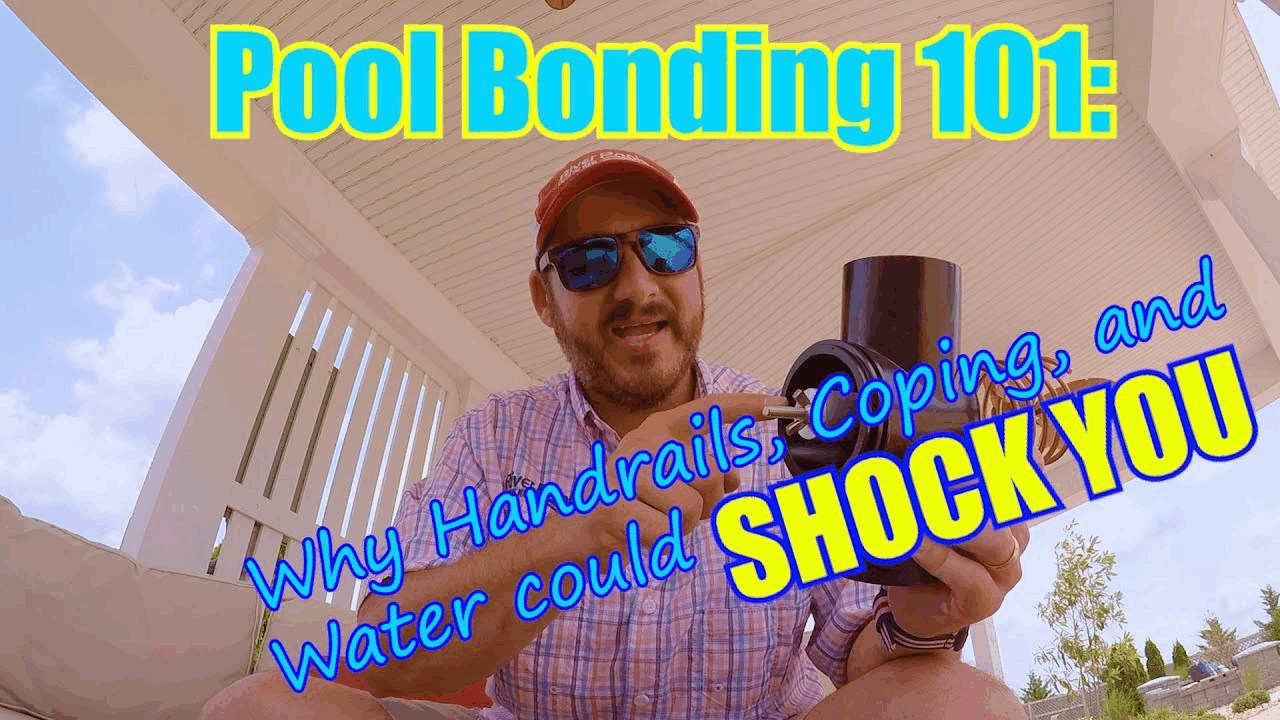
- Broken bonding: Pools are built with a “bonding” system—a network of wires connecting all metal parts to safely carry stray electricity away. If the bonding wire breaks or corrodes, electricity can build up.
- Grounding problems: Grounding ensures stray electricity is sent safely into the earth. Poor or missing grounding can allow dangerous voltage to linger in the pool.
- External electricity sources: Sometimes, electrical current from nearby buildings, landscape lighting, or power lines can find its way into the pool through the ground.
These issues are more common in older pools, DIY installations, or after storms and renovations.

Credit: www.youtube.com
Common Causes Of Pool Electrical Shocks
Let’s go deeper into the most common reasons why your pool might be shocking you.
1. Faulty Pool Lights
Pool lights are one of the most frequent sources of electrical leaks. Most pool lights operate at 120V or 12V. If the waterproof gasket fails, or wires inside the niche corrode, electricity can escape into the water. Even if the light is off, the wiring may still be energized.
2. Damaged Pumps And Heaters
Pool pumps and heaters use powerful motors. Over time, wires can degrade, especially in wet conditions. A cracked casing, loose wire, or failed ground can turn the pump into a source of stray current. Heaters with electric elements are especially risky if corroded.
3. Corroded Or Broken Bonding Wire
The bonding system links all the metal parts of your pool—ladders, rails, lights, pump housings—together with a thick copper wire. This prevents a dangerous voltage difference between parts. If the bonding wire breaks or corrodes, each part can develop a different voltage, shocking anyone who bridges the gap.
4. Bad Grounding
Grounding should direct any leaking current safely into the earth. If the grounding wire is missing, disconnected, or poorly installed, stray voltage can remain in the system. In some cases, improper grounding in the home’s electrical panel can also send current to the pool.
5. Faulty Pool Equipment
Anything electrical that touches the water—chlorinators, automatic cleaners, underwater speakers—can become a shock risk if it malfunctions. Cheap or old equipment is especially likely to fail.
6. External Electrical Sources
Sometimes, the problem isn’t in the pool but nearby. Electrical current from a neighbor’s faulty wiring, landscape lights, or even underground cables can “leak” into the earth and find a path to your pool, especially if grounding is poor.
7. Lightning Strikes And Power Surges
Storms can damage pool wiring, especially if lightning hits nearby. Power surges may fry sensitive electronics or break bonds, making future shocks more likely.
8. Saltwater Pools
Saltwater pools use a chlorinator cell that converts salt into chlorine using electricity. If the cell or its wiring fails, stray current can leak into the water.
9. Diy Or Unlicensed Repairs
Well-meaning handymen sometimes skip key safety steps, like proper bonding or waterproof wire splices. Even a small mistake can lead to a dangerous pool.
10. Aging Pool Structures
Older pools (20+ years) may have outdated electrical systems. Corrosion, shifting soil, or years of repairs can all weaken safety systems, increasing the risk of shocks.
How Dangerous Is Pool Electrical Shock?
Even a small amount of electricity in a pool can be deadly. According to the U.S. Consumer Product Safety Commission, as little as 10 milliamps (mA) can paralyze muscles, causing a swimmer to drown. For comparison, a typical home circuit breaker trips at 15,000 mA.
Some statistics highlight the danger:
- There are 5-15 deaths each year in the U.S. from electric shock drowning (ESD), many involving pools or marinas.
- Children are at higher risk because their hearts and muscles are more sensitive.
- Shocks can cause drowning even if the electricity is not strong enough to burn or visibly injure.
Never ignore tingling or mild shocks. The next incident could be much more serious.
How To Test For Electricity In Your Pool
If you suspect your pool is shocking you, it’s critical to identify the problem. Never try to “tough it out.” Here’s how to check safely:
Step 1: Turn Off All Electrical Devices
Shut down pool pumps, lights, heaters, and any nearby outdoor power sources at the breaker box. This helps you test if the problem disappears with the power off.
Step 2: Use A Multimeter
A multimeter is a tool that measures voltage. If you have experience, you can check for voltage between the water and a known ground (like a metal stake driven into the earth).
- Set the multimeter to AC voltage.
- Place one probe in the pool water and one on the grounded metal.
- Any reading above 0.1 volts can indicate a problem.
If you’re not comfortable with this, call an electrician.
Step 3: Check All Metal Fixtures
Test ladders, handrails, and metal pool lights. If you feel a tingle, avoid further contact and stop using the pool until the source is found.
Step 4: Hire A Professional
If you find voltage or don’t know where the problem comes from, call a licensed pool electrician. Never try to fix wiring or bonding systems yourself unless you have proper training.
Key Components Of Pool Electrical Safety
To understand why pools shock people, it helps to know how a safe pool is built. Every pool should include:
Bonding System
A bonding wire (usually bare copper) connects all metal parts—rails, light niches, pump housings, ladders—creating a single “bonded” network. This equalizes voltage and prevents shocks.
Grounding System
A ground wire connects the bonding network (and all electrical devices) to the earth. This provides a safe escape path for stray current.
Ground Fault Circuit Interrupter (gfci)
A GFCI breaker or outlet instantly cuts power if it senses even a tiny leak of current (as little as 4-6 mA). By code, all pool equipment and outlets within 20 feet of the pool must have GFCI protection.
Waterproof Fixtures
All electrical connections in and around the pool must be waterproof—using weatherproof boxes, sealed lights, and proper conduits.
Regular Inspections
Electrical systems should be checked at least once a year, especially after storms, renovations, or signs of trouble.
Credit: www.riverpoolsandspas.com
What To Do If Your Pool Is Shocking You
Don’t panic—but act quickly and safely. Here’s what you should do:
- Clear the Pool: Get everyone, including pets, out of the water immediately.
- Turn Off Power: Shut down all pool circuits at the breaker box. If unsure, turn off the main power to the pool area.
- Do Not Touch Metal: Avoid touching ladders, rails, or light fixtures until the source is found.
- Call a Professional: Hire a licensed electrician or pool technician to inspect the system.
- Document Symptoms: Write down when and where the shock happened—this helps the expert diagnose the issue.
Never re-enter the pool until the problem is 100% fixed.
Diagnosing The Source Of The Problem
Finding the exact cause can be tricky. Here’s a process experts use:
Visual Inspection
Check for obvious problems:
- Exposed wires
- Corroded connections
- Broken or missing bonding wires
- Water inside light fixtures
Testing With A Multimeter
A professional will test voltage between water, fixtures, and ground points. They may also use a voltmeter or circuit analyzer to find stray current.
Isolation Testing
The electrician may turn off one circuit at a time (lights, pump, heater) to see if the shock disappears. This narrows down the source.
Checking The Bonding And Grounding
They’ll test continuity of the bonding wire and ensure all parts are properly grounded. Any breaks or corrosion must be repaired.
Inspecting Equipment
All pumps, heaters, chlorinators, and other devices are checked for internal shorts, failed grounds, or water intrusion.
Testing Nearby Power Sources
Sometimes, stray voltage enters from outside the pool. An expert may check nearby outlets, outdoor lights, or even power lines.
Preventing Pool Shocks In The Future
Fixing the immediate issue is critical, but long-term prevention is just as important. Here’s how to keep your pool shock-free:
Schedule Regular Electrical Inspections
Have a licensed electrician check your pool system every year, especially before swimming season.
Upgrade Old Equipment
If your pool is over 15 years old, consider replacing outdated pumps, lights, and wiring with newer, safer models.
Ensure Proper Bonding And Grounding
Ask your electrician to check that all metal parts are bonded and grounded according to local codes.
Install Gfci Protection
Make sure all outlets and circuits near the pool have GFCI breakers or outlets. Test them monthly.
Waterproof All Connections
Use proper outdoor junction boxes, sealed fittings, and waterproof wire nuts for all electrical connections.
Watch For Warning Signs
Be alert for:
- Flickering pool lights
- Discolored water near fixtures
- Cracked or loose pool equipment
Avoid Diy Electrical Work
Unless you are a trained electrician, never attempt to fix or install pool wiring yourself.
Document Repairs
Keep records of all repairs, inspections, and upgrades. This helps track issues and improves safety.
Cost Of Fixing Pool Electrical Shocks
Repair costs depend on the problem:
| Repair Type | Average Cost (USD) | Notes |
|---|---|---|
| Replace GFCI breaker | $150 – $300 | Parts and labor |
| Repair bonding wire | $200 – $600 | Depends on access |
| Replace pool light | $400 – $900 | Includes waterproofing |
| Full electrical inspection | $150 – $400 | Recommended yearly |
| Replace pool pump | $800 – $1,500 | If internal short found |
Ignoring the issue can lead to much higher costs—not just money, but also health and safety.
Real-world Examples
To better understand, here are a few real incidents:
- A family in Texas noticed tingling near their pool light. An electrician found a corroded wire inside the light niche. Replacing the light and resealing the housing stopped the shocks.
- In Florida, a pool owner got shocked touching a ladder. The bonding wire had corroded underground. Repairing the bond fixed the problem.
- After a storm, a homeowner in Georgia felt a strong zap from a pool rail. Lightning had damaged the GFCI breaker, which failed to trip. Replacing the breaker and checking all equipment restored safety.
These cases show that pool shocks are often fixable, but you must act quickly and use professionals.
How To Choose A Qualified Pool Electrician
Choosing the right expert is critical. Here’s what to look for:
| What to Check | Why It Matters |
|---|---|
| License and insurance | Proof of training and liability coverage |
| Pool-specific experience | Pools have special codes and risks |
| References or reviews | Past clients confirm quality |
| Written estimate | Clear costs and scope of work |
| Warranty on repairs | Protects you if problems return |
Ask questions—don’t assume all electricians understand pool bonding and grounding. The right pro will explain what they find and why their solution is safe.
Extra Insights Most Pool Owners Miss
- GFCI Breakers Wear Out: Many people don’t realize that GFCI devices can fail over time, especially in outdoor or humid areas. Test your GFCI outlets monthly by pressing the “Test” and “Reset” buttons.
- Pool Water Chemistry Affects Conductivity: High salt or mineral levels in the pool water can make shocks feel stronger. Keeping water chemistry balanced helps reduce risk.
- Nearby Construction Can Change Ground Conditions: If your neighbor installs a new fence, patio, or even a hot tub, they may disturb underground wires or bonding systems, increasing the risk of stray voltage entering your pool.
- Pets Are Early Warning Systems: Sometimes, dogs or cats refuse to enter the pool area or seem anxious. They may sense tingling before humans do—don’t ignore their behavior.
When To Consider A Complete Electrical Upgrade
If your pool is over 20 years old, or you’ve had repeated electrical issues, it might be time for a full electrical upgrade. This can include:
- Replacing all old wiring and junction boxes
- Upgrading to modern GFCI and AFCI breakers
- Installing new, code-compliant bonding and grounding systems
- Swapping outdated pool lights and pumps for safer, energy-efficient models
While this is a major project, it offers peace of mind and can add value to your home.
Legal And Insurance Considerations
Many local building codes require annual electrical inspections for pools, especially in rental properties or public pools. Failing to fix electrical hazards can void your homeowner’s insurance if an accident happens. Always keep documentation of repairs and inspections.
How Pool Shock Differs From Static Electricity
Some people wonder if the tingling they feel is just static electricity—like a shock from a doorknob. In pools, this is rare. Static shocks are brief and usually happen when you first touch water, not while you’re swimming or holding a fixture. If the sensation happens repeatedly or lasts more than a second, it’s likely stray electrical current—not static.
The Bottom Line
A shocking pool is a dangerous pool. Even minor tingling means something is wrong with your pool’s electrical or bonding system. The risks are real, but the solutions are straightforward—act quickly, get professional help, and never take chances with electrical safety.
With proper care and regular inspections, your pool can be a safe, relaxing place for years to come.
For more on swimming pool electrical safety, visit the U.S. Consumer Product Safety Commission.
Frequently Asked Questions
Why Do I Feel A Shock Only When Touching The Pool Ladder?
Metal ladders are often the first place people feel electrical shocks because they’re connected to the pool’s bonding system. If the bonding wire is broken or corroded, the ladder can develop a voltage different from the water or the earth, causing a shock when you touch both.
Can A Pool Shock Happen Even If All My Equipment Is Off?
Yes. Stray voltage can still enter your pool from nearby sources, poor bonding, or faulty wiring—even if your pool pump, lights, and heater are off. This is why regular electrical inspections are essential.
Is A Saltwater Pool More Likely To Shock Me?
Saltwater pools use a chlorinator cell powered by electricity. If the cell or wiring fails, there’s a higher risk of stray current leaking into the water. However, with proper bonding, grounding, and equipment checks, saltwater pools can be just as safe as traditional pools.
How Often Should I Test My Gfci Outlets And Breakers?
Test your GFCI outlets and breakers at least once per month. Press the “Test” button to ensure they trip, then press “Reset. ” Replace any GFCI that does not trip correctly.
What Should I Do If Someone Is Shocked In The Pool?
Do not jump in to help—they could still be in contact with electricity. Use a non-metal object (like a rescue hook or wooden pole) to pull them out. Call emergency services immediately. Only re-enter the pool once a qualified electrician confirms it is safe.
With these insights, you can take confident action if your pool is shocking you, keeping your loved ones safe and your pool worry-free.

Credit: www.reddit.com