
If you own a pool, you know how important it is to keep the water clear, clean, and safe. Shocking the pool is a key part of this process. But sometimes, you pour in your pool shock, and hours later, you still see clumps or grains sitting at the bottom.
This can be confusing and even frustrating. Why won’t your pool shock dissolve? There are several reasons, and each one has its own solution.
Understanding the science behind pool shock, the types of shock available, and the pool’s water chemistry is essential for solving this problem. This article will guide you through all the main reasons pool shock won’t dissolve, how to fix the issue, and how to avoid it in the future.
If you want sparkling, healthy water, read on.
What Is Pool Shock And Why Do Pools Need It?
Pool shock is a concentrated chemical used to kill bacteria, algae, and other harmful organisms in pool water. Shocking your pool helps break down organic waste, clear cloudy water, and restore chlorine levels. It’s an important part of regular pool maintenance.
Most pool shocks are forms of chlorine, but not all are the same. The most common types are:
- Calcium hypochlorite (cal-hypo)
- Sodium dichlor
- Potassium monopersulfate (non-chlorine shock)
- Sodium hypochlorite (liquid chlorine)
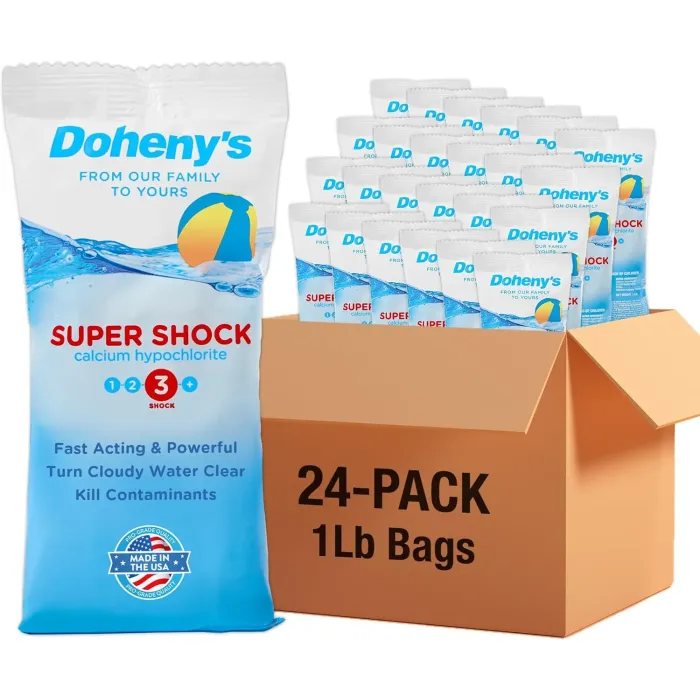
Each type dissolves at a different rate and reacts differently with your pool water. The most widely used shock, calcium hypochlorite, is strong but can be slow to dissolve, especially in cold water. Understanding which type you’re using is the first step to solving dissolving problems.
Shocking is not just about adding chlorine. It’s also about oxidizing contaminants that regular chlorine can’t handle. For instance, organic matter from swimmers, rain, or wind can build up over time. If not treated, this can lead to chloramine formation, which causes a strong chlorine smell and eye irritation.
Shocking breaks down these chloramines and helps keep the water inviting and comfortable.
Common Types Of Pool Shock And Their Dissolving Speeds
To understand why shock might not dissolve, it helps to compare the most popular types.
| Type of Shock | Main Ingredient | Dissolve Speed | Notes |
|---|---|---|---|
| Calcium Hypochlorite | Calcium hypochlorite | Slow | Most common, leaves residue if undissolved |
| Sodium Dichlor | Sodium dichloro-s-triazinetrione | Medium | Faster than cal-hypo, dissolves well in warm water |
| Potassium Monopersulfate | Potassium monopersulfate | Fast | Non-chlorine, dissolves quickly |
| Liquid Chlorine | Sodium hypochlorite | Immediate | No dissolving needed |
If you are using calcium hypochlorite and notice grains at the bottom, you’re not alone. This is the most common type to have dissolving issues, especially if used incorrectly.
A quick side note: Not all pool shocks are interchangeable. For example, liquid chlorine is popular for commercial pools because it’s easy to dose and doesn’t leave residue. However, it’s less stable in sunlight and has a shorter shelf life. Choosing the right type of shock for your needs can save you both time and effort.
Reasons Why Pool Shock Won’t Dissolve
Let’s dive into the main causes for undissolved pool shock. Most of these issues are preventable once you know what to look for.
1. Water Temperature Is Too Low
Cold water slows chemical reactions and makes it harder for solids to dissolve. If you shock your pool when the water is cold (below 65°F or 18°C), you’re more likely to see shock grains sitting on the bottom.
Example: Early spring or late fall, the water is chilly, and you add cal-hypo. The shock just sits there, barely dissolving.
Even in warmer climates, a sudden drop in temperature overnight can affect dissolving. If you live in a region with big temperature swings, check your pool temperature before adding shock.
2. Poor Circulation In The Pool
If your pool pump or jets aren’t running, or if you add shock in a “dead spot” with little movement, the granules will not spread and dissolve properly.
Non-obvious insight: Many people turn off the pump at night to save energy and add shock then, but without water movement, the shock stays on the floor.
Pools with awkward shapes or built-in steps can also develop areas where water doesn’t move much. These spots often collect debris, and undissolved chemicals can gather there too. If you notice this happening, try to direct your return jets to improve circulation in these areas.
3. Shock Was Not Pre-dissolved
Some types of shock, especially cal-hypo, should be pre-dissolved in a bucket of water before adding to the pool. Pouring granules directly into the water can cause clumps, slow dissolving, or even bleach spots on the pool surface.
If you have a large pool and a heavy dose of shock, splitting the amount between two buckets can help prevent clumping and make mixing easier.
4. High Calcium Or Tds Levels
If your pool already has high calcium or total dissolved solids (TDS), it can slow dissolving. The water may be “saturated” and less able to absorb new chemicals.
Data: Pools with calcium above 400 ppm or TDS above 2000 ppm often experience this problem.
You might not notice the effect right away, but over months or years, calcium and TDS can gradually increase, especially if you use a lot of cal-hypo shock. This is why regular partial draining and refilling is recommended for older pools.
5. Adding Too Much Shock At Once
Dumping large amounts of shock, instead of spreading it evenly, can lead to piles that won’t dissolve quickly. Piles create high local concentration, making dissolving even harder.
It’s a common mistake to think more shock means faster cleaning, but this can actually slow down the process. When you see a pile of undissolved shock, resist the urge to add even more—it won’t help.
6. Old Or Clumped Shock
Shock that is old, damp, or has clumped together will not dissolve as well as fresh, loose granules. Chemical breakdown happens over time, reducing effectiveness.
Practical tip: Always check the expiration date and feel for clumps before using.
Also, if you see powder that looks yellowed or smells unusual, it may have started to degrade. Dispose of questionable chemicals safely and buy new.
7. Wrong Type Of Shock For Your Pool
Not every shock is right for every pool. For example, cal-hypo adds calcium, which can be a problem for vinyl liner pools or hard water areas. Non-chlorine shock might be better in some cases.
If you’re unsure, bring a water sample to a local pool store. They can test your water and recommend the best shock for your needs.
8. Poor Water Chemistry
Unbalanced pool water, such as very high or low pH or alkalinity, can affect dissolving. For example, high pH can make cal-hypo less soluble.
Often, pool owners focus on chlorine levels alone and overlook pH and alkalinity. Remember, all three are connected and should be checked together for best results.
9. Direct Application To Pool Surfaces
Pouring shock directly onto the pool floor, especially in one spot, can cause it to settle and not dissolve. This can also damage pool liners or plaster.
Non-obvious insight: Even if you pour shock into the deep end, make sure water is moving so granules don’t just sit there.
10. Not Enough Water Volume
Using shock in very small pools or hot tubs without adjusting the dose can cause undissolved granules. Always follow the recommended dosage for your pool size.
Remember, small pools or spas need much less chemical than standard backyard pools. Overdosing is not only wasteful but can also make dissolving more difficult.
How To Make Pool Shock Dissolve Properly
Now that you know the reasons, let’s look at how to solve and prevent undissolved shock.
Use The Right Application Method
- Pre-dissolve cal-hypo: Fill a clean 5-gallon bucket with warm pool water, add the shock slowly, and stir until dissolved. Then pour around the pool.
- Spread granules evenly: If you must add shock directly, walk around the pool and sprinkle evenly.
- Run the pump and jets: Circulation is your friend. Run the pump for at least 8 hours after shocking.
If you’re pre-dissolving, always add the chemical to water, never water to the chemical. This reduces the risk of splashing and chemical burns. Also, use a plastic or wooden stick for stirring—metal can react with some chemicals.
Adjust For Water Temperature
- If the water is cold, try to wait for a warmer day. If you must shock, pre-dissolve the shock thoroughly and use a brush to help spread it.
- For heated pools, turn on the heater before shocking.
In colder conditions, you might also consider using dichlor or liquid chlorine, which can dissolve more easily than cal-hypo.
Check And Balance Water Chemistry
- PH should be between 7.2 and 7.6.
- Alkalinity should be between 80 and 120 ppm.
- Calcium hardness should be between 200 and 400 ppm.
- Test your water before shocking and adjust as needed.
Balancing water beforehand is a step many skip, but it makes a huge difference. Pool test strips or liquid kits are affordable and easy to use. If you’re struggling with constant issues, take a sample to a pool store for a more in-depth test.
Use Fresh, Quality Shock
- Buy shock from a reputable store.
- Store in a dry, cool place.
- Do not use clumped or wet shock.
If you purchase shock in bulk, consider dividing it into smaller airtight containers to avoid moisture exposure each time you open the main bag.
Don’t Overdose
- Measure carefully.
- If you need to add a large amount, do it in several smaller doses.
Using a kitchen scale or dedicated pool chemical scoop can improve dosing accuracy, especially if your pool is an unusual size.
Brush The Pool After Shocking
- Use a pool brush to sweep any undissolved granules into the water flow.
- Focus on the deep end or areas where shock tends to settle.
Brushing is often overlooked but is very effective. It not only helps dissolve granules, but also prevents buildup and staining on surfaces.
Choose The Right Type Of Shock
- For hard water, use dichlor or non-chlorine shock.
- For quick dissolving, try potassium monopersulfate.
Some pool owners rotate between different types of shock depending on water conditions and the season. This can help avoid buildup of certain chemicals and keep your pool balanced.
Credit: www.doheny.com
What Happens If Pool Shock Doesn’t Dissolve?
When shock sits undissolved on the pool floor, it can cause several problems:
- Bleaching and Staining: Cal-hypo especially can bleach vinyl liners or stain plaster.
- Ineffective Sanitizing: Your pool won’t get the chlorine boost needed to kill bacteria and algae.
- Cloudy Water: Undissolved shock can make water hazy or milky.
- Wasted Money: Shock that doesn’t dissolve is shock that doesn’t work.
- Damaged Equipment: Granules can get stuck in pool cleaners or filters.
Another risk is that swimmers may come into contact with concentrated chemicals, which can irritate skin and eyes. Always check that all chemicals have dissolved before letting anyone swim.
Step-by-step Troubleshooting Guide
If you find undissolved shock, here’s what to do:
- Turn on the pump and brush the pool to help granules dissolve.
- Test water chemistry and adjust pH, alkalinity, and calcium as needed.
- Vacuum up excess shock if it won’t dissolve after 24 hours.
- Switch shock brands or types if the problem keeps happening.
- Inspect your storage: Use only fresh, dry shock.
If you vacuum up undissolved shock, make sure to empty or clean your vacuum filter afterward. Residue left in the filter can continue to dissolve and affect future water chemistry.
Real-world Example
Samantha owns a 16,000-gallon in-ground pool. She adds two pounds of cal-hypo shock every weekend, but lately she’s noticed white grains sitting on the steps. The water is also cloudy. She tests her water and finds the pH is 8.
0, and the calcium is 450 ppm.
What Went Wrong?
- High pH and calcium make cal-hypo dissolve poorly.
- She pours shock on the steps, not into circulating water.
- Solution: She switches to dichlor, lowers the pH to 7.4, and pours shock slowly in front of a return jet with the pump running. The problem disappears.
This example highlights how small changes in routine can fix persistent issues. Samantha’s experience is common, and many pool owners are surprised at how quickly problems resolve when water chemistry is balanced.
Comparing Shock Performance In Different Conditions
Here’s a comparison of shock dissolving times in various water temperatures (based on 1 lb of cal-hypo in 10,000 gallons):
| Water Temperature | Dissolving Time (Direct Application) | Dissolving Time (Pre-Dissolved) |
|---|---|---|
| 60°F (16°C) | 4+ hours | 30 minutes |
| 75°F (24°C) | 2 hours | 15 minutes |
| 85°F (29°C) | 1 hour | 10 minutes |
Insight: Pre-dissolving cal-hypo always speeds up the process, especially in cold water.
If you’re short on time, or the weather is unpredictable, pre-dissolving is the best way to ensure your shock works quickly and completely.
Understanding Pool Water Chemistry And Shock Dissolving
Water chemistry plays a silent but vital role. Each chemical you add changes how other chemicals behave.
- High pH slows dissolving and weakens chlorine’s power.
- High calcium causes scaling and interferes with dissolving.
- High TDS means the water can’t hold more chemicals, so new ones won’t dissolve easily.
A pool that is regularly shocked with cal-hypo can slowly build up calcium and TDS. Over time, you may notice more undissolved grains and cloudier water. The solution is partial draining and refilling, or switching to a different type of shock.
Water chemistry can also be affected by other factors, like the type of fill water you use (well water often has higher calcium) or nearby landscaping. Regular testing and adjustment help keep things balanced and make shocking easier and more effective.
How To Store Pool Shock Properly
Many dissolving issues start with poor storage. If shock is stored in a damp area, or not sealed tightly, it will clump and lose strength.
- Store in a cool, dry place.
- Keep containers tightly closed.
- Don’t mix old and new shock.
Non-obvious insight: Even a little moisture can cause shock to become hard and unusable.
Humidity in garages or sheds can seep into packaging, especially after opening. If you notice shock sticking to your scoop or clumping together, it’s best to replace it before it causes more problems.
Avoiding Common Mistakes
Even experienced pool owners make mistakes that lead to undissolved shock. Here are some to watch out for:
- Adding shock with the pump off: Always run the pump to help dissolve and circulate.
- Dumping all shock in one spot: This can cause bleaching and slow dissolving.
- Mixing chemicals together: Never mix different shocks or chemicals before adding to the pool.
- Ignoring water tests: Test water before shocking every time.
- Using old chemicals: Fresh shock always works better.
Another mistake is not reading product labels. Some shocks are stronger than others, and using the wrong amount can cause both dissolving issues and unsafe swimming conditions.
When To Switch Shock Types
If you constantly have problems, it might be time to change your shock. Here’s a quick guide:
| Situation | Best Shock Type | Why |
|---|---|---|
| Hard water (high calcium) | Dichlor or non-chlorine shock | Prevents calcium buildup |
| Cold water | Pre-dissolved cal-hypo or liquid chlorine | Dissolves faster in low temps |
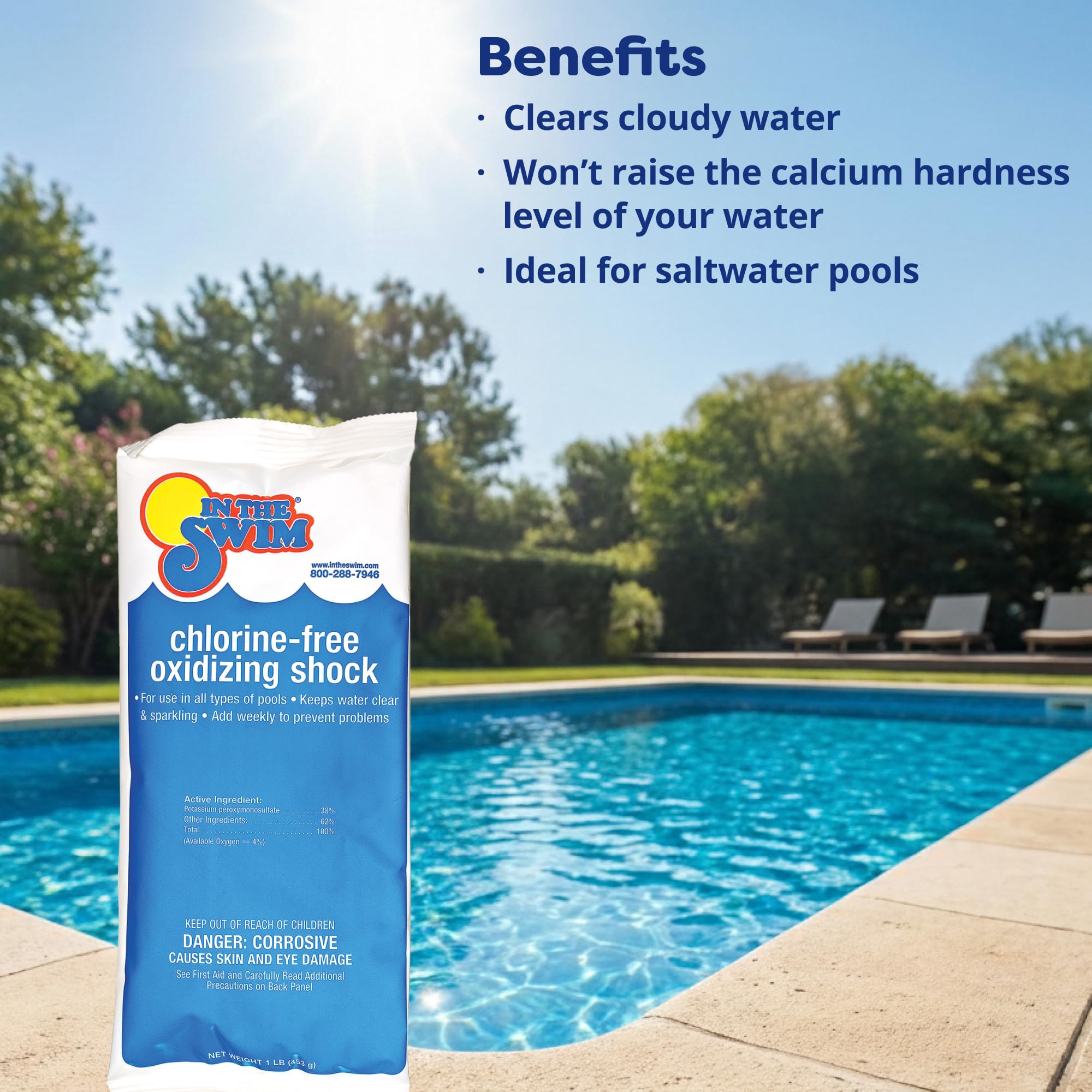
| Saltwater pools | Non-chlorine shock | Avoids adding extra chlorine |
| Vinyl liner pools | Dichlor | Less risk of bleaching |
If you’re using a saltwater generator, over-chlorination can damage equipment. Non-chlorine shock is often recommended because it oxidizes organics without raising chlorine levels.
Tips For A Crystal Clear Pool
- Shock your pool at dusk or night. Sunlight breaks down chlorine quickly.
- Clean your filter before shocking.
- Brush walls and floor to remove algae and debris.
- Wait until the water is clear before swimming.
- Test water 24 hours after shocking.
Also, be patient. Sometimes it takes a full day for the water to clear, especially after heavy use or storms. Regular maintenance is more effective than trying to fix problems after they appear.
When To Call A Professional
If you follow all the steps and still have undissolved shock, it may be time to call a pool professional. They can test for hidden problems, such as faulty pumps, extreme water chemistry, or old pool surfaces.
Professionals also have access to more advanced testing tools and can spot issues that might be invisible to the average pool owner, such as hidden leaks or equipment malfunctions.

Credit: www.amazon.com
The Bottom Line
Pool shock that won’t dissolve is a common but fixable problem. In most cases, it’s caused by cold water, poor circulation, wrong application, or old chemicals. By understanding the science, choosing the right shock, and following best practices, you can enjoy a safe and sparkling pool all season.
For more in-depth pool chemistry resources, you can check the CDC’s pool disinfection guide.
Frequently Asked Questions
Why Do I See White Granules At The Bottom After Shocking My Pool?
White granules are usually undissolved cal-hypo shock. They occur when shock is added in cold water, without pre-dissolving, or when the pool pump is off. Brushing and running the pump can help dissolve them.
Can Undissolved Pool Shock Damage My Pool Liner?
Yes, undissolved shock, especially cal-hypo, can bleach or damage vinyl liners and plaster. It’s important to brush granules away and always pre-dissolve when possible.
Is It Safe To Swim If Shock Hasn’t Dissolved?
No. Undissolved shock can irritate skin and eyes. Wait until all shock has dissolved and chlorine levels are safe before swimming.
How Long Should I Run My Pump After Adding Pool Shock?
Run the pump for at least 8 hours after shocking. This helps dissolve and circulate the shock evenly throughout the pool.
What’s The Best Way To Add Pool Shock To Avoid Dissolving Problems?
Pre-dissolve shock in a bucket of warm water, pour it evenly around the pool with the pump running, and brush any remaining granules into the water flow. This gives the best results.
—
Keeping your pool clean and safe is easier when you know how to handle chemicals correctly. Understanding why shock won’t dissolve means you can fix the problem fast and enjoy more relaxing days by the water.
Credit: www.amazon.com