
Grease is a silent enemy in many kitchens. It sneaks up over time, turning shiny surfaces dull, making appliances sticky, and even causing bad smells. If you leave it alone, grease build-up can become a serious problem. It affects not just the look of your kitchen, but also hygiene and safety.
Grease can attract pests and even increase the risk of fire. The good news is that with the right habits and knowledge, you can keep your kitchen almost grease-free.
Many people believe that cleaning their kitchen once a week is enough. But grease finds its way into tiny gaps, under cabinets, and inside vents. If you want to truly prevent grease build up, you need to understand where it comes from and how to stop it at the source.
This article will show you practical, step-by-step methods to reduce and manage kitchen grease. You’ll learn which tools and products really work, and which common advice is actually a waste of time.
Let’s go through all the key strategies for a cleaner, safer kitchen—without making your life harder or spending hours every day. By the end, you’ll know exactly how to keep grease under control, avoid common mistakes, and enjoy cooking in a fresher, healthier space.
What Causes Grease Build Up In The Kitchen?
You might think that grease only comes from deep frying. In reality, grease build up happens during almost every kind of cooking. Even boiling or baking can release small amounts of oil and fat into the air. Here are the main sources:
- Cooking with Oil or Butter: Sautéing, frying, or roasting meat releases fat droplets into the air.
- Steam from Food: As food cooks, oils and fats can turn into vapor and settle on surfaces.
- Splatter and Spills: Oil splashes from pans, especially when food is added to hot oil.
- Poor Ventilation: Without a good exhaust or open windows, grease stays in the kitchen air.
- Dirty Appliances: Ovens and microwaves can spread old grease if not cleaned regularly.
An important insight: Even using non-stick cookware does not stop grease from entering the air. Also, just wiping visible surfaces is not enough—grease can travel and stick to high, hidden places.
Why Preventing Grease Build Up Matters
Kitchen grease is more than just a cleaning problem. It causes several issues that are easy to overlook:
- Fire Hazard: Grease is highly flammable. A greasy hood or stove increases fire risk.
- Unpleasant Odors: Old grease smells bad and makes the whole kitchen feel dirty.
- Health Risks: Grease traps bacteria and dust, which can contaminate food.
- Insect Attraction: Ants, cockroaches, and flies love greasy kitchens.
- Appliance Damage: Grease can harm oven fans, vent filters, and even walls.
Many beginners think “out of sight, out of mind. ” But grease build-up often starts in places you don’t see, like the top of cabinets or inside range hoods.
Daily Habits That Prevent Grease
Stopping grease before it builds up is much easier than removing old, sticky layers. Here’s how you can make prevention part of your daily routine:
1. Wipe Down Surfaces After Cooking
Every time you cook, wipe countertops and stovetops with a damp cloth or paper towel. Pay special attention to the backsplash and the area near the stove, where most grease lands. Even 30 seconds of wiping can prevent sticky build-up.
2. Use Splatter Screens And Lids
A simple splatter screen or keeping lids on pots and pans can catch most grease droplets. This tiny step reduces the amount of cleaning you need later.
3. Clean Appliances Regularly
Don’t wait until the oven or microwave looks dirty. Wipe them after every use, especially if you see any oil or food splatter. For toasters and air fryers, empty crumb trays and wipe surfaces weekly.
4. Take Care Of Ventilation
Always turn on your exhaust fan or open a window while cooking. Good ventilation pulls greasy air out, so it does not settle on your walls and cabinets.
5. Wash Cooking Tools Promptly
Wash pots, pans, and utensils soon after use. Grease is much easier to remove before it dries and hardens.
6. Dry Surfaces Properly
After cleaning, dry surfaces with a clean towel. Water spots can trap grease if left to air dry.
Weekly And Monthly Cleaning Routines
Even with daily habits, some grease will still collect in hard-to-reach places. A weekly and monthly cleaning plan keeps things under control.
Weekly Tasks
- Clean Backsplash and Walls: Use a degreaser or warm soapy water.
- Wipe Cabinet Doors and Handles: Grease loves corners and crevices.
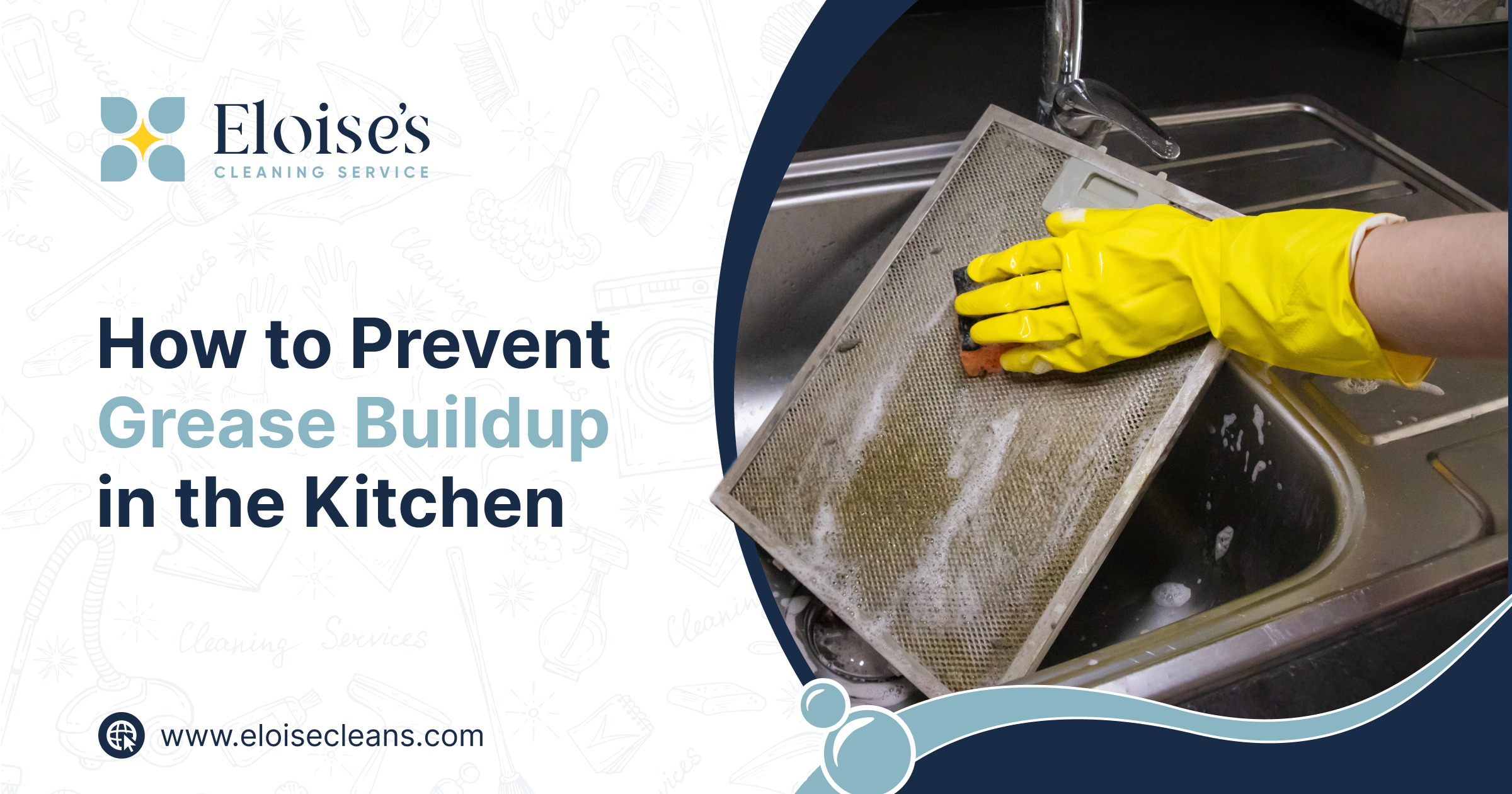
- Wash Range Hood Filters: Soak in hot, soapy water or run through the dishwasher if possible.
- Mop the Floor Near the Stove: Use a degreasing floor cleaner.
Monthly Tasks
- Deep Clean Oven and Microwave: Use the self-clean function or a gentle oven cleaner.
- Check and Clean Light Fixtures: Grease can settle on bulbs and shades.
- Clean Above Cabinets and Fridge: These spots collect invisible grease over time.
Here is a simple comparison between weekly and monthly tasks:
| Task | Weekly | Monthly |
|---|---|---|
| Stovetop Wipe Down | ✔️ | |
| Cabinet Doors & Handles | ✔️ | |
| Range Hood Filter | ✔️ | |
| Deep Oven Clean | ✔️ | |
| Above Cabinets/Fridge | ✔️ |
Choosing The Right Cleaning Products
Not all kitchen cleaners are good for grease. Some just spread the grease around or leave a sticky film. Here’s what works best:
Degreasers
Degreasers are designed to break down oils and fats quickly. Look for products labeled “kitchen degreaser” or “heavy-duty cleaner.” For a natural option, vinegar mixed with water (1:1 ratio) can help, but it’s less powerful than commercial cleaners.
Dish Soap
A good dish soap is surprisingly effective on greasy surfaces. Mix with warm water and use a sponge or cloth.
Baking Soda
For tough spots, sprinkle baking soda on the area, add a few drops of water, and scrub gently. Baking soda is safe for most surfaces and acts as a mild abrasive.
Microfiber Cloths
Microfiber cloths pick up grease better than paper towels or old rags. They trap small grease particles instead of just pushing them around.
Avoid Bleach And Ammonia
Bleach and ammonia are not good for grease. They disinfect but do not remove oils well, and can damage surfaces or create harmful fumes if mixed.
Here’s a comparison of popular cleaning agents for kitchen grease:
| Product | Best For | Notes |
|---|---|---|
| Degreaser Spray | Heavy build-up | Quick and strong, read label for safety |
| Dish Soap | Daily cleaning | Safe, cheap, gentle |
| Baking Soda | Stubborn stains | Needs scrubbing, safe for most surfaces |
| Vinegar Solution | Light grease | Natural, but not strong on thick grease |
Smart Cooking Techniques To Minimize Grease
Prevention starts when you cook. Here are some clever cooking adjustments that can help:
Cook At Lower Temperatures
High heat causes more splatter and airborne grease. If possible, cook at a medium or low setting. This keeps oil from jumping out of the pan.
Trim Fat Before Cooking
Remove extra fat from meat or skin from chicken before cooking. Less fat means less grease released.
Use Oven Liners And Baking Trays
Place liners or trays under food in the oven to catch drips. These are easy to wash or replace.
Choose Leaner Recipes
Try grilling or steaming instead of frying. Leaner cooking methods release less grease into the air.
Keep Pan Size Right
Use a pan that matches the amount of food. Overcrowding causes more splatter, while a too-large pan exposes more oil to the air.
Credit: www.eloisecleans.com
Key Areas People Forget To Clean
Grease can hide in unexpected places. Here are common spots that are often missed:
- Top of Cabinets and Fridge: Greasy air rises and collects here.
- Range Hood Filters and Fans: These fill up with oil and lose efficiency.
- Light Fixtures: Grease sticks to glass and plastic covers.
- Walls and Ceilings Near the Stove: Check for yellowish stains.
- Drawer Handles and Knobs: Hands transfer grease often.
- Behind Appliances: Pull out the stove or microwave every few months.
- Small Appliances: Toasters, air fryers, and blenders collect grease inside and out.
A practical tip: Set a reminder on your phone to check these spots monthly. Even a quick wipe can prevent thick, hard-to-remove layers.
How To Clean Grease From Different Kitchen Surfaces
Not all kitchen surfaces are the same. Using the wrong product or tool can damage wood, paint, or metal. Here’s how to handle the main types:
Stainless Steel
- Wipe with warm, soapy water or a vinegar solution.
- Dry with a microfiber cloth to avoid streaks.
- For stubborn spots, use a baking soda paste.
Painted Cabinets
- Use a mild dish soap and warm water.
- Avoid strong chemicals that can remove paint.
- Dry immediately to prevent warping or peeling.
Glass And Tiles
- Glass cleaner or vinegar-water mix works well.
- For grout, use a baking soda paste and an old toothbrush.
Wood Surfaces
- Use a gentle cleaner made for wood.
- Avoid soaking; use a damp, not wet, cloth.
- Dry right away to protect the finish.
Here’s a quick reference chart:
| Surface | Best Cleaner | Key Tip |
|---|---|---|
| Stainless Steel | Dish soap / Vinegar | Wipe along the grain |
| Painted Cabinets | Mild soap | Test on small area first |
| Glass & Tile | Vinegar / Glass cleaner | Scrub grout gently |
| Wood | Wood cleaner | Never soak the surface |
Credit: www.eloisecleans.com
How To Keep Kitchen Air Clean
Airborne grease is the main cause of invisible sticky layers. Controlling air quality helps limit grease on surfaces. Here’s how:
Use Exhaust Fans Correctly
Turn on your exhaust fan every time you cook, even for small jobs. Let it run for 10–15 minutes after cooking to clear the air fully.
Open Windows
If you don’t have a fan, open windows on opposite sides for cross-ventilation. This lets greasy air escape.
Maintain Filters
Clean or replace range hood and exhaust filters every 1–3 months. Dirty filters stop working and make the problem worse.
Avoid Air Recirculation
Some fans only recirculate air. These are less effective. If possible, upgrade to a vented hood that directs air outside.
A little-known fact: Even new homes often have weak kitchen fans. Check the manufacturer’s instructions for proper use and care.
How To Handle Stubborn, Old Grease
If you move into a new house or have ignored cleaning for a while, you may face sticky, yellowish grease that won’t budge. Here’s how to tackle it:
- Soften with Heat: Use a hair dryer or steam cleaner to warm up the grease. This makes it easier to wipe.
- Apply Degreaser: Spray a strong degreaser and let it sit for 5–10 minutes.
- Scrub with Baking Soda: For tough spots, sprinkle baking soda and use a non-scratch pad.
- Repeat if Needed: Old grease may need several rounds.
- Rinse and Dry: Always remove all cleaner and dry the area to prevent streaks.
A real-world tip: Never use metal scrapers or steel wool on kitchen surfaces. These can cause permanent scratches.
Mistakes To Avoid When Cleaning Grease
Even experienced cooks make cleaning mistakes. Here are some common errors:
- Waiting Too Long: Letting grease dry makes cleaning 5x harder.
- Using the Wrong Cloth: Paper towels shred and leave bits behind. Use microfiber.
- Mixing Cleaners: Never mix bleach and ammonia—it creates toxic gas.
- Forgetting to Rinse: Soap residue traps more grease.
- Ignoring Hidden Spots: Out of sight means more build-up.
Smart advice: Create a simple checklist for your weekly routine and post it inside a cabinet for quick reference.
How To Set Up A Grease-resistant Kitchen
Small changes in kitchen design and setup can make a big difference:
- Choose Glossy Paint or Tile: Easier to wipe than matte finishes.
- Install a Good Range Hood: Pick a model with strong airflow and washable filters.
- Organize Countertops: Keep only what you need near the stove to reduce surfaces that catch grease.
- Use Removable Mats: Place silicone mats under small appliances for easy cleaning.
- Seal Grout and Wood: Sealed surfaces resist grease better than raw materials.
Many people miss this: It’s cheaper to invest in a good fan or tile than to repaint or deep clean later.

Credit: cascademaids.com
Grease Prevention For Different Cooking Styles
Not all kitchens are the same. Your habits matter.
Heavy Frying (asian, Indian, Etc.)
- Use an extra-large splatter guard.
- Clean walls and backsplash more often.
- Replace vent filters monthly.
Baking And Roasting
- Line baking trays with foil or parchment.
- Clean oven glass and door seals often.
Grilling Indoors
- Place a mat under the grill or toaster oven.
- Wipe up drips right away.
Family Kitchens
- Teach kids to wipe surfaces after snacks.
- Use washable chair covers and placemats.
Tailoring your routine to your style saves time and gets better results.
How To Make Cleaning Easier And Faster
Prevention works best when it’s not a chore. Here are some tricks:
- Keep Supplies Handy: Store a spray bottle and cloth near the stove.
- Set a Timer: Spend just 5 minutes after each meal.
- Listen to Music or Podcasts: Make cleaning enjoyable.
- Clean as You Go: Wipe spills and splatters right away, not after cooking.
A clever tip: Clean together as a family. Assign small tasks to each person for faster results.
The Cost Of Ignoring Grease Build Up
Not cleaning grease is more expensive than many people think. Here’s why:
- Appliance Repair: Grease can clog oven fans, costing $100+ to fix.
- Professional Cleaning: Thick grease may need a service, costing $200–$500.
- Repainting or Renovation: Grease stains can force you to repaint walls or replace tiles.
According to the National Fire Protection Association, cooking fires are the number one cause of home fires, and grease is a major reason. Prevention is not just about looks—it’s about safety and saving money.
Extra Insights Most People Miss
- Grease Attracts Dust: Sticky grease collects dust, making surfaces look dirty faster.
- Soft Water Helps: If you have hard water, grease is harder to clean. A water softener or rinse aid helps.
- Seasonal Deep Cleaning: Do a full kitchen deep clean at least twice a year, even with good habits.
- Label Cleaning Supplies: Write “for grease” on bottles so family members use the right one.
When To Call A Professional
If you try everything and still have sticky, yellow patches, it may be time for help. Call a professional if:
- Grease is thick and covers many surfaces.
- The oven or vent hood smells bad even after cleaning.
- You see insects or mold in greasy areas.
A pro has stronger tools and can handle deep cleaning safely.
Frequently Asked Questions
How Often Should I Clean My Kitchen To Prevent Grease Build Up?
For best results, wipe surfaces and clean up splatters after every meal. Do a more thorough cleaning once a week, and deep clean appliances and hidden areas monthly.
What Is The Best Cleaner For Kitchen Grease?
A good kitchen degreaser works fastest, but dish soap and warm water are safe for daily use. Baking soda helps with tough stains, and vinegar solutions are good for light grease. Always read product labels.
Does Using A Range Hood Really Help?
Yes, a range hood with a working filter removes greasy air and helps prevent build up. Make sure to clean or replace the filter every 1–3 months for best performance.
Are Natural Cleaners Like Vinegar And Baking Soda Enough?
They can handle light grease, but for heavy or old build up, you may need a commercial degreaser. Always test natural cleaners on a small area before using widely.
Where Can I Find More Information About Kitchen Fire Safety?
You can learn more from the National Fire Protection Association, which offers guides and tips for keeping your kitchen safe from grease fires.
Keeping your kitchen grease-free is not about endless scrubbing. It’s about smart habits, the right tools, and regular routines. By following these steps, you can cook with confidence, knowing that your kitchen is cleaner, safer, and more enjoyable for everyone.