
Many pool owners love the look and safety that wedding cake pool steps bring to their backyard oasis. These curved, tiered steps make entering and exiting the pool easy for swimmers of all ages. But there is a common frustration: wedding cake steps often float or shift in the water, sometimes even tipping or moving away from the pool wall. This isn’t just annoying—it can also be dangerous if someone slips or the steps block a return jet.
If you’ve struggled with floating pool steps, you’re not alone. Keeping wedding cake steps stable in the pool can seem tricky, but with the right knowledge and strategies, you can stop the floating for good. This guide covers everything you need to know—from how these steps work to practical solutions, plus expert tips and answers to common questions.
Whether you’re a new pool owner or someone who’s tried every trick, you’ll find clear, step-by-step advice here.
Understanding Why Wedding Cake Pool Steps Float
Before you can fix the problem, it helps to know why wedding cake steps float. These steps are made from sturdy, lightweight plastic or resin. That makes them easy to move and install, but it also means they’re much less dense than water. When you place them in the pool, the air inside the hollow areas gives them natural buoyancy.
A few more factors can make the floating worse:
- Trapped air: Air pockets inside the steps or underneath them increase lift.
- Not enough weight: Most wedding cake steps need extra weight to stay on the pool floor.
- Poor anchoring: If the steps aren’t attached to the pool deck or wall, they can shift and float.
- Water movement: Strong return jets or kids playing can push the steps up or sideways.
If you just set the steps in the water with no added weight, they will almost always float. The good news: with the right approach, you can keep them secure all season long.
Methods To Keep Wedding Cake Pool Steps From Floating
Let’s get to the core solutions. There are several proven ways to keep your wedding cake steps from floating. The best method depends on your pool, your steps, and your budget. Often, the most reliable results come from combining a few strategies.
1. Using Dedicated Step Weights
Step weights are purpose-made for holding down pool steps. They’re usually plastic bags or containers that you fill with sand, gravel, or small stones. You place them inside or behind the steps, where they add enough mass to hold everything in place.
- Installation: Open the access panel (if your steps have one) and place the weights inside. If not, tuck them behind the lowest step.
- How much weight? Most wedding cake steps need at least 50–100 pounds (22–45 kg) of weight to stay down. Check your step manufacturer’s recommendations.
Pro tip: Use weights made for pools—they’re designed to resist chemicals and won’t break down or leak.
2. Filling Steps With Sand Or Gravel
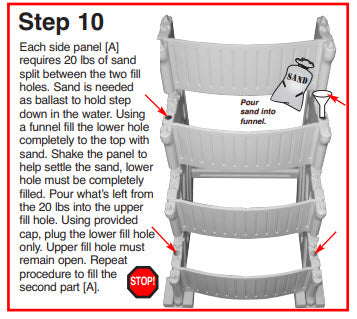
If your wedding cake steps have hollow compartments, you can fill them with sand or pea gravel. This adds weight directly inside the structure, making floating much less likely.
- How to do it: Remove any plugs or access panels. Pour in dry sand or gravel, then seal the openings tightly.
- How much to use: Fill each compartment at least halfway, but don’t overload (too much can stress the plastic).
Safety note: Use play sand or pea gravel—never use construction sand, which may have sharp debris.
3. Using Water-filled Jugs Or Bottles
A budget solution is to use large plastic jugs or bottles (like milk jugs) filled with water or small stones. Place these under or behind the steps to add weight.
- Benefits: Cheap and easy to replace if they break.
- Drawbacks: Not as long-lasting as commercial weights, and may look less tidy.
4. Anchoring With Bungee Cords Or Straps
Some pool owners use bungee cords, zip ties, or sturdy straps to attach the steps to the pool ladder, deck, or a fixed anchor.
- How to do it: Loop cords through the step’s handrail or support holes, and connect them to something solid outside the pool.
- Important: Make sure cords are tight but not so strong that they damage the step or pool liner.
5. Installing Step Mats Or Non-slip Pads
A step mat or heavy rubber pad placed under the steps helps grip the pool floor and adds a small amount of weight. These mats also protect your pool liner from scratches and tears.
- Good for: Above-ground pools with soft liners.
- Extra benefit: Reduces algae growth under the steps by blocking sunlight.
6. Removing Trapped Air
Sometimes, floating is caused by air pockets trapped under the steps. Before adding weight, try to get rid of this air.
- How to do it: Submerge the steps slowly, tilting and rocking them to let bubbles escape.
- After placement: Check for air bubbles under or inside the steps, and try to gently release them.
7. Using Pvc Piping For Custom Anchors
For a custom solution, you can build PVC pipe anchors. These are lengths of pipe filled with sand, capped at both ends, then attached to the step’s frame with zip ties or bungees.
- How to make: Cut 2–4 foot sections of 2-inch PVC pipe, fill with sand, and seal with end caps.
- How to use: Lay the pipes inside, behind, or beside the lowest step.
8. Securing Steps To The Pool Deck
If your pool deck allows, you can bolt or screw the steps to the deck itself. Most wedding cake steps have mounting holes or can be adapted for this.
- Installation: Use rust-proof bolts and washers. Make sure the deck material can handle the stress.
- Caution: Only use this method if your pool’s design and safety codes allow it.
9. Using Underwater Adhesive Pads
Some companies make special underwater adhesive pads that stick to the pool floor and the bottom of your steps.
- How they work: Clean both surfaces, apply the adhesive, and press the step down until secure.
- Pros and cons: Provides extra grip, but may be hard to remove later.
10. Combining Multiple Methods
The most effective way to keep wedding cake steps from floating is often using two or more methods together. For example:
- Fill the steps with sand and add step weights.
- Use a step mat and anchor with bungee cords.
This gives extra security, especially if your pool has strong jets or lots of swimmers.
Common Mistakes To Avoid
Even with the right tools, some mistakes can keep your wedding cake steps from staying put. Here are some errors to watch for:
- Not adding enough weight: Underestimating how much weight you need is the top mistake. Always check the step’s instructions and add a little extra if you’re unsure.
- Using the wrong materials: Never use metal weights (they rust), or materials that can leak or break down in pool water.
- Ignoring trapped air: Always check for bubbles after placing your steps.
- Forgetting about the pool liner: Hard or sharp objects under the steps can damage vinyl liners. Always use a protective mat or pad.
- Not checking regularly: Steps can shift over time, especially after storms or parties. Inspect them every week and adjust as needed.
Comparison: Popular Step Weighting Methods
It can be hard to choose the right weighting method. Here’s a quick comparison to help you decide what’s best for your pool setup.
| Method | Cost | Difficulty | Effectiveness | Pool Liner Safety |
|---|---|---|---|---|
| Commercial Step Weights | Medium | Easy | High | Safe |
| Sand/Gravel Fill | Low | Medium | High | Safe if done correctly |
| Water Jugs/Bottles | Low | Easy | Moderate | Safe |
| Bungee Anchors | Low | Medium | Moderate-High | Safe (if not too tight) |
| Step Mats | Low | Easy | Low-Moderate | Very safe |
| PVC Pipe Anchors | Low | Medium | High | Safe |
| Deck Mounting | High | Hard | Very High | Very safe |
| Adhesive Pads | Medium | Medium | Moderate | Safe |

Credit: www.youtube.com
Step-by-step Guide: Securing Wedding Cake Pool Steps
If you want a simple, reliable process, follow these steps:
1. Choose Your Weighting Method
Decide which method (or combination) fits your pool and step type. For most, step weights or sand fill plus a step mat work well.
2. Prepare The Steps
- Clean the steps before placing them in the water.
- Check for any cracks or weak spots.
3. Add Weight
- If filling with sand or gravel, use a funnel for less mess.
- Place weights in the lowest, largest areas for the most stability.
4. Place The Steps In The Pool
- Lower the steps slowly, tilting to release trapped air.
- Make sure the steps are level and as close to the pool wall as possible.
5. Secure Additional Anchors
- If using bungees or straps, attach them now.
- Double-check all connections for tightness.
6. Install A Step Mat (if Needed)
- Lay the mat flat on the pool floor before putting the steps down.
- Smooth out any wrinkles.
7. Final Check
- Gently push or shake the steps. They should feel solid and not lift easily.
- Check after 24 hours and add weight if any floating remains.
8. Regular Maintenance
- Inspect steps weekly for movement or algae.
- Re-secure or clean as needed.
A small investment in time and the right materials can keep your wedding cake steps safe and steady all summer.
Real-life Example: Pool Owner Success Stories
Hearing how others solved floating step issues can help. Here are a few examples:
- Sarah, Illinois: “Our steps floated every time the kids jumped in. We tried sandbags, but they leaked. Switching to commercial step weights plus a thick rubber mat finally did the trick. The steps haven’t moved in two seasons.”
- Carlos, Texas: “I drilled small holes in the back of my steps to fill them with pea gravel. After sealing the holes with waterproof tape, the steps were rock solid.”
- Liam, Florida: “We have a vinyl liner and didn’t want to risk tears. I used two large water jugs tied together, plus a step mat. Simple and effective, and easy to remove for cleaning.”
Credit: www.thepoolfactory.com
The Science Behind Step Buoyancy
For those curious, here’s why step weighting works. Buoyancy is the force that makes objects float. If the weight of the steps (including added sand, water, or weights) is greater than the upward force of the water, the steps will stay down.
Wedding cake steps are large and hollow, which means they displace a lot of water. The more water they displace, the more weight you need to offset that upward force. This is why just a small sandbag often isn’t enough.
If you want to calculate the exact weight needed, you can use the formula:
> Weight required = Volume of steps (in liters) x 1 kg per liter
Most homeowners just add weight until the steps stay down, but knowing the science can help if you have a particularly stubborn set.
Safety And Maintenance Tips
Keeping your steps secure is important, but so is making sure your pool stays safe and clean. Here are a few best practices:
- Always use pool-safe materials. Never use anything that can rust, rot, or break down in chlorine water.
- Protect your liner. Hard weights or pipes should never touch the liner directly. Always use a mat or pad.
- Watch for algae. Steps can trap dirt and block sunlight, creating algae growth. Clean under and around your steps every week.
- Inspect weights often. Water jugs or bags can leak or break. Check them often and replace if needed.
- Follow local codes. Some regions have rules about pool step anchors. Always check before drilling or bolting.
Comparing Wedding Cake Steps To Other Pool Entry Types
Is the floating problem unique to wedding cake steps? Here’s how these steps compare to other pool entry solutions.
| Entry Type | Stability | Ease of Use | Installation | Cost |
|---|---|---|---|---|
| Wedding Cake Steps | Needs weighting | Very easy | Moderate | Medium |
| Ladders | Stable if bolted | Harder for some | Easy | Low |
| Drop-In Steps | Needs weighting | Easy | Moderate | Medium |
| Built-In Steps | Very stable | Very easy | Hard | High |
Cost Overview: Wedding Cake Step Solutions
What will it cost to keep your steps from floating? Here’s a rough guide:
- Commercial step weights: $40–$100, depending on size and brand
- Sand or gravel: $5–$20 for enough to fill most steps
- Step mats: $20–$50
- PVC pipe anchors: $10–$30 (for pipes, sand, and caps)
- Adhesive pads: $20–$40
- Deck mounting hardware: $20–$100 (plus possible labor)
In most cases, you can keep your steps secure for under $100.
Non-obvious Insights For Pool Owners
- Check water chemistry: High chlorine or unbalanced water can weaken plastic weights or adhesives faster than you think. Keep your pool’s water balanced to extend the life of your step anchors.
- Winterizing matters: When closing your pool for winter, always remove and dry out your steps and weights. Wet sand left inside can freeze, expand, and crack the plastic.
- Tight spaces: If your pool is small, large step weights can block water flow. Choose slimmer weights or use sand fill instead to avoid dead spots that lead to algae.
- Return jet direction: If your pool has strong return jets, aim them away from the steps. Direct water flow can push on the steps and loosen weights over time.
- Check local rules: Some pool codes do not allow permanent anchors that could damage the pool shell or liner. Always consult your pool manual or a local pool pro.
When To Call A Pool Professional
Most homeowners can secure their wedding cake steps with the tips above. But if you:
- Have repeated floating issues despite trying multiple methods
- Notice damage to your pool liner or step structure
- Are unsure about how much weight is safe for your pool floor
…it’s best to call a licensed pool professional. They can recommend safe, effective solutions for your specific pool type.
For more details on pool safety and maintenance, see the CDC’s Healthy Swimming Guide.

Credit: www.youtube.com
Frequently Asked Questions
Why Do My Wedding Cake Pool Steps Keep Floating Even After Adding Weight?
There are two main reasons: not enough weight (try adding more) or trapped air inside the steps. Make sure to tilt and submerge the steps slowly to release all air bubbles before adding extra weight.
Can I Use Bricks Or Concrete Blocks To Hold My Steps Down?
It’s not recommended. Bricks or blocks can scratch or puncture a vinyl pool liner, and may break down in pool chemicals. Always use pool-safe weights with a smooth surface or protective mat.
Do I Need To Remove Wedding Cake Steps Every Winter?
Yes, it’s best to remove and dry your steps and weights when winterizing the pool. Leftover water inside the steps can freeze and crack the plastic, and weights can deteriorate if left in cold, damp conditions.
How Often Should I Check The Weights And Anchors?
Check your steps and anchors at least once a week, and always after heavy pool use or storms. Weights can shift or leak over time, especially homemade ones like water jugs.
Will Adding Too Much Weight Damage My Pool?
If you use pool-safe materials and don’t overload the steps, it’s rare to cause damage. However, too much weight on a soft or older liner could risk tears. Always place a protective mat under the steps and follow the manufacturer’s guidelines.
—
Securing wedding cake pool steps is a manageable task with the right approach. By choosing the best weighting method for your pool, checking regularly, and using safe materials, you can keep your steps stable and your swimmers safe—no more floating, tipping, or shifting to worry about.
Happy swimming!