
Are Pool Light Bulbs Special?
Swimming pools offer relaxation, fun, and a beautiful spot to gather with friends and family. But when the sun goes down, the right lighting transforms a pool from a simple water feature to a glowing oasis. If you’ve ever needed to change your pool’s light bulb or wondered about the difference between pool lights and regular lights, you’re not alone. Many pool owners ask: Are pool light bulbs special? And if so, why?
This article dives deep into the world of pool lighting. You’ll learn what makes pool bulbs unique, what types exist, how they compare to household bulbs, and what really matters when choosing or replacing them. We’ll cover safety, cost, installation, and even common mistakes people make.
By the end, you’ll know exactly why pool light bulbs aren’t just any bulbs—and how to make the best choice for your pool.
What Makes Pool Light Bulbs Different?
On the surface, a pool light bulb may look like any other bulb with a glass enclosure and metal base. But the truth is, pool light bulbs are designed to meet very specific needs. They must handle not only water but also pressure, chemicals, and temperature changes.
Key Features Unique To Pool Light Bulbs
- Waterproof Design: Pool bulbs are sealed to prevent water from reaching the electrical parts. Even a small leak can be dangerous, so these seals are tested at pressure.
- Pressure Resistance: Underwater, pressure increases with depth. Pool bulbs are built to resist this pressure, especially in deeper pools.
- Corrosion Resistance: Pool water contains chlorine and sometimes salt, both of which corrode normal metals and seals. Pool bulbs use special materials and coatings to withstand these conditions.
- Heat Management: Standard bulbs can overheat if used underwater. Pool bulbs are designed to manage heat even when surrounded by cool water.
- Electrical Safety: The risk of electrical shock is higher around water. Pool bulbs use low-voltage systems (often 12V or 24V) or are installed with special ground-fault circuit interrupters (GFCIs).
- Light Output: Water absorbs and bends light differently than air. Pool bulbs are designed for higher brightness and specific color temperature to look good underwater.
Common Materials Used
- Tempered glass: Stronger than regular glass, resists cracking under pressure.
- Stainless steel or plastic housings: Prevent rust and corrosion.
- Silicone or rubber gaskets: Seal out water, remain flexible even after years.
Non-obvious insight: Even the screws and connectors on pool bulbs are special. Regular screws rust quickly; pool bulbs use stainless or coated fasteners for long life.
Types Of Pool Light Bulbs
There are several main types of pool light bulbs, each with its own strengths and best uses. Understanding these helps you choose what fits your pool best.
1. Incandescent Pool Bulbs
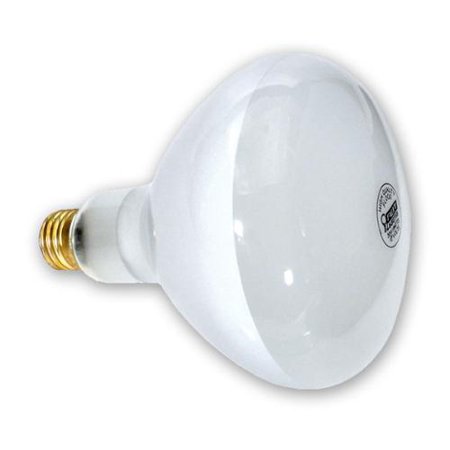
These are the oldest and most familiar type. They use a glowing wire (filament) inside a sealed glass bulb.
Pros:
- Warm, pleasant light
- Usually inexpensive upfront
Cons:
- Shorter lifespan (often 1,000 hours or less)
- Less energy efficient
- Gets hotter than other types
Typical wattage: 100–500 watts
Best for: Older pools, or when matching existing fixtures
2. Halogen Pool Bulbs
A step up from incandescent, halogen bulbs use a halogen gas for brighter, whiter light.
Pros:
- Brighter and more efficient than standard incandescent
- Good color rendering
Cons:
- Still uses a lot of energy
- Shorter lifespan than LED (around 2,000 hours)
- Can get hot
Typical wattage: 100–300 watts
Best for: Pools needing bright white light, but not ready for LED upgrades
3. Led Pool Bulbs
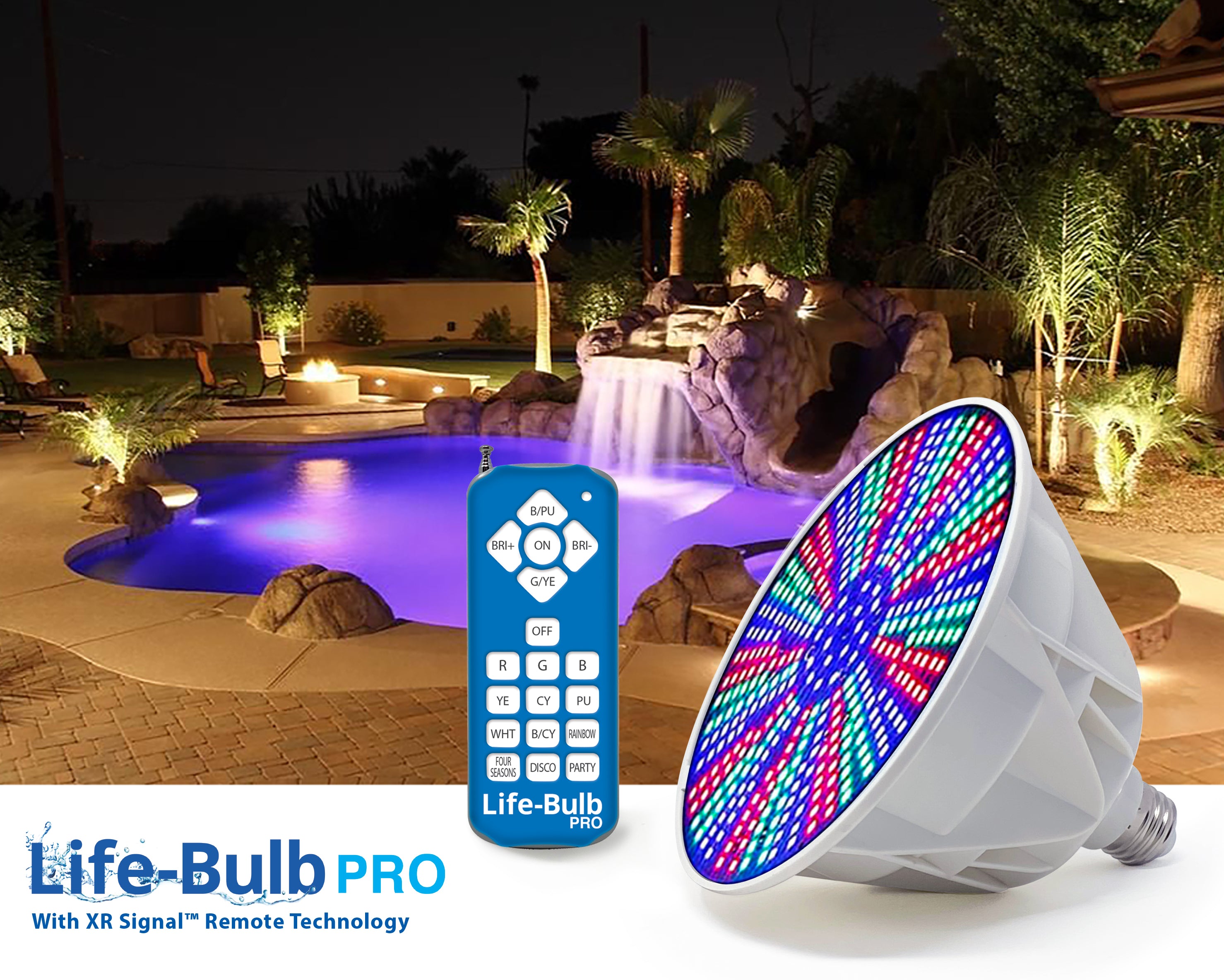
LED (Light Emitting Diode) pool lights are now the most popular. They use electronic chips to produce light.
Pros:
- Very energy efficient (up to 90% less power than incandescent)
- Last 20,000–50,000 hours
- Stay cool
- Many can change colors with remote or app control
Cons:
- Higher upfront cost
- May require compatible fixtures for upgrades
Typical wattage: 10–60 watts (but as bright as much higher-wattage incandescents)
Best for: Most new pools, energy savings, color effects
4. Fiber Optic Pool Lighting
These systems use a central light source outside the pool, sending light through fiber optic cables to points around the pool.
Pros:
- No electricity in the pool (very safe)
- Great for accent lighting, not just under water
- Easy color changes
Cons:
- Expensive
- Lower brightness than LEDs
- More complex installation
Best for: Decorative effects, perimeter or step lighting
5. Specialty Pool Bulbs
Some pools use bulbs for unique features:
- UV bulbs for sanitizing
- Submersible spotlights for fountains or waterfalls
- Remote-controlled color-changing bulbs for parties
Non-obvious insight: Fiber optic and LED systems can often be retrofitted to older pools, but you may need to change the light housing.
How Pool Light Bulbs Compare To Regular Bulbs
It’s tempting to think you can use a regular outdoor light bulb in a pool. Here’s how pool bulbs really differ:
| Feature | Pool Light Bulbs | Regular Light Bulbs |
|---|---|---|
| Waterproof | Yes (rated for underwater use) | No |
| Pressure Resistant | Yes (handles water pressure) | No |
| Corrosion Resistance | High (special materials) | Low |
| Voltage | Often low voltage (12V/24V) | Usually 120V/220V |
| Safety Certifications | Required for pools | General |
| Brightness Underwater | Optimized for water clarity | Not optimized |
Trying to use a regular bulb in a pool is unsafe and won’t last. Always use a bulb specifically made for underwater pool lighting.
Pool Light Bulb Safety: What You Need To Know
Lighting electricity and water don’t mix unless you take the right precautions. Safety is the number one reason pool bulbs are special.
Why Safety Standards Matter
All pool light bulbs must meet strict safety standards. These rules come from groups like Underwriters Laboratories (UL) and national electrical codes. They cover:
- Waterproofing
- Shock resistance
- Safe voltage levels
- Quality of gaskets and seals
A non-pool bulb won’t pass these tests.
Common Safety Features
- Double or triple seals to prevent leaks
- Special connectors that keep water out
- Ground Fault Circuit Interrupter (GFCI) required for all pool lighting circuits
Typical Mistakes To Avoid
- Using a non-waterproof bulb: This is dangerous, even if it “fits” the fixture.
- Ignoring the GFCI: Always make sure your pool light circuit has GFCI protection.
- Replacing with higher wattage: Never use a bulb with higher wattage than your fixture allows.
Non-obvious insight: Even a small hairline crack in a bulb or its housing can lead to leaks and electrical hazards. Check for cracks before installation.
Choosing The Right Pool Light Bulb
Selecting the best pool bulb isn’t just about brightness. Many factors matter:
1. Bulb Type & Compatibility
- Check your fixture for compatible bulb types (incandescent, halogen, LED, etc. ).
- Look for model numbers or consult your pool manual.
2. Wattage And Voltage
- Match wattage to your fixture’s rating. Too high can damage the fixture, too low will look dim.
- Most modern pools use 12V or 24V systems for safety, but older pools may use 120V.
3. Color And Effects
- Single color bulbs: Classic look, reliable.
- Color-changing LEDs: Great for parties, mood lighting, or making your pool stand out.
4. Brightness
- Measured in lumens. A small backyard pool may need 1,000–1,500 lumens; a large pool may need 3,000+.
- LED bulbs give more light for less wattage.
5. Lifespan And Maintenance
- LED bulbs last up to 10 times longer than incandescent.
- Fewer replacements mean less hassle and lower long-term cost.
6. Energy Use
- LEDs are up to 90% more efficient than old bulbs.
- Consider local electricity costs—LEDs save money over time.
7. Cost
- Incandescent: $15–$40 per bulb, lasts about 1 year.
- Halogen: $20–$50 per bulb, lasts 1–2 years.
- LED: $40–$200 per bulb, lasts 5–10 years.
Don’t just compare the purchase price—factor in energy use and lifespan.
8. Brand And Warranty
- Choose well-known brands with good support.
- Look for at least a 1-year warranty on LED bulbs.
9. Environmental Factors
- If your pool uses saltwater, confirm the bulb and fixture are salt-resistant.
Non-obvious insight: Many pool owners forget to check the size of the bulb. Even if the voltage and type are correct, a bulb that’s too large or too small won’t seal properly, risking leaks.
Installation: What’s Special About Pool Light Bulb Replacement?
Changing a pool light bulb is more involved than changing a lamp in your house.
Key Steps For Replacing A Pool Light Bulb
- Turn off power at the breaker box.
- Remove the light fixture: Usually, one screw holds the fixture into the pool wall.
- Bring the fixture to the pool deck: Most fixtures have enough cord to pull up without disconnecting wires.
- Open the fixture: Remove screws and gaskets, being careful not to damage the seal.
- Replace the bulb: Use the correct type, size, and wattage.
- Check the gasket: Always replace a worn or old gasket to prevent leaks.
- Test the light: Briefly turn on power out of water to check the new bulb works. Don’t leave it on more than a few seconds.
- Reassemble and reseal: Make sure all seals are tight.
- Reinstall fixture in the pool wall.
- Restore power and test.
Non-obvious insight: If you see water inside the fixture when you open it, dry it fully and replace the gasket before installing the new bulb.
Important Tools And Materials
- Screwdriver (usually Phillips or flathead)
- New gasket (recommended every time)
- Silicone lubricant (for gasket)
- Towel for drying parts
Common Mistakes During Installation
- Forgetting to replace the gasket: Old gaskets may look fine but can fail after reassembly.
- Not testing the bulb before resealing: Saves time if the bulb is defective.
- Over-tightening screws: Can crack the fixture or gasket.

Credit: discountpoolmart.com
Pool Light Bulb Lifespan And Maintenance
How long a pool bulb lasts depends on type, usage, and environment.
Typical Lifespans
- Incandescent: 800–1,500 hours (about 1 pool season if used nightly)
- Halogen: 1,500–2,500 hours
- LED: 20,000–50,000 hours (can last many years)
Factors Affecting Bulb Life
- Running bulbs out of water: Overheats and shortens lifespan
- Chlorine and salt: Corrode poor-quality bulbs quickly
- Voltage fluctuations: Damage electronics in LED bulbs
Maintenance Tips
- Run pool lights only when needed to extend life
- Check fixtures for leaks every season
- Clean lens and housing to remove algae or scale
Non-obvious insight: Even LED bulbs need good water circulation around the fixture. Stagnant water can build up heat and reduce LED life.
Cost Comparison: Pool Light Bulbs Over Time
The upfront cost of pool bulbs can be misleading. Here’s a look at real long-term costs for a typical residential pool (using one bulb, 4 hours per night, 180 nights/year):
| Bulb Type | Upfront Cost | Annual Energy Use* | Lifespan (years) | Total 5-Year Cost |
|---|---|---|---|---|
| Incandescent (300W) | $30 | $88 | 1 | $470 |
| Halogen (100W) | $40 | $29 | 2 | $205 |
| LED (40W equivalent) | $100 | $12 | 7 | $160 |
*Assuming electricity cost of $0. 20/kWh.
LEDs are more expensive upfront but save hundreds of dollars over a few years.
Credit: nomoregreen.com
Common Myths And Misunderstandings
Myth 1: All Waterproof Bulbs Can Be Used In Pools
Reality: Only bulbs rated for underwater pool use are safe. “Waterproof” garden or pond lights are not designed for the unique pressure and chemical exposure of pools.
Myth 2: You Can Upgrade To Led Without Changing Fixtures
Reality: Some older pool fixtures won’t fit new LED bulbs. Always check compatibility and consider a fixture upgrade for safety and performance.
Myth 3: Higher Wattage Means Brighter Pool
Reality: In water, the bulb’s design, reflector, and lens are as important as wattage. A well-designed 40W LED can outshine a 300W incandescent.
Myth 4: Pool Lights Last Forever
Reality: All bulbs eventually fail. Regular checks and replacing gaskets extend life, but plan for replacement every few years.
Non-obvious insight: Many pool light failures are caused by poor installation or bad gaskets, not the bulb itself.
Environmental And Regulatory Considerations
Pool light bulbs must follow local and national safety rules.
Energy Regulations
Many regions now ban high-wattage incandescent bulbs to save energy. LEDs are encouraged and sometimes required in new pools.
Recycling And Disposal
- Incandescent and halogen bulbs: Throw in regular trash (in most areas), but check for local recycling programs.
- LED bulbs: Some contain small electronics—recycle if possible.
Environmental Impact
- LEDs have a smaller carbon footprint due to lower energy use and longer life.
- Proper disposal reduces pollution and keeps chemicals out of landfills.
Non-obvious insight: The glass in pool bulbs is thicker and heavier than regular bulbs, so they may not fit in standard recycling bins.
Troubleshooting Pool Light Problems
If your pool light isn’t working, it’s not always the bulb.
Most Common Problems
- Tripped GFCI breaker: Reset and see if the light works.
- Water in the fixture: Remove and dry out before replacing the bulb.
- Loose wiring: Check connections when the power is off.
- Old or cracked gasket: Replace to prevent leaks.
- Burned out bulb: Replace with the correct type.
When To Call A Professional
- If you see water inside the fixture and aren’t sure how to reseal
- If the breaker trips every time you turn on the light
- If replacing the bulb doesn’t fix the problem
Non-obvious insight: Most pool light failures show up at the start of the season after the pool has been closed for months. Test your lights before the first swim.
The Future Of Pool Lighting
Smart pool lights are becoming more popular. These can be controlled by smartphone apps, change colors, and even sync with music. Some high-end systems use Wi-Fi or Bluetooth for remote control.
Solar-powered pool lights are also appearing, especially for above-ground or temporary pools. These float on the surface and charge during the day.
Non-obvious insight: Smart LED pool bulbs usually need a compatible controller. Not all can be added to existing wiring without an upgrade.
Frequently Asked Questions
What Happens If I Use A Regular Bulb In My Pool Light Fixture?
Using a regular bulb in a pool fixture is dangerous. Regular bulbs are not sealed against water or rated for pressure and can cause electrical shorts or even shock hazards. Always use bulbs specifically made for underwater pool lighting.
How Do I Know What Type Of Pool Light Bulb I Need?
Check your pool light fixture’s label or manual for the correct bulb type, size, and voltage. If you aren’t sure, bring the old bulb or the fixture’s details to a pool supply store for help.
Can I Change A Pool Light Bulb Without Draining The Pool?
Most pool light fixtures are designed to be serviced from the pool deck. You usually do not need to drain the pool—just remove the fixture, bring it above water, and replace the bulb.
Why Did My New Pool Light Bulb Burn Out Quickly?
Common reasons include using the wrong type, running the light out of water, poor installation, or a bad gasket allowing water to reach the bulb. Using a bulb with incorrect voltage can also cause early failure.
Are Led Pool Bulbs Worth The Extra Cost?
Yes. LED pool bulbs last much longer and use much less energy. The higher upfront cost is usually paid back in 1–2 years through lower electricity bills and fewer replacements.
Final Thoughts
Pool light bulbs are indeed special. They must survive in water, resist chemicals, handle pressure, and keep you safe from electricity. While they may cost more and require careful installation, the benefits in safety, appearance, and long-term savings are clear. Take time to choose the right type, check compatibility, and follow safety steps. With the right bulb, your pool can be a safe, beautiful space to enjoy after dark.
For more information on pool lighting safety and standards, check resources like the Wikipedia Swimming Pool Sanitation page.
Credit: mikethepoolman.com